
Resources
Explore a wide range of valuable resources on GCED to deepen your understanding and enhance your research, advocacy, teaching, and learning.
1,300 Results found
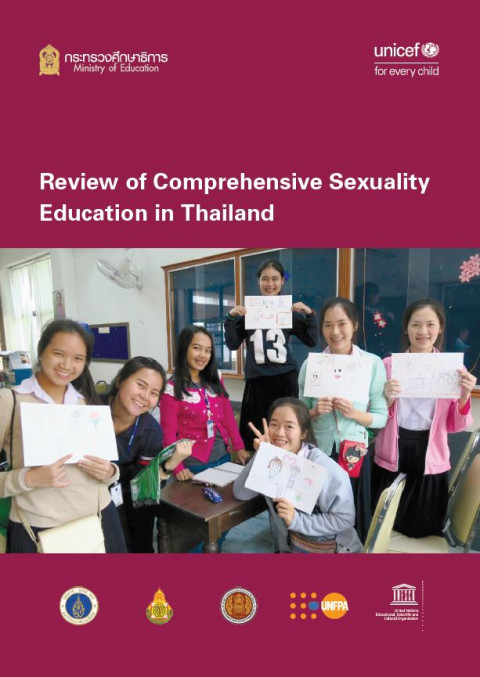 Review of Comprehensive Sexuality Education in Thailand Year of publication: 2017 Corporate author: United Nations Children's Fund (UNICEF) | Thailand. Ministry of Education This review of comprehensive sexuality education (CSE) in Thai educational institutions collected data from students, teachers, guardians, school directors and national policy advocacy stakeholders. Standard international data collection tools were used, with the hope that important information could be gathered to guide the development of school-based CSE implementation in Thailand. The review aims to increase understanding about how CSE is being implemented in Thai general secondary schools and vocational colleges and to examine the values and attitudes of teachers, school directors, students, and parents on sexuality and sexuality education. It also analyses policies relevant to current national strategies of CSE implementation and documents successes and gaps in the current provision of CSE in the country. The report, prepared by the Ministry of Education, Thailand, and UNICEF, with inputs from UNESCO Bangkok, is available in English and in Thai.
  어린이집 · 유치원 교사가 알아야 할 디지털 시민성과 교육 Year of publication: 2019 Author: 김양은 | 최숙 | 박상호 | 장준영 | 박정원 Corporate author: 방송통신위원회 | 한국정보화진흥원 본 자료는 어린이집, 유치원 교사가 아이들과 함께 디지털시민역량을 키워나가도록 개념, 해외사례, 교육자료 등을 소개하는 가이드북이다.
  Dossier pédagogique 2021: S’informer pour comprendre le monde Year of publication: 2020 Corporate author: Centre pour l’éducation aux médias et à l’information (CLEMI) | Réseau Canopé Le dossier pédagogique 2021 a pour thème : «S'informer pour comprendre le monde». Pour comprendre le monde qui les entoure, les élèves doivent plus que jamais apprendre à s’informer en exerçant leur esprit critique. Ce nouveau thème de la SPME permet ainsi de revenir aux fondamentaux de l’éducation aux médias et à l’information.
  Boosting Gender Equality in Science and Technology: A Challenge for TVET Programmes and Careers Year of publication: 2020 Corporate author: UNESCO International Centre for Technical and Vocational Education and Training (UNEVOC) While technical and vocational education and training (TVET) has the potential to bolster the participation of women in the labour market, this potential is not always well understood and capitalized on. In general, female students are lowly represented in TVET compared to general programmes, and in particular girls and women tend to be under-represented in the fields that require science, technology, engineering and mathematics (STEM) skills and knowledge. In addition to being required for ‘traditional’ and ‘emerging’ occupations, STEM skills and knowledge are often needed for the so-called ‘jobs of the future’, driving innovation, inclusive growth and sustainable development. This report examines the key issues concerning girls and women’s participation and achievement in STEM-related TVET programmes and their transition STEM related careers.
 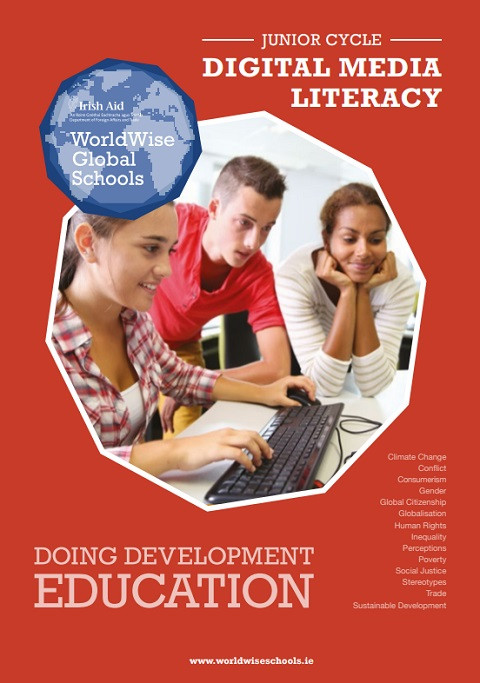 Doing Development Education: Digital Media Literacy; Junior Cycle Year of publication: 2017 Corporate author: WorldWise Global Schools (WWGS) | Irish Aid In Ireland, Development Education themes, such as ethics, respect, rights and responsibilities, consumerism, citizenship, democracy and the role of the media form part of the learning in the junior cycle Digital Media Literacy Short Course.This resource aims to support Digital Media teachers to teach through a global justice lens, a lens with great educational benefits, which meets the requirements as laid out in the junior cycle Digital Media Literacy specification, and in the (2015) Framework for Junior Cycle.
  Gender Inequality in Education and its Impact on Economic Growth in Algeria: An Applied Study for the Period (1980-2014) Year of publication: 2017 Author: Latifa Al-Sabti | Taleb Warrad Corporate author: University of Jordan Most of the developing countries suffer from gender inequality in education, health, employment opportunities, wages and opportunities of representation and political empowerment. It was found that this inequality - according to the findings of most previous studies on this topic- had a negative effect on economic growth. As economic growth is one of the important macroeconomic goals, this has induced the researcher to investigate the relationship between them in Algeria. This study aimed mainly at investigating the impact of gender inequality in education on the economic growth in Algeria, using annual data covering the period from 1980 to 2014, in order to achieve this objective, an econometric model has been designed based on the economic theories and the published researches, using data obtained from the World Bank's (WB) and UNESCO websites. The Results of the econometric analysis showed the existence of significant positive relationship between gender inequality in secondary education and economic growth in Algeria (which means that there is a gender equality in secondary education enrollment according to the definition of Gender Parity Index), and the existence of a negative significant relationship between gender inequality in primary education and economic growth in Algeria (which means that there is a gender inequality in primary education enrollment according to the definition of Gender Parity Index), also showed the presence of a positive significant relationship between each of the trade openness, physical capital and economic growth, and the presence of a negative significant relationship between labor supply and economic growth in Algeria. The study recommended the need of Algeria to work on the elimination of the causes of gender inequality in education, or at least minimizing them as much as possible because of their negative impact on economic growth, and supporting the educational system through the construction of new schools in rural and urban areas, the paving of roads to facilitate access of pupils safely to schools, equipping schools with the required means to complete the educational process as it should be, to spread awareness through various media of the importance of female education, to enact legislations that obligate the education of females, to encourage the demand for females in the labor market as an attempt to raise their rate of enrollment to education as a major determinant for getting a good job. عدم المساواة في التعليم بين الجنسين وأثرها على النمو الاقتصادي في الجزائر: دراسة تطبيقية للفترة (1980-2014) Year of publication: 2017 Author: Latifa Al-Sabti | Taleb Warrad Corporate author: University of Jordan تعاني أغلب الدول النامية من عدم المساواة بين الجنسين في التعليم، الصحة، فرص التشغيل، الأجور وفرص التمثيل والتمكين السياسي وغيرها، حيث وُجد أن هذه الأخيرة - حسب ما توصلت إليه أغلب الدراسات السابقة في هذا الموضوع-لها تأثير سلبي على النمو الاقتصادي، والذي يعد من الأهداف الاقتصادية المهمة على المستوى الكلي، ما دفع بالباحث إلى دراسة العلاقة بينهما في الجزائر.هدفت الدراسة بشكل أساسي إلى اختبار أثر عدم المساواة في التعليم بين الجنسين على النمو الاقتصادي في الجزائر، باستخدام بيانات سنوية تغطي الفترة من 1980 إلى 2014، ولتحقيق ذلك تم تصميم نموذج قياسي يستند إلى النظريات الاقتصادية والدراسات العلمية المنشورة ومن ثم تطبيقه على الجزائر، كما تم استخدام اختبارات التحليل القياسي المناسبة، أما البيانات فتم الحصول عليها من موقع البنك الدولي (WB) وموقع منظمة اليونسكو.بينت نتائج التحليل القياسي وجود علاقة إيجابية طردية ذات دلالة إحصائية بين متغير عدم المساواة بين الجنسين في التعليم الثانوي والنمو الاقتصادي في الجزائر (ما يعني أن هناك مساواة بين الذكور والإناث في الالتحاق بالتعليم الثانوي)، ووجود علاقة عكسية ذات دلالة إحصائية بين متغير عدم المساواة بين الجنسين في التعليم الابتدائي والنمو الاقتصادي في الجزائر (ما يعني أنه ليس هناك مساواة بين الذكور والإناث في الالتحاق بالتعليم الابتدائي)، كما بينت وجود علاقة طردية إيجابية ذات دلالة إحصائية بين كل من الانفتاح التجاري، رأس المال وعكسية بين عرض العمل وبين النمو الاقتصادي في الجزائر.أوصت الدراسة بضرورة العمل على القضاء على مسببات عدم المساواة في التعليم بين الجنسين في الجزائر أو على الأقل التقليل منها قدر الإمكان لما لها من أثر سلبي على النمو الاقتصادي، وذلك عن طريق دعم المنظومة التعليمية من بناء مدارس جديدة بالمناطق الريفية والنائية، تعبيد الطرقات لتسهيل وصول التلاميذ بأمان إلى المدارس، تجهيز المدارس بالوسائل اللازمة لإتمام العملية التعليمية على أكمل وجه، نشر الوعي عبر وسائل الإعلام المختلفة بأهمية تعليم الإناث، سن تشريعات بإجبارية تعليم الإناث، تشجيع الطلب على الإناث في سوق العمل كمحاولة لرفع معدل إقبالهن على التعليم باعتباره محددا أساسيا للحصول على وظيفة جيدة.
 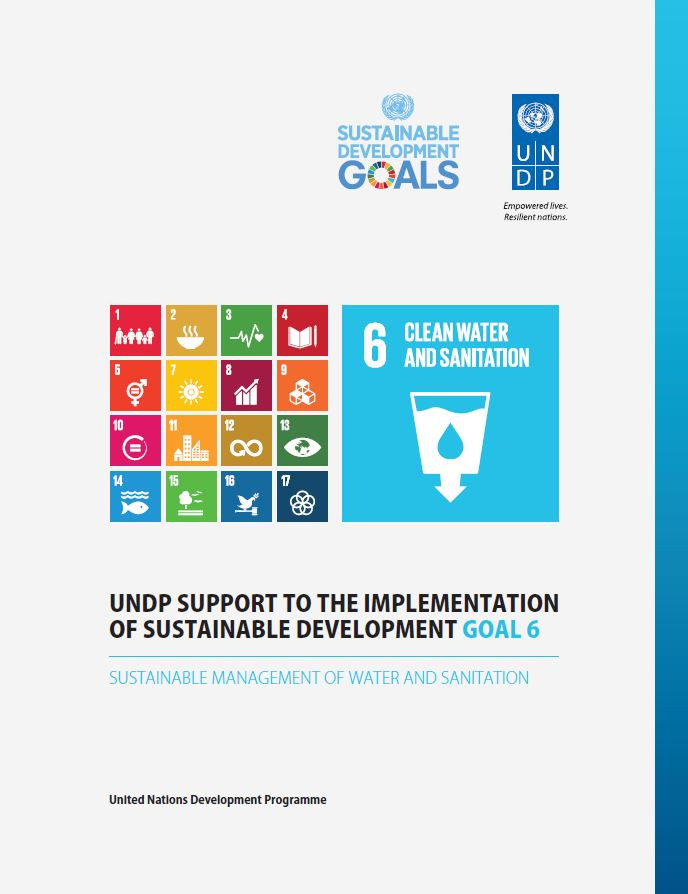 UNDP Support for the Implementation of Sustainable Development Goal 6: Sustainable Management of Water and Sanitation Year of publication: 2016 Corporate author: United Nations Development Programme (UNDP) This document provides a summary report on UNDP support for the implementation of SDG 6. The report focuses specifically on the sustainable management of water and sanitation services. This report is a micro-reference to these efforts in the field of water and sanitation services. دعم برنامج الأمم المتحدة الإنمائي لتنفيذ الهدف 6 من أهداف التنمية المستدامة: الإدارة المستدامة للمياه وخدمات الصرف الصحي Year of publication: 2016 Corporate author: United Nations Development Programme (UNDP) يقدم المستند تقرير ملخصا عن دعم برنامج الأمم المتحدة الإنمائي لتنفيذ الهدف 6 من أهداف التنمية المستدامة. ويركز التقرير بالتحديد على الإدارة المستدامة للمياه وخدمات الصرف الصحي. يعتبر هذا التقرير مرجع مصغر لهذه الجهود في مجال خدمة المياه والصرف الصحي.
 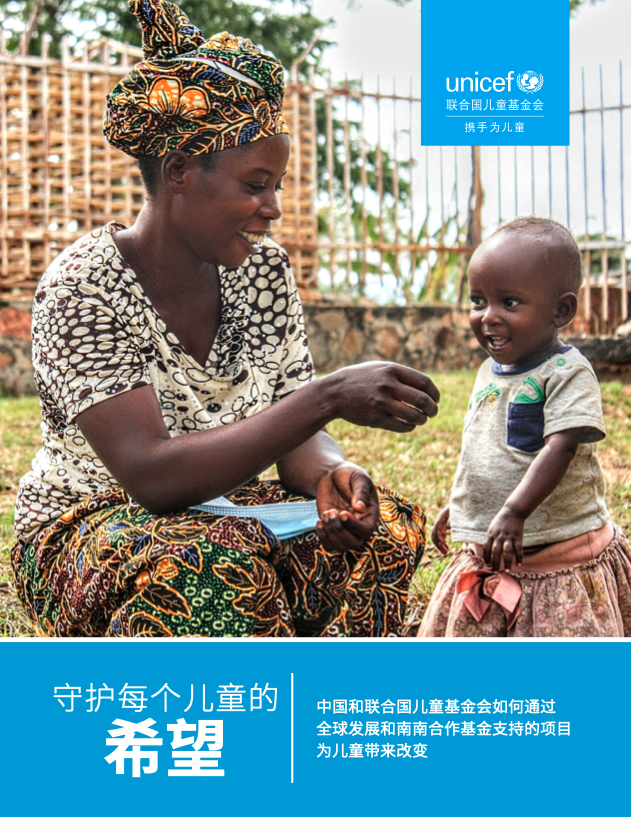 守护每个儿童的希望 Year of publication: 2023 Author: 联合国儿童基金会驻华办事处 联合国儿童基金会和中国政府在中国建立了长期合作伙伴关系,在其他伙伴国家也已开始合作,携手促进世界各地儿童权利保护工作。双方不仅在中国通过连续实施九个国别方案开展合作,自2018年以来,双方还通过南南合作,共同援助中低收入国家最弱势的儿童群体。本案例研究汇编详细介绍了通过全球发展和南南合作基金资助的17个项目,联合国儿童基金会和15个非洲国家的政府如何为儿童的生活带来改变,凸显了中国与联合国儿童基金会在儿童事业方面取得的合作成果。我们希望通过分享相关案例促进学习交流,为合作伙伴和其他相关人士提供参考借鉴,从而为每个孩子的生存和赋权点亮新的希望。