
Resources
Explore a wide range of valuable resources on GCED to deepen your understanding and enhance your research, advocacy, teaching, and learning.
3,380 Results found
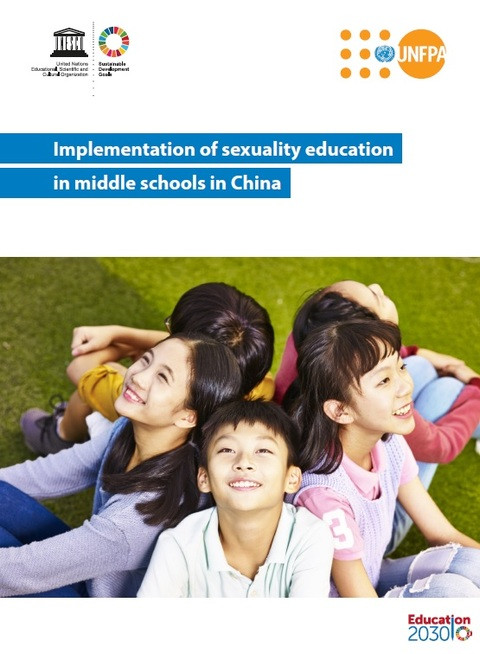 中国初级中学性教育实施状况 Year of publication: 2018 Corporate author: UNESCO Beijing | United Nations Population Fund (UNFPA) 本调研报告介绍了中国目前开展学校性教育的情况以及存在的问题,并对政策制定者和学校提出了相关建议。
  البرنامج العربي لتنمية الطفولة المبكرة Year of publication: 2012 Author: Ghanim Bibi | Sawsan Alqadi Corporate author: Arab League Educational, Cultural and Scientific Organization (ALECSO) يستعرض الملف تقريرا عن ورشة "البرنامج العربي لتنمية الطفولة المبكرة". والبرنامج العربي لتنمية الطفولة المبكرة هو إطار لتشارك الممارسات الجيدة في السياسات والبرامج، من خلال الأهداف الأربعة التالية: تعزيز الجودة عبر الابتكار في البرامج في أثناء العمل، وزيادة نسبة الفعاليّة إلى الكلفة ودعم قياس أثر مقاربات رعاية وتنمية الطفولة المبكرة، وتنشيط التبادل المهني الإقليمي والمساعدة التقنية، وزيادة استخدام الإعلام وتكنولوجيا الاتّصالات والمعلومات في رفع مستوى برامج “تنمية الطفولة المبكرة” نوعيّاً. The Arab Program for Early Childhood Development Year of publication: 2012 Author: Ghanim Bibi | Sawsan Alqadi Corporate author: Arab League Educational, Cultural and Scientific Organization (ALECSO) The file reviews a report on the "Arab Program for Early Childhood Development" workshop. The Arab Program for Early Childhood Development is a framework for sharing good practices in policies and programs, through the following four objectives: enhancing quality through innovation in on-the-job programmes, increasing the effectiveness-to-cost ratio, supporting the measurement of the impact of early childhood care and development approaches, and stimulating regional professional exchange and technical assistance. Increasing the use of media and information and communication technology to qualitatively raise the level of early childhood development programmes.
 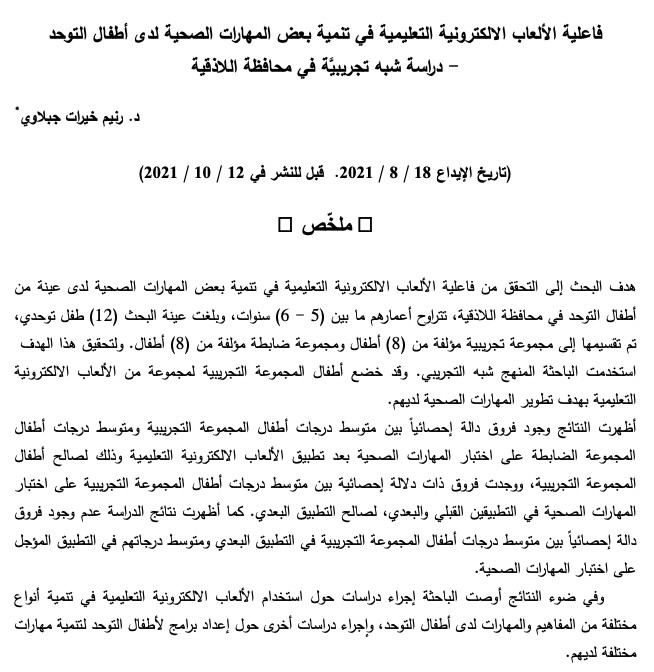 فاعلية الألعاب الالكترونية التعليمية في تنمية بعض المهارات الصحية لدى أطفال التوحد - دراسة شبه تجريبيَّة في محافظة اللاذقية (مجلة جامعة تشرين للبحوث والدراسات العلمية ، الآداب والعلوم الإنسانية ، المجلد 43 ، العدد 5) Year of publication: 2021 Author: Raneem Jablawi Corporate author: Tishreen University هدف البحث إلى التحقق من فاعلية الألعاب الالكترونية التعليمية في تنمية بعض المهارات الصحية لدى عينة من أطفال التوحد في محافظة اللاذقية، تتراوح أعمارهم ما بين (5 - 6) سنوات، وبلغت عينة البحث (12) طفل توحدي، تم تقسيمها إلى مجموعة تجريبية مؤلفة من (8) أطفال ومجموعة ضابطة مؤلفة من (8) أطفال. ولتحقيق هذا الهدف استخدمت الباحثة المنهج شبه التجريبي. وقد خضع أطفال المجموعة التجريبية لمجموعة من الألعاب الالكترونية التعليمية بهدف تطوير المهارات الصحية لديهم.أظهرت النتائج وجود فروق دالة إحصائياً بين متوسط درجات أطفال المجموعة التجريبية ومتوسط درجات أطفال المجموعة الضابطة على اختبار المهارات الصحية بعد تطبيق الألعاب الالكترونية التعليمية وذلك لصالح أطفال المجموعة التجريبية، ووجدت فروق ذات دلالة إحصائية بين متوسط درجات أطفال المجموعة التجريبية على اختبار المهارات الصحية في التطبيقين القبلي والبعدي، لصالح التطبيق البعدي. كما أظهرت نتائج الدراسة عدم وجود فروق دالة إحصائياً بين متوسط درجات أطفال المجموعة التجريبية في التطبيق البعدي ومتوسط درجاتهم في التطبيق المؤجل على اختبار المهارات الصحية.وفي ضوء النتائج أوصت الباحثة إجراء دراسات حول استخدام الألعاب الالكترونية التعليمية في تنمية أنواع مختلفة من المفاهيم والمهارات لدى أطفال التوحد، وإجراء دراسات أخرى حول إعداد برامج لأطفال التوحد لتنمية مهارات مختلفة لديهم.
 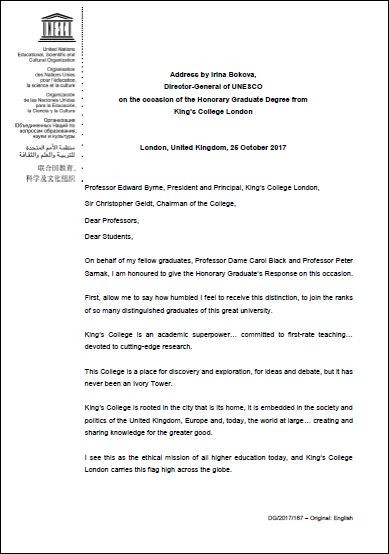 Address by Irina Bokova, Director-General of UNESCO, on the occasion of the Honorary Graduate Degree from King's College London Year of publication: 2017 Corporate author: UNESCO. Director-General, 2009-2017 (Bokova, I.G.) This address was delivered by Irina Bokova, Director-General of UNESCO, on the occasion of the Honorary Graduate Degree from King's College London on 25 October 2017.
  The European Benchmark for Refugee Integration: A Comparative Analysis of the National Integration Evaluation Mechanism in 14 EU Countries Year of publication: 2019 Author: Alexander Wolffhardt | Carmine Conte | Thomas Huddleston Corporate author: National Integration Evaluation Mechanism (NIEM) The National Integration Evaluation Mechanism (NIEM) has published its baseline study presenting a comparative, indicator-based assessment of the refugee integration frameworks of 14 EU countries. The study’s results point out concrete steps that policymakers need to take to build a refugee integration framework in line with international and European standards.The report evaluates governments’ responses to the challenge of long-term integration of refugees and beneficiaries of subsidiary protection. The study considers several dimensions of integration and uses scores to assess relevant provisions at the national level.
 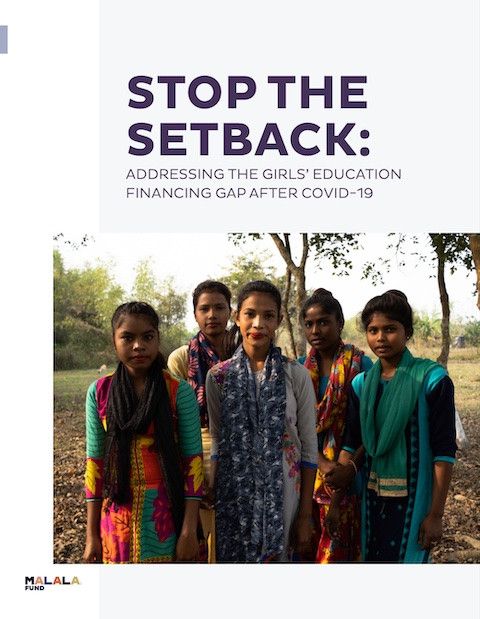 Stop the Setback: Addressing the Girls’ Education Financing Gap After COVID-19 Year of publication: 2021 Corporate author: Malala Fund Decades of research show that investing in girls’ education is one of the best investments we can make in the future peace, prosperity and sustainability of our planet. By taking the steps for girls’ education outlined in this report, leaders can build a better world in the pandemic’s wake — not just for girls, but for everyone.
 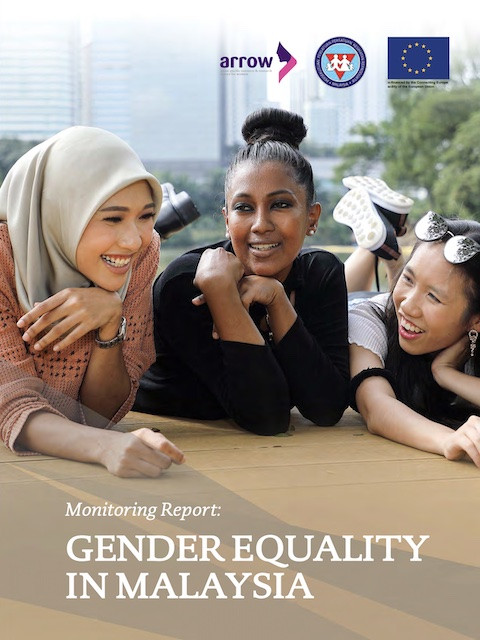 Monitoring Report: Gender Equality in Malaysia Year of publication: 2020 Author: Tan Beng Hui Corporate author: Asian-Pacific Resource & Research Centre for Women (ARROW) | Federation of Reproductive Health Associations, Malaysia (FRHAM) The Asian-Pacific Resource and Research Centre for Women (ARROW), together with the Federation of Reproductive Health Associations Malaysia (FRHAM) and Justice For Sisters (JFS) organised the Gender Equality Initiative, a project aimed to monitor and support the Malaysian government to implement their commitment towards the Convention on the Elimination of All Forms of Discrimination Against Women (CEDAW) and the Universal Periodic Review (UPR). This two-year project is funded by the European Union, dedicated to working with stakeholders, in particular governmental bodies, civil society organisations, media, women and young girls in Perak, Terengganu and at the national level.In the third UPR Cycle, Malaysia has received several recommendations on gender equality, sexual and reproductive health, access to comprehensive sexuality education and protection of women and girls from violence. Malaysia is urged to accede to relevant Optional Protocols and withdraw reservations to the Convention which hinder the rights of women and girls in Malaysia. As a result, FRHAM was commissioned to conduct a research on the Baseline Monitoring Report containing four thematic areas, namely, a) ending all forms of discrimination against women and girls; (b) eliminating violence against women and girls; (c) eliminating harmful practices against women and girls; and (d) ensuring universal access to SRHR.
 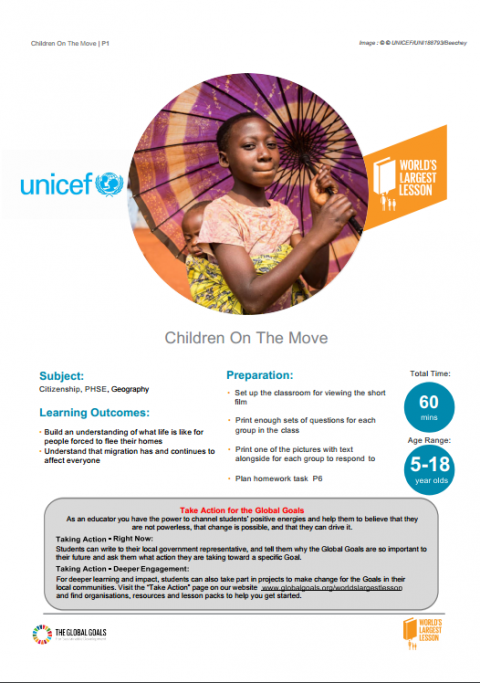 Children on the Move Corporate author: United Nations Children's Fund (UNICEF) World’s Largest Lesson is a collaborative education project to support the announcement of the United Nations Global Goals for Sustainable Development. Learning outcomes of the project: • Build an understanding of what life is like for people forced to flee their homes • Understand that migration has and continues to affect everyone
 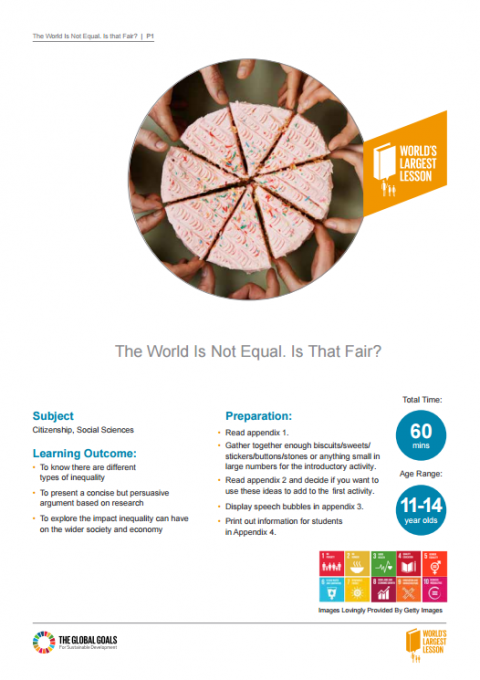 The World Is Not Equal. Is That Fair? Corporate author: United Nations Children's Fund (UNICEF) World’s Largest Lesson is a collaborative education project to support the announcement of the United Nations Global Goals for Sustainable Development. Learning outcomes of the project: • To know there are different types of inequality • To present a concise but persuasive argument based on research • To explore the impact inequality can have on the wider society and economy