
Resources
Explore a wide range of valuable resources on GCED to deepen your understanding and enhance your research, advocacy, teaching, and learning.
950 Results found
 تحويل عالمنا: خطة التنمية المستدامة لعام ٢٠٣٠ - الجمعية العامة للامم المتحدة Year of publication: 2015 Corporate author: United Nations (UN) تمثل هذه الخطة برنـامج عمـل لأجـل النـاس والأرض ولأجـل الازدهـار. وهـي ـدف أيضا إلى تعزيز السـلام العـالمي في جـو مـن الحريـة أفسـح. ونحـن نـدرك أن القضـاء علـى الفقـر بجميع صوره وأبعاده، بما في ذلك الفقر المدقع، هو أكبر تحد يواجه العالم، وهـو شـرط لا غـنى عنه لتحقيق التنمية المستدامة. وستعمل جميع البلدان والجهات صاحبة المصلحة على تنفيـذ هـذه الخطـة في إطـار مـن الشراكة التعاونية. ونحن عاقدون العـزم علـى تحريـر الجـنس الب شـري مـن طغيـان الفقـر والعـوز وعلى تضميد جـراح كوكبنـا وحفظـه. ومصـممون علـى اتخـاذ الخطـوات الجريئـة المفضـية إلى التحـول الـتي تلـزم بصـورة ملحـة للانتقـال بالعـالم نحـو مسـار قوامـه الاسـتدامة والقـدرة علـى الصمود. ونتعهد، ونحن مقبلون على هذه الرحلة الجماعية، بألا يخلف الركب أحد ا وراءه. وتبرهن أهداف التنمية المستدامة، البالغ عددها ١٧ هدفا، وغاياا، البالغ عددها ١٦٩ غاية، التي سنعلن عنها اليوم على اتساع نطاق هذه الخطة العالمية ومدى طموحها. فالمنشود من هذه الأهداف والغايـات هـو مواصـلة مسـيرة الأهـداف الإنمائيـة للألفيـة وإنجـاز مـا يت لم حقـق في إطارها. كذلك يقصد ا إعمال حقوق الإنسان الواجبة للجميع وتحقيق المسـاواة بـين الجنسـين وتمكين النساء والفتيات كافة. وهي أهداف وغايات متكاملـة غـير قابلـة للتجزئـة تحقـق التـوازن بين الأبعاد الثلاثة للتنمية المستدامة: البعد الاقتصادي والبعد الاجتماعي والب عد البيئي. Transforming our world: the 2030 Agenda for Sustainable Development - United Nations General Assembly Year of publication: 2015 Corporate author: United Nations (UN) This plan represents a program of action for people and land and for prosperity. It is also aimed at promoting world peace in a more free atmosphere. We recognize that the eradication of poverty in all its forms and dimensions, including extreme poverty, is the world's greatest challenge and an indispensable condition for sustainable development. All countries and stakeholders will implement this plan within the framework of the cooperative partnership. We are determined to free mankind from the tyranny of poverty and want and to heal and preserve the wounds of our planet. We are determined to take the bold steps leading to the transformation that are urgently needed to move the world towards a path of sustainability and resilience. As we embark on this collective journey, we pledge that no one will be left behind. The 17 Sustainable Development Goals and the 169 targets that we will announce today demonstrate the breadth and ambition of this global agenda. The aim of these goals and objectives is to continue the process of the Millennium Development Goals and achieve what has not been achieved within the framework. They are also intended to realize human rights for all, achieve gender equality and empower all women and girls. These are integral and indivisible goals and objectives that balance the three dimensions of sustainable development: the economic, social and environmental dimensions.
  A Transformative Agenda: Outcomes of the CONFINTEA VII Regional Preparatory Conferences Year of publication: 2022 Corporate author: UNESCO Institute for Lifelong Learning (UIL) In preparation for the Seventh International Conference on Adult Education (CONFINTEA VII), in Marrakech, Morocco, in June 2022, a series of regional conferences took place between February and September 2021, in some cases preceded by sub-regional consultations. Each of the regional preparatory conferences produced an outcome document summarizing the discussion, including key achievements in adult learning and education, crucial challenges and key recommendations. This document provides a synthesis of the outcomes of these regional and subregional consultations and will contribute to the Marrakech Framework for Action, the main outcome document from CONFINTEA VII, as well as providing a guide for all relevant stakeholders and UNESCO Member States to the key current issues in adult learning and education.
 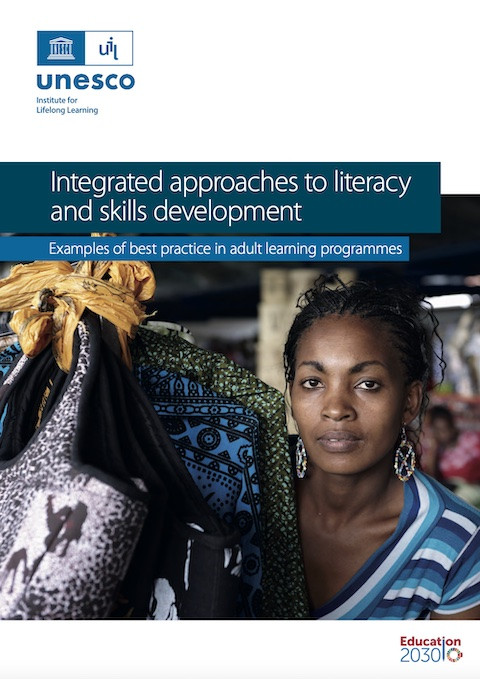 Integrated Approaches to Literacy and Skills Development: Examples of Best Practice in Adult Learning Programmes Year of publication: 2021 Corporate author: UNESCO Institute for Lifelong Learning (UIL) Since the first coronavirus case was reported to the World Health Organization in December 2019, millions of youth and adults around the globe – especially those with low literacy skills – have faced increased challenges to securing meaningful work and safeguarding their livelihoods. A more integrated approach to youth and adult learning and education, combining basic literacy, vocational and life skills, is needed now more than ever.This publication showcases selected examples of integrated youth and adult learning and education programmes featured in the UNESCO Effective Literacy and Numeracy Practices Database, also known as LitBase. Implemented in various social, cultural and economic contexts around the world, the programmes featured herein reveal not only the transformative potential that enhancing the quality of youth and adult learning and education can have, but also lay bare the hurdles and potential pathways to consider when planning effective integrated programmes.Integrated approaches to literacy and skills development: Examples of Best Practice in Adult Learning Programmes is useful not only for policy-makers, providers and educators who plan to implement integrated adult education programmes but also for those trying to help the most vulnerable groups reach their highest potential.
 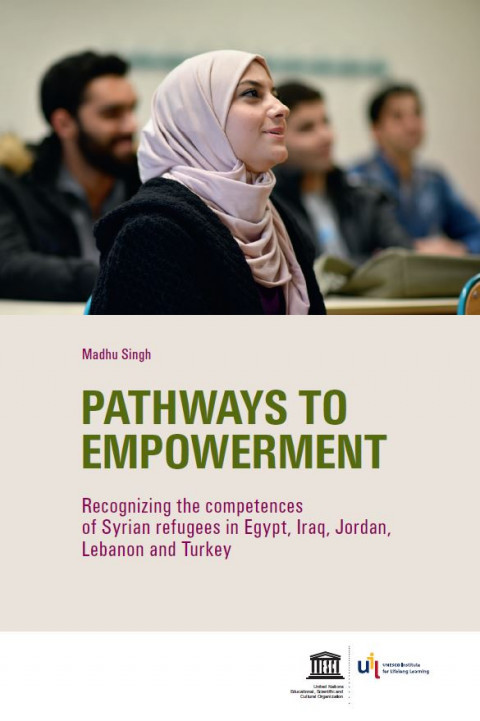 Pathways to Empowerment: Recognizing the Competences of Syrian Refugees in Egypt, Iraq, Jordan, Lebanon and Turkey Year of publication: 2018 Author: Madhu Singh Corporate author: UNESCO Institute for Lifelong Learning (UIL) For Syrian refugees living in Egypt, Iraq, Jordan, Lebanon and Turkey, recognition is a transformative mechanism that can help them enter or re-enter education, integrate into the world of work and participate fully in their host communities. However, while policy-makers in the region have prioritized the recognition, validation and accreditation of non-formal and informal learning, it remains a major challenge to develop systems that do this effectively. Pathways to Empowerment lays the essential groundwork for such a system, urging governments to develop comprehensive national strategies rather than ad hoc projects to recognize the competences of Syrian refugees. Its recommendations will contribute to dialogue between national authorities and social partners, and guide policy actions and RVA practices both in the region and in other parts of the world where recognition of refugees’ learning is a critical issue.
  ESD Implementation in Learning Cities Year of publication: 2021 Corporate author: UNESCO Institute for Lifelong Learning (UIL) This publication aims to share the best practice cases from nine cities on ESD implementation (policy and practice) following a lifelong learning approach. These cases showcase innovative local initiatives that have embedded ESD into lifelong learning systems through policy/ strategy development or project implementation, focusing on the following priority areas of action and local activities laid down in the ESD for 2030 roadmap: Local policy/strategy development on ESD: The development of an action plan that determines how the community as a whole can become a learning laboratory for sustainable development. Capacity-building for educators and local authorities: Lifelong learning initiatives for systematic and comprehensive ESD capacity development for educators in the formal and non-formal education sectors, and for local government officials. Efforts to foster engagement with local communities, including: • formal education institutions’ engagement with local communities for the promotion of ESD; • non-formal education institutions (e.g. community learning centres) serving as a hub for lifelong learning on ESD in their communities. Empowerment and mobilization of youth: Lifelong learning initiatives for ESD that focus on young people. Innovative use of local spaces for ESD: Designated areas or spaces that inspire learning and host projects that promote sustainability. In addition to the five priority areas listed above, the case studies share one cross-cutting theme: • Multi-stakeholder approach: How people from different walks of life or professional sectors come together to contribute to local ESD initiatives at either the policy or the project level.
 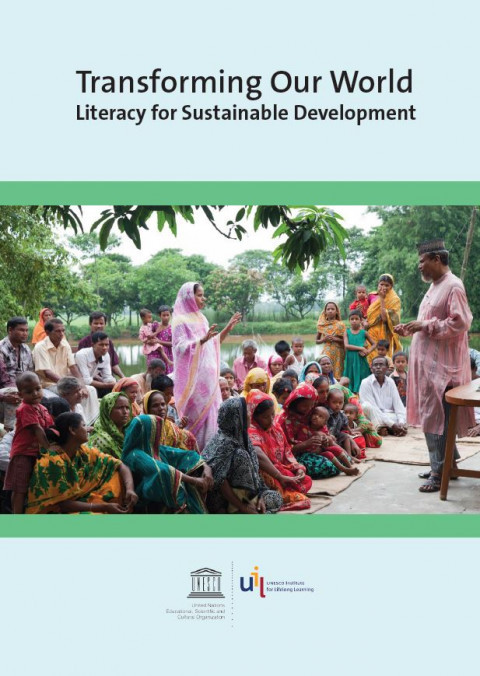 Transforming our world: literacy for sustainable development Year of publication: 2015 Author: Ulrike Hanemann | Cassandra Scarpino Corporate author: UNESCO Institute for Lifelong Learning (UIL) This compilation offers global examples of innovative and promising literacy and numeracy programmes that link the teaching and learning of literacy to sustainable development challenges such as health, social equality, economic empowerment and environmental sustainability. This publication is a timely contribution to the 2030 Agenda for Sustainable Development, which promotes the engagement of stakeholders to ‘ensure inclusive and equitable quality education and promote lifelong learning opportunities for all.’ Transformer notre monde: l'alphabétisation au service du développement durable Year of publication: 2015 Author: Ulrike Hanemann | Cassandra Scarpino Corporate author: Institut de l’UNESCO pour l’apprentissage tout au long de la vie (UIL) This compilation offers global examples of innovative and promising literacy and numeracy programmes that link the teaching and learning of literacy to sustainable development challenges such as health, social equality, economic empowerment and environmental sustainability. This publication is a timely contribution to the 2030 Agenda for Sustainable Development, which promotes the engagement of stakeholders to ‘ensure inclusive and equitable quality education and promote lifelong learning opportunities for all.’
  Trends in Adult Learning and Education in the Arab States: Findings from the Fourth Global Report on Adult Learning and Education Year of publication: 2020 Corporate author: UNESCO Institute for Lifelong Learning (UIL) This report reveals that adult learning and education in the region is strongly focused on literacy, with less attention given to other areas of adult learning, such as continuing education and professional development, and citizenship education. This suggests that, while further progress is needed in achieving basic education for all, the other dimensions of adult learning need to be given adequate attention to ensure provision that is comprehensive and relevant to the diverse needs of adult and youth learners. Furthermore, the report suggests that good governance, supportive political will and adequate funding are key to fully realizing the potential of adult learning and education for economic, social, technological, and societal transformation. It is hoped that this report can provide some benchmarks and be a source of inspiration for policy-makers and stakeholders in Arab countries to further enhance the provision, quality and relevance of adult learning and education in order to build a sustainable and resilient future. الكبار وتعليمهم يف الدول العربية : اتجاهات يف تعل َصة من التقرير العاملي نتائج مستخل الرابع بشأن تعلم الكبار وتعليمهم Year of publication: 2020 Corporate author: UNESCO Institute for Lifelong Learning (UIL) يكشف التقرير أن تركيز دول المنطقة ّ العربية ينصب ّ في المقام األو ّ ل على مجال »القرائية/محو األمية والمهارات األساسية« ، في حين تحظى مجاالت أخرى ذات صلة، مثل »التعليم المستمر والتطوير المهني«، و« تعليم المواطنة«، بدرجة أقل من االهتمام. لذلك، ومع وجود حاجة إلى إحراز ّق بتوفير التعليم األساسي للجميع ّ مزيد من التقدم فيما يتعل ّصلة ، يظلّ من الضروري إيالء اهتمام أكبر لألبعاد األخرى المت ّم الكبار وتعليمهم، بما يضمن توفير التعليم على نحو شامل بتعل ّمين من الكبار والشباب. ّ ومالئم لالحتياجات المتنوعة للمتعل ّ عالوة على ذلك، يشير التقرير إلى أن الحوكمة الرشيدة واإلرادة ّ السياسية الداعمة والتمويل الكافي تشكل عوامل أساسية لضمان ّم الكبار وتعليمهم االستفادة الكاملة من اإلمكانات التي يتيحها تعل ّ لتعزيز التحول االقتصادي واالجتماعي والتكنولوجي والمجتمعي المنشود. وأخيرا، أملنا أن يوفّر هذا التقرير بعض النقاط المرجعية وأن ّ يشكل مصدر إلهام لصانعي السياسات ولجميع الجهات المعنية ّم الكبار وتعليمهم من حيث توفير البرامج وضمان الجودة وتحقيق ّ في البلدان العربية، من أجل المضي قدما في تعزيز تعل ُه االستدامة ُ ِ سهم في بناء مستقبل أفضل سمت ّ الجدوى، مما ي والقدرة على الصمود