
Resources
Explore a wide range of valuable resources on GCED to deepen your understanding and enhance your research, advocacy, teaching, and learning.
3,380 Results found
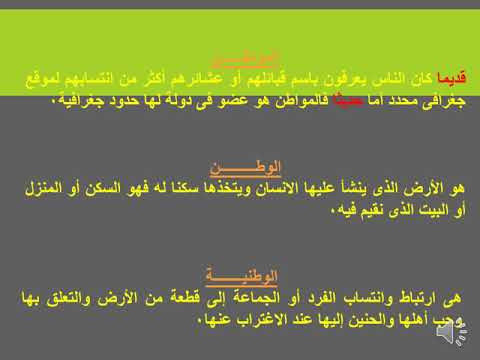 Citizenship Lesson: Social and National Education Year of publication: 2020 Author: Rima Kharis Corporate author: Modern American School The video talks about the first lesson of Social and National Education for the fifth grade at the Modern American School. The lesson focuses on good citizenship and the rights and duties of citizens. The lesson begins with the main concepts of citizenship and progresses to explaining rights and duties.
  العنف المدرسيّ في التعليم العربيّ: أسبابه، طرق الوقاية والعلاج Year of publication: 2012 Author: Khalid Abu Asaba Corporate author: Palestinian Center for Israeli Studies يستعرض الكاتب في هذا المقال قضية العنف المدرسيّ في التعليم العربي. ويتطرق لأهم الأسباب، وطرق الوقاية والعلاج. كما يناقش المقال بعض العوامل التي تشير لتعرض الطلاب للعنف المدرسي. School Violence in Arab Education: Its Causes, Prevention and Treatment Methods Year of publication: 2012 Author: Khalid Abu Asaba Corporate author: Palestinian Center for Israeli Studies In this article, the author reviews the issue of school violence in Arab education. It deals with the most important causes, methods of prevention and treatment. The article also discusses some of the factors that indicate students' exposure to school violence.
  اللاجئون والنازحون والتعليم: تحديات جديدة تقف في وجه التنمية والسياسات Year of publication: 2016 Corporate author: Network for International Policies and Cooperation in Education and Training (NORRAG) يلفت هذا العدد من أخبار NORRAG الانتباه إلى العديد من الأبعاد المختلفة للاجئين والنازحين والتعليم. لا ينصب التركيز على الهجرة الاقتصادية أو على الهجرة من أجل التعليم العالي في حد ذاته ، بل على ما يسميه المنتدى الاقتصادي العالمي "الهجرة غير الطوعية" وعلاقاتها بالتعليم. Refugees, Displaced Persons and Education: New Challenges for Development and Policy Year of publication: 2016 Corporate author: Network for International Policies and Cooperation in Education and Training (NORRAG) This issue of NORRAG News (NN) draws att ention to many diff erent dimensions of refugees, displaced persons and education, but it is not focused on economic migration or on migration for higher education per se, but on what the WEF calls ‘involuntary migration’ and its connections with education.
 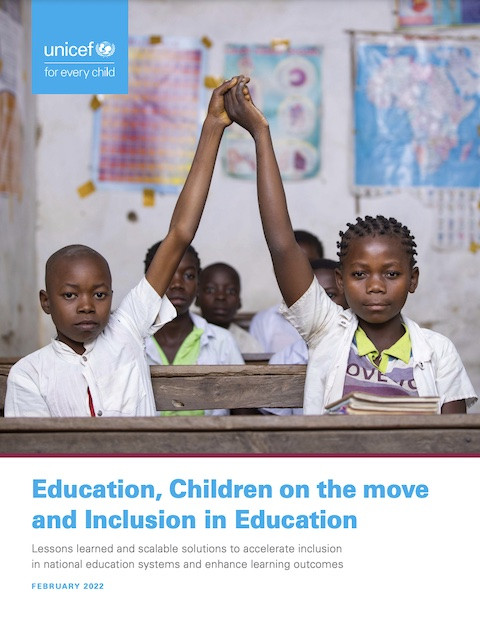 Education, Children on the Move and Inclusion in Education: Lessons Learned and Scalable Solutions to Accelerate Inclusion in National Education Systems and Enhance Learning Outcomes Year of publication: 2022 Author: Neven Knezevic | Katherine Curtiss | Eric Gero Corporate author: United Nations Children's Fund (UNICEF) This report summarizes how UNICEF and its partners have contributed to the creation of education solutions that support the skills development and educational attainment of children on the move in countries and regions across the world. Country case studies highlighting best practices from 19 countries and the East African and Sahel regions showcase UNICEF’s work with country governments on issues such as the inclusion of refugees in national education systems and improving relations between refugee children, their families, and their host communities.
  Digital Learning for Every Child: Closing the Gaps for an Inclusive and Prosperous Future Year of publication: 2021 Author: Matt Brossard | Marta Carnelli | Stephane Chaudron | Rosanna Di-Gioia | Thomas Dreesen | Daniel Kardefelt-Winther | Céline Little | Jean Luc Yameogo Corporate author: United Nations Children's Fund (UNICEF) Pre-COVID-19, half of the world’s children were already unable to read a simple text by the age of 10. School closures have deepened pre-existing learning disparities, within and among countries, due to inequities in access to technology. This brief summarises research findings and provides actionable recommendations for how to equitably scale up digital learning and provide children and young people with the skills to improve their prospects and safeguard their well-being. It pinpoints solutions for education systems’ use of digital and blended learning anchored in a sound pedagogical approach and urges the G20 and other countries to overcome the barriers that limit the potential benefits of digital learning.
  The Global Youth: Journey to Act! Year of publication: 2021 Author: Valerie Duffy | Leo Gilmartin | Dermot O’Brien | Valery Molay Corporate author: National Youth Council of Ireland (NYCI) This resource is designed to make it as easy as possible for you to look at the big issues with your group. No matter if you are short on time, or don’t feel you have enough knowledge – there is something in here for you! Broken into 4 stages, the resource include all the knowledge, skills and guided activities for you to use with and for young people, using non-formal development education methodologies: Connect with the ‘self’ Meeting young people where they are at Seeing and claiming our global identity Collective action
  How to Create Change at the Local Level: Future Generations; Climate Justice Project Year of publication: 2022 Author: Eimear Manning | Valerie Duffy | Valery Molay Corporate author: National Youth Council of Ireland (NYCI) This resource aims to support young people’s understanding of how they can create meaningful change at the local level, particularly with regards to climate change and climate justice.
  Flexible Strategies for Ensuring Quality Learning Outcomes in Education in Emergencies: NEQMAP 2021 Thematic Review Year of publication: 2021 Author: Pina Tarricone | Ian Teo | Kemran Mestan | Kris Sundarsagar | Ashtamurthy Killimangalam | Nordin Abd Razak Corporate author: UNESCO Bangkok The COVID-19 pandemic has interrupted schooling for students globally and challenged how policy-makers might respond and recover from this protracted emergency. In collaboration with NEQMAP, the GEM Centre has conducted a rapid review of policy and practice documents for 14 countries, and an online survey with policy-makers in 7 of them to identify the types of flexible learning strategies that were implemented over the course of this pandemic. An education in emergencies Policy Monitoring Framework was used both to guide the analysis of documents and survey data, and to provide the basis for reporting findings.