
Resources
Explore a wide range of valuable resources on GCED to deepen your understanding and enhance your research, advocacy, teaching, and learning.
3,441 Results found
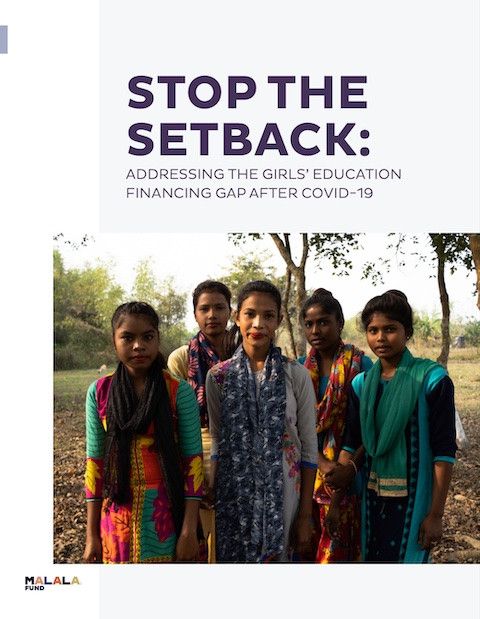 Stop the Setback: Addressing the Girls’ Education Financing Gap After COVID-19 Year of publication: 2021 Corporate author: Malala Fund Decades of research show that investing in girls’ education is one of the best investments we can make in the future peace, prosperity and sustainability of our planet. By taking the steps for girls’ education outlined in this report, leaders can build a better world in the pandemic’s wake — not just for girls, but for everyone.
 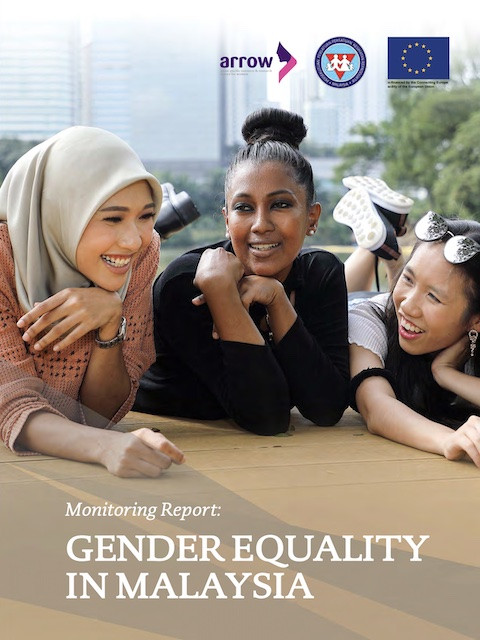 Monitoring Report: Gender Equality in Malaysia Year of publication: 2020 Author: Tan Beng Hui Corporate author: Asian-Pacific Resource & Research Centre for Women (ARROW) | Federation of Reproductive Health Associations, Malaysia (FRHAM) The Asian-Pacific Resource and Research Centre for Women (ARROW), together with the Federation of Reproductive Health Associations Malaysia (FRHAM) and Justice For Sisters (JFS) organised the Gender Equality Initiative, a project aimed to monitor and support the Malaysian government to implement their commitment towards the Convention on the Elimination of All Forms of Discrimination Against Women (CEDAW) and the Universal Periodic Review (UPR). This two-year project is funded by the European Union, dedicated to working with stakeholders, in particular governmental bodies, civil society organisations, media, women and young girls in Perak, Terengganu and at the national level.In the third UPR Cycle, Malaysia has received several recommendations on gender equality, sexual and reproductive health, access to comprehensive sexuality education and protection of women and girls from violence. Malaysia is urged to accede to relevant Optional Protocols and withdraw reservations to the Convention which hinder the rights of women and girls in Malaysia. As a result, FRHAM was commissioned to conduct a research on the Baseline Monitoring Report containing four thematic areas, namely, a) ending all forms of discrimination against women and girls; (b) eliminating violence against women and girls; (c) eliminating harmful practices against women and girls; and (d) ensuring universal access to SRHR.
 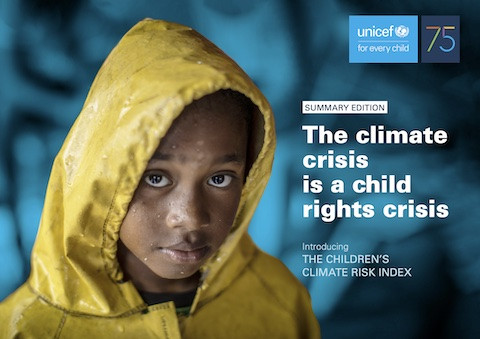 [الإصدار المختصر] أزمة المناخ أزمة في حقوق الأطفال: تبنـي مؤشـر مخاطر المنـاخ علـى الأطفال Year of publication: 2021 Author: Nicholas Rees | Margaretha Barkhof | Jan Burdziej | Sophie Lee | Harriet Riley Corporate author: United Nations Children's Fund (UNICEF) تعتبر أزمة المناخ أزمة في حقوق الأطفال. فموجات الحر وحرائق الغابات والفيضانات التي سجلت مستويات قياسية في الفترة الأخيرة في العديد من البلدان تنذر بنشوء "واقع جديد" صعب. آثار تغير المناخ واضحة. وكذلك حلوله. ومن غير المعقول أن يواجه أطفال وشباب اليوم مستقب ًلا غامضًا.ًفي جميع أنحاء العالم، يرفع الأطفال والشباب صوتهم عالياوبوضوح، مطالبين بالتغيير من خلال الاحتجاجات ونشاط وسائل التواصل الاجتماعي والمشاركة المجتمعية والمدنية. والطرق القديمة لإنجاز الأشياء ليست جيدة بما فيه الكفاية. يقدم هذا التقرير أول نظرة شاملة عن تعرض الأطفال لتأثيرات تغير المناخ وضعفهم في مواجهتها، من خلال مؤشر مخاطر المناخ على الأطفال. [Summary] The Climate Crisis Is a Child Rights Crisis: Introducing the Children’s Climate Risk Index Year of publication: 2021 Author: Nicholas Rees | Margaretha Barkhof | Jan Burdziej | Sophie Lee | Harriet Riley Corporate author: United Nations Children's Fund (UNICEF) The climate crisis is a child rights crisis. Recent record heat waves, wildfires and flooding in many countries portend a challenging ‘new normal’. The impacts of climate change are clear. So are the solutions. It is unconscionable that today’s children and young people face an uncertain future.Around the world, through protests, social media activity and community and civic engagement, children and young people are loud and clearin demanding change. The old ways of doing things are not good enough.This report provides the first comprehensive view of children’s exposure and vulnerability to the impacts of climate change through the Children’s Climate Risk Index (CCRI). [Resumen] La crisis climática es una crisis de los derechos de la infancia: Presentación del Índice de Riesgo Climático de la Infancia Year of publication: 2021 Author: Nicholas Rees | Margaretha Barkhof | Jan Burdziej | Sophie Lee | Harriet Riley Corporate author: United Nations Children's Fund (UNICEF) La crisis climática es una crisis de los derechos de la infancia. El carácter extremo de las olas de calor, los incendios forestales y las inundaciones que hemos presenciado recientemente en muchos países son el presagio de una adversa “nueva normalidad”. Los efectos del cambio climático son evidentes. Pero también lo son las soluciones. Es inconcebible que los niños y jóvenes de hoy se enfrenten a un futuro incierto. En todo el mundo, con sus protestas, su actividad en las redes sociales y su compromiso comunitario y cívico, son numerosos los niños y los jóvenes que exigen un cambio en voz alta y con claridad. La forma tradicional de hacer las cosas no sirve de mucho. Este informe ofrece la primera panorámica integral de la exposición y vulnerabilidad de los niños a los efectos del cambio climático a través del Índice de Riesgo Climático de la Infancia (IRCI).
 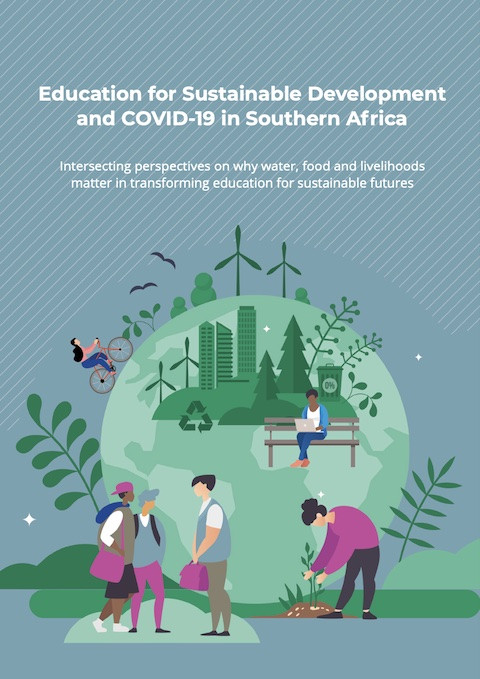 Education for Sustainable Development and COVID-19 in Southern Africa: Intersecting Perspectives on Why Water, Food and Livelihoods Matter in Transforming Education for Sustainable Futures Year of publication: 2021 Author: Heila Lotz-Sisitka | Injairu Kulundu | Rachel Neville | Anna James | Ayanda Buhlebenkosi Moyo | Esthery Kunkwenzu | Domingos Carlos Mirione | Gibson Mphepo | Kgosietsile Velempini | Lwanda Maqwelane | Phila Dyantyi | Rutendo Mushishi | Selemani Abdul Makwita | Yeukai Musariri | Zenani Mhlanga Corporate author: JET Education Services | Rhodes University The main question of this book is ‘What can we learn from this intersecting crisis for transforming education for sustainable futures in southern African countries’.The research process will generate a few additional questions including, but not limited to:Can stronger school-community-government partnerships help to reduce risks and challenges such as those being faced now under the COVID-19 crisis?What can our governments do better?What can communities and parents do?What can educators and learners do?What systems need to be generated to ensure an alternative, transformed future and what is the role of education in this story?
 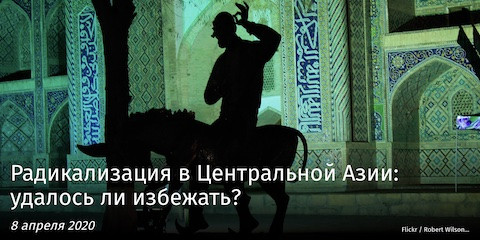 Radicalization in Central Asia: Have We Managed to Avoid It? Year of publication: 2020 Author: Milan Lazovic Corporate author: Russian International Affairs Council Central Asia is a very multifaceted, multi-ethnic, multi-confessional region, where many cultures, national traditions and ways of life intersect, united by a common factor - religious. The authors of the chapter on the role of religion in Central Asia in the book "Religion, Conflict, and Stability in the Former Soviet Union", prepared by the analytical center "RAND Corporation", touched upon a very important, significant and influential topic on the region. Experts note that, despite the success of Central Asia's attempts to avoid large-scale radicalization, there is a risk of its expansion today. Радикализация в Центральной Азии: удалось ли избежать? Year of publication: 2020 Author: Milan Lazovic Corporate author: Russian International Affairs Council Центральная Азия представляет собой весьма многогранный, полиэтнический, многоконфессиональный регион, где пересекаются множество культур, национальных традиций и укладов, объединенных общим фактором — религиозным. Авторы главы о роли религии в Центральной Азии в книге «Religion, Conflict, and Stability in the Former Soviet Union», подготовленной аналитическим центром «RAND Corporation», затронули весьма важную, значимую и имеющую широкое влияние на регион, тему. Специалисты отмечают, что, несмотря на успех попыток Центральной Азии избежать масштабной радикализации, риск ее расширения в наши дни существует.
  دراسة تحليلية لقيم المواطنة المتضمنة في كتاب المواطنة وحقوق الانسان للصف الثاني الثانوي Year of publication: 2016 Author: Maisaa Hamza Corporate author: Association of Arab Educators استهدفت الدراسة التعرف على قيم المواطنة السياسية والاجتماعية والإقتصادية المتضمنة بکتاب المواطنة وحقوق الإنسان للصف الثانى الثانوى 2014/2015 ، وکذلک وضع تصور مقترح لتضمين قيم المواطنة اللازمة لطلاب المرحلة الثانوية، وقد أعدت الباحثة استمارة تحليل لمحتوى الکتاب فى ضوء أبعاد المواطنة الثلاثة، وتوصلت الدراسة إلى اهتمام وترکيز الکتاب على القيم السياسية والإجتماعية للمواطنة، وإهمال القيم الإقتصادية، حيث بلغت نسبة انتشار القيم السياسية (54.7%) من إجمالى قيم المواطنة بالکتاب ، بينما بلغت نسبة انتشار القيم الإجتماعية (40.8%)، أما القيم الإقتصادية فقد بلغت نسبة انتشارها (4.39%). و تعد قيمة الإنتماء أکثر القيم انتشاراً بالنسبة للبعد السياسى للمواطنة ،حيث بلغت نسبتها (23.69%) يليها قيمة الإعتزاز بالهوية الوطنية بنسبة(23.29%)، کما تعد قيمة التسامح أکثر القيم انتشاراً بالنسبة للبعد الإجتماعى للمواطنة، حيث بلغت نسبتها (32.79%) يليها العمل التطوعى بنسبة (30.10%)،أما قيمة احترام العمل فکانت أکثر القيم انتشاراً بالنسبة للبعد الإقتصادى للمواطنة، حيث بلغت نسبتها (50 %) يليها المحافظة على الممتلکات العامة والخاصة بنسبة(35 %) ، ثم استغلال الوقت بنسبة (15 %) ، بينما أغفل الکتاب قيمة ترشيد الاستهلاک. An Analytical Study of the Values of Citizenship Involved in the Book of Citizenship and Human Rights for Second Year Secondary Year of publication: 2016 Author: Maisaa Hamza Corporate author: Association of Arab Educators The study aimed to identify the political, social and economic citizenship values included in the book of citizenship and human rights for second year secondary 2014/2015.It also aimed at suggesting a proposal to include the citizenship values required for secondary school students, The researcher conducted content analysis of the book in the light of the three dimensions of citizenship. the study revealed that. The focus and attention of the book is mainly on the political values (54.7%) and social values(40.8%) of citizenship.However It extremely ignored economic values(4.39%), The value of “belonging “is the most common value in The Dimension of the political citizenship, which represented (23.69%), followed by the value of “Being Proud at national identity” (23.29%), It also revealed that The value of “Tolerance” is the most common value in The Dimension of the social citizenship, which represented(32.79%), followed by the value of “Voluntary work”(30.10%), finally The value of “Respect Work “is the most common value in The Dimension of the economic citizenship, which represented(50%), followed by the value of “Province on Public and Private Property”(35%), and then the value of “Use The Time”(15%), while the book ignored the value of “Rationalize Consumption”.