
Resources
Explore a wide range of valuable resources on GCED to deepen your understanding and enhance your research, advocacy, teaching, and learning.
518 Results found
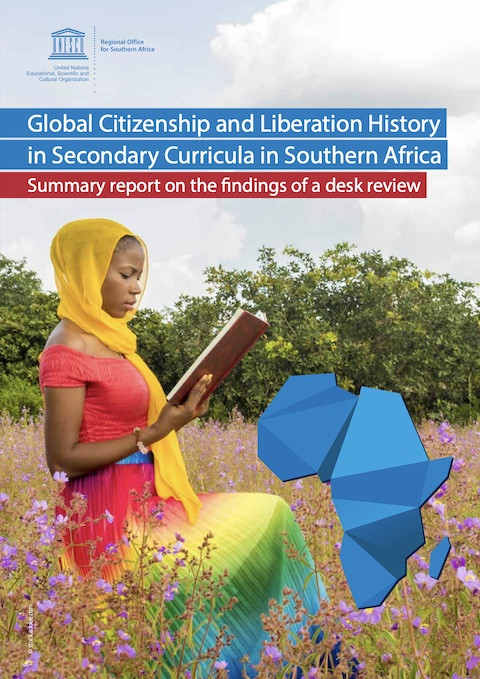 Global Citizenship and Liberation History in Secondary Curricula in Southern Africa: Summary Report on the Findings of a Desk Review Year of publication: 2021 Corporate author: UNESCO Harare This report presents key findings of a desk study on the extent of integration of Global Citizenship Education (GCED) and Southern Africa Liberation History (SALH) educationin the secondary schools curricula in Angola, Democratic Republic of Congo, Eswatini, Lesotho, Malawi, Mauritius, Mozambique, Namibia, South Africa, Seychelles, United Republic of Tanzania, Zambia and Zimbabwe. Citoyenneté mondiale et histoire de la libération dans les programmes des établissements secondaires en Afrique australe: Rapport de synthèse sur les résultats d'une étude documentaire Year of publication: 2021 Corporate author: UNESCO Harare This report presents key findings of a desk study on the extent of integration of Global Citizenship Education (GCED) and Southern Africa Liberation History (SALH) educationin the secondary schools curricula in Angola, Democratic Republic of Congo, Eswatini, Lesotho, Malawi, Mauritius, Mozambique, Namibia, South Africa, Seychelles, United Republic of Tanzania, Zambia and Zimbabwe.
 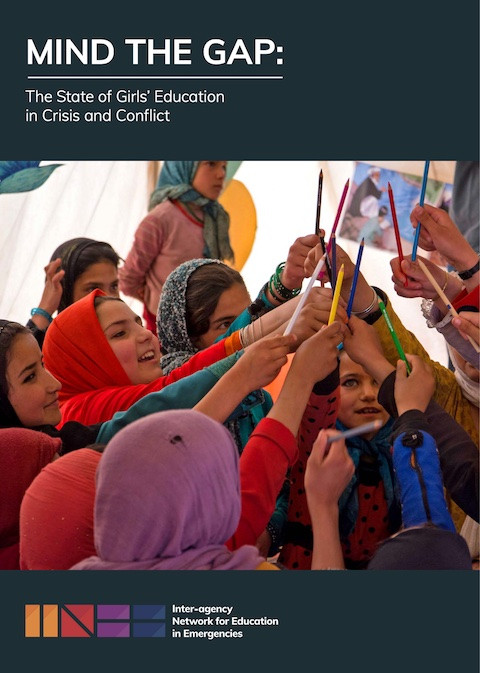 Mind the Gap: The State of Girls’ Education in Crisis and Conflict Year of publication: 2021 Corporate author: Inter-agency Network for Education in Emergencies (INEE) This report summarizes progress, gaps, challenges and opportunities in improving education and training for girls and women affected by conflict and crisis. The report aims to support the Charlevoix Declaration on Quality Education’s commitment to enhance the evidence base and monitor progress toward gender-equitable education in crises. The report draws from data on 44 crisis-affected countries, from recent research, and from a set of case studies of interventions in a range of crisis-affected contexts.
 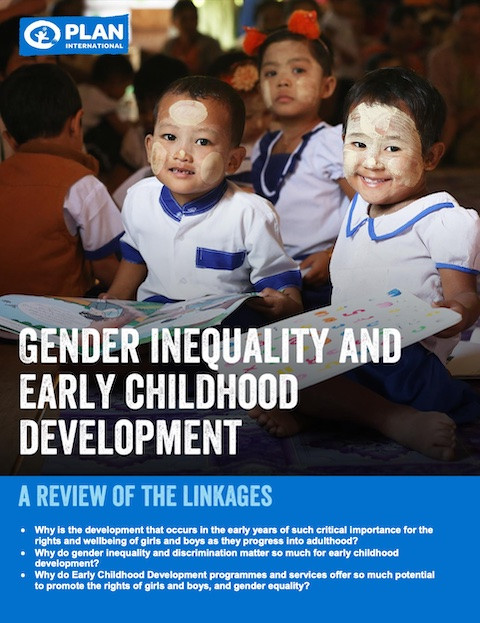 Gender Inequality and Early Childhood Development: A Review of the Linkages Year of publication: 2017 Corporate author: Plan International This paper aims to respond to the fact that Early Childhood Development initiatives and programmes, both internal and external, often appear to give limited attention to gender inequality and discrimination. Furthermore, initiatives to promote girls’ rights and gender equality often pay little attention to early childhood, instead focusing on older girls and adolescents.
 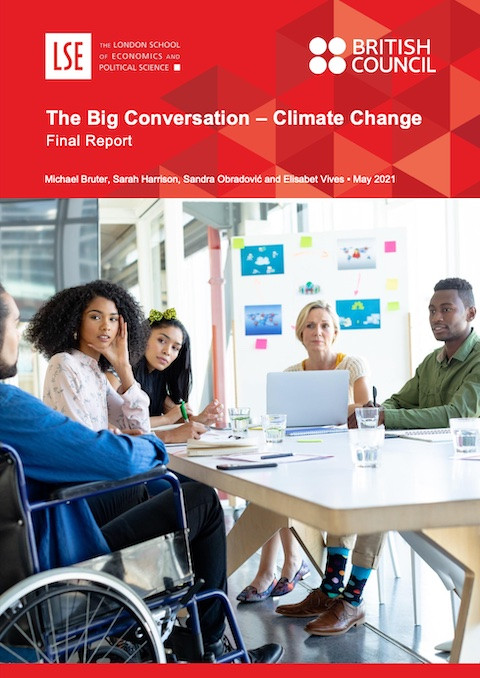 The Big Conversation: Climate Change; Final Report Year of publication: 2021 Author: Michael Bruter | Sarah Harrison | Sandra Obradović | Elisabet Vives Corporate author: British Council | London School of Economics and Political Science This research draws on experience from the field of international cultural relations as well as the latest academic research on values, behaviours and norms to understand more about how we can create the conditions for co-operation on shared global challenges.It delivers new insight on values and attitudes towards climate change among the populations of China, India, Japan and Mexico – selected to represent a diverse range of major world economies who are also important players in the global climate change debate.The research also draws on the experience of international cultural relations experts to provide new insight on how to strengthen international cooperation on climate change and the important role that cultural relations can play in supporting that.
  Gender-Responsive Education: Toolkit for Teachers, Teacher Educators, School Managers and Curriculum Developers in Africa Year of publication: 2020 Author: Dawit Mekonnen | Haregewoin Cherine Corporate author: UNESCO International Institute for Capacity-Building in Africa (IICBA) This GRE Toolkit is intended to address gender equality in education through intervention across the whole education sector. More specifically, the toolkit contributes to the enhancement of institutional capacities to develop gender responsive curricula, evaluate teaching-learning materials, organize/create gender responsive classroom interaction, eliminate stereotypes in teaching and learning materials, support improvement of the teaching methods and learning assessment techniques in schools and Teacher Training Institutes.The Toolkit is a guide for educators who plan to facilitate gender-responsive education. As such it consists of activities, tools and notes to the facilitators in addition to presenting conceptual discussions and relevant data.
 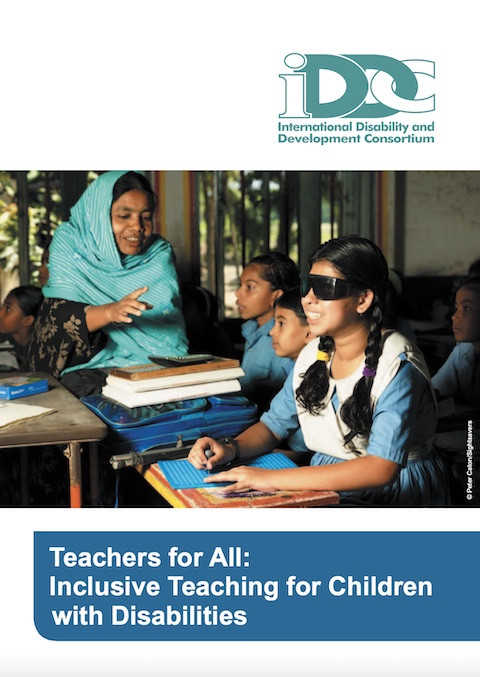 Teachers for All: Inclusive Teaching for Children With Disabilities Year of publication: 2013 Author: Ingrid Lewis | Sunit Bagree Corporate author: International Disability and Development Consortium (IDDC) Globally we need more well-trained and motivated teachers.Good teachers can help ensure that every child learns to their full potential from an early age and enters adult life well-equipped to be active citizens and support the development of their community and country. Many countries do not have enough teachers, let alone enough teachers who have received sufficiently high quality pre- and in-service training and access to continuing professional development. This paper first provides detail about the context and scale of the challenge. It then outlines five broad issues that need addressing if we are to prepare, recruit and support enough teachers, with appropriate skills, to educate every child – including those with disabilities.
 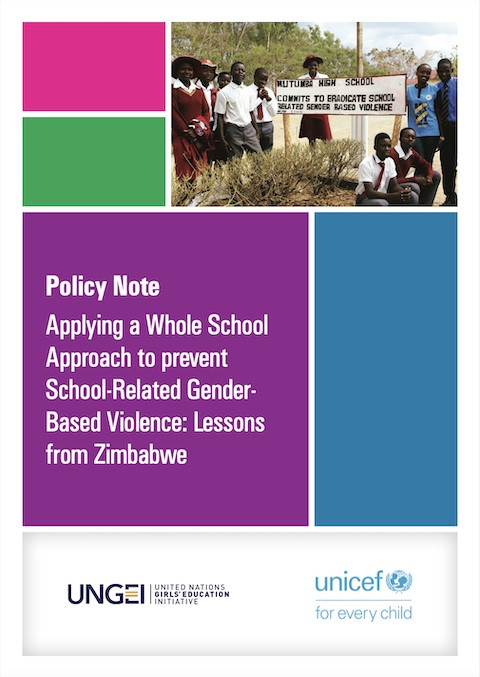 Applying a Whole School Approach to Prevent School-Related Gender-Based Violence: Lessons From Zimbabwe Year of publication: 2021 Corporate author: United Nations Girls' Education Initiative (UNGEI) In 2018, the United Nations Girls’ Education Initiative (UNGEI) along with the Forum for African Women Educationalists Zimbabwe Chapter (FAWEZI), with support from UNICEF, launched a pilot initiative to test whether and how the eight domains and minimum standards can be operationalized in schools. Miske Witt & Associates (MWAI), a technical partner in the initiative, supported FAWEZI to design and monitor interventions aligned to the minimum standards. The pilot was implemented in ten schools (five primary and five secondary) across two districts in Zimbabwe.Implemented over the period October 2018 – December 2020, including during the COVID-19 lockdown, this policy note briefly describes the pilot, highlights what worked and lessons and recommendations for policy action. The target audience for this policy note are education practitioners, policymakers, researchers and donors.
 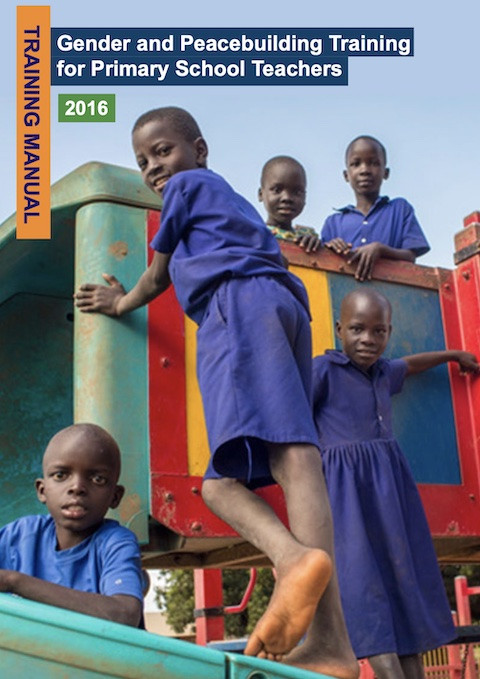 Gender and Peacebuilding Training for Primary School Teachers: Training Manual Year of publication: 2016 Corporate author: United Nations Children's Fund (UNICEF) The Gender and Peacebuilding training material is intended to be used for teachers teaching in primary or secondary school. It is shaped by a participatory approach. This is because the discussion of gender and conflict issues requires participants to sit back and reflect on their diverse experiences and knowledge. The training encourages the participants to learn from one another by sharing their thoughts, discussing their views and concerns, analysing situations and, most importantly, questioning attitudes and behaviours.
 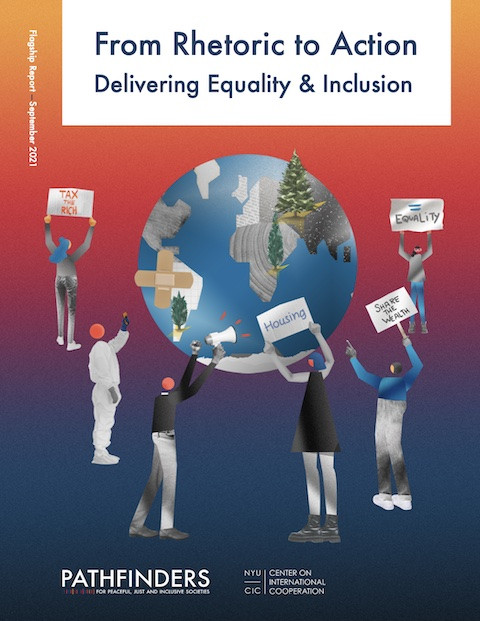 From Rhetoric to Action: Delivering Equality & Inclusion Year of publication: 2021 Author: Faiza Shaheen | Alexander Bossakov | Avner Cohen | Amanda Lenhardt | Nendirmwa Noel | Paula Sevilla Núñez | Paul von Chamier Corporate author: Pathfinders for Peaceful, Just and Inclusive Societies, NYU. Center on International Cooperation This flagship report of the Pathfinders Grand Challenge on Inequality and Exclusion is about the solutions that will deliver equality and inclusion.The report constructs a bridge between the rhetoric of “build back better” and action: a bridge between promise and progress. It underlines the need for renewed social contracts between citizens, civil society, the private sector, and governments, as well as between high and low- and middle-income countries. These social contracts must be built to serve future generations, to guard against climate breakdown and pandemics while delivering respect, opportunity, and justice for all.This report should serve as a practical handbook for policymakers and influencers; as a source of possibility for the public; and, as a call to all political leaders to act.