
Resources
Explore a wide range of valuable resources on GCED to deepen your understanding and enhance your research, advocacy, teaching, and learning.
1,727 Results found
 Global education in Lithuania: challenges and opportunities Year of publication: 2014 Author: Indrė Augutienė | Zina Baltrėnienė Corporate author: Lithuanian Development Education and Cooperation Network of Non-governmental Institutions (Association LITDEA) | Lithuanian National Non-Governmental Development Cooperation Organisations‘ Platform (NGDO Platform) The publication has been produced implementing the project ‘‘Quality Partnership for Development-EU Presidency project for the Lithuanian EU Presidency, 2013“ (no. DCINSA ED/2013/319-124). Today we live in a constantly changing world which is bound by the spirit of relations between people, countries and cultures and which presents various challenges and opportunities. Every day we have to solve numerous economic, social and environmental issues connecting us with other countries, their cultures and citizens and providing an opportunity for all of us to become part of a global society.In order to accept the opportunities provided by the globalisation processes and cope with the emerging challenges it is necessary to create the conditions for people to acquire the knowledge on global realities, emerging global development problems and to relate them with their own life. It is also important to provide the opportunities for people to acquire the skills and enhance own values facilitating active global citizenship and responsibility. Global problems increasingly impact on the lives of everybody throughout the world, therefore we must realise that we are part of the world with the still prevailing poverty, social inequality, climate change and global warming problems. In the current society it is especially important to ensure that different forms of education enhance people‘s understanding about the above challenges and their impact on personal, communal, national and global development.Global Education is directed toward formation and development of people‘s skills, knowledge and values facilitating understanding and response to the challenges of the 21st century. So far the concept of Global Education was not validated in any national documents. Today non-governmental organisations are actively discussing this issue with the academic society and with the Ministries of Foreign Affairs/and Education and Science representing the state in the above area. Besides, Lithuania has not developed a uniform Global Education strategy yet, but the dimension of Global Education is included in several specific national policy documents. In view of this, this article reviews the prerequisites for integration of global education set forth in the main legal acts defining Lithuania‘s sustainable development, development cooperation and education. This document provides a review of the Global Education concept, prerequisites for its implementation and description of the current situation in Lithuania. It also includes the proposals for a successful development of Global Education activities in our country. Éducation globalein Lithuania: challenges and opportunities Year of publication: 2014 Author: Indrė Augutienė | Zina Baltrėnienė Corporate author: Lithuanian Development Education and Cooperation Network of Non-governmental Institutions (Association LITDEA) | Lithuanian National Non-Governmental Development Cooperation Organisations‘ Platform (NGDO Platform) La publication a été réalisée la mise en œuvre du projet « Partenariat Qualité pour le projet de développement de l'UE Présidence de la présidence lituanienne de l'UE, 2013 »(no. DCINSA ED / 2013 / 319-124). Aujourd'hui, nous vivons dans un monde en constante évolution qui est lié par l'esprit des relations entre les peuples, les pays et les cultures, et qui présente divers défis et opportunités. Chaque jour, nous devons résoudre de nombreux problèmes économiques, sociaux et environnementaux qui nous relie avec d'autres pays, leurs cultures et leurs citoyens et de fournir une occasion pour nous tous de faire partie d'une société mondiale. Pour acept les possibilités offertes par les processus de mondialisation et faire face aux nouveaux défis, il est nécessaire de créer les conditions pour les gens à acquérir les connaissances sur les réalités mondiales, les problèmes de développement mondiaux émergents et à les relier à leur propre vie. Il est également important de fournir les possibilités pour les personnes à acquérir les compétences et de renforcer les valeurs propres à faciliter la citoyenneté mondiale active et la responsabilité. Les problèmes mondiaux de plus en plus d'impact sur la vie de tout le monde à travers le monde, nous devons donc réaliser que nous faisons partie du monde avec la pauvreté qui prévaut encore, les inégalités sociales, le changement climatique et les problèmes de réchauffement planétaire. Dans la société actuelle, il est particulièrement important de veiller à ce que les différentes formes d'éducation d'améliorer la compréhension des gens sur les défis ci-dessus et de leur impact sur le développement personnel, communautaire, national et mondial. Éducation globaleis dirigée vers la formation et le développement des compétences, les connaissances des personnes et des valeurs qui facilitent la compréhension et la réponse aux défis du 21e siècle. Jusqu'à présent, le concept de l'éducation globalewas pas validée dans les documents nationaux. Aujourd'hui, les organisations non-gouvernementales discutent activement de cette question avec la société académique et avec les Ministères des Affaires Étrangères / et de l'éducation et de la science représentant l'état dans la zone ci-dessus. Par ailleurs, la Lituanie n'a pas encore mis au point une formation globalestrategy uniforme, mais la dimension de l'éducation globaleis inclus dans plusieurs documents spécifiques de la politique nationale. Compte tenu de cela, cet article examine les conditions préalables à l'intégration de l'éducation globaleset énoncées dans les principaux actes juridiques définissant le développement durable, la coopération au développement et de l'éducation de la Lituanie. Ce document fournit un examen de la globaleconcept Éducation, conditions préalables à sa mise en œuvre et la description de la situation actuelle en Lituanie. Il comprend également les propositions pour un développement réussi d’activités mondiales de l'éducation dans notre pays.
  Отчет об общественном мониторинге законодательства и правоприменительной практики местной полицейской службы в сфере предупреждения и профилактики бытового насилия в РК Year of publication: 2017 Author: S.V. Korneytchuk | N.S. Gladyr Corporate author: OSCE. Programme Office in Astana Основной целью настоящего мониторинга является деятельность по оценке и прогнозированию законодательства путем выявления противоречий в законодательстве, устаревших, коррупциогенных и неэффективно реализуемых норм права, а также выработка предложений по совершенствованию законодательства и механизмов его реализации подразделениями местной полицейской службы. Это издание опубликовано при финансовой поддержке Офиса программ ОБСЕ в Астане в рамках проекта «Общественный мониторинг законодательства и правоприменительной практики местной полицейской службы в сфере предупреждения и профилактики бытового насилия в РК».
 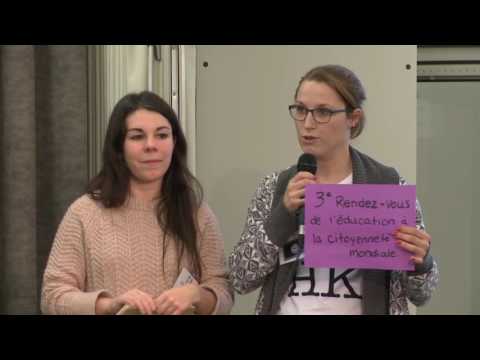 1er rendez-vous de l'éducation à la citoyenneté mondiale: Se donner une vision d'avenir en ÉCM Year of publication: 2017 Corporate author: Association québécoise des organismes de coopération internationale (AQOCI) Travail en sous-groupes: « Se donner une vision d'avenir en ÉCM »
 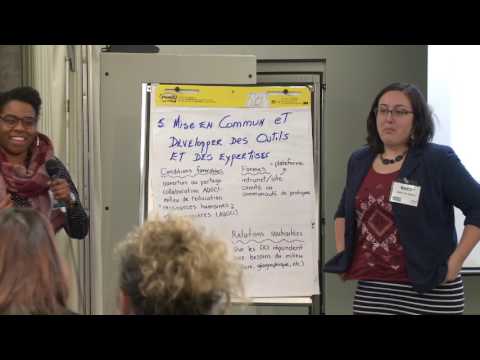 1er rendez-vous de l'éducation à la citoyenneté mondiale: Conditions favorables au changement Year of publication: 2017 Corporate author: Association québécoise des organismes de coopération internationale (AQOCI) Travail en sous-groupes: «Conditions favorables au changement: de la situation actuelle à la situation souhaitée»
 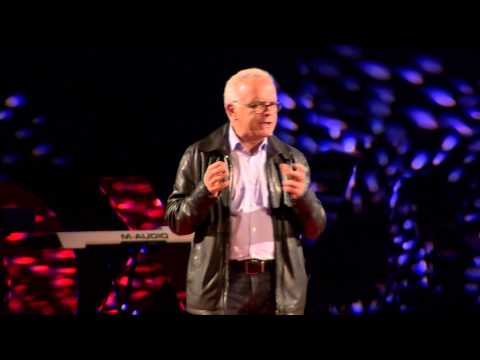 Comment être citoyen du monde? Year of publication: 2015 Author: Radhi Meddeb Corporate author: TEDxCarthage | TEDx Talks Le monde a salué la Révolution tunisienne comme étant celle des technologies de l'information et des communications. Cela est vrai en partie, car les jeunes tunisiens ont déjoué la censure, ont relayé les images de la révolte et des protestations. Mais en même temps, l'usage de l'ordinateur et d'Internet reste aujourd'hui très en deçà des normes internationales. Plus encore, il présente des disparités régionales majeures. Des cyberbases dans l'ensemble des régions tunisiennes peuvent donner à chaque tunisien un passeport vers la modernité et la citoyenneté.
 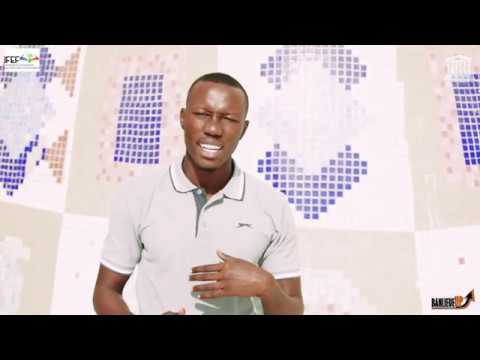 Formation pilote sur la paix et la citoyenneté mondiale Year of publication: 2020 Corporate author: UNESCO Dakar Du 6 au 8 décembre 2019, une formation sur l'éducation pour la paix et la citoyenneté mondiale des adolescents s’est tenue à Guédiawaye, dans la banlieue de Dakar, à destination des jeunes du Sénégal et de la sous-région.
 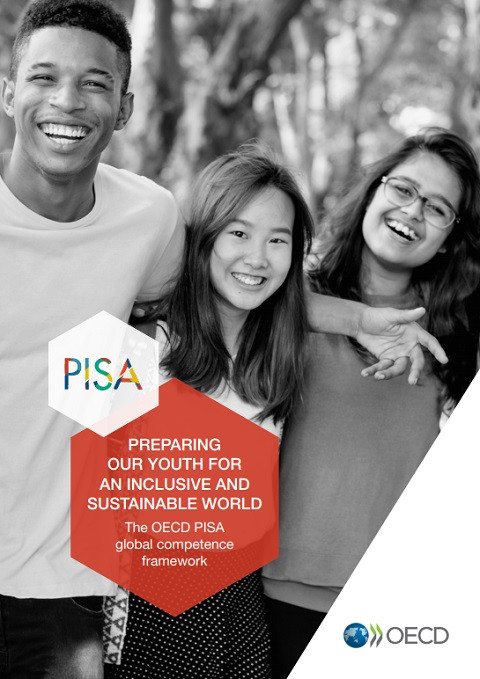 Preparing Our Youth for an Inclusive and Sustainable World: The OECD PISA Global Competence Framework Year of publication: 2018 Corporate author: Organisation for Economic Co-operation and Development (OECD) OECD Programme for International Student Assessment (PISA), the global yardstick for educational success, includes global competence in its metrics for quality, equity and effectiveness in education. The global competence assessment in PISA 2018 is composed of two parts: a cognitive assessment and a background questionnaire. The cognitive assessment is designed to elicit students' capacities to critically examine global issues; recognise outside influences on perspectives and world views; understand how to communicate with others in intercultural contexts; and identify and compare different courses of action to address global and intercultural issues. In the background questionnaire, students will be asked to report how familiar they are with global issues; how developed their linguistic and communication skills are; to what extent they hold certain attitudes, such as respect for people from different cultural backgrounds; and what opportunities they have at school to develop global competence. Answers to the school and teacher questionnaires will provide a comparative picture of how education systems are integrating global, international and intercultural perspectives throughout the curriculum and in classroom activities.
 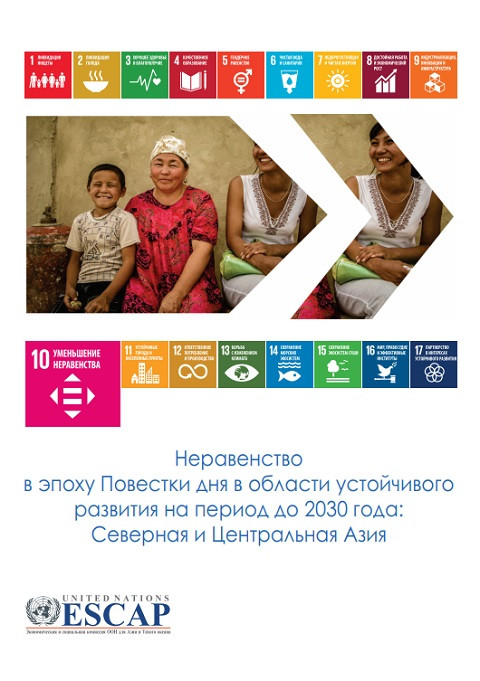 Inequality in the Era of the 2030 Agenda for Sustainable Development: North and Central Asia Year of publication: 2018 Corporate author: UN. Economic and Social Commission for Asia and the Pacific (UN. ESCAP) This study considers issues pertaining to inequality and its causes in North and Central Asia, based on multidimensional indicators that are now available. It reviews where these countries of North and Central Asia stand in terms of reducing both inequality of outcomes and opportunities through cross-country comparisons. Challenges surrounding inequality of opportunities for selected social groups, namely women, young and older people, rural population and migrant workers are examined. Several concerns come to light: (1) Women tend to be both underpaid and underrepresented in decision-making processes, even though they are economically active and educated; (2) Young people are more likely to be unemployed, which could lead to social displacement; (3) Aging population in selected countries could jeopardize current pension systems which currently cover almost all older persons; (4) a rural-urban divide in terms of access as well as quality of public services remain; and (5) working conditions of migrants are precarious. Неравенство в эпоху Повестки дня в области устойчивого развития на период до 2030 года: Северная и Центральная Азия Year of publication: 2018 Corporate author: UN. Economic and Social Commission for Asia and the Pacific (UN. ESCAP) В этом исследовании рассматриваются вопросы, касающиеся неравенства и его причин в Северной и Центральной Азии, на основе многомерных показателей, которые в настоящее время доступны. В нем рассматривается положение этих стран Северной и Центральной Азии с точки зрения сокращения как неравенства результатов, так и возможностей путем межстрановых сравнений. Рассматриваются проблемы, связанные с неравенством возможностей для отдельных социальных групп, а именно женщин, молодежи и пожилых людей, сельского населения и трудящихся-мигрантов. Выявляется ряд проблем: (1) женщины, как правило, недоплачивают и недопредставляются в процессах принятия решений, даже если они экономически активны и образованы; (2) молодые люди чаще становятся безработными, что может привести к социальному перемещению; (3) старение населения в отдельных странах может поставить под угрозу нынешние пенсионные системы, которые в настоящее время охватывают почти все пожилые люди; (4) сохраняется разрыв между городом и селом с точки зрения доступа, а также качества государственных услуг; и (5) условия труда мигрантов нестабильны.