
Resources
Explore a wide range of valuable resources on GCED to deepen your understanding and enhance your research, advocacy, teaching, and learning.
4 Results found
 Greening Communities Guidance: Lifelong Learning for Climate and Sustainability Action Year of publication: 2025 Corporate author: UNESCO Institute for Lifelong Learning (UIL) | World Organization of the Scout Movement Climate change poses a serious threat to communities around the world, compelling us to protect vulnerable lives and shape resilient futures. By nurturing lifelong learning and empowering local initiatives, communities can drive transformative change – amplifying local efforts into global impact.Green communities are municipalities of any size that embrace lifelong learning to empower individuals to take meaningful climate and sustainability action. This is achieved by extending climate education beyond the classroom and offering learning opportunities in non-formal and informal settings – rooted in and responsive to local culture and context. By engaging learners of all ages across a variety of learning environments, residents of green communities are equipped to take informed, proactive and responsible action for the climate and environment, contributing to more sustainable living.The sections of this document provide an overview of the diverse learners, learning spaces and educational approaches that can contribute to greening communities. It outlines practical steps for developing a comprehensive green learning strategy and action plan that mobilizes learners of all generations in climate and sustainability efforts.Municipal governments, along with a wide range of local stakeholders and change agents in both urban and rural areas, are invited to use this guidance to foster green communities through a lifelong learning lens.Together, let’s green our communities!
 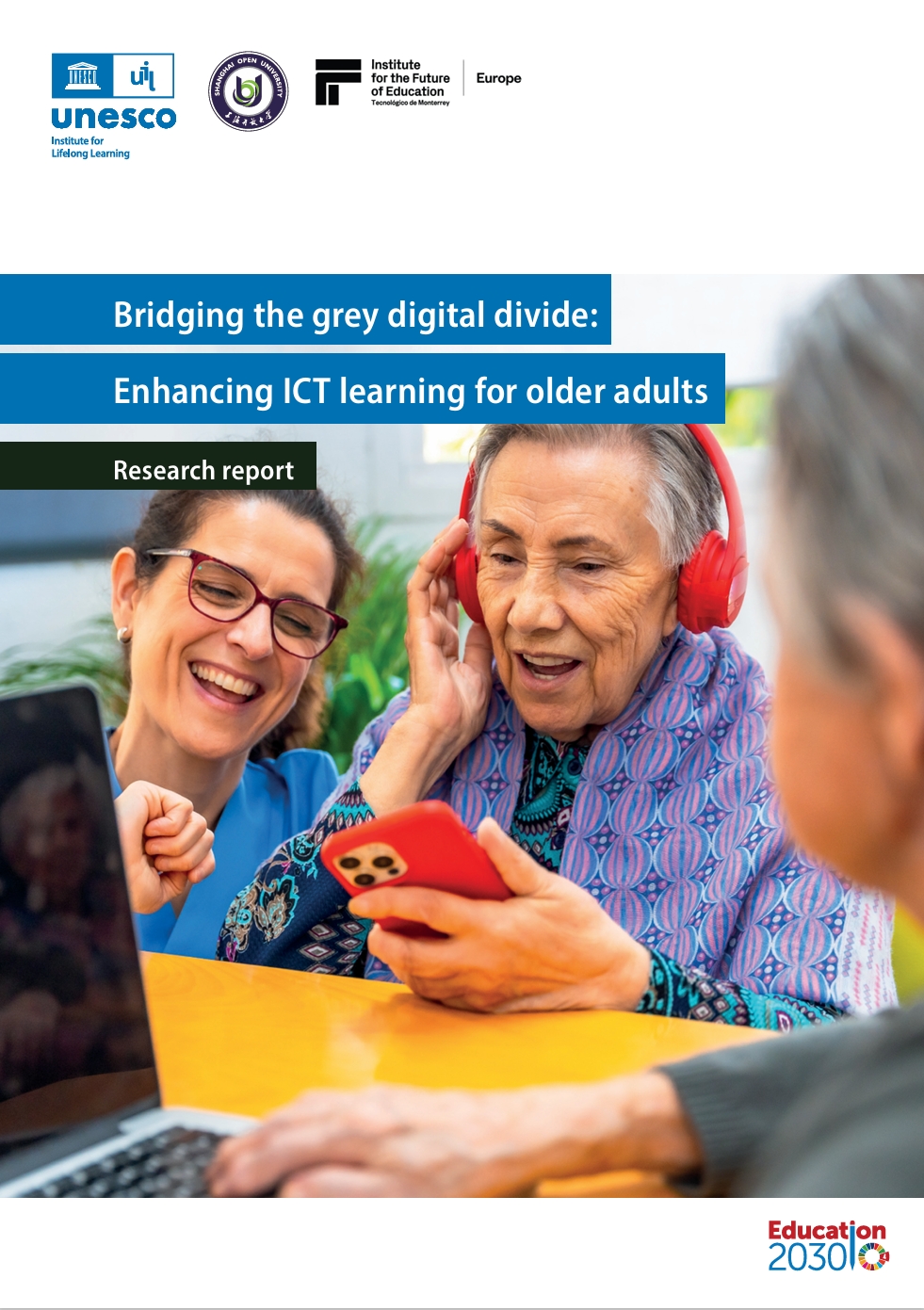 Bridging the Grey Digital Divide: Enhancing ICT Learning for Older Adults; Research Report Year of publication: 2025 Corporate author: UNESCO Institute for Lifelong Learning (UIL) | Shanghai Open University (SOU) | Institute for the Future of Education This research report, Bridging the Grey Digital Divide: Enhancing ICT Learning for Older Adults, explores how organizations across diverse national and regional contexts are supporting digital learning opportunities for older adults. Through six case studies from across five UNESCO regions, it presents a rich array of practices and strategies adopted by independently funded non-profit organizations, community learning centres operating under the auspices of national and local governments, foundations and adult education institutions drawing on a combination of private and public funding sources while maintaining links with universities, and other stakeholders working to close the digital gap for older learners. These examples demonstrate that with the right support structures and pedagogical methods – such as tailored learning programmes, age-friendly technology environments, and intergenerational collaboration – older adults can, and do, engage meaningfully with digital technologies..
  Digital Empowerment for Lifelong Learning and Transformative Andragogy (DELTA) for Adult Educators: Introduction to the DELTA Framework and Resources Year of publication: 2025 Corporate author: UNESCO Institute for Lifelong Learning (UIL) | Shanghai Open University (SOU) The UNESCO Institute for Lifelong Learning (UIL), in partnership with Shanghai Open University (SOU), has unveiled the DELTA Framework — Digital Empowerment for Lifelong Learning and Transformative Andragogy. This global initiative aims to enhance adult educators’ digital competencies and foster inclusive, lifelong learning opportunities for all.
 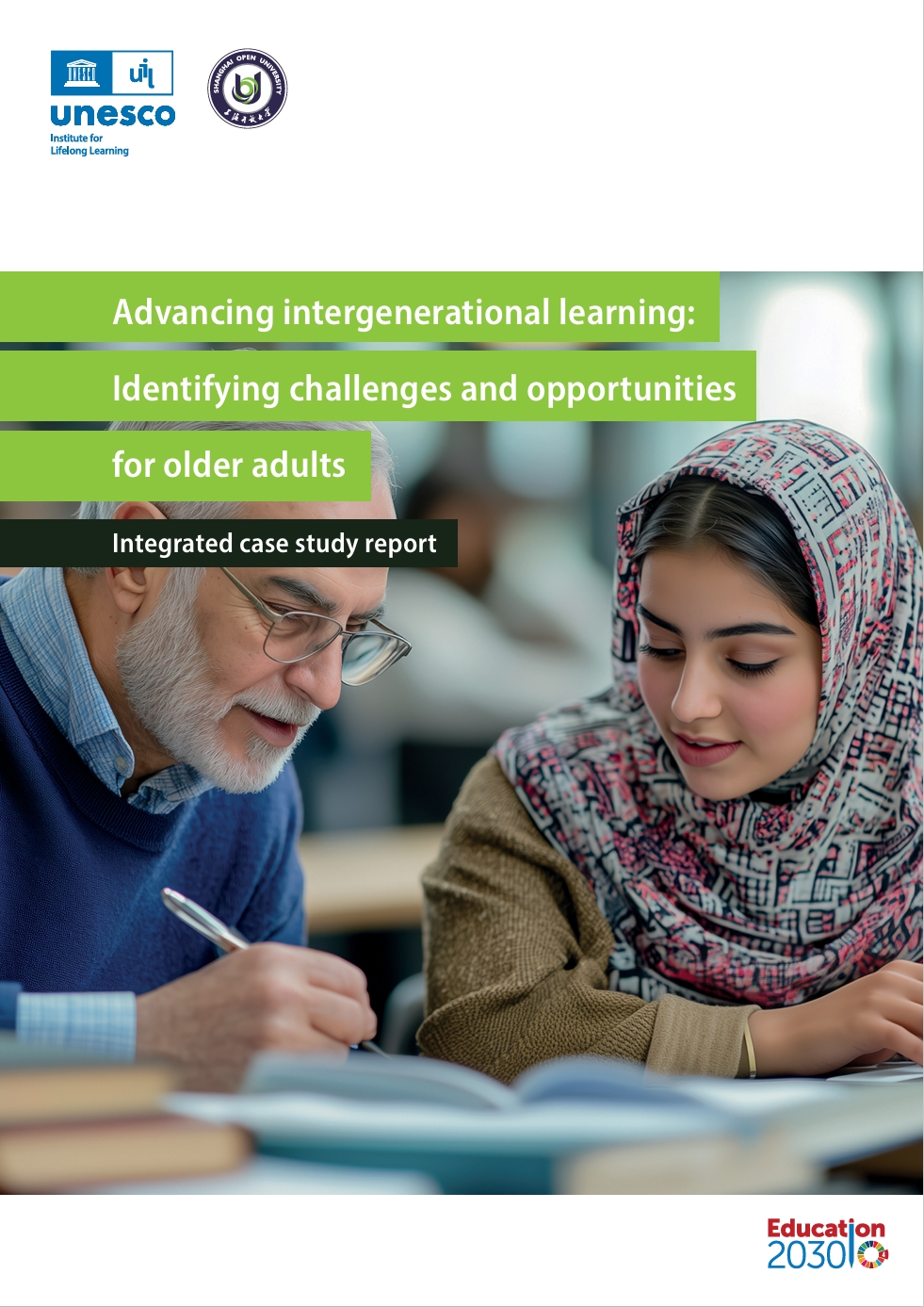 Advancing Intergenerational Learning: Identifying Challenges and Opportunities for Older Adults; Integrated Case Study Report Year of publication: 2025 Corporate author: UNESCO Institute for Lifelong Learning (UIL) | Shanghai Open University (SOU) This research report presents case studies from the UNESCO regions Europe and North America, Africa, and Asia and the Pacific, showcasing various strategies for designing intergenerational learning initiatives. It highlights the diverse policy frameworks and implementation contexts within which these global programmes operate.Using an exploratory multiple case study approach, the report examines the dynamics and potential of intergenerational learning as a catalyst for cultivating a culture of lifelong learning. It assesses the value of such learning in promoting age-friendly environments and addressing ageism. Additionally, the report offers insights into generational learning motivations and identifies barriers to effective intergenerational programming.Finally, the report provides a set of evidence-based guidelines to inform and enhance future efforts in intergenerational learning. The findings and recommendations serve as a valuable resource for educators, policy-makers, and community leaders.These case studies were developed as part of the broader UNESCO Institute for Lifelong Learning research project, Higher Education Institutions – Responses to the Learning Needs of Ageing Societies.