
Resources
Explore a wide range of valuable resources on GCED to deepen your understanding and enhance your research, advocacy, teaching, and learning.
75 Results found
 Экологическое образование как составная часть содержания высшего образования (Международный журнал гуманитарных и естественных наук; № 5-2 (92), 2024) Year of publication: 2024 Author: Жээнбек Сейталиевич Абдиев В статье автор особо подчеркивает, что экологическое образование и воспитание не может быть эффективным, не формируя соответствующим образом экологического мировоззрения. В этом контексте главной парадигмой экологического образования и воспитания в Кыргызстане является формирование экологической культуры населения.
  UNDP KYRGYZSTAN : Annual Result Report 2023 Year of publication: 2024 Corporate author: UNDP Kyrgyzstan In 2023, UNDP in Kyrgyzstan will use its global experience and strategic partnerships to achieve Sustainable Development Goals, focusing on digital transformation, development finance and innovation. Годовой отчет ПРООН в Кыргызстане за 2023г. Year of publication: 2024 Corporate author: UNDP Kyrgyzstan В 2023 году ПРООН в Кыргызстане использовала свой глобальный опыт и стратегические партнерства для реализации Целей устойчивого развития, уделяя особое внимание цифровой трансформации, финансированию развития и инновациях.
 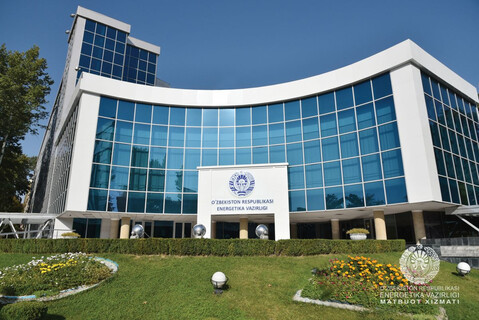 Transition to “Green Economy” in Uzbekistan: Opportunities and Challenges Year of publication: 2023 Author: Nodira Mukhammadkulova | Shakhrizoda Rakhimova Corporate author: Central Asian Bureau for Analytical Reporting (CABAR) Climate change issues and the crisis in the energy market have led to the development of technologies for the use of alternative, more environmentally friendly and possibly renewable resources, which are called “green” technologies. In Uzbekistan, the program of transition to a green economy and green growth until 2030 was adopted at the end of 2022. According to the program, by 2030, the share of renewable energy sources (RES) used will be about 30% of the country’s total electricity generation. The issue of awareness of the population as consumers about the relevance of diversification of energy consumption, advantages and disadvantages of alternative energy sources is relevant. Возможности и вызовы перехода на "зеленую экономику" в Узбекистане Year of publication: 2023 Author: Nodira Mukhammadkulova | Shakhrizoda Rakhimova Corporate author: Central Asian Bureau for Analytical Reporting (CABAR) Вопросы изменения климата и кризис на рынке энергоресурсов обусловили развитие технологий по использованию альтернативных, более экологичных и по возможности возобновляемых ресурсов, которые получили название «зеленые» технологии. В Узбекистане программу перехода к “зеленой” экономике и “зеленому” росту до 2030 года приняли в конце 2022 года. Согласно программе, к 2030 году доля используемых возобновляемых источников энергии (ВИЭ) будет составлять около 30% общей выработки электроэнергии в стране. Актуальным является вопрос осведомленности населения как потребителей об актуальности диверсификации энергопотребления, преимуществах и недостатках альтернативных видов источников энергии.
 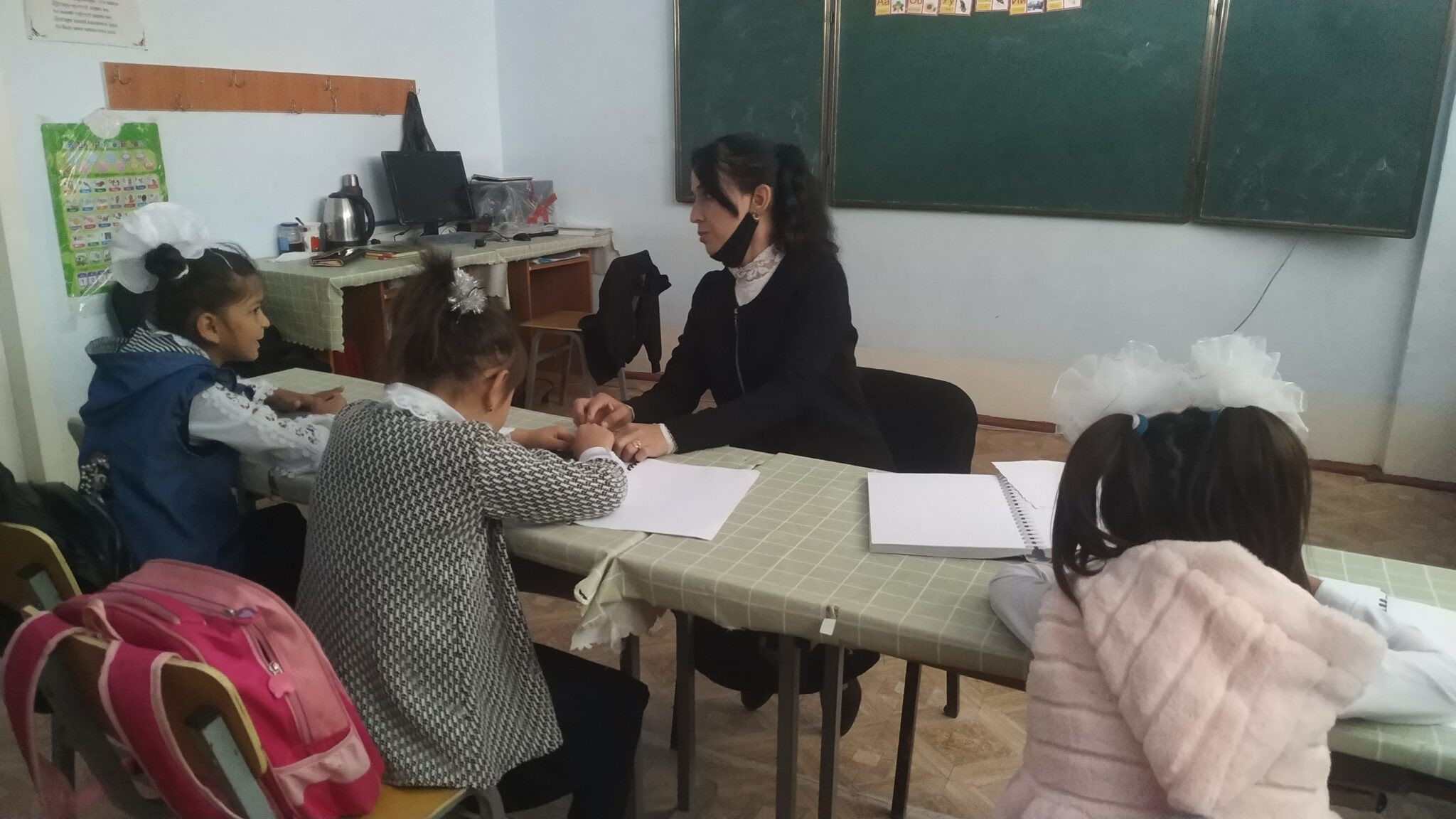 Children with Disabilities in Remote Regions of Tajikistan Have No Access to Quality Education Year of publication: 2023 Corporate author: CABAR.asia Parents of children with disabilities from remote villages in Khatlon Province are concerned about their children’s education conditions, but authorities say all are covered. У детей с инвалидностью в отдаленных регионах Таджикистана нет доступа к качественному образованию Year of publication: 2023 Corporate author: CABAR.asia Родители детей с инвалидностью из отдаленных сел Хатлонской области обеспокоены условиями обучения своих детей, но власти заявляют, что все они охвачены образованием.
 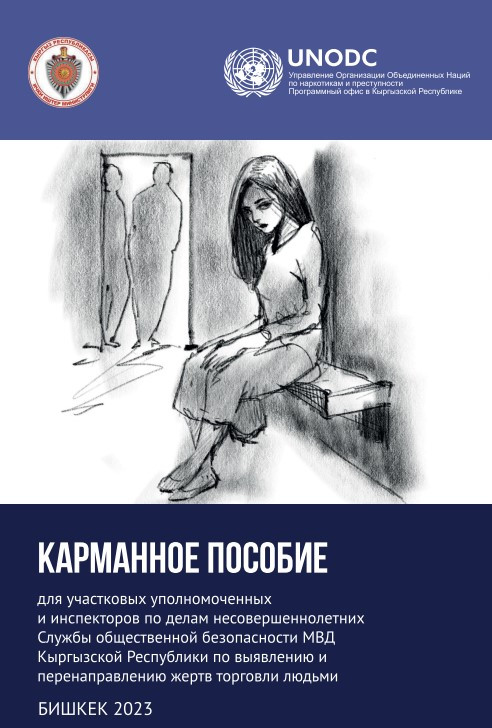 КАРМАННОЕ ПОСОБИЕ для участковых уполномоченных и инспекторов по делам несовершеннолетних Службы общественной безопасности МВД Кыргызской Республики по выявлению и направлению жертв торговли людьми Year of publication: 2023 Corporate author: УНП ООН В сентябре 2021 года Глобальная инициатива против транснациональной организованной преступности The Global Organized Crime Index – 2021, впервые в мировом масштабе признала торговлю людьми крупнейшим и превалирующим криминальным рынком. В связи с этим в мире важное внимание уделяется борьбе с торговлей людьми и вовлечению в этот процесс государственных органов, международных и общественных организаций. Кыргызская Республика не является исключением и особую роль в борьбе с торговлей людьми отводит правоохранительным органам, от действий которых во многом зависит эффективность пресечения этого вида преступной деятельности.
 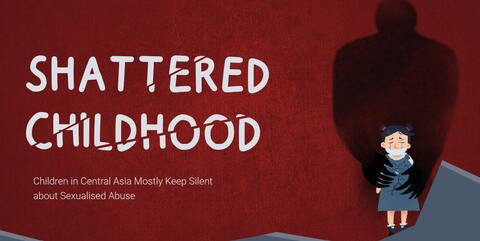 Shattered Childhood: Children in Central Asia Mostly Keep Silent about Sexualised Abuse Author: Katerina Afanasieva | Aleksandra Vasilkova | Mazkhab Dzhumaev | Aida Dzhaksybaeva Corporate author: Central Asian Bureau for Analytical Reporting (CABAR) No one really knows the scope of sexualised abuse of children in Central Asia. According to estimates of human rights activists, only one case of 10 goes reported to law enforcement bodies at best. Once it is reported, the investigation and courts often cause another trauma to children, while proceedings may take years.
  Legal Mechanisms for Participation of Legal Minorities in Tajikistan and Their Implementation: Comparison of the Framework Convention and Tajikistan’s Legislation Year of publication: 2022 Author: Berdikulov A. Corporate author: Central Asian Bureau for Analytical Reporting (CABAR) The policy analyzes the legal framework and provisions aimed at protecting the rights of national minorities in Tajikistan, and also provides a comparison of Tajik and European legislation regarding national minorities. Particular emphasis is placed on what legislative and legal practices from the European experience can be used as examples in the Tajik context in order to improve national legislation for the protection of national minorities and their rights. Recommendations are formulated for a number of ministries and the government of Tajikistan, for international donors, as well as for representatives of national minorities.