
Resources
Explore a wide range of valuable resources on GCED to deepen your understanding and enhance your research, advocacy, teaching, and learning.
14 Results found
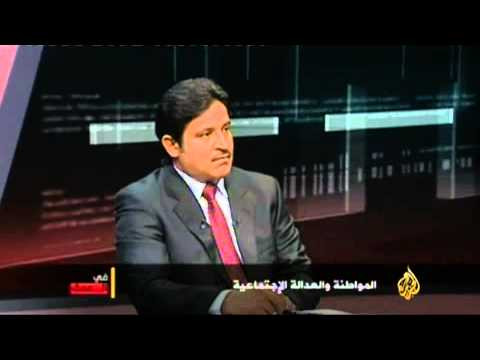 Citizenship and Social Justice Year of publication: 2013 Corporate author: Al Jazeera Channel An episode presented by Al-Jazeera, which reviews citizenship and social justice, taking into account the context of the Arab Spring. The seminar focuses on building the modern state in the light of citizenship and social justice. The broadcaster hosts 3 university professors to talk about the topic. The episode deals with the problems facing the modern state in the Arab world, with a focus on citizenship and social justice. المواطنة والعدالة الاجتماعية Year of publication: 2013 Corporate author: Al Jazeera Channel لقة تعرضها قناة الجزيرة تستعرض فيها المواطنة والعدالة الاجتماعية مع الأخذ في الاعتبار سياق الربيع العربي. وتركز الحلقة على بناء الدولة الحديثة في ضوء المواطنة والعدالة الاجتماعية. يستضيف المذيع 3 من أساتذة الجامعات للتحدث عن الموضوع. الحلقة تتعرض للمشاكل التي تواجه الدولة الحديثة في الوطن العربي مع التركيز على المواطنة والعدالة الاجتماعية.
 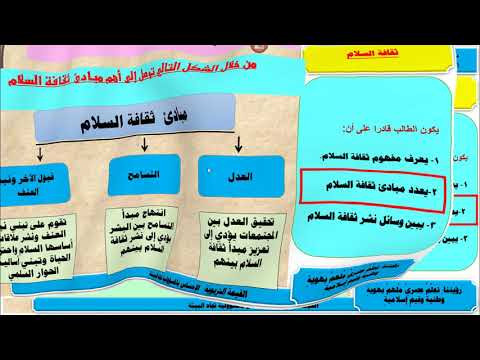 Citizenship of a Culture of Peace Year of publication: 2021 Author: Graeme Simpson Corporate author: AL-andalus Educational Complex The video is a lesson from the social studies book for the tenth grade in the State of Qatar. The teacher explains citizenship for peace and its dissemination. The teacher begins by explaining the concept of a culture of peace and goes on to the principles of peace and the foundations for its dissemination. The class is suitable for Arab students in general to understand what peace is and how to spread it. مواطنة ثقافة السلام Year of publication: 2021 Author: Graeme Simpson Corporate author: AL-andalus Educational Complex الفيديو عبارة عن حصة تدريسية من كتاب الدراسات الاجتماعية للصف العاشر بدولة قطر. يشرح المعلم فيها المواطنة من أجل السلام ونشرها. يبدأ المعلم بشرح مفهوم ثقافة السلام ويستطرد في مبادئ السلام وأسس نشره. الحصة مناسبة للطلبة العرب عموما في فهم ماهية السلام وسبل نشره.
 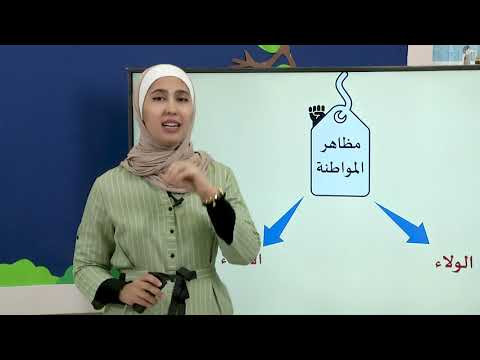 مقومات المواطنة الفاعلة Year of publication: 2020 Corporate author: Qatar. Ministry of Education and Higher Education الفيديو هو عبارة عن درس من دروس الدراسات الاجتماعية للصف الثالث بدولة قطر. يركز الفيديو على مقومات المواطنة الفاعلة في المجتمع. يبدأ الفيديو بالتعريف بمفهوم المواطنة، ويصف المواطن الفاعل. كما يتضمن الفيديو أهمية المواطنة الفاعلة في المجتمع. Elements of Active Citizenship Year of publication: 2020 Corporate author: Qatar. Ministry of Education and Higher Education This video is a lesson from the third grade social studies lessons in Qatar. The video focuses on the components of active citizenship in society. The video begins by introducing the concept of citizenship, and describes the active citizen. The video also includes the importance of active citizenship in society.
 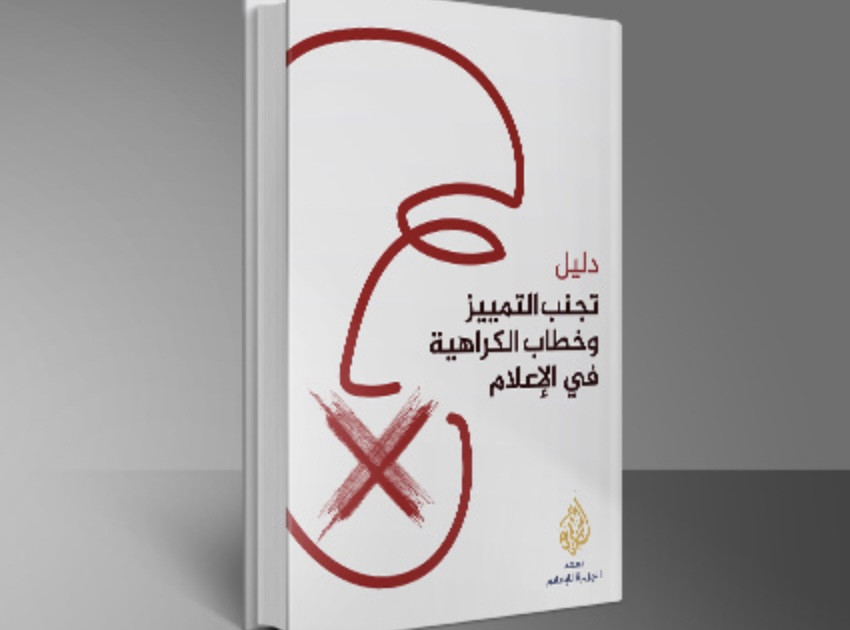 دليل تجنب التمييز وخطاب الكراهية في الاعلام Year of publication: 2019 Author: Mohammed Khamisa الدليل الذي صدر باللغتين العربية والإنجليزية؛ يسلّط الضوء على الممارسات المهنية والحدود القانونية التي تساعد الصحفيين في تفادي ممارسة التمييز أو الحض على الكراهية في قصصهم الصحفية، حيث يقدّم عددا من الأدوات التي تساهم في إنتاج مادة موضوعية بعيدة عن التحيّز الذي يؤدي للتمييز وخطاب الكراهية.وينقسم الدليل إلى جزأين رئيسين، يتخصص الأول منه في شرح الخطاب التمييزي وخطاب الكراهية، وكذلك يعطي لمحة عامة عن الأطر القانونية لهذا الموضوع، ومن ثم يشرح الكيفية التي من الممكن أن تسبب فيها هذه الخطابات ضررا فعليا على العامة عند ممارستها من قبل وسائل الإعلام، مستشهدا بأمثلة من السياق العربي والعالم ككل.فيما يضع في جزئه الثاني، خارطة طريق تساعد الصحفيين على إنجاز مواد صحفية موضوعية وأخلاقية تبتعد عن ممارسة التمييز والتحريض على الكراهية؛ عبر عرض عدد من المعايير التي يُنصح بتطبيقها خلال كافة مراحل إنتاج القصة الصحفية، فضلا عن توفيره لنماذج تقييم أخلاقي تمكّنهم من حل المعضلات الأخلاقية التي قد تواجههم خلال إعدادهم للقصص الصحفية.ويعرض الدليل، في فصله الأخير، قائمة أسئلة يطرحها الصحفي على نفسه في كل مرحلة من مراحل إعداد القصة الصحفية، تساهم في تجويدها موضوعيا وأخلاقيا، وتبعدها قدر الإمكان عن ممارستها لخطاب تمييزي أو التحريض على الكراهية. Guide to Avoiding Discrimination and Hate Speech in the Media Year of publication: 2019 Author: Mohammed Khamisa The Guidebook, which was released in both Arabic and English, highlighted professional practices and legal limitations to help journalists to avoid discriminatory and hate speech in their stories, by providing them with multiple tools which help them to produce objective stories distanced from discrimination and hate speech.The Guidebook is divided into two main parts, the first of which is given over to defining and explaining discriminatory and hate speech and giving a summary of the legal framework surrounding it. It then explains how hate speech, when practiced by media, can produce a harmful effect on public. The guidebook cites some examples from the Arab context and the world at large. In its second part, the guidebook sets out a roadmap that helps journalists to produce more ethical and objective stories avoiding discrimination or calling for hatred. It presents a number of criteria that are recommended to be applied during all stages of the production of the story, as well as providing models of ethical evaluation (Moral Reasoning) that enable them to solve the moral dilemmas that may face them in the preparation of stories.In its final pages, the guidebook presents a list of questions the journalist poses to him/herself at every stage of the story, which contributes to its objective and ethical quality, and distance it as far as possible from practicing discriminatory speech or inciting hatred
  "التعليم من أجل المستقبل: التجربة العالمية لتطوير مهارات وكفاءات القرن الحادي والعشرين " Year of publication: 2015 Author: Liu Jian Corporate author: Qater Foundation يهدف هذا التقرير إلى تزويد واضعي السياسات وقادة التعليم والباحثين بفهم شامل لمعنى كفاءات القرن الحادي والعشرين وتكوينها وتنفيذها بشتى أنحاء العالم. وقد جرى التحقيق في أطر عمل الكفاءات لخمس منظمات دولية و 24 كيانًا اقتصاديًا، وتتوفر المراجع الرسمية بأكثر من ثماني لغات. لهذا البحث أهداف خمسة مهمة، هي:1. تحديد القوى الدافعة وراء هذه الكفاءات،2. تحليل عناصر أطر العمل هذه وهيكلها،3. البحث في تنفيذ هذه الأطر في التعليم،4. مناقشة الدعم اللازم من القطاعات الحكومية والاجتماعية،5. اقتراح استراتيجيات وأفكار لتعزيز هذه الكفاءات وتطويرهاوتطبيقها. Education for The Future: The Global Experience of Developing 21st Century Skills and Competencies Year of publication: 2015 Author: Liu Jian Corporate author: Qater Foundation This report aims to provide policy makers, education leaders, and researchers with a comprehensive understanding of the meaning, formation, and implementation of twenty-first century competencies around the world. The competency frameworks of five international organizations and 24 economic entities have been investigated, and official references are available in more than eight languages. This research has five important objectives:1. Identify the driving forces behind these competencies,2. Analysis of the elements and structure of these frameworks,3. Research the implementation of these frameworks in education,4. Discussing the necessary support from the governmental and social sectors,5. Suggesting strategies and ideas to enhance, develop and apply these competencies.