
Resources
Explore a wide range of valuable resources on GCED to deepen your understanding and enhance your research, advocacy, teaching, and learning.
57 Results found
 Programs of Peace Education in Pre-University Education on the Light of Some Countries’ Experiences and the Extent of Benefit in Egypt Year of publication: 2014 Author: Amel Ahmed Hassan Mohamed Corporate author: Association of Arab Educators Education for peace has got an international, regional and local interests, in particular, today's world desperately needs more than ever before to face the problems afflicting the human race, and the conflict expected to increase in the coming years. This situation confirms the importance of achieving peace in all dimensions with oneself, family, society, and the environment.This study aimed to investigate the experiences of some countries in the field of education for peace and to draw some benefits from them. For achieving this aim, the study followed the Descriptive-Analytic Approach because of its appropriateness to the nature of the study. The sample of study dealt with three experiments in the field of education for peace in Northern Ireland, Bosnia and Herzegovina, and Sierra Leone, which were chosen after passing through a relatively long period of conflicts and disputes. By analyzing the three experiments, the similarities and differences among countries were reviewed in terms of, period and nature of conflict, foundations, objectives and content of the programs, teacher training. The study achieved some benefits through reviewing literature and analyzing the three experiences. The suggestions of the study were classified under some themes, including: foundations of peace education, its objectives, contents, and teacher training. برامج التربية من أجل السلام بالتعليم قبل الجامعي في بعض الدول وامكانية الاستفادة منها في مصر Year of publication: 2014 Author: Amel Ahmed Hassan Mohamed Corporate author: Association of Arab Educators تحظى التربية من أجل السلام باهتمام دولي وإقليمي ومحلى، ولا سيما أن عالم اليوم أحوج أكثر من ذي قبل لمواجهة المشكلات التي يعاني منها الجنس البشري والصراعات المرتقب زيادتها في السنوات القادمة؛ هذا بالإضافة إلى تنامي معدلات العنف المجتمعي ومظاهره؛ مما يدعم ضرورة السعي لتحقيق السلام بكافة أبعاده مع النفس وفي الأسرة وداخل المجتمع ومع البيئة. لذا هدفت هذه الدراسة إلى رصد تجارب بعض الدول في مجال التربية من أجل السلام وتقديم أوجه الاستفادة منها للارتقاء بمستوى تقديم هذا الاتجاه التعليمي المعاصر بنظام التعليم بمصر. لتحقيق هذا الهدف تم الاستناد إلى المنهج الوصفي التحليلي حيث أنه أكثر ملائمة لطبيعة الدراسة، وقد تكونت عينة الدراسة من ثلاث تجارب في مجال التربية من أجل السلام بالدول الآتية: إيرلندا الشمالية، والبوسنة والهرسك، وسيراليون، والتي تم اختيارها لكونها عاصرت فترة من الصراعات والنزاعات الطويلة نسبياً، تلتها مبادرات لدمج التربية من اجل السلام في النظام التعليمي. وقد تم تحليل التجارب الثلاث في ضوء عدد من المحاور شملت: السياق العام للدولة، والجهود المبكرة للتربية من أجل السلام، وأسسها، وأهدافها، وأليات تضمينها في نظام التعليم، وتدريب المعلمين بكل دولة. وقد توصلت الدراسة إلى عدد من الدروس المستفادة التي تم رصدها من خلال ما ورد من أدبيات عربية وأجنبية، وتجارب الدول الثلاث، والتي تم تصنيفها تحت المحاور الآتية: فترة الصراع وطبيعته، أسس التربية من أجل السلام، وأهدافها، وأليات تضمينها في نظام التعليم، وتدريب المعلمين.
  Thoughts on Global Citizenship (Universal) Year of publication: 2017 Author: Nahla Abu Aliwa Corporate author: Arab Council for Childhood and Development (ACCD) This article addresses global citizenship as one of the hot topics the world currently. The researcher highlighted the difference between global citizenship and traditional citizenship. He also touched upon the concept of multiculturalism and its importance in this multicultural world. Emphasis was placed on the Education for Global Citizenship initiative proposed by UNESCO. أفكار حول المواطنة العالمية ( الكوكبية ) Year of publication: 2017 Author: Nahla Abu Aliwa Corporate author: Arab Council for Childhood and Development (ACCD) يتناول هذا المقال المواطنة الكوكبية باعتبارها أحد الموضوعات المطروحة بقوة على الساحة العالمية. قام الباحث بإلقاء الضوء على الفرق بين المواطنة العالمية والمواطنة التقليدية. وأيضا تطرق لمفهوم التعددية الثقافية وأهميته في العالم المتنوع الثقافات. كما تم التركيز على مبادرة التربية من أجل المواطنة العالمية والتي طرحتها منظمة اليونسكو.
 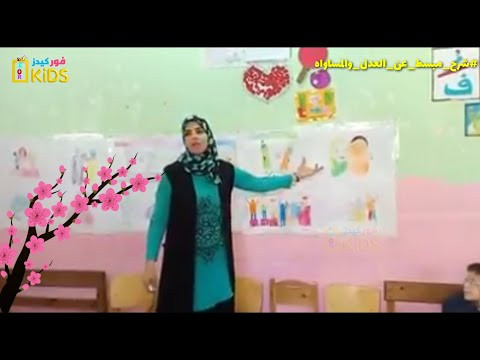 Justice and Equality Year of publication: 2019 Corporate author: For kids In this video, the teacher demonstrates through a mural the values of justice and equality. The video is directed as part of the preschool education curriculum. The teacher interacted through the murals with the students to illustrate the value of justice and equality. العدل والمساواة Year of publication: 2019 Corporate author: For kids في هذا الفيديو، تستعرض المعلمة من خلال لوحة جدارية قيم العدل والمساواة. الفيديو موجه كجزء من منهج تعليم الأطفال قبل المدرسة. تفاعلت فيه المعلمة من خلال الرسومات الجدارية مع الطلبة لتوضيح قيمة العدل والمساواة.
  The Responsibility of the School in Developing Awareness of Human Rights in the Light of Islamic Education Year of publication: 2017 Author: Asaad Al Hussein Corporate author: Cairo University Based on the importance of developing awareness of human rights and what it aims to achieve in developing the values of freedom, equality, cooperation and promoting rights and duties, this paper examines the responsibility of the school in developing awareness of human rights in the light of Islamic education. The school is considered the most important educational institution entrusted with promoting awareness of human rights. مسؤولية المدرسة في تنمية الوعي بحقوق الانسان في ضوء التربية الإسلامية Year of publication: 2017 Author: Asaad Al Hussein Corporate author: Cairo University انطلاقا من أهمية تنمية الوعي بحقوق الانسان وما تهدف اليه من تنمية قيم الحرية والمساواة والتعاون وتعزيز الحقوق والواجبات، فإن هذه الورقة تبحث في مسؤولية المدرسة في تنمية الوعي بحقوق الانسان في ضوء التربية الإسلامية. وتعتبر المدرسة أهم المؤسسات التربوية المنوط بها تعزيز الوعي بحقوق الانسان.
  A Global Vision for Citizenship Education: The European Model Year of publication: 2010 Author: Mohammed Lashin | Rania Algmal Corporate author: Egyptian Society of Comparative Education and Educational Administration (ESCEEA) The researchers provide a global vision of education for citizenship, drawing on some examples from Europe. The researchers review the experiences and models from European institutions, and how educational institutions in the Arab world can benefit from them. رؤية عالمية لمعايير المواطنة في التعليم : النموذج الأوروبي Year of publication: 2010 Author: Mohammed Lashin | Rania Algmal Corporate author: Egyptian Society of Comparative Education and Educational Administration (ESCEEA) يقدم الباحثين رؤية عالمية للتربية من أجل المواطنة، وذلك من خلال الاستناد لبعض النماذج من أوروبا. حيث يستعرض الباحثان التجارب والنماذج من مؤسسات أوربية، وكيف يمكن لمؤسسات التعليم في الوطن العربي الاستفادة منها.