
Resources
Explore a wide range of valuable resources on GCED to deepen your understanding and enhance your research, advocacy, teaching, and learning.
72 Results found
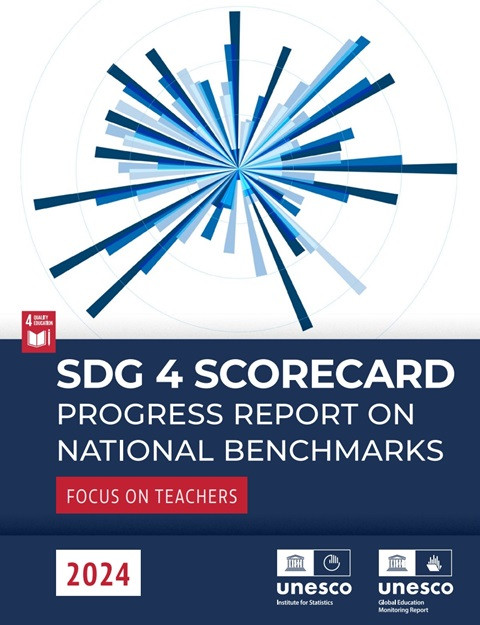 سجّل الأداء بشأن تحقيق هدف التنمية المستدامة 4: التقرير المرحلي عن المؤشرات المرجعية الوطنية Year of publication: 2024 Corporate author: Global Education Monitoring Report Team | UNESCO Institute for Statistics (UIS) يتضمن هذا التقرير نتائج عملية التقييم الثانية للتقدم المحرز على الصعيد القطري نحو تحقيق المؤشرات المرجعية، أو الأهداف الوطنية، التي حددتها البلدان المساهمة في أهداف التنمية المستدامة بهدف تحديد مساهمتها في تحقيق الأهداف العالمية في مجال التعليم. وتغطي عملية التقييم هذه الفترة منذ عام 2015، وتقيّم مدى احتمال بلوغ البلدان المؤشر المرجعي الخاص بكل بلد لعام 2025، أو القيمة التي كان باستطاعة البلدان الوصول إليها في حال واصلت وتيرة التقدم المحرز فيها خلال الفترة 2000-2015.وأظهر شكل التقييم لعام 2024 أن معظم البلدان تتقدم ببطء نحو بلوغ الأهداف الوطنية المرجوة منها. بل إن البلدان تتراجع عن تحقيق هدفين اثنين – أحدهما التفاوت بين الجنسين لمصلحة الفتيات في إتمام التعليم الثانوي الكامل، والآخر الإنفاق العام على التعليم كنسبة مئوية من الإنفاق العام الإجمالي.وعلى ذلك، سجّل البلدان تقدّمًا متسارعًا في بلوغ المؤشر المرجعي الثامن، ألا وهو الاتصال بالإنترنت في المدارس، الذي أضيف نتيجةً للأولوية التي أُعطيت للتحول الرقمي في قمة التحول في التعليم لعام 2022. وقد وضعت ثلث البلدان أهدافًا وطنية بشأن هذا المؤشر في عام ٢٠٢٣. ويجري في هذا الإصدار من التقرير تقييم التقدم في هذا المجال لأول مرة.وتستمر البلدان كذلك في تحقيق تقدّم سريع نسبيًا بالنسبة للمؤشر المتعلق بالنسبة المئوية للمعلمين الذين يستوفون الحد الأدنى من المؤهلات. وقد أولى هذا الإصدار اهتمامًا خاصًا لهذا المؤشر. ويعرض التقرير بيانات جديدة بشأن الأطر الوطنية المتعلقة بالحد الأدنى من المؤهلات المطلوبة للالتحاق بمهنة التدريس، وكذلك القواعد والمعايير الخاصة بالتطوير المهني المستمر الإلزامي للمعلمين، إضافة إلى التدريب على استخدام الوسائل التكنولوجية في مجال التعليم.
  [الملخص] التقرير العالمي لرصد التعليم 2024/5: مهارات القيادة في مجال التعليم والقيادة الجيدة من أجل تعزيز التعلّم Year of publication: 2024 Corporate author: Global Education Monitoring Report Team ويهدف التقرير العالمي لرصد التعليم لعام 5/2024 إلى تقييم التقدم المحرز على صعيد تحقيق أهداف خطة عام 2030. ويُستشَفّ من النتائج التي خلص إليها التقرير أن عدد الأطفال الملتحقين بالمدارس والذين يكملون تعليمهم الثانوي أعلى من أي وقت مضى، ولكن قطاع التعليم لا يزال يشهد ركوداً في العديد من المجالات. وتكتسي مهارات القيادة أهمية حاسمة للتصدي لهذه المشكلة. فلا يمكن للمدرسة أن تحسّن نتائج الطلاب إذا لم يكن على رأسها قائد كفؤ يرشدها إلى الطريق.واستناداً إلى استعراض أجري للتشريعات والسياسات المطبقة في اختيار المدراء، وإعدادهم، وظروف عملهم، في 211 مؤسسة تعليمية، يبحث التقرير في أدوات السياسة العامة الكفيلة باستقطاب القادة الموهوبين والاحتفاظ بهم.ولا تقتصر مهارات القيادة على مدراء المدارس فحسب، بل تشمل أيضاً الأفراد الذين يشغلون مناصب أخرى في مجال التربية والتعليم وخارجه، مثل المديرين المساعدين والمعلّمين والطلاب. وإذا كانت القيادة مشتركة، فتمتد هذه القدرات لتشمل الزعماء السياسيين والمجتمع المدني والمنظمات الدولية والنقابات ووسائل الإعلام، الذين يساعدون على تحديد أهداف التعليم.ويدعو التقرير إلى بذل الجهود الرامية إلى تعزيز قدرات القادة وفقاً لأربعة أبعاد رئيسية خاصة بمهارات القيادة، وذلك للتمكن من تحديد التوقعات والتركيز على التعلم وتعزيز التعاون وتنمية مهارات الأفراد. ولكي تؤتي هذه الأبعاد ثمارها، ينبغي أن يحظى الأشخاص الذين يشغلون مناصب قيادية بالثقة، وأن تُعزَّز قدراتهم، وأن يتم توظيفهم من خلال إجراءات توظيف عادلة، وأن يتم دعمهم في تعزيز مهاراتهم، وتشجيعهم على إرساء ثقافة للتعاون.كما يدعو التقرير إلى تعزيز قدرة المسؤولين عن التعليم على أداء مهامهم بصفتهم قادة لنُظم التعليم.
  Global Education Monitoring Report 2019: Gender Report: Building Bridges for Gender Equality Year of publication: 2019 Corporate author: Global Education Monitoring Report Team Achieving gender equality in education participation, in the teaching and learning process and in access to social and economic opportunities that education can facilitate are key interlinked ambitions in two of the Sustainable Development Goals (SDGs) in the 2030 Agenda for Sustainable Development: SDG 4 on education and SDG 5 on gender equality. These aims are also key to the Education 2030 Framework for Action, which calls on countries to adopt strategies that not only cover access to education for all but also address substantive gender equality issues: ‘supporting gender-sensitive policies, planning and learning environments; mainstreaming gender issues in teacher training and curricula; and eliminating gender-based discrimination and violence in schools’. The 2019 Gender Report is based on a monitoring framework first introduced in the 2016 Global Education Monitoring Report.In addition to focusing on gender parity in education participation, attainment and learning achievement, the framework examines broad social and economic contexts (gender norms and institutions) and key education system characteristics (laws and policies, teaching and learning practices, learning environments, and resources). The framework also looks at the relationship between education and selected social and economic outcomes. For instance, a move towards parity in education attainment may increase women’s labour force participation rates, but low levels of labour force participation feed into existing norms and may constrain expansion of education opportunities for women. Rapport mondial de suivi de l'éducation 2019: rapport sur l'égalité des genres: Bâtir des ponts pour promouvoir l'égalité des genres Year of publication: 2019 Corporate author: Global Education Monitoring Report Team La réalisation de l’égalité des genres dans la participation à l’éducation, les processus d’enseignement et d’apprentissage et l’accès aux possibilités sociales et économiques offertes par l’éducation est une ambition majeure portée par deux des Objectifs du Programme de développement durable à l’horizon 2030: l’ODD 4 relatif à l’éducation et l’ODD 5 relatif à l’égalité des sexes. Cette ambition occupe également une place centrale dans le Cadre d’action Éducation 2030, qui appelle les pays à ne pas se limiter à l’accès à l’éducation pour tous dans les stratégies qu’ils adoptent mais à aborder également les questions de fonds relatives à l’égalité des genres: «nous prenons l’engagement de soutenir les politiques, la planification et les environnements d’apprentissage attentifs au genre, d’intégrer les questions de genre dans la formation des enseignants et dans les programmes d’enseignement, ainsi que d’éliminer les discriminations et la violence fondées sur le genre à l’école». Le Rapport 2019 sur l’égalité des genres s’appuie sur le cadre de mesure qui a été utilisé pour la première fois dans l’édition 2016 du Rapport mondial de suivi sur l’éducation.Tout en examinant en priorité la parité entre les genres dans la participation à l’éducation et les résultats et les acquis scolaires, le cadre analyse des données sociales et économiques (normes et institutions liées au genre) ainsi que les principales caractéristiques des systèmes éducatifs (lois et politiques, pratiques d’enseignement et d’apprentissage, environnements d’apprentissage et ressources). Le cadre s’intéresse en outre aux rapports entre l’éducation et certains résultats sociaux et économiques précis. Ainsi, une plus grande parité au niveau des résultats scolaires peut accroître le taux de participation des femmes au marché du travail tandis qu’une faible participation féminine au marché du travail renforce les normes existantes et freine le développement des possibilités d’éducation des femmes. التقرير العالمي لرصد التعليم 2019: التقرير عن المسائل الجنسانية; بناء الجسور لتحقيقالمساواة بين الجنسين Year of publication: 2019 Corporate author: Global Education Monitoring Report Team يمثل تحقيق المساواة بين الجنسين من حيث الالتحاق بالمدرسة والمشاركة في عمليات التعليم والتعلم والاستفادة من الفرص الاقتصادية والاجتماعية التي يمكن أن يتيحها التعليم طموحات أساسية مترابطة لهدفين من أهداف التنمية المستدامة المحددة في خطة التنمية المستدامة لعام 2030 ، هما: هدف التنمية المستدامة 4 الخاص بالتعليم وهدف التنمية المستدامة 5 الخاص بالمساواة بين الجنسين. وهذان الهدفان ضروريان أيضاً لتحقيق برنامج "التعليم حتى عام 2030 إطار العمل لتحقيق الهدف الرابع من أهداف التنمية المستدامة" الذي يدعو البلدان إلى اعتماد استراتيجيات لا تتطرق فقط إلى انتفاع الجميع بالتعليم بل تتناول أيضاً قضايا جوهرية تتعلق بالمساواة بين الجنسين منها: "دعم السياسات والخطط وبيئات التعلّم المراعية لقضايا الجنسين، وبتعميم مراعاة قضايا الجنسين في إعداد المعلمين وفي المناهج الدراسية، وبالقضاء على التمييز والعنف القائمين على نوع الجنس في المدارس".ويستند التقرير عن المسائل الجنسانية لعام 2019 إلى إطار رصد اعتُمد أول مرة في التقرير العالمي لرصد التعليم لعام 2016 . وهذا الإطار، فضلاً عن تركيزه على التكافؤ بين الجنسين في المشاركة في التعليم والتحصيل الدراسي والنتائج الدراسية، يدرس الظروف الاقتصادية والاجتماعية العامة )المعايير الجنسانية والمؤسسات( وسمات نظام التعليم الرئيسية )القوانين والسياسات وممارسات التعليم والتعلم وبيئات التعلم والموارد(. ويبحث الإطار أيضاً العلاقة القائمة بين التعليم ومجموعة مختارة من النتائج الاقتصادية والاجتماعية. فالتحرك باتجاه تحقيق التكافؤ بين الجنسين على مستوى التحصيل الدراسي، على سبيل المثال، يؤدي إلى ارتفاع معدلات مشاركة المرأة في القوة العاملة، غير أن مشاركتها هذه، إذا كانت منخفضة المستوى، تعزز المعايير السائدة وتحول دون زيادة فرص التعليم التي يمكن أن تتاح لها.
 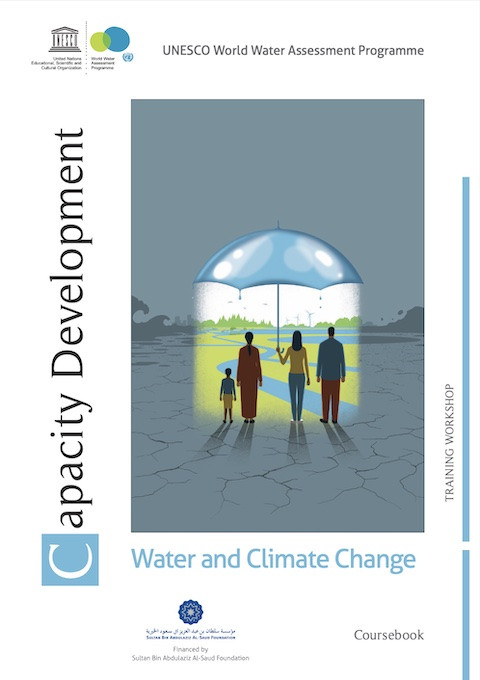 الميا ه وتغير المناخ كتاب التدريب Year of publication: 2020 Corporate author: UNESCO World Water Assessment Programme (WWAP) تقرير الأمم المتحدة العالمي عن تنمية الموارد المائية هو التقرير الرئيسي الذي تصدره آلية الأمم المتحدة للمياه بشأن قضايا المياه والصرف الصحي، وهو يركز في كل عام على موضوع مختلف. وتتولى اليونسكو نشر التقرير، باسم الآلية، ويضطلع برنامج اليونسكو العالمي لتقييم الموارد المائية بتنسيق عملية إعداده وإصداره. ويوفر التقرير رؤية متعمقة بشأن الاتجاهات الرئيسية المتعلقة بحالة المياه العذبة وخدمات الصرف الصحي واستخدامها وإدارتها، بالاستناد إلى العمل الذي يقوم به أعضاء آلية الأمم المتحدة للمياه وشركاؤها. والتقرير، الذي يصدر بالاقتران مع اليوم العالمي للمياه، يزود صانعي القرار بالمعارف والأدوات اللازمة لصياغة وتنفيذ سياسات مستدامة بشأن المياه. وهو يطرح كذلك أفضل الممارسات والتحليلات المتعمقة حفزًا للأفكار والإجراءات من أجل الارتقاء بالإدارة في قطاع المياه وغيره من القطاعات.وتبين طبعة عام 2020 من التقرير العالمي عن تنمية الموارد المائية، التي تحمل عنوان ‘‘المياه وتغير المناخ’’، الروابط البالغة الأهمية التي تربط بين المياه وتغير المناخ في سياق برنامج التنمية المستدامة الأع ّم. ويقدم التقرير، الذي تدعمه أمثلة من جميع أنحاء العالم، وصفًا لكل من التحديات التي يفرضها تغير المناخ والفرص التي يتيحها، ويعرض إجراءات يمكن اتخاذها على صعيد الاستجابة - من حيث التكيف والتخفيف وتحسين القدرة على الصمود - من خلال تعزيز إدارة الموارد المائية، وتخفيف المخاطر المتعلقة بالمياه، وتحسين سبل حصول الجميع على إمدادات المياه وخدمات الصرف الصحي بطريقة مستدامة. وهو يتناول العلاقات المتداخلة بين المياه والناس والبيئة والاقتصاد في ظل مناخ متغير، ويوضح الكيفية التي يمكن بها لتغير المناخ أن يكون حافزًا إيجابيًا على تحسين إدارة المياه وحوكمتها وتمويلها من أجل إيجاد عالم مستدام ومزدهر للجميع.ويقدم التقرير مساهمة لقاعدة المعارف المتعلقة بتغير المناخ تركز على المياه وتستند إلى الحقائق. وهو مك ِمل للتقييمات العلمية القائمة ومص َّمم لدعم الأطر السياسية الدولية، بهدف مساعدة الأوساط المعنية بالمياه على التصدي للتحديات التي يطرحها تغير المناخ، وإطلاع الأوساط المعنية بتغير المناخ على الفرص التي يوفرها تحسين إدارة المياه من حيث التكيف مع تغير المناخ والتخفيف من آثاره. Water and Climate Change: Coursebook Year of publication: 2020 Corporate author: UNESCO World Water Assessment Programme (WWAP) The United Nations World Water Development Report (WWDR) is UN-Water’s flagship report on water and sanitation issues, focusing on a different theme each year. The report is published by UNESCO, on behalf of UN-Water and its production is coordinated by the UNESCO World Water Assessment Programme. The report gives insight on main trends concerning the state, use and management of freshwater and sanitation, based on work done by the Members and Partners of UN-Water. Launched in conjunction with World Water Day, the report provides decision-makers with knowledge and tools to formulate and implement sustainable water policies. It also offers best practices and in-depth analyses to stimulate ideas and actions for better stewardship in the water sector and beyond.The 2020 edition of the WWDR, titled ‘Water and Climate Change’ illustrates the critical linkages between water and climate change in the context of the broader sustainable development agenda. Supported by examples from across the world, it describes both the challenges and opportunities created by climate change, and provides potential responses – in terms of adaptation, mitigation and improved resilience – that can be undertaken by enhancing water resources management, attenuating water-related risks, and improving access to water supply and sanitation services for all in a sustainable manner. It addresses the interrelations between water, people, environment and economics in a changing climate, demonstrating how climate change can be a positive catalyst for improved water management, governance and financing to achieve a sustainable and prosperous world for all.The report provides a fact-based, water-focused contribution to the knowledge base on climate change. It is complementary to existing scientific assessments and designed to support international political frameworks, with the goals of helping the water community tackle the challenges of climate change, and informing the climate change community about the opportunities that improved water management offers in terms of adaptation and mitigation.
  Education for Sustainable Development Goals: Learning Objectives Year of publication: 2017 Corporate author: UNESCO UNESCO has been promoting Education for Sustainable Development (ESD) since 1992. It led the UN Decade for ESD from 2005 to 2014 and is now spearheading its follow-up, the Global Action Programme (GAP) on ESD. The momentum for ESD has never been stronger. Global issues – such as climate change – urgently require a shift in our lifestyles and a transformation of the way we think and act. To achieve this change, we need new skills, values and attitudes that lead to more sustainable societies. Education systems must respond to this pressing need by defining relevant learning objectives and learning contents, introducing pedagogies that empower learners, and urging their institutions to include sustainability principles in their management structures. The new 2030 Agenda for Sustainable Development clearly reflects this vision of the importance of an appropriate educational response. Education is explicitly formulated as a stand-alone goal – Sustainable Development Goal 4. Numerous educationrelated targets and indicators are also contained within other Sustainable Development Goals (SDGs). Education is both a goal in itself and a means for attaining all the other SDGs. It is not only an integral part of sustainable development, but also a key enabler for it. That is why education represents an essential strategy in the pursuit of the SDGs. This publication is designed as a guide for education professionals on the use of ESD in learning for the SDGs, and consequently to contribute to achieving the SDGs. The guide identifies indicative learning objectives and suggests topics and learning activities for each SDG. It also presents implementation methods at different levels, from course design to national strategies. The guide does not aim to be prescriptive in any way, but to provide guidance and suggestions that educators can select and adapt to fit concrete learning contexts L’éducation en vue des objectifs de développement durable: Objectifs d’apprentissage Year of publication: 2017 Corporate author: UNESCO L’UNESCO promeut l’éducation en vue du développement durable (EDD) depuis 1992. Après avoir été le chef de file de la Décennie des Nations Unies pour l’éducation au service du développement durable de 2005 à 2014, elle est maintenant le fer de lance du Programme d’action global pour l’éducation en vue du développement durable qui lui a succédé. La dynamique en faveur de l’EDD n’a jamais été aussi forte. Des enjeux planétaires, tels que le changement climatique, exigent d’urgence un changement de nos modes de vie et une transformation de notre façon de penser et d’agir. Pour y parvenir, nous avons besoin de compétences, de valeurs et d’attitudes nouvelles qui conduisent à des sociétés plus viables. Les systèmes éducatifs doivent répondre à ce besoin urgent en définissant des objectifs et des contenus d’apprentissage pertinents, en proposant des pédagogies qui autonomisent les apprenants et en pressant leurs établissements d’intégrer les principes de la durabilité dans leurs structures de gestion. Le nouveau Programme mondial de développement durable à l’horizon 2030 reflète clairement cette vision de l’importance d’une réponse éducative adaptée. L’éducation est explicitement présentée comme un objectif autonome dans l’Objectif de développement durable 4. De nombreux indicateurs et cibles relatifs à l’éducation sont également intégrés à d’autres Objectifs de développement durable (ODD). L’éducation est à la fois un but en soi et un moyen de réaliser tous les autres ODD ; elle est non seulement un élément à part entière du développement durable, mais elle en est également l’un des principaux moteurs. C’est pourquoi l’éducation représente une stratégie essentielle dans la réalisation des ODD. La présente publication est conçue pour guider les professionnels de l’éducation en leur montrant comment faire de l’EDD un apprentissage au service des ODD et donc contribuer à la réalisation de ces objectifs. Il propose une liste indicative d’objectifs d’apprentissage et suggère des thèmes et des activités d’apprentissage pour chaque ODD. Il présente également des méthodes de mise en œuvre aux différents niveaux de l’enseignement, des plans de cours aux stratégies nationales. Ce guide ne se veut en aucun cas prescriptif ; il vise à offrir des conseils et des suggestions que les éducateurs pourront choisir et adapter à des situations d’apprentissage concrètes. Educación para los Objetivos de Desarrollo Sostenible: Objetivos de aprendizaje Year of publication: 2017 Corporate author: UNESCO Desde 1992, la UNESCO ha promovido la Educación para el Desarrollo Sostenible (EDS). Entre 2005 y 2014, coordinó el Decenio de las Naciones Unidas de la EDS, y ahora está llevando a cabo el programa de seguimiento, el Programa de Acción Mundial sobre la EDS. El impulso de la EDS nunca ha sido más fuerte. Temas mundiales –como el cambio climático- requieren de forma urgente un cambio en nuestros estilos de vida y una transformación en nuestra forma de actuar y pensar. Para lograrlo, necesitamos nuevas competencias, actitudes y conductas que nos conduzcan a sociedades más sostenibles. Los sistemas educativos tienen que responder a esta necesidad a la hora de definir los objetivos y contenidos de aprendizaje pertinentes, introduciendo pedagogías que empoderen a los alumnos e instando a las instituciones a incluir los principios de sostenibilidad en sus estructuras de gestión. La nueva agenda mundial para el desarrollo sostenible 2030 refleja claramente esta visión de la importancia de una respuesta educativa apropiada. La educación está explícitamente formulada como un objetivo independiente en el Objetivo de Desarrollo Sostenible número 4. Metas e indicadores relacionados con la educación también están incluidos en otros ODS. La educación de calidad es tanto una meta en sí misma como un medio para lograr todos los otros ODS, porque es parte integral del desarrollo sostenible y un facilitador clave del mismo. Es por ello que la educación representa una estrategia esencial en la consecución de los ODS. Este documento ha sido diseñado para guiar a los profesionales de la educación en el uso de la EDS en el aprendizaje para los ODS y, en consecuencia, para lograr los ODS. Esta guía identifica objetivos específicos de aprendizaje y sugiere temas y actividades para cada ODS. También presenta métodos de implementación a distintos niveles, desde el diseño de cursos hasta las estrategias nacionales. Este documento no busca de ninguna forma ser prescriptivo, sino servir como una guía y ofrecer sugerencias que los educadores puedan seleccionar y adaptar a contextos específicos de aprendizaje.