
Resources
Explore a wide range of valuable resources on GCED to deepen your understanding and enhance your research, advocacy, teaching, and learning.
44 Results found
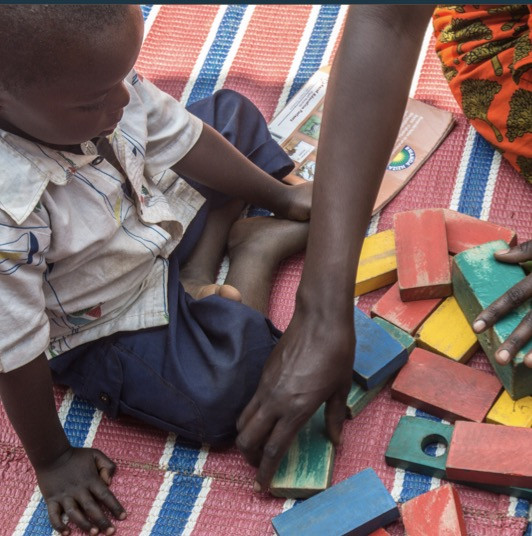 Promoting Climate-Sensitive Early Childhood Care and Education in Emergencies Year of publication: 2023 Corporate author: Inter-agency Network for Education in Emergencies (INEE) This brief addresses a gap in climate change and education literature: young children who are affected by crises. Climate mitigation and adaptation efforts often exclude early childhood care and education (ECCE), especially in crises and emergencies. Therefore, the brief outlines multisectoral ECCE interventions that can serve as solutions to broader climate change mitigation and adaptation goals. These interventions look at long-term solutions that reduce children’s exposure to climate change risks. The aim of these long-term solutions is to create new climate-adapted ways of thinking, being, and doing by focusing on care – for each other and for the earth – and by building climate resilience among children and their supporting care systems. Promouvoir l’éducation et la protection de la petite enfance en situations d’urgence sensibles au climat Year of publication: 2023 Corporate author: Inter-agency Network for Education in Emergencies (INEE) Ce document est destiné au secteur de l’éducation en situations d’urgence, mais il est pertinent pour toutes celles et ceux qui s’intéressent aux questions relatives aux enfants, car le changement climatique affecte le développement de l’enfant dans tous les contextes. Les approches présentées dans ce document peuvent aider les systèmes éducatifs dans des contextes non urgents à être mieux préparés et résilients face au climat. C’est pourquoi ce document décrit les interventions multisectorielles en matière d’EPPE qui peuvent servir de solutions à des objectifs plus larges d’atténuation du changement climatique et d’adaptation au changement climatique. Ces actions visent à trouver des solutions à long terme pour réduire l’exposition des enfants aux risques liés au changement climatique. L’objectif de ces solutions à long terme est de créer de nouvelles façons de penser, d’être et d’agir adaptées au climat, en se concentrant sur l’attention portée aux autres et à la Terre, et en renforçant la résilience climatique des enfants et des systèmes de prise en charge qui les soutiennent. تعزيز الرعاية والتعليم للطفولة المبكرة للتجاوب مع التغيرات المناخية في حالات الطوارئ Year of publication: 2023 Corporate author: Inter-agency Network for Education in Emergencies (INEE) يتناول هذا الملخص فجوة في أدبيات تغير المناخ والتعليم: الأطفال الصغار المتأثرون بالأزمات. غالبًا ما تستبعد جهود التخفيف من آثار المناخ والتكيف معه رعاية الطفولة المبكرة والتعليم، لا سيما في الأزمات وحالات الطوارئ. لذلك، يحدد الملخص التدخلات متعددة القطاعات في مجال رعاية وتعليم الطفولة المبكرة التي يمكن أن تكون بمكانة حلول لأهداف أوسع للتخفيف من تغير المناخ والتكيف معه. يبحث هذا الملخص في الحلول طويلة الأجل التي تقلل تعرض الأطفال لأخطار تغير المناخ. ويهدف هذا بدوره إلى إنشاء طرق جديدة متكيفة مع المناخ للتفكير والوجود والعمل من خلال التركيز على الرعاية - لبعضنا البعض وللأرض -،ومن خلال ناءي المرونة المناخية بين الأطفال وأنظمة الرعاية الداعمة لهم. يتناول هذا الملخص فجوة في أدبيات تغير المناخ والتعليم: الأطفال الصغار المتأثرون بالأزمات. غالبًا ما تستبعد جهود التخفيف من آثار المناخ والتكيف معه رعاية الطفولة المبكرة والتعليم، لا سيما في الأزمات وحالات الطوارئ. لذلك، يحدد الملخص التدخلات متعددة القطاعات في مجال رعاية وتعليم الطفولة المبكرة التي يمكن أن تكون بمكانة حلول لأهداف أوسع للتخفيف من تغير المناخ والتكيف معه. يبحث هذا الملخص في الحلول طويلة الأجل التي تقلل تعرض الأطفال لأخطار تغير المناخ. ويهدف هذا بدوره إلى إنشاء طرق جديدة متكيفة مع المناخ للتفكير والوجود والعمل من خلال التركيز على الرعاية - لبعضنا البعض وللأرض -،ومن خلال ناءي المرونة المناخية بين الأطفال وأنظمة الرعاية الداعمة لهم.
  Girls’ Education and Climate Change: Investing in Education for Resilience Year of publication: 2021 Corporate author: Inter-agency Network for Education in Emergencies (INEE) This brief was developed to support dissemination of key messages in Mind the Gap 2: Seeking Safe and Sustainable Solutions for Girls’ Education in Crises. It provides an overview of evidence and gaps on the relationship between girls’ education and climate crises, and recommends actions to mitigate the impacts of climate change on girls’ education and promote resilience. تعليم الفتيات وتغيّر المناخ: الاستثمار في التعليم من أجل القدرة على التأقلم Year of publication: 2021 Author: Inter-agency Network for Education in Emergencies (INEE) Corporate author: Inter-agency Network for Education in Emergencies (INEE) تم تطوير هذا الملّخص لدعم نشر الرسائل الرئيسية في إدراك الفجوة 2: البحث عن حلول آمنة ومستدامة لتعليم الفتيات في الأزمات. يقدم نظرة عامة على الأدلة والثغرات في العلاقة بين تعليم الفتيات وأزمات المناخ ، ويوصي باتخاذ إجراءات للتخفيف من آثار تغيّر المناخ على تعليم الفتيات وتعزيز المرونة.
 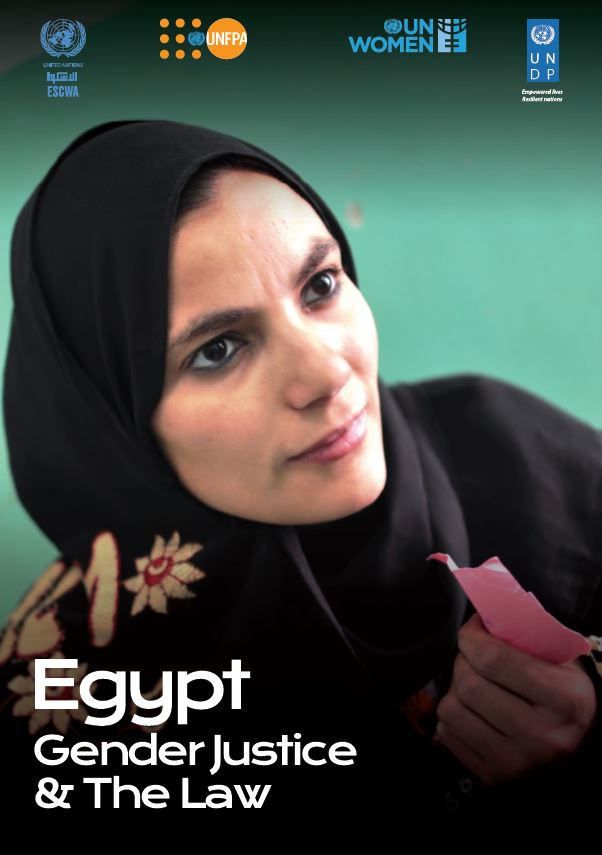 Egypt: Gender Justice and the Law Year of publication: 2018 Corporate author: United Nations Development Programme (UNDP) The United Nations Development Program, in cooperation with UN Women, the United Nations Population Fund and the Economic and Social Commission for Western Asia (ESCWA), has conducted a study on gender justice and the law. The study aims to provide an integrated assessment of laws and policies affecting gender justice and protection from gender-based violence. Gender in the Arab States Region This file focuses on Egypt. مصر: عدالة النوع الاجتماعي والقانون Year of publication: 2018 Corporate author: United Nations Development Programme (UNDP) قام برنامج الأمم المتحدة الإنمائي – بالتعاون مع هيئة الأمم المتحدة للمرأة وصندوق الأمم المتحدة للسكان واللجنة الاقتصادية والاجتماعية لغرب آسيا )الإسكوا( بإجراء دراسة حول عدالة النوع الاجتماعي والقانون. وتهدف الدراسة إلى تقديم تقييم متكامل للقوانين والسياسات المؤثرة على عدالة النوع الاجتماعي والحماية من العنف القائم على النوع الاجتماعي في منطقة الدول العربية. هذا الملف يركز على مصر.
  Preventing Conflict, Transforming Justice, Securing the Peace: A Global Study on the Implementation of United Nations Security Council resolution 1325 Year of publication: 2015 Corporate author: United Nations Entity for Gender Equality and the Empowerment of Women (UN Women) The Global Study on the Implementation of Resolution 1325 is an important part of the United Nations' global agenda for change to better serve the world's most vulnerable people. According to the High Level Independent Panel on United Nations Peace Operations and the Consultative Group of Experts in the 2015 review of the United Nations peacebuilding architecture, changes in conflict may outpace the ability of United Nations peace operations to respond effectively. Any reforms must include gender equality and women's leadership as central components. منع النزاع وتحويل العدالة وضمان السلام: دراسة عالمية حول تنفيذ قرار مجلس األمن التابع لألمم المتحدة رقم 1325 Year of publication: 2015 Corporate author: United Nations Entity for Gender Equality and the Empowerment of Women (UN Women) تمثل الدراسة العالمية بشأن تنفيذ القرار 1325 جزءًا هامًا من جدول أعمال الأمم المتحدة العالمي للتغيير من أجل خدمة أكثر الأشخاص تعرضًا للخطر في العالم على نحوٍ أفضل. طبقًا لما ذكره الفريق المستقل رفيع المستوى المعني بعمليات السلام للأمم المتحدة، وفريق الخبراء الاستشاري في استعراض عام 2015 لهيكل الأمم المتحدة لبناء السلام، فإن التغييرات في النزاع قد تفوق سرعتها قدرة عمليات السلام للأمم المتحدة على الاستجابة بفعالية. ويجب أن تشمل أية إصلاحات المساواة بين الجنسين وقيادة النساء كمكوِّنات مركزية.
  Report of the Committee on the Rights of the Child (General Assembly Official Records Sixty-fifth Session Supplement No. 41) Year of publication: 2010 Corporate author: UN. Committee on the Rights of the Child (UN. CRC) This report reviews the efforts of the Committee on the Rights of the Child, published in 2010. The report is considered a tool to review the Convention on the Rights of the Child and what has been done to achieve it.