
Resources
Explore a wide range of valuable resources on GCED to deepen your understanding and enhance your research, advocacy, teaching, and learning.
19 Results found
 ПОЛОЖЕНИЕ С ПРАВАМИ ЧЕЛОВЕКА В МИРЕ АПРЕЛЬ 2024 Year of publication: 2024 Corporate author: Amnesty International Le Rapport d’Amnesty International décrit la situation des droits humains dans le monde en 2023 dans 155 pays différents. Les équipes de journalistes et d’enquêteurs de l'ONG peignent un portrait plutôt sombre, avec notamment un recul du droit des femmes, les conséquences dramatiques du réchauffement climatique sur les populations les plus vulnérables, le recul du droit de manifester, ou encore la prolifération de la haine en ligne dans le monde. La multiplication des conflits armés et le choc du 7 octobre ont également eu des conséquences dramatiques. Cependant, quelques bonnes nouvelles sont aussi à noter, avec des avancées pour les droits des personnes LGBTI par exemple. Amnesty International Report describes the human rights situation worldwide in 2023 in 155 different countries. TheNGO's teams of journalists and investigators paint a rather gloomy picture, with, in particular, a decline in women's rights, the dramatic consequences of global warming on the most vulnerable populations, a decline in the right to protest, and the proliferation of online hate around the world. The multiplication of armed conflicts and the shock of October 7 have also had dramatic consequences. However, there is some good news too, with advances in LGBTI rights for example. The State of the World’s Human Rights: April 2024 Year of publication: 2024 Corporate author: Amnesty International Le Rapport d’Amnesty International décrit la situation des droits humains dans le monde en 2023 dans 155 pays différents. Les équipes de journalistes et d’enquêteurs de l'ONG peignent un portrait plutôt sombre, avec notamment un recul du droit des femmes, les conséquences dramatiques du réchauffement climatique sur les populations les plus vulnérables, le recul du droit de manifester, ou encore la prolifération de la haine en ligne dans le monde. La multiplication des conflits armés et le choc du 7 octobre ont également eu des conséquences dramatiques. Cependant, quelques bonnes nouvelles sont aussi à noter, avec des avancées pour les droits des personnes LGBTI par exemple. Amnesty International Report describes the human rights situation worldwide in 2023 in 155 different countries. TheNGO's teams of journalists and investigators paint a rather gloomy picture, with, in particular, a decline in women's rights, the dramatic consequences of global warming on the most vulnerable populations, a decline in the right to protest, and the proliferation of online hate around the world. The multiplication of armed conflicts and the shock of October 7 have also had dramatic consequences. However, there is some good news too, with advances in LGBTI rights for example. حالة حقوق الإنسان في العالم: أبريل/نيسان 2024 Year of publication: 2024 Corporate author: Amnesty International Le Rapport d’Amnesty International décrit la situation des droits humains dans le monde en 2023 dans 155 pays différents. Les équipes de journalistes et d’enquêteurs de l'ONG peignent un portrait plutôt sombre, avec notamment un recul du droit des femmes, les conséquences dramatiques du réchauffement climatique sur les populations les plus vulnérables, le recul du droit de manifester, ou encore la prolifération de la haine en ligne dans le monde. La multiplication des conflits armés et le choc du 7 octobre ont également eu des conséquences dramatiques. Cependant, quelques bonnes nouvelles sont aussi à noter, avec des avancées pour les droits des personnes LGBTI par exemple. Amnesty International Report describes the human rights situation worldwide in 2023 in 155 different countries. TheNGO's teams of journalists and investigators paint a rather gloomy picture, with, in particular, a decline in women's rights, the dramatic consequences of global warming on the most vulnerable populations, a decline in the right to protest, and the proliferation of online hate around the world. The multiplication of armed conflicts and the shock of October 7 have also had dramatic consequences. However, there is some good news too, with advances in LGBTI rights for example. 世界人权状况:2024年4月 Year of publication: 2024 Corporate author: Amnesty International Le Rapport d’Amnesty International décrit la situation des droits humains dans le monde en 2023 dans 155 pays différents. Les équipes de journalistes et d’enquêteurs de l'ONG peignent un portrait plutôt sombre, avec notamment un recul du droit des femmes, les conséquences dramatiques du réchauffement climatique sur les populations les plus vulnérables, le recul du droit de manifester, ou encore la prolifération de la haine en ligne dans le monde. La multiplication des conflits armés et le choc du 7 octobre ont également eu des conséquences dramatiques. Cependant, quelques bonnes nouvelles sont aussi à noter, avec des avancées pour les droits des personnes LGBTI par exemple. Amnesty International Report describes the human rights situation worldwide in 2023 in 155 different countries. TheNGO's teams of journalists and investigators paint a rather gloomy picture, with, in particular, a decline in women's rights, the dramatic consequences of global warming on the most vulnerable populations, a decline in the right to protest, and the proliferation of online hate around the world. The multiplication of armed conflicts and the shock of October 7 have also had dramatic consequences. However, there is some good news too, with advances in LGBTI rights for example. 세계 인권 현황 보고서: 2024년 4월 Year of publication: 2024 Corporate author: Amnesty International Le Rapport d’Amnesty International décrit la situation des droits humains dans le monde en 2023 dans 155 pays différents. Les équipes de journalistes et d’enquêteurs de l'ONG peignent un portrait plutôt sombre, avec notamment un recul du droit des femmes, les conséquences dramatiques du réchauffement climatique sur les populations les plus vulnérables, le recul du droit de manifester, ou encore la prolifération de la haine en ligne dans le monde. La multiplication des conflits armés et le choc du 7 octobre ont également eu des conséquences dramatiques. Cependant, quelques bonnes nouvelles sont aussi à noter, avec des avancées pour les droits des personnes LGBTI par exemple. Amnesty International Report describes the human rights situation worldwide in 2023 in 155 different countries. TheNGO's teams of journalists and investigators paint a rather gloomy picture, with, in particular, a decline in women's rights, the dramatic consequences of global warming on the most vulnerable populations, a decline in the right to protest, and the proliferation of online hate around the world. The multiplication of armed conflicts and the shock of October 7 have also had dramatic consequences. However, there is some good news too, with advances in LGBTI rights for example.
 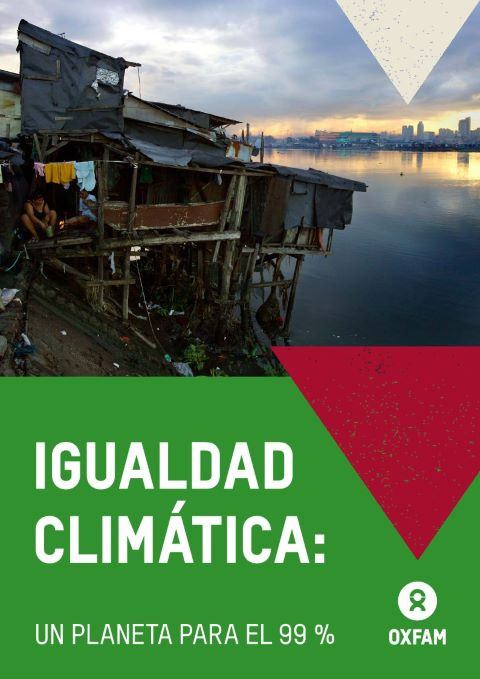 Climate Equality: A PLANET FOR THE 99%; Executive Summary Year of publication: 2023 Author: Ashfaq Khalfan | Astrid Nilsson Lewis | Carlos Aguilar | Max Lawson | Safa Jayoussi | Jacqueline Persson | Nafkote Dabi | Sunil Acharya Corporate author: Oxfam International The world faces twin crises of climate breakdown and runaway inequality.The richest people, corporations and countries are destroying the world with their huge carbon emissions. Meanwhile, people living in poverty, those experiencing marginalization, and countries in the Global South are those impacted the hardest. Women and girls, Indigenous Peoples, people living in poverty and other groups experiencing discrimination are particularly at a disadvantage. The consequences of climate breakdown are felt in all parts of the world and by most people, yet only the richest people and countries have the wealth, power and influence to protect themselves. With that power comes huge responsibility.If no action is taken, the richest will continue to burn through the carbon we have left to use while keeping the global temperature below the safe limit of 1.5°C, destroying any chance of ending poverty and ensuring equality. The world needs an equal transformation. Only a radical reduction in inequality, transformative climate action and fundamentally shifting our economic goals as a society can save our planet while ensuring wellbeing for all. Igualdad cl imática : UN PLANETA PARA EL 99 %; Resumen ejecutivo Year of publication: 2023 Author: Ashfaq Khalfan | Astrid Nilsson Lewis | Carlos Aguilar | Max Lawson | Safa Jayoussi | Jacqueline Persson | Nafkote Dabi | Sunil Acharya Corporate author: Oxfam International NOS ENFRENTAMOS a una CRECIENTE crisis climática y de desigualdad. Las personas, las grandes empresas y los países más ricos están destruyendo el planeta con sus elevadas emisiones de carbono. Mientras tanto, las personas que se encuentran en situación de pobreza, relegadas a la exclusión, y los países del Sur Global son quienes sufren los peores efectos. Las mujeres, las niñas, los pueblos indígenas, las personas que viven en situación de pobreza, y los grupos discriminados son los más vulnerables. Las consecuencias de la crisis climática se hacen visibles en todo el planeta y afectan a la mayoría de la población. Sin embargo, solo aquellas personas y países con acceso a la riqueza, el poder y la influencia están a salvo. Un gran poder conlleva una gran responsabilidad. Necesitamos medidas. De lo contrario, los más ricos seguirán consumiendo de manera masiva el carbono que nos está permitido utilizar dentro del límite de emisiones considerado seguro (para limitar el calentamiento a 1,5 °C), lo que elimina sistemáticamente cualquier posibilidad de acabar con la pobreza y garantizar la igualdad. El mundo pide a gritos una transformación equitativa: exigimos una reducción drástica de la desigualdad, una acción climática transformadora y un cambio fundamental en nuestros objetivos económicos conjuntos para salvar el planeta y garantizar el bienestar para todas las personas. Climate Equality: 기후 평등: 99%를 위한 지구; 요약본 Year of publication: 2023 Author: Ashfaq Khalfan | Astrid Nilsson Lewis | Carlos Aguilar | Max Lawson | Safa Jayoussi | Jacqueline Persson | Nafkote Dabi | Sunil Acharya Corporate author: Oxfam International 세계는 기후 붕괴와 불평등이라는 두 개의 위기를 직면하고 있다최상위 부유층과 기업, 부유국은 막대한 양의 탄소를 배출하며 세계를 파괴하는 주범이 되고 있다. 그러나 가장 크게 타격을 받는 이들은 빈곤층, 소외계층, 그리고 남반구 국가이다. 특히 여성과 소녀, 선주민, 빈곤과 차별을 겪는 이들이 겪는 피해 규모는 훨씬 더 크다. 전 세계 대부분이 기후 붕괴의 결과를 체감하고 있으나, 최상위 부유층과 부유국만이 스스로를 보호하기 위한 부와 권력, 그리고 영향력을 보유하고 있다. 그러한 힘에는 막대한 책임감이 따라야 한다. 아무런 조치도 취하지 않는다면 1.5°C 이하라는 안전한 지구 온난화 한도를 유지하면서 배출가능한 남은 탄소량을 부유층이 전부 소진하고, 빈곤 퇴치와 평등 확보를 위한 길은 끊어질 것이다. 지금 세계는 평등한 변혁을 필요로 한다. 불평등 대폭 축소, 기후 관련 대대적 조치, 그리고 공동의 사회로서 경제적 목표를 근본적으로 탈바꿈 할 수 있는 행동만이 모두를 위한 복지를 보장하면서도 지구를 구할 수 있는 유일한 방법이다. La situation des droits humains dans le monde: Avril 2024 Year of publication: 2024 Corporate author: Amnesty International Le Rapport d’Amnesty International décrit la situation des droits humains dans le monde en 2023 dans 155 pays différents. Les équipes de journalistes et d’enquêteurs de l'ONG peignent un portrait plutôt sombre, avec notamment un recul du droit des femmes, les conséquences dramatiques du réchauffement climatique sur les populations les plus vulnérables, le recul du droit de manifester, ou encore la prolifération de la haine en ligne dans le monde. La multiplication des conflits armés et le choc du 7 octobre ont également eu des conséquences dramatiques. Cependant, quelques bonnes nouvelles sont aussi à noter, avec des avancées pour les droits des personnes LGBTI par exemple. Amnesty International Report describes the human rights situation worldwide in 2023 in 155 different countries. TheNGO's teams of journalists and investigators paint a rather gloomy picture, with, in particular, a decline in women's rights, the dramatic consequences of global warming on the most vulnerable populations, a decline in the right to protest, and the proliferation of online hate around the world. The multiplication of armed conflicts and the shock of October 7 have also had dramatic consequences. However, there is some good news too, with advances in LGBTI rights for example. La situación de los derechos humanos en el mundo: abril de 2024 Year of publication: 2024 Corporate author: Amnesty International Le Rapport d’Amnesty International décrit la situation des droits humains dans le monde en 2023 dans 155 pays différents. Les équipes de journalistes et d’enquêteurs de l'ONG peignent un portrait plutôt sombre, avec notamment un recul du droit des femmes, les conséquences dramatiques du réchauffement climatique sur les populations les plus vulnérables, le recul du droit de manifester, ou encore la prolifération de la haine en ligne dans le monde. La multiplication des conflits armés et le choc du 7 octobre ont également eu des conséquences dramatiques. Cependant, quelques bonnes nouvelles sont aussi à noter, avec des avancées pour les droits des personnes LGBTI par exemple. Amnesty International Report describes the human rights situation worldwide in 2023 in 155 different countries. TheNGO's teams of journalists and investigators paint a rather gloomy picture, with, in particular, a decline in women's rights, the dramatic consequences of global warming on the most vulnerable populations, a decline in the right to protest, and the proliferation of online hate around the world. The multiplication of armed conflicts and the shock of October 7 have also had dramatic consequences. However, there is some good news too, with advances in LGBTI rights for example.