
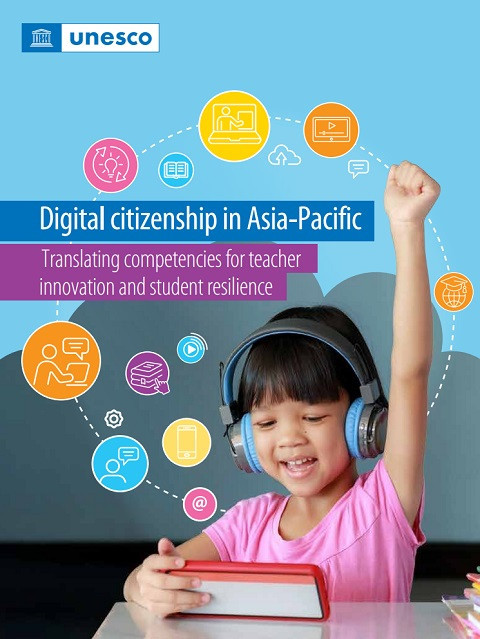
Digital Citizenship in Asia-Pacific: Translating Competencies for Teacher Innovation and Student Resilience
- Autor Corporativo
- UNESCO Bangkok
- ISBN
- ISBN 978-92-9223-696-0
- Colección
- 121 p.
- Idioma del recurso
- inglés
- Año de publicación
- 2023
- Tema
- Civiles / Ciudadanía / DemocraciaAlfabetización mediática e informacional / Ciudadanía digitalIniciativas transformadoras / Pedagogías transformadoras
- Tipo de Recurso
- Research papers / journal articles
- Nivel de Educación
- Educación primariaEducación secundariaEducación superiorOtros
- Región
- Asia y el Pacífico
- Lugar de publicación
- Paris; Bangkok
A digitally-equipped and competent teaching force is crucial for cultivating students' digital citizenship skills. This UNESCO report, consisting of a comprehensive analysis comprising 15 countries in the Asia-Pacific region, unveils compelling evidence pertaining to what factors influence teachers' Information and Communication Technology (ICT) skills and their impact on students’ digital citizenship competencies. Perhaps unsurprisingly, the findings of this report show that students are developing most of their digital citizenship competencies through self-directed learning and outside of school. Nevertheless, teachers still play an important role, particularly in coaching students to use technology safely and effectively. Thus as UNESCO reports, Digital Creativity and Innovation remains relatively underdeveloped in all participating research countries. Additionally, female students tend to benefit more from teachers' guidance and advice, especially in terms of Digital Safety and Resilience. Support for teachers in terms of access to ICT infrastructure and training on ICT and pedagogical skills will contribute towards improving their ability to effectively guide and mentor their students, ultimately leading to better outcomes in terms of digital citizenship competencies. To achieve this, it is important for education systems to develop comprehensive and contextualized approaches to enhance digital citizenship capacities in teachers. Education policymakers and leaders are encouraged to use the 10 recommendations herein as a ‘roadmap’ to ensure that teachers are equipped with the necessary skills and knowledge to effectively integrate digital citizenship education into their teaching practices. This will ultimately help prepare students for the digital world and ensure their safety and well-being online.
Recursos Relacionados
-
 IIEP-UNESCO 12th Medium-Term Strategy: 2026–2029
 -
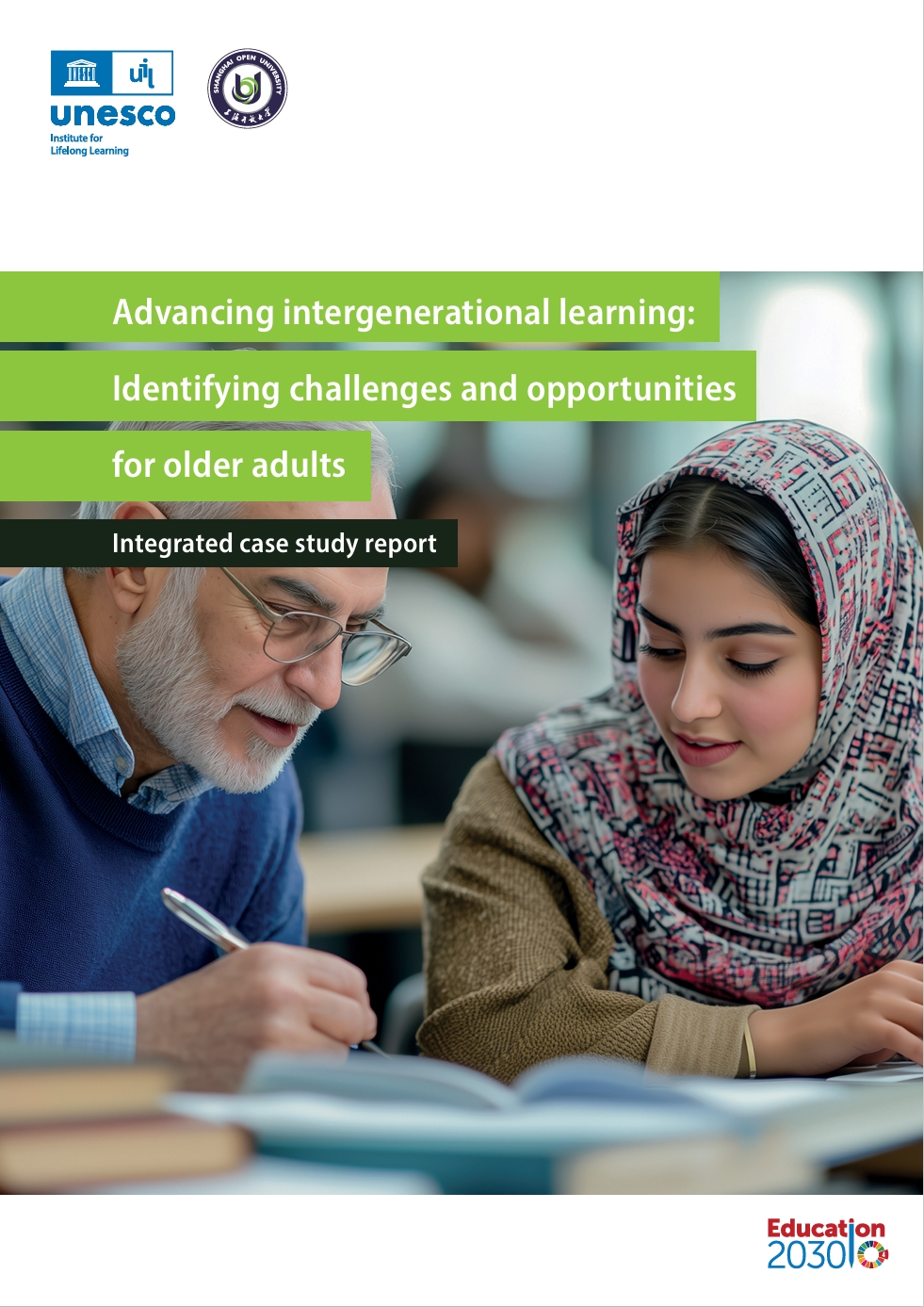 Advancing Intergenerational Learning: Identifying Challenges and Opportunities for Older Adults; Integrated Case Study Report
 -
 Digital Empowerment for Lifelong Learning and Transformative Andragogy (DELTA) for Adult Educators: Introduction to the DELTA Framework and Resources
 -
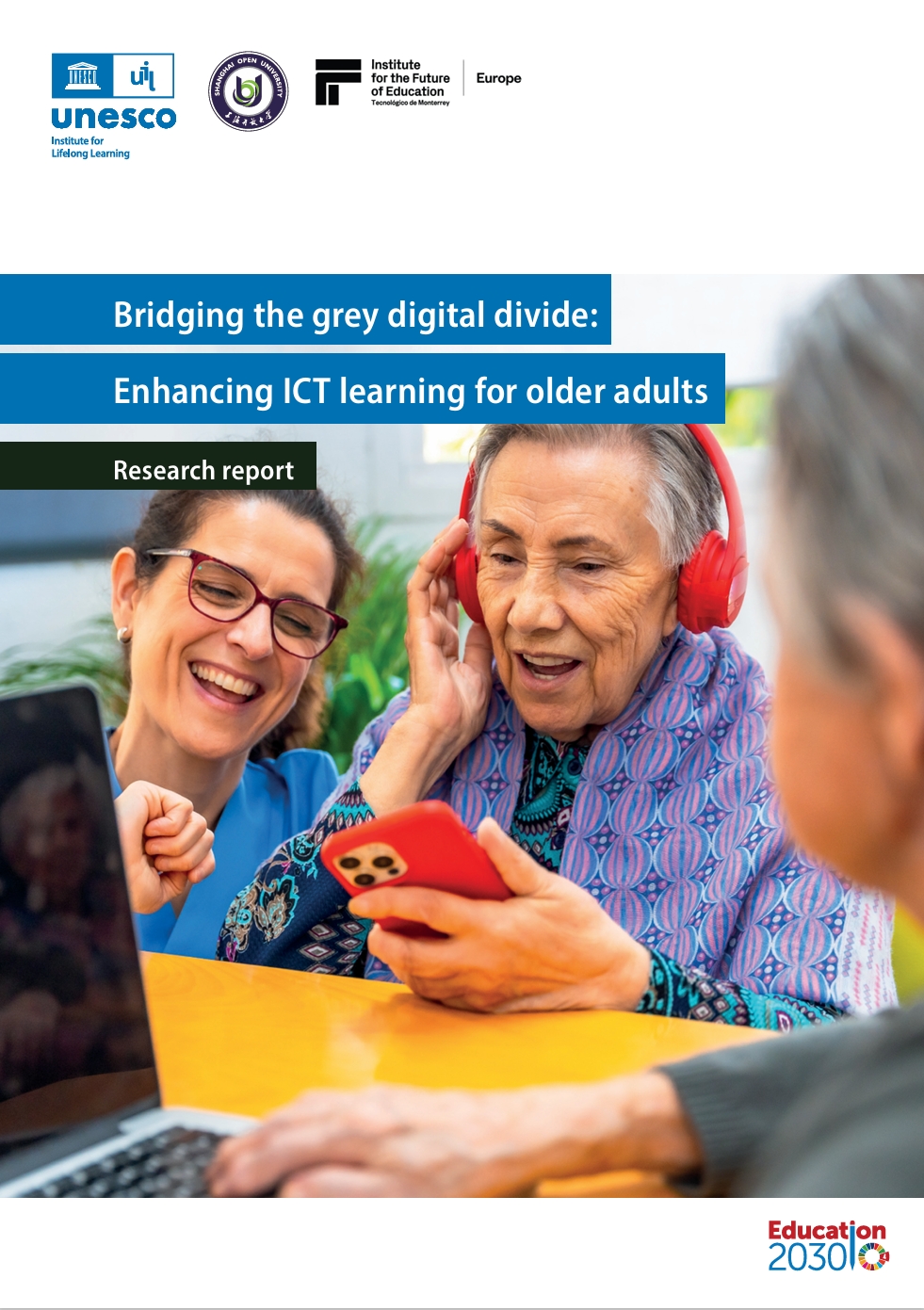 Bridging the Grey Digital Divide: Enhancing ICT Learning for Older Adults; Research Report