
Experience and Project: Dewey thought Translated into Pedagogical Action
- Autor
- Marc Boutet
- Autor Corporativo
- Phronesis
- ISBN
- ISSN 1925-4873 (numérique)
- Colección
- p. 23–34
- Idioma del recurso
- francés
- Año de publicación
- 2016
- Tipo de Recurso
- International normative instruments / policy and advocacy documentsPlanes de estudios, material didáctico y guías
- Nivel de Educación
- Educación primariaEducación secundaria
- Región
- Europa y América del Norte
- Lugar de publicación
- Québec
John Dewey talks about child as an «agency of doing» which, by its action, strives to create meaning. From this view, Dewey offers new teaching principles focusing on learning in a context of free activity rather than in a context of restrictive discipline. The child is no longer just invited to represent the phenomenon to understand, it is somehow invited to meet it, to experience it, experience being defined as a transaction between the human being and physical and social environment. Dewey also said that the lack of continuity in the experience marks the beginning of the learning process, he called inquiry, no longer described as essentially individualistic, which bases his epistemic perception of democracy. After briefly describing our meeting with Dewey’s educational thought, we will try to establish, from his conception of action, inquiry and democracy, how his thought can be considered as a foundation for a major innovation educational innovation symbolizing education reform in Quebec of the 2000s: the project approach.
Recursos Relacionados
-
 Study on the Historical Impact of the 1974 Recommendation concerning Education for International Understanding, Cooperation and Peace and Education relating to Human Rights and Fundamental Freedoms
 -
 IIEP-UNESCO 12th Medium-Term Strategy: 2026–2029
 -
 More than Welcome: Intercultural Integration of Migrants in and Through Higher Education
 -
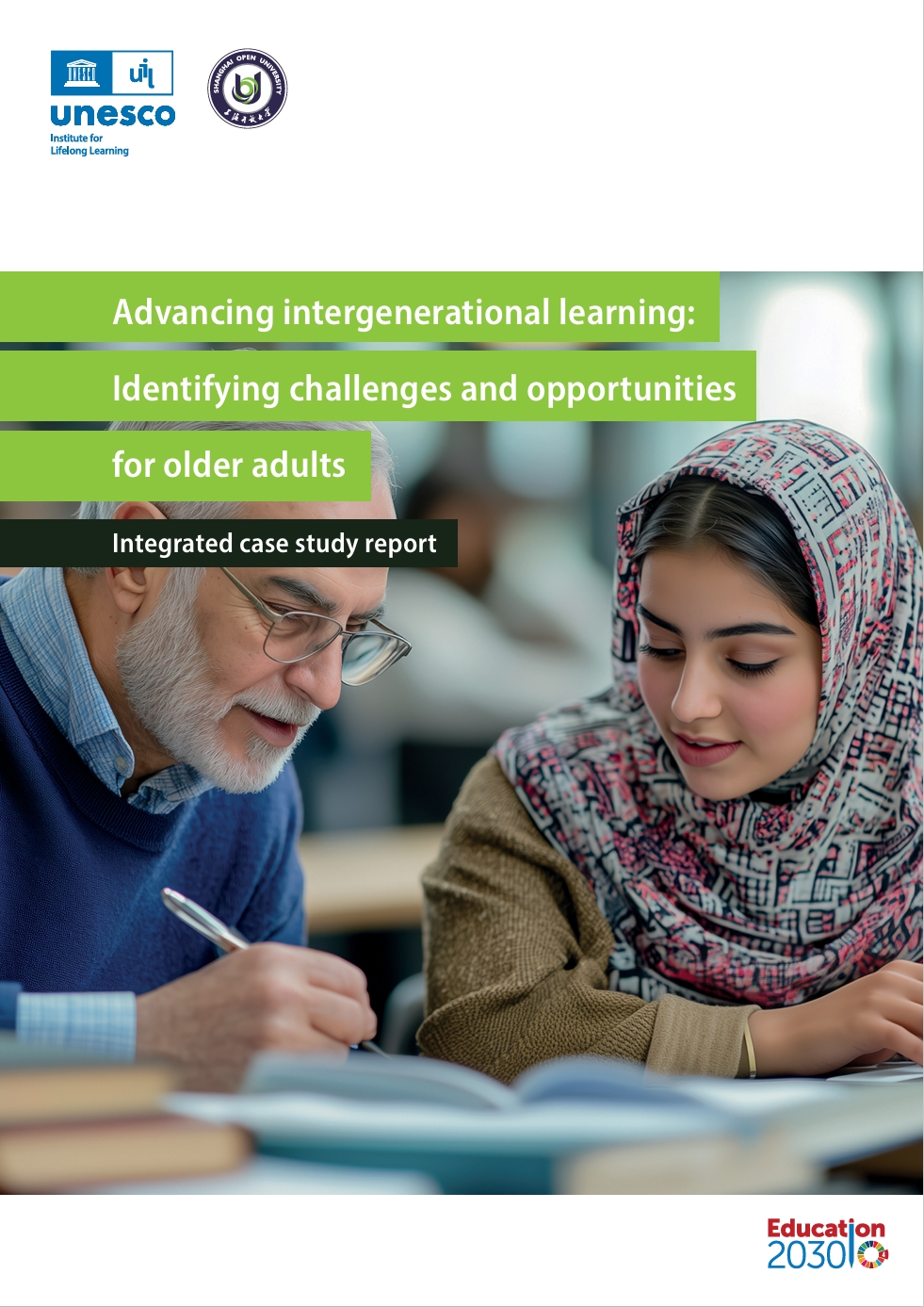 Advancing Intergenerational Learning: Identifying Challenges and Opportunities for Older Adults; Integrated Case Study Report