
Memoria, trasmissione e verità storica
How can we explain the contradiction between, on the one hand, the decline of teaching in contemporary history, which necessarily brings about the decline of the "Shoah" historical event itself, and, on the other hand, the ever growing attention on the memory of the genocide of the Jews? In the past year alone, ten " memory trains" left Italy with more than fifteen thousand students to visit Poland - thereby making our country the third country in the world in terms of the number of visitors to Holocaust sites. Under the banner of the "duty of memory" and an approach to the Shoah, with more and more devotion to human rights and moral education, most teachers prefer to focus on the visit to the places of the massacre and on the testimonies of survivors, rather than on a historical and political reconstruction of the context and the facts. Precisely because the narrator-victims are survivors of the camps, they are the mediators between the darkness of the obscene world they were compelled to see, and the world of the listeners: they are the human faces of a universe of nameless victims, and their stories are the key for us to question our sense of responsibility. However, with no solid historical teaching, their narration elicits only an emotive participation; it provides the impression that we have fulfilled a moral duty, but it remains, in actual fact, incomprehensible. (By the author)
Recursos Relacionados
-
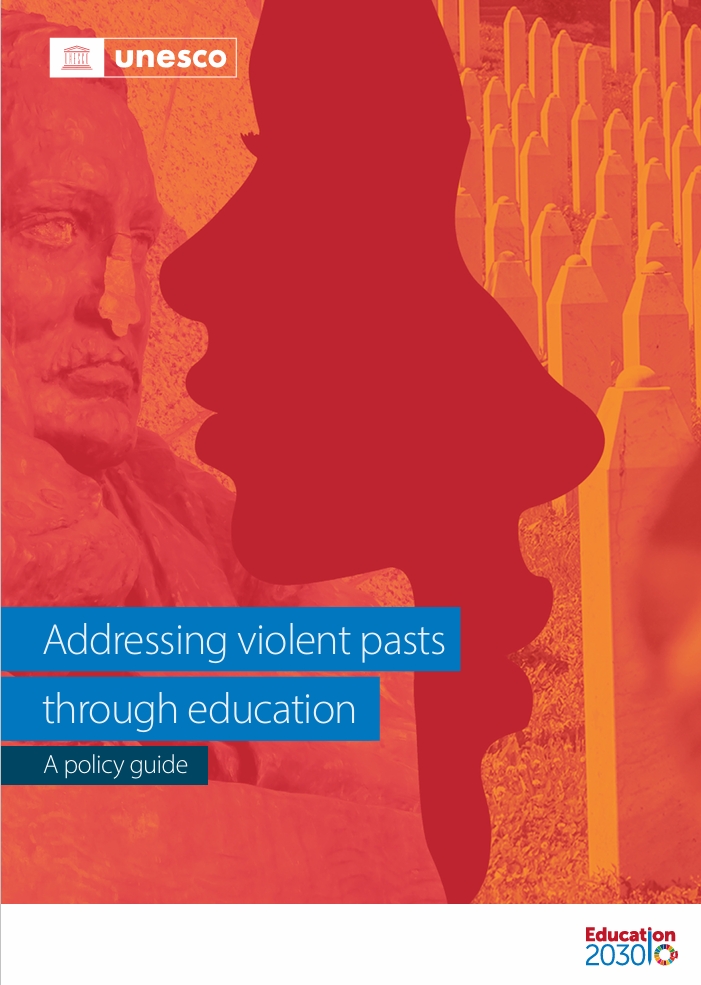 Addressing Violent Pasts Through Education: A Policy Guide
 -
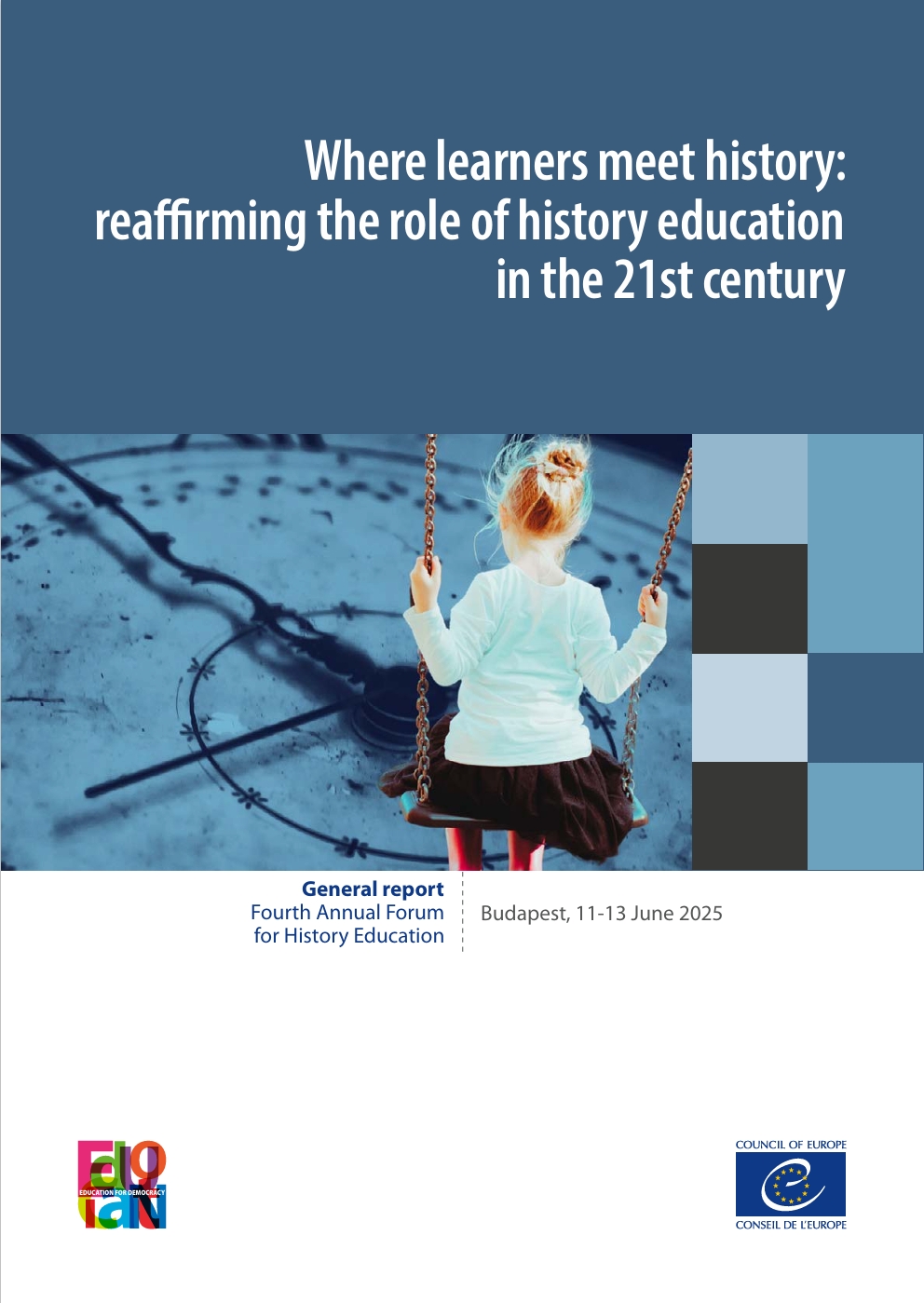 Where Learners Meet History: Reaffirming the Role of History Education in the 21st Century
 -
 Voices Against Violence: Middle Years
 -
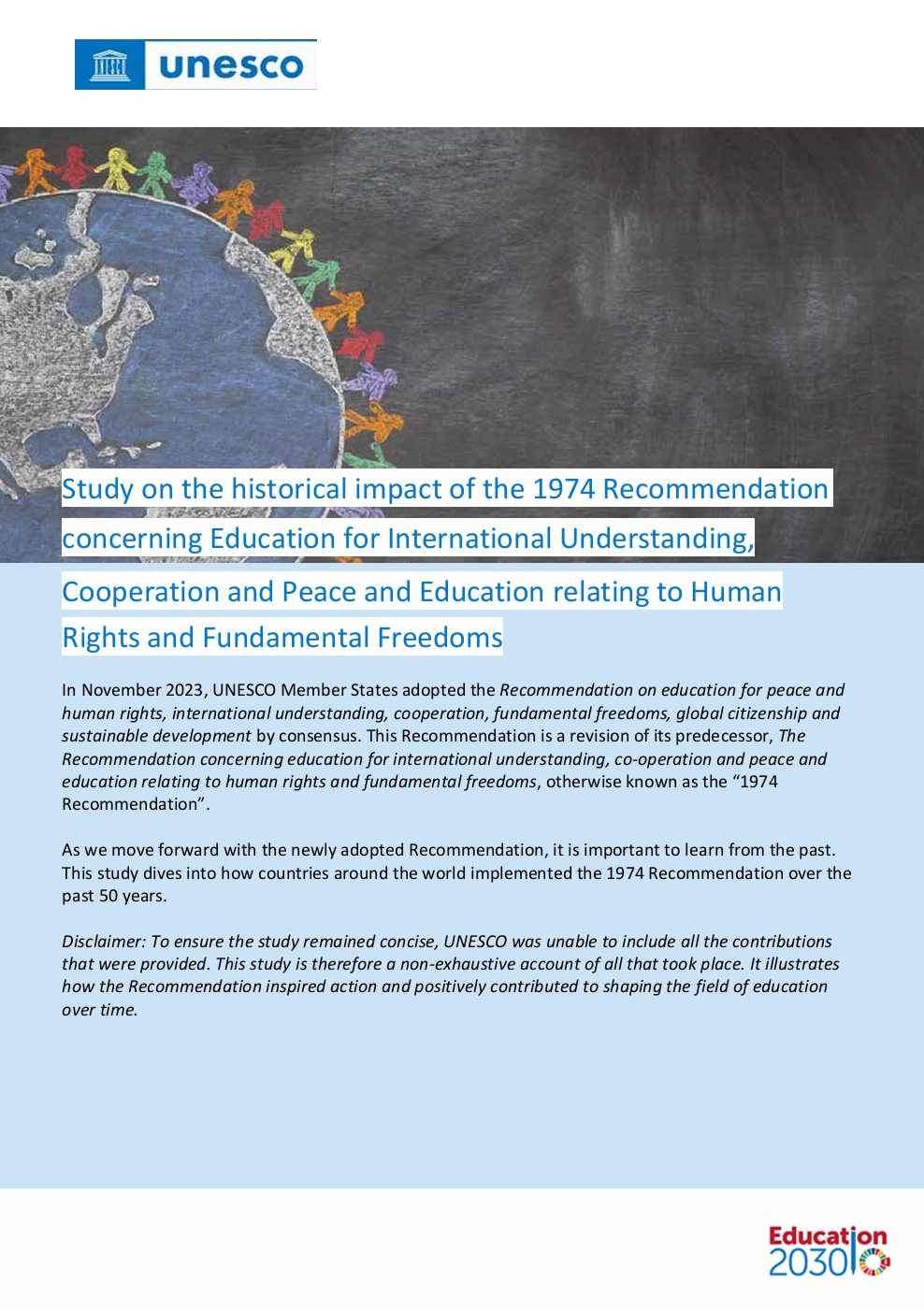 Study on the Historical Impact of the 1974 Recommendation concerning Education for International Understanding, Cooperation and Peace and Education relating to Human Rights and Fundamental Freedoms