
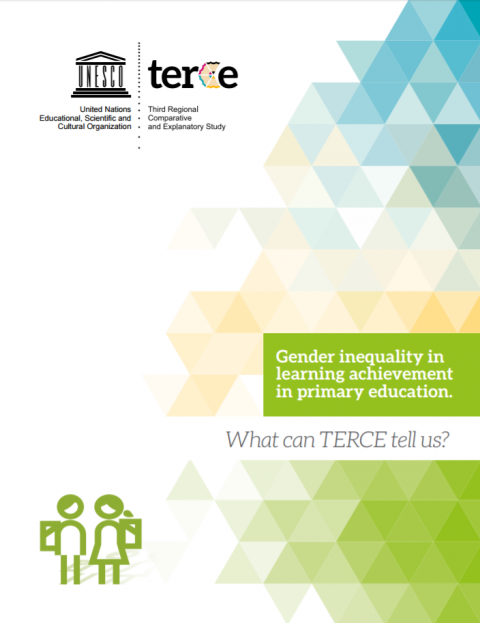
Inequidad de género en los logros de aprendizaje en educación primaria ¿Qué nos puede decir TERCE?
- Autor Corporativo
- UNESCO Santiago
- Colección
- 118 p.
- Idioma del recurso
- inglés
- Año de publicación
- 2016
- Palabra Clave
- Igualdad de géneroEducación de chicasAcademic achievementMathematics educationScience educationReading ability
- Tema
- Globalización y justicia social / Comprensión internacionalDesarrollo sostenible / Sostenibilidad
- Tipo de Recurso
- Research papers / journal articles
- Nivel de Educación
- Educación primaria
- Región
- América Latina y el Caribe
- Lugar de publicación
- Santiago
Existing research identifies several significant, subject-based gender inequalities in education. Male learners have significant advantages in mathematics and female learners have no less significant advantages in reading and writin. Such considerable differences in achievement may have important consequences for the future wellbeing of students. In order to shed light on this phenomenon in Latin America, this report analyzes the gender gaps in educational achievement in the Third Regional Comparative and Explanatory Study (TERCE) led by the Latin American Laboratory for Assessment of the Quality of Education (LLECE).
Recursos Relacionados
-
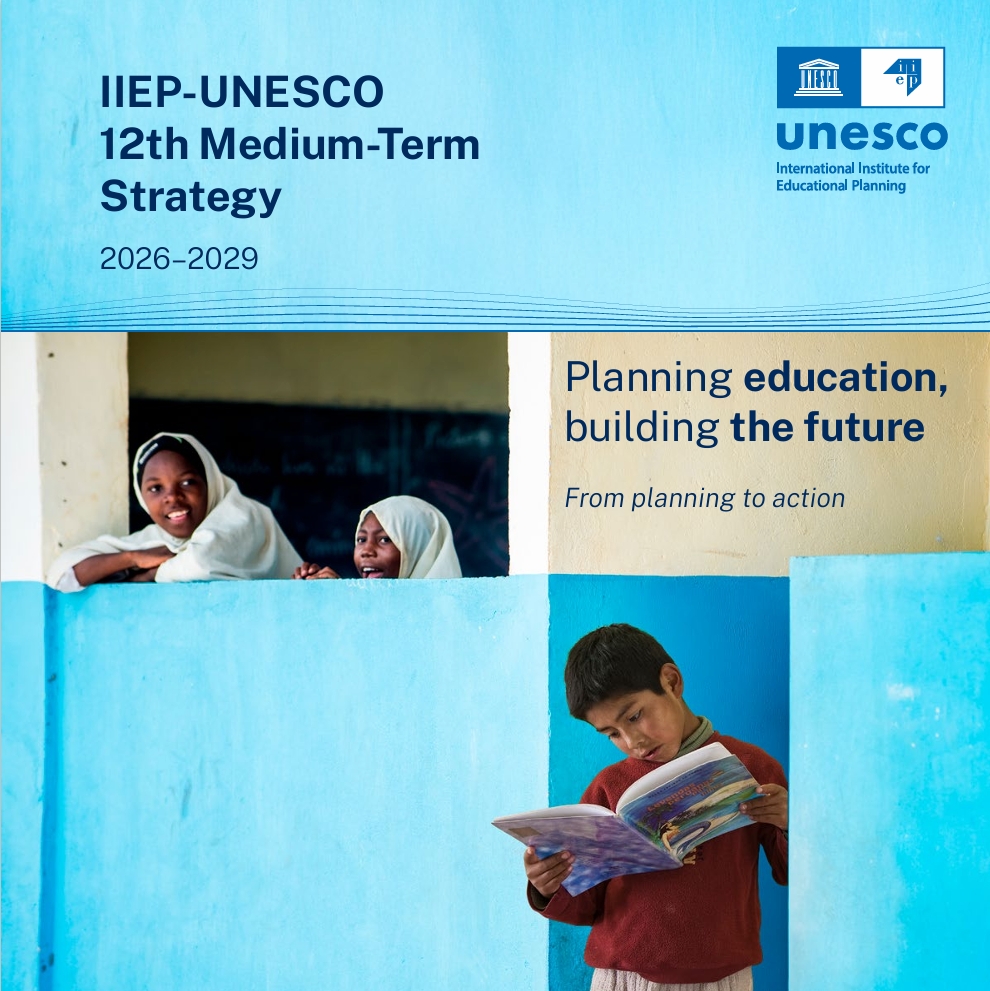 IIEP-UNESCO 12th Medium-Term Strategy: 2026–2029
 -
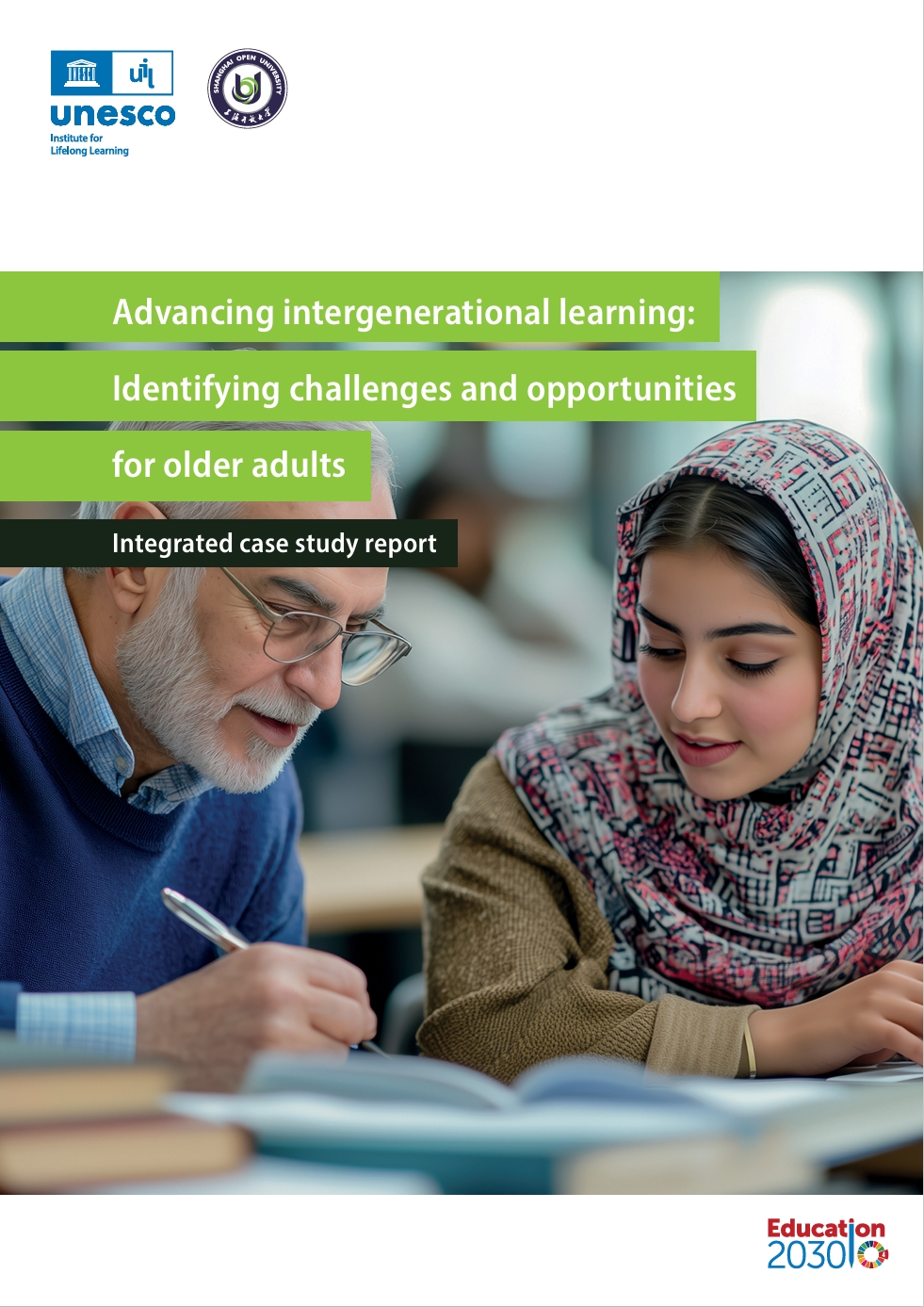 Advancing Intergenerational Learning: Identifying Challenges and Opportunities for Older Adults; Integrated Case Study Report
 -
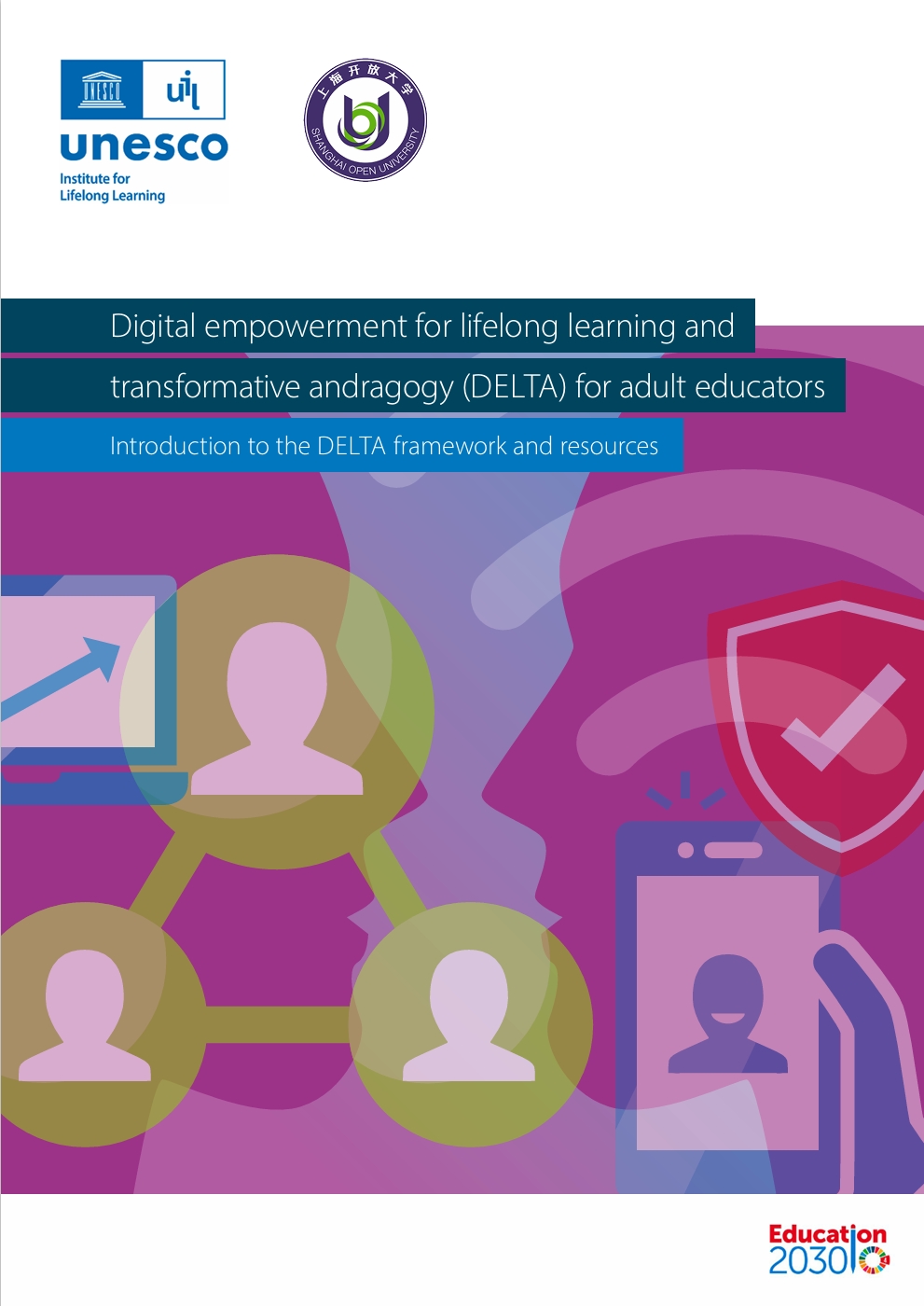 Digital Empowerment for Lifelong Learning and Transformative Andragogy (DELTA) for Adult Educators: Introduction to the DELTA Framework and Resources
 -
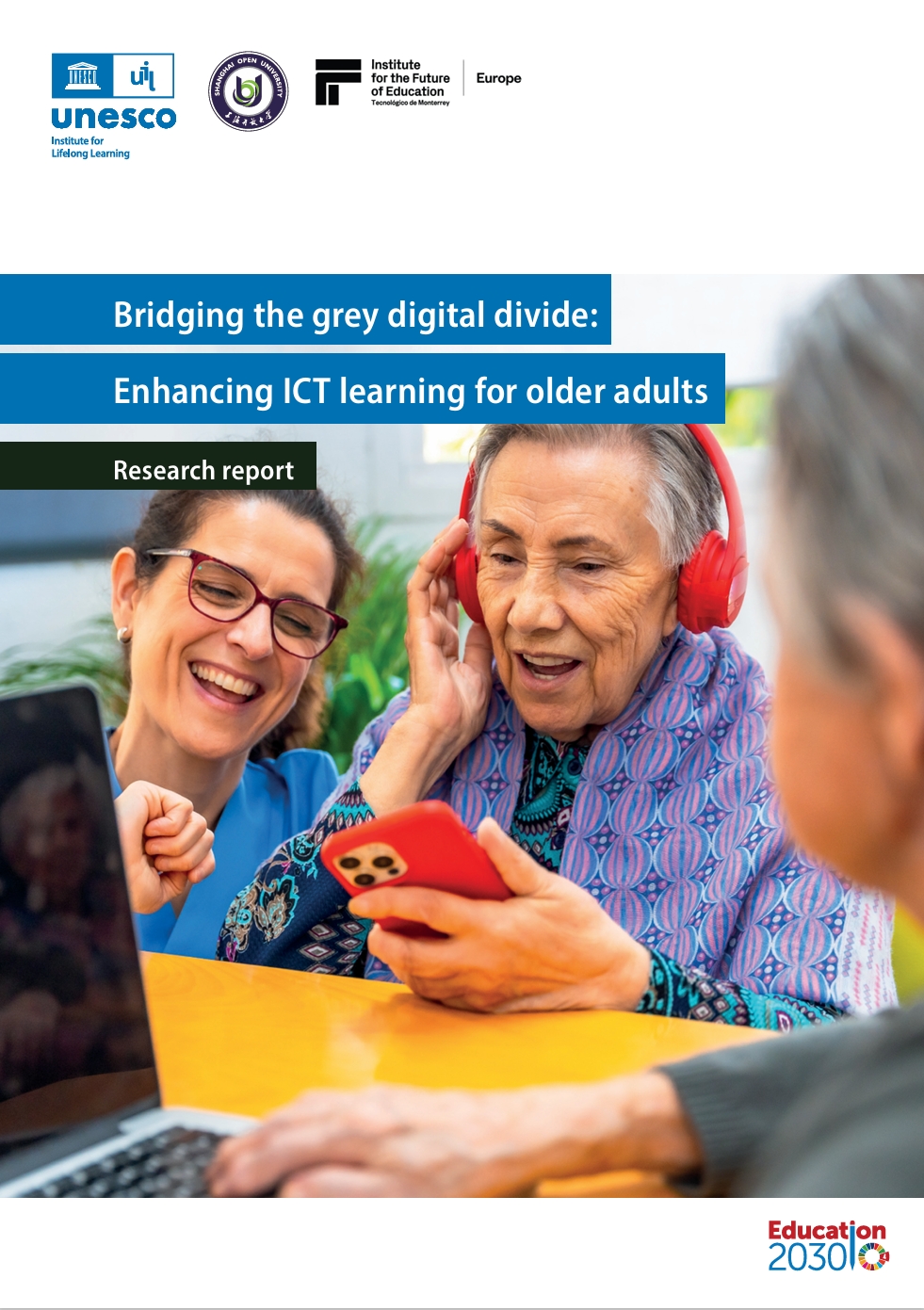 Bridging the Grey Digital Divide: Enhancing ICT Learning for Older Adults; Research Report