
Recursos
Exploren una amplia gama de recursos valiosos en GCED para profundizar su comprensión y promover su búsqueda, incidencia, enseñanza y aprendizaje.
97 resultados encontrados
 평생학습 문화 수용하기: '교육의 미래' 이니셔티브에 대한 기여 Año de publicación: 2020 Autor corporativo: UNESCO Institute for Lifelong Learning (UIL) 유네스코 ‘교육의 미래’ 이니셔티브의 일환으로 발간되는 이 보고서는 교육 분야를 변화시키고, 보다 지속가능하고 건강하며 포용적인 미래를 만들기 위해 이루어진 평생학습의 잠재적 기여를 고찰하고 있다. 이 보고서는 서로 다른 분야와 국가에서 온 12명의 저명한 전문가들의 통찰력을 바탕으로, 평생학습에 대한 확고한 비전과 이를 뒷받침하는 가치와 원칙을 제시한다. 아울러, 교육의 사회적⋅개인적 차원을 인식하고, 평생학습을 새로운 인권으로 인정할 것을 국제사회에 요청하고 있다.이 보고서는 평생학습의 비전을 실현하기 위해서는 인류가 당면한 도전과제의 복잡하고 다차원적인 성격을 효과적으로 파악할 수 있는 초학제적 접근방식을 채택해야 한다고 주장한다. 이 책의 구성은 평생학습을 교육 정책의 주요 원칙으로 삼고, 배경이나 여건에 관계없이 모든 사람들에게 전 생애에 걸쳐 학습 기회를 제공할 수 있는 ‘우호적인 환경’의 주요 특징을 요약하고 있다. 그리고 일련의 주요 메시지를 결론으로 제시하고, 구체적인 행동 방침과 선정된 정책 조치를 보완적으로 논의하고 있다.
 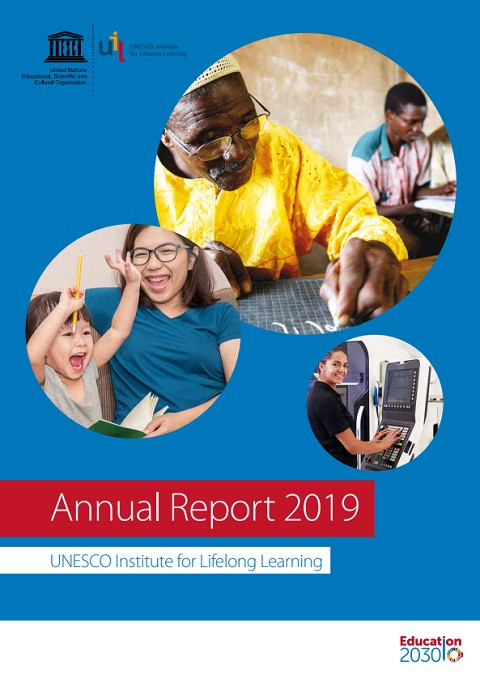 Annual Report 2019: UNESCO Institute for Lifelong Learning Año de publicación: 2020 Autor corporativo: UNESCO Institute for Lifelong Learning (UIL) This report shows how, in 2019, UIL worked to fulfil its mission, with a focus on youth and adults and a special emphasis on UNESCO’s priority areas of Africa and gender equality. UIL’s vision is for all children, young people and adults to benefit from quality lifelong learning opportunities, within the framework of sustainable development and peace. We promote lifelong learning as the leading educational paradigm for inclusive and sustainable learning societies in the context of the United Nations’ 2030 Agenda for Sustainable Development, which provides an ambitious set of goals and targets for Member States that together form a coherent, universal framework of reference for our activities. Working to this framework, and recognizing lifelong learning’s important transversal role not only with respect to Sustainable Development Goal (SDG) 4 on education but across all 17 SDGs, UIL has made an impact across a range of fronts, including in the areas of policy advice, capacity development, research, monitoring, and networking and advocacy.
 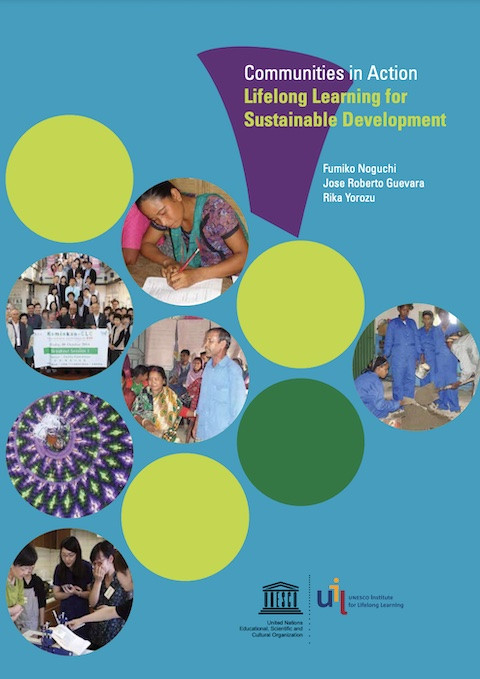 Communities in Action: Lifelong Learning for Sustainable Development Año de publicación: 2015 Autor: Fumiko Noguchi | Jose Roberto Guevara | Rika Yorozu Autor corporativo: UNESCO Institute for Lifelong Learning (UIL) This handbook identifies principles and policy mechanisms to advance communitybased learning for sustainable development, based on the commitments endorsed by the participants of the Kominkan-CLC International Conference on Education for Sustainable Development, which was held in Okayama City, Japan, in October 2014. To inform policymakers and practitioners new to this field, the handbook clarifies the international vision and goals for sustainable development and Education for Sustainable Development (ESD), and identifies the potential contributions of community-based learning centres and organizations. It documents both policy and practice from different regions and concludes with a summary of principles and policy support mechanisms. Comunidades en acción: Aprendizaje a lo largo de toda la vida para el desarrollo sostenible Año de publicación: 2015 Autor: Fumiko Noguchi | Jose Roberto Guevara | Rika Yorozu Autor corporativo: UNESCO Institute for Lifelong Learning (UIL) En este manual se identifican los principios y los mecanismos asociados a políticas destinados a promover el aprendizaje comunitario para el desarrollo sostenible, sobre la base de los compromisos suscritos por los participantes en la Conferencia Internacional Kominkan-CAC sobre Educación para el Desarrollo Sostenible, celebrada en Okinawa, Japón, en octubre de 2014. Como una manera de poner en antecedentes a los diseñadores de políticas y a los profesionales que se están iniciando en esta área, en el manual se exponen con claridad la visión y los objetivos internacionales respecto del desarrollo sostenible y la educación para el desarrollo sostenible (EDS), y asimismo se identifican las potenciales contribuciones de los centros y las organizaciones de aprendizaje comunitario. El documento entrega información sobre las políticas y las prácticas de distintas regiones, y concluye con un resumen de los principios y los mecanismos de apoyo basados en políticas.
  A Transformative Agenda: Outcomes of the CONFINTEA VII Regional Preparatory Conferences Año de publicación: 2022 Autor corporativo: UNESCO Institute for Lifelong Learning (UIL) In preparation for the Seventh International Conference on Adult Education (CONFINTEA VII), in Marrakech, Morocco, in June 2022, a series of regional conferences took place between February and September 2021, in some cases preceded by sub-regional consultations. Each of the regional preparatory conferences produced an outcome document summarizing the discussion, including key achievements in adult learning and education, crucial challenges and key recommendations. This document provides a synthesis of the outcomes of these regional and subregional consultations and will contribute to the Marrakech Framework for Action, the main outcome document from CONFINTEA VII, as well as providing a guide for all relevant stakeholders and UNESCO Member States to the key current issues in adult learning and education.
  Citizenship Education for Democratic and Sustainable Communities Año de publicación: 2021 Autor: Dimitris Deligiannis | Kleoniki Tsiougou | Vicky Goutha | Antonis Moutselos | Ted Fleming Autor corporativo: UNESCO Institute for Lifelong Learning (UIL) | City of Larissa (Greece) | City of Yeonsu-Gu (Republic of Korea) This publication aims to make readers aware of the importance of citizenship education (CE) in local communities within the framework of lifelong learning. It supports cities and citizens in advancing their work on this critical aspect of formal and non-formal education, and in striving for progress in the provision of CE for youth and adult learners. It is mainly based on information from the 2020 survey of cluster members, as well as on case studies and inputs from the conference, ‘Strengthening citizenship education at local level’, which was held virtually on 12 and 13 November 2020. 민주적이고 지속가능한 지역사회를 위한 시민성 교육 Año de publicación: 2021 Autor: Dimitris Deligiannis | Kleoniki Tsiougou | Vicky Goutha | Antonis Moutselos | Ted Fleming Autor corporativo: UNESCO Institute for Lifelong Learning (UIL) | City of Larissa (Greece) | City of Yeonsu-Gu (Republic of Korea) 본 책자는 독자들이 평생학습체계 안에서 지역사회에서 이루어지는 시민성교육의 중요성을 인식하도록 돕기 위해 발간되었다. 또한, 본 책자는 도시와 시민들이 정규 및 비형식교육의 중요한 영역에서 자신들의 활동을 발전시키고, 청소년과 성인 대상의 시민성교육을 더욱 효과적으로 제공하기 위해 노력하는 것을 지원한다. 책자의 내용은 2020년에 세계시민성교육 클러스터 회원도시를 대상으로 진행된 설문조사의 결과와 ‘지역사회에서의 시민성교육 강화’라는 주제로 지난 2020년 11월 12일부터 13일, 양일에 걸쳐 온라인으로 개최된 세계시민성교육 클러스터 국제회의에서 다룬 도시별 사례 연구와 참여 전문가들의 기조연설 및 의견을 바탕으로 작성되었다.
  Curriculum globALE: Рамка компетенций преподавателей для взрослых Año de publicación: 2021 Autor corporativo: DVV International | German Institute for Adult Education, Leibniz Centre for Lifelong Learning | International Council for Adult Education | UNESCO Institute for Lifelong Learning (UIL) В этой публикации представлена Curriculum globALE, базовая система компетенций для подготовки педагогов для взрослых во всем мире. Предлагая модульную структуру, основанную на компетенциях, и междисциплинарный подход, Curriculum globALE уникален своей целью сделать обучение и образование взрослых (ALE) профессиональным в международном масштабе с помощью компетенций, которые помогают преподавателям для взрослых работать в любой образовательной среде, поле или форма. Он стремится обеспечить, чтобы знания, компетенции, навыки и отношение педагогов соответствовали профессиональному стандарту. Curriculum globALE подходит для различных контекстов, а его характер и структура позволяют включать его в различные национальные системы образования. Учебный план globALE направлен на: повышать профессионализацию ООВ путем предоставления общей справочной системы для программ обучения взрослых и предлагаемого стандарта компетенций для преподавателей для взрослых оказывать поддержку провайдерам ООВ в разработке и реализации программ «обучения инструкторов» способствовать обмену знаниями и взаимопониманию между педагогами для взрослых во всем мире.
 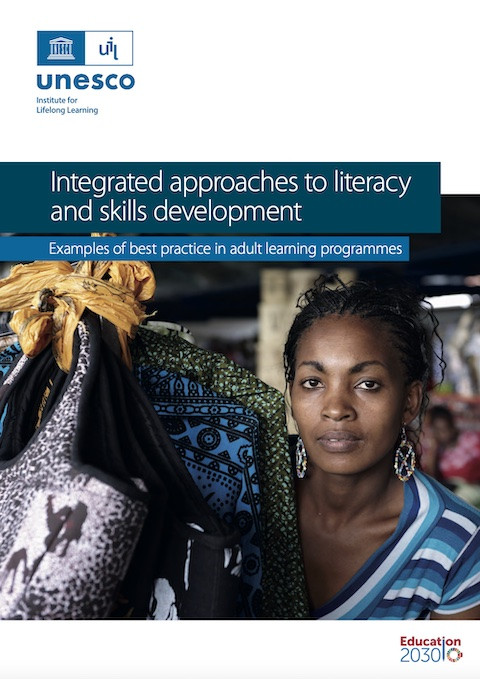 Integrated Approaches to Literacy and Skills Development: Examples of Best Practice in Adult Learning Programmes Año de publicación: 2021 Autor corporativo: UNESCO Institute for Lifelong Learning (UIL) Since the first coronavirus case was reported to the World Health Organization in December 2019, millions of youth and adults around the globe – especially those with low literacy skills – have faced increased challenges to securing meaningful work and safeguarding their livelihoods. A more integrated approach to youth and adult learning and education, combining basic literacy, vocational and life skills, is needed now more than ever.This publication showcases selected examples of integrated youth and adult learning and education programmes featured in the UNESCO Effective Literacy and Numeracy Practices Database, also known as LitBase. Implemented in various social, cultural and economic contexts around the world, the programmes featured herein reveal not only the transformative potential that enhancing the quality of youth and adult learning and education can have, but also lay bare the hurdles and potential pathways to consider when planning effective integrated programmes.Integrated approaches to literacy and skills development: Examples of Best Practice in Adult Learning Programmes is useful not only for policy-makers, providers and educators who plan to implement integrated adult education programmes but also for those trying to help the most vulnerable groups reach their highest potential.
 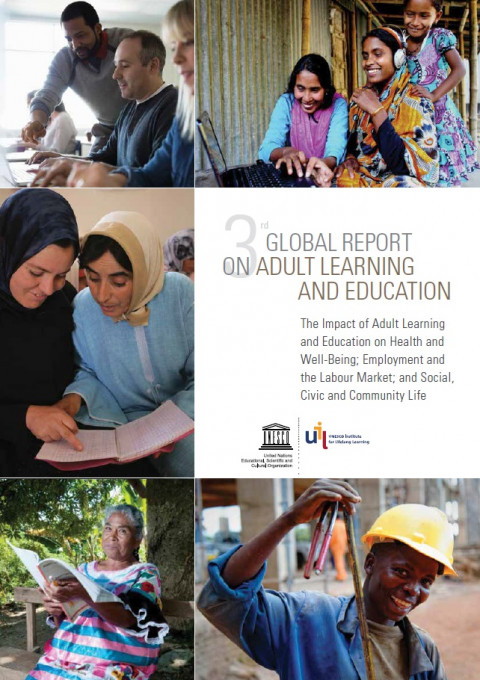 Третий Глобальный доклад по обучению и образованию взрослых (ООВ) ий Влияние образования взрослых на здоровье и благополучие, занятость и рынок труда, социальную, гражданскую и общественную жизнь Año de publicación: 2016 Autor corporativo: UNESCO Institute for Lifelong Learning (UIL) Данный доклад является результатом деятельности международного сообщества и связан с разработкой повестки дня в области устойчивого развития 2030 года, а также справочными и информационными документами, предоставляющими информацию для аналитиков и политиков, и напоминают государствам-членам об их обязательстве. Здесь политические деятели найдут веские доказательства в поддержку политики, стратегий и бюджетов. Заинтересованные стороны найдут убедительные аргументы того, как обучение и образование взрослых способствует устойчивому развитию, здоровому обществу, улучшению рабочих мест и более активной гражданской позиции. Исследователи найдут возможности и идеи для будущих исследований.