
Recursos
Exploren una amplia gama de recursos valiosos en GCED para profundizar su comprensión y promover su búsqueda, incidencia, enseñanza y aprendizaje.
31 resultados encontrados
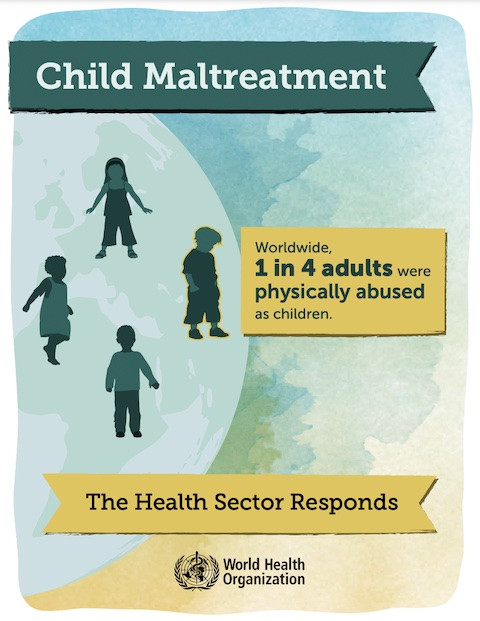 Child Abuse: The Health Sector Responds Año de publicación: 2017 Autor corporativo: World Health Organization (WHO) This document presents a review on child abuse, which is presented in five ways, physical, sexual, psychological and neglect, each causing adverse effects on the health of children. Child abuse is widespread worldwide. It has immediate and long-term effects that can last a lifetime. It presents the factors involved in child abuse, as well as the strategies that can help prevent it. Maltrato infantil: El sector de la salud responde Año de publicación: 2017 Autor corporativo: World Health Organization (WHO) Este documento presenta un revisión sobre el matrato infantil, el cual se presenta de cinco maneras, físico, sexual, psicológico y negligencia, cada uno provocando efectos adversos para salud de los niños. El maltratro infantil se encuentra muy extendido a nivel mundial. Tiene efectos inmediatos y de largo plazo que pueden durar toda la vida. Presenta los factores que se involucran en el maltrato infanti,así como las estrategias que pueden ayudar a prevenirlo.
 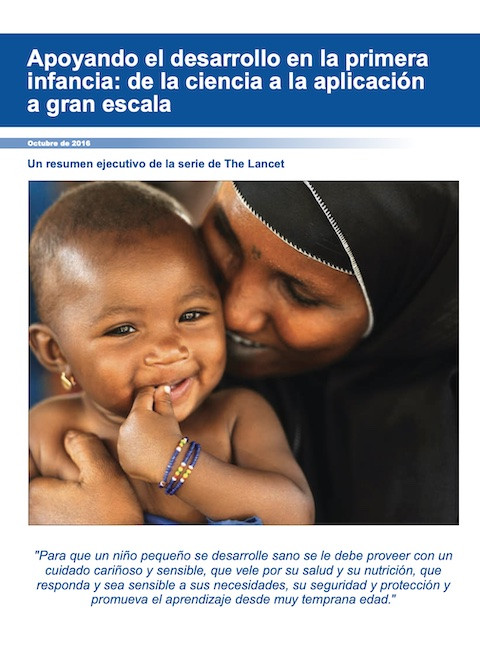 Supporting Early Childhood Development: From Science to Large-Scale Application Año de publicación: 2016 Autor: The Lancet Autor corporativo: United Nations Children's Fund (UNICEF) | World Bank | World Health Organization (WHO) This document summarizes the series of articles on Early Childhood Development published by The Lancet in 2016. It presents new scientific evidence that supports interventions and proposes measures to be applied in large-scale child development programs. The series emphasizes "loving care sensitive to the needs of the child", especially up to three years of age, as well as multisectoral interventions that, taking the health sector as a starting point, allow reaching many families and young children through health and nutrition.
  موجز التقرير العالمي حول الإعاقة Año de publicación: 2011 Autor corporativo: World Health Organization (WHO) | World Bank قامت منظمة الصحة العالمية بالاشتراك مع البنك الدولي في إصدار هذا التقرير العالمي حول الإعاقة، من أجل عرض البيِّنات اللازمة لوضع السياسات والبرامج المبتكرة القادرة على تحسين حياة ذوي الإعاقة، وتيسير تنفيذ اتفاقية الأمم المتحدة لحقوق الأشخاص ذوي الإعاقة التي تم تفعيلها في أيار/مايو من عام 2008. ويقدم التقرير العالمي تعريفا عن الإعاقة بوصفها مصطلحاً جامعاً يضم تحت مظلته الأشكال المختلفة للاعتلال/الخلل العضوي، ومحدودية النشاط، والقيود التي تحد من المشاركة. كما أن مصطلح الإعاقة يعود إلى السمات السلبية للتفاعل بين الأفراد الذين يعانون من حالة صحية ما )مثل الشلل الدماغي، أو متلازمة داون، أو الاكتئاب(، وبين العوامل الشخصية والبيئية )مثل المواقف السلبية، وانعدام إتاحة وسائل النقل والمباني العامة، والدعم الاجتماعي المحدود).ثم يقدم اقتراحات بخطوات يمكن أن تتخذ من قبل كافة الأطراف المعنية –ومنها الحكومات، ومنظمات المجتمع المدني، ومنظمات الأشخاص ذوي الإعاقة – من أجل إيجاد بيئات ممكِّنة، وتطوير خدمات التأهيل والدعم، وضمان الحماية الاجتماعية الكافية، وإطلاق سياسات وبرامج شاملة، وتفعيل المعايير والتشريعات الجديدة والقائمة، وذلك لصالح ذوي الإعاقة والمجتمع على نطاقه الأوسع. وينبغي أن يكون ذوو الإعاقة هم المركز الذي تتمحور حوله هذه المساعي. كما يلقي الضوء على العقبات والعوائق المتباينة التي يواجهها ذوو الإعاقة - عقبات تتعلق بما يصادفونه من مواقف واتجاهات، وعقبات مادية، ومالية – وكلها عقبات يسهل التعامل معها والتصدي لها. يقدم توصيات للعمل على المستويات المحلية والوطنية والدولية، ومن ثم فهو أداة لا تقدر بثمن. Summary of the World Report on Disability Año de publicación: 2011 Autor corporativo: World Health Organization (WHO) | World Bank The World Health Organization and the World Bank jointly produced this global report on disability, in order to present the evidence needed to develop innovative policies and programs capable of improving the lives of people with disabilities, and to facilitate the implementation of the United Nations Convention on the Rights of Persons with Disabilities that was activated in May of 2008. The World Report provides a definition of disability as an umbrella term that includes under its umbrella various forms of organ impairment/dysfunction, limited activity, and participation limitations. The term disability also refers to the negative features of the interaction between individuals with a health condition (such as cerebral palsy, Down syndrome, or depression), and between personal and environmental factors (such as negative attitudes, lack of access to transportation and public buildings, and limited social support).It then presents suggestions for steps that can be taken by all concerned parties - including governments, civil society organizations, and organizations of persons with disabilities - in order to create enabling environments, develop rehabilitation and support services, ensure adequate social protection, launch comprehensive policies and programs, and activate new standards and legislation List, for the benefit of people with disabilities and society at large. People with disabilities should be the centerpiece of these endeavours. It also sheds light on the various obstacles and barriers faced by persons with disabilities - obstacles related to the attitudes and trends they encounter, and physical and financial obstacles - all of which are easy to deal with and address. It provides recommendations for action at the local, national and international levels, and is thus an invaluable tool.
 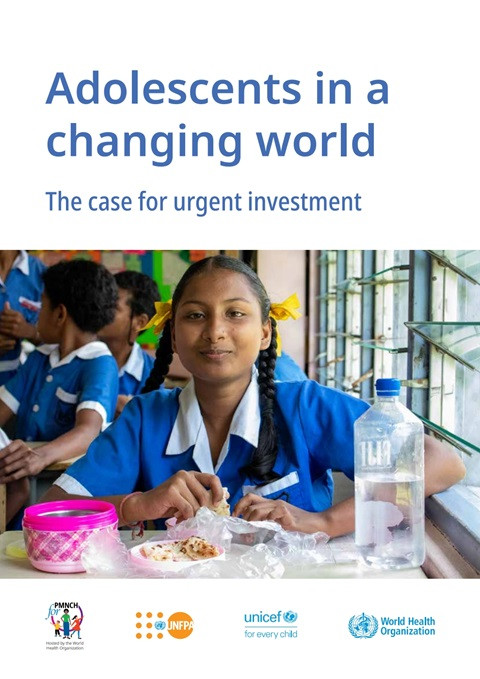 Adolescents in a Changing World: The Case for Urgent Investment Año de publicación: 2024 Autor corporativo: World Health Organization (WHO) | United Nations Children's Fund (UNICEF) This report focuses on the strong returns on investment associated with investing in adolescent health and well-being. Today, adolescents make up more than 16% of the world's population. They are a demographic that is often overlooked or misunderstood. Investments in adolescents can reduce inequalities and help to protect their human rights. The economic and social returns from a wide range of investments to address adolescent well-being are significant. The report makes a compelling case for investing in adolescents, they are living in a world facing multifaceted crises, and they will be tomorrow's changemakers and leaders. The staggering cost of inaction is estimated at US$110 trillion over a period of 27 years (2024-50). That amounts to 7.7% of the total GDP of those countries included in the models, which themselves include around 80% of the world's population. Many interventions will yield high returns, including those focused on health services and multisectoral interventions, for example on SRHR, HPV, TB, myopia, education and training, child marriage and road accident prevention. This evidence base is crucial for policymakers, practitioners, researchers, educators, donors, and civil society organizations as we map the road ahead for a better and more sustainable future. Investing in adolescent health and well-being strengthens the human capital of a country, and hence a country's potential for future development and for ending extreme poverty and creating more inclusive societies.
  RESPECT Women: Preventing Violence Against Women Año de publicación: 2019 Autor corporativo: World Health Organization (WHO) Violence against women and girls remains pervasive across the world, despite significant efforts being made to recognize, eliminate, and prevent it in all its forms. Eliminating violence against women and girls is pivotal to achieving gender equality, women’s empowerment, and the Sustainable Development Goals. Elimination can only be done through prevention. Successful prevention requires: political commitment and leadership,implementing laws and policies that promote gender equality,investing in women’s organizations,allocating resources to prevention, andaddressing the multiple forms of discrimination women face daily. Based on the principles of respect and equality, and lessons learned from evidence-based results on what works in preventing violence from occurring and recurring, the World Health Organization (WHO) and UN Women, in collaboration with ten other UN, bilateral, and multilateral agencies, have developed “RESPECT Women: Preventing violence against women”. This publication provides a comprehensive framework to inform policy makers and implementers about designing, planning, implementing, monitoring, and evaluating interventions and programmes on preventing and responding to violence against women. The framework outlines seven inter-related intervention strategies derived from the word “respect”: Relationships skills strengthenedEmpowerment of womenServices ensuredPoverty reducedEnvironments made safeChild and adolescent abuse preventedTransformed attitudes, beliefs and norm
 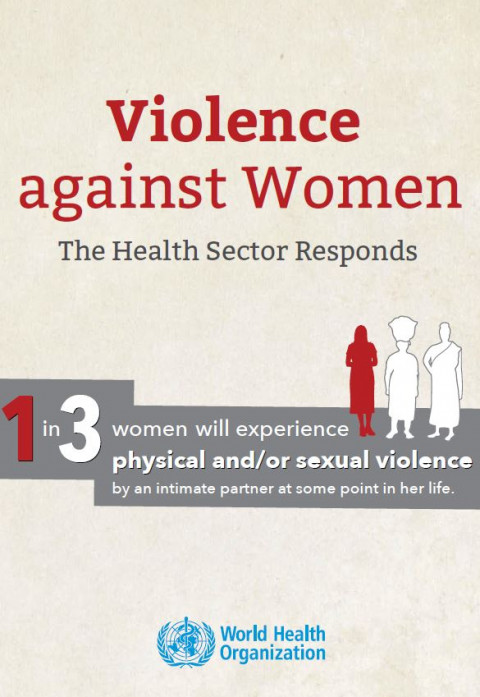 Violence Against Women Infographic: Health Impacts and the Role of the Health Sector Año de publicación: 2013 Autor corporativo: World Health Organization (WHO) The WHO Department for Management of NCDs, Disability, Violence and Injury Prevention, and Department of Reproductive Health and Research, have prepared an infographic displaying the prevalence and health and social consequences of violence against women, and what the health sector can do to address this public health problem. The infographic is targeted at policy makers and professionals working in the health sector and other relevant sectors.
  INSPIRE: семь стратегий по ликвидации насилия в отношении детей Año de publicación: 2016 Autor corporativo: World Health Organization (WHO) Cборник информационных материалов, основанных на фактических данных и предназначенных для всех, кто заинтересован в профилактике насилия в отношении детей и подростков и принятии ответных мер — от государственных деятелей до обычных граждан и от организаций гражданского общества до представителей частного сектора. В этом документе представлен комплекс избранных стратегий, основанных на самых убедительных из имеющихся на сегодняшний день фактических данных и призванных помочь странам и сообществам сосредоточить усилия на профилактических программах и услугах, обладающих наибольшим потенциалом для снижения уровня насилия в отношении детей. В комплекс входят семь следующих стратегий: Implementation and enforcement of laws (Принятие и обеспечение соблюдения нормативных актов); Norms and values (Нормы и ценности); Safe environments (Создание безопасной среды); Parent and caregiver support (Поддержка родителей и воспитателей); Income and economic strengthening (Повышение доходов и улучшение экономического положения); Response and support services (Ответные меры и оказание поддержки); Education and life skills (Обучение и формирование жизненных навыков). Кроме того, в комплекс INSPIRE входят два типа сквозных мероприятий, сочетание которых позволяет связывать между собой и усиливать эти семь стратегий и одновременно оценивать ход их реализации. INSPIRE: Seven strategies for Ending Violence Against Children Año de publicación: 2016 Autor corporativo: World Health Organization (WHO) Evidence-based resource for everyone committed to preventing and responding to violence against children and adolescents – from government to grassroots, and from civil society to the private sector. It represents a select group of strategies based on the best available evidence to help countries and communities intensify their focus on the prevention programmes and services with the greatest potential to reduce violence against children. The seven strategies are: Implementation and enforcement of laws; Norms and values; Safe environments; Parent and caregiver support; Income and economic strengthening; Response and support services; and Education and life skills. Additionally, INSPIRE includes two cross-cutting activities that together help connect and strengthen – and assess progress towards – the seven strategies.