
Recursos
Exploren una amplia gama de recursos valiosos en GCED para profundizar su comprensión y promover su búsqueda, incidencia, enseñanza y aprendizaje.
72 resultados encontrados
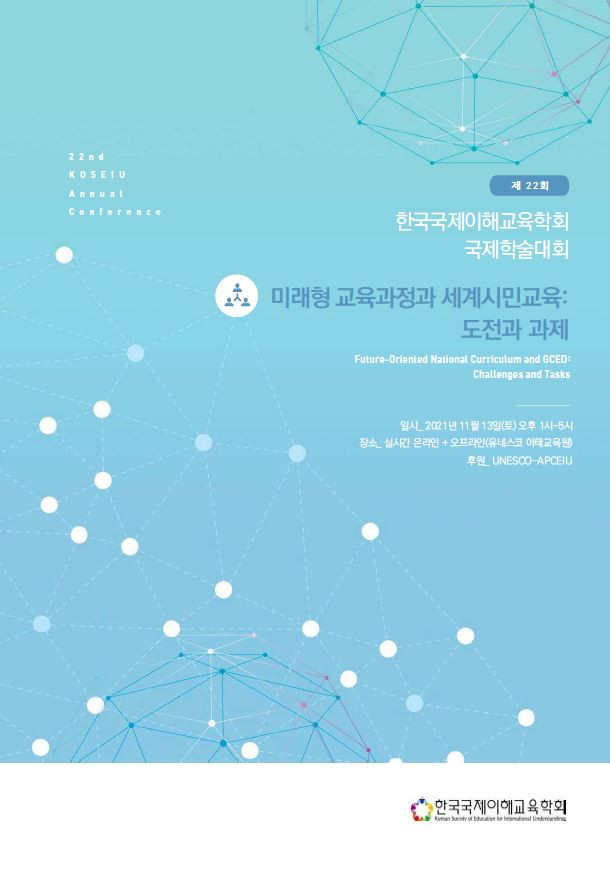 제22회 한국국제이해교육학회 국제학술대회: 미래형 교육과정과 세계시민교육: 도전과 과제 Año de publicación: 2021 Autor corporativo: 한국국제이해교육학회 2021년 11월 13일에 개최되었던 제22회 한국국제이해교육학회 국제학술대회 자료집으로 '미래형 교육과정과 세계시민교육: 도전과 과제'라는 주제로 세계시민교육의 역할과 가능성을 어떻게 학교교실 안으로 가져올지에 대한 토론과 발표내용을 담고 있습니다. 본 자료집에는 기조강연/패널부터 자유 발표 등에 이르기까지 모든 발표자들의 자료가 포함되어 있으며 기조강연 및 패널, 패널4(이기 프로젝트)의 경우 일본어 번역자료도 함께 수록되어 있습니다.
 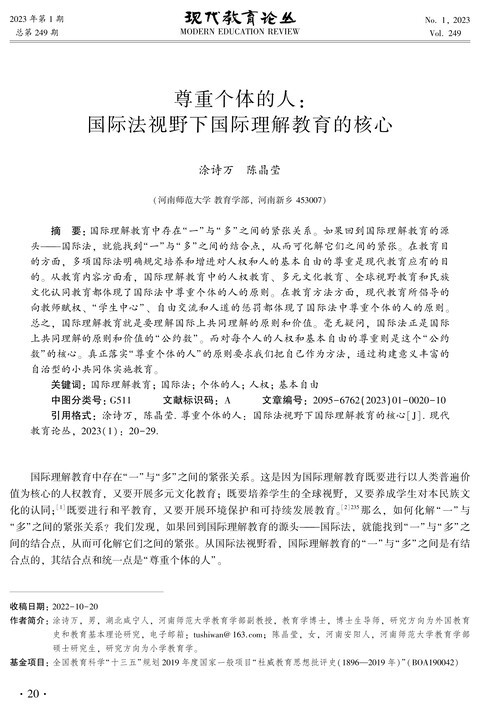 尊重个体的人: 国际法视野下国际理解教育的核心 (现代教育论丛; No.1, 2023) Año de publicación: 2023 Autor: 涂诗万 | 陈晶莹 国际理解教育中存在“一”与“多”之间的紧张关系。如果回到国际理解教育的源头——国际法,就能找到“一”与“多”之间的结合点,从而可化解它们之间的紧张。在教育目的方面,多项国际法明确规定培养和增进对人权和人的基本自由的尊重是现代教育应有的目的。从教育内容方面看,国际理解教育中的人权教育、多元文化教育、全球视野教育和民族文化认同教育都体现了国际法中尊重个体的人的原则。在教育方法方面,现代教育所倡导的向教师赋权、“学生中心”、自由交流和人道的惩罚都体现了国际法中尊重个体的人的原则。总之,国际理解教育就是要理解国际上共同理解的原则和价值。毫无疑问,国际法正是国际上共同理解的原则和价值的“公约数”。而对每个人的人权和基本自由的尊重则是这个“公约数”的核心。真正落实“尊重个体的人”的原则要求我们把自己作为方法,通过构建意义丰富的自治型的小共同体实施教育。
 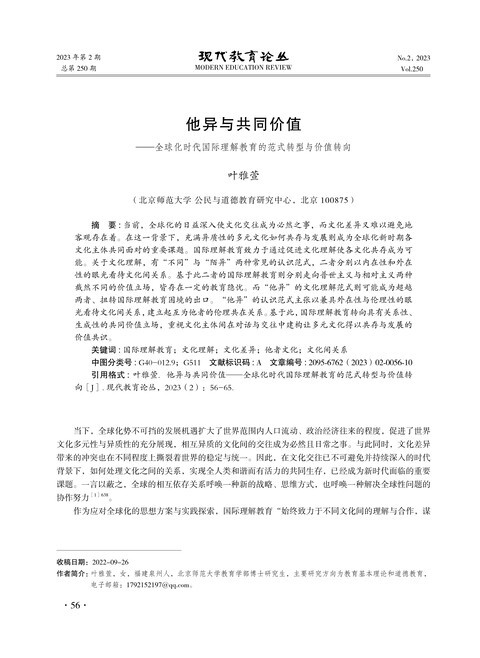 他异与共同价值: 全球化时代国际理解教育的范式转型与价值转向 (现代教育论丛; No.2, 2023) Año de publicación: 2023 Autor: 叶雅萱 当前,全球化的日益深入使文化交往成为必然之事,而文化差异又难以避免地客观存在着。在这一背景下,充满异质性的多元文化如何共存与发展则成为全球化新时期各文化主体共同面对的重要课题。国际理解教育致力于通过促进文化理解使各文化共存成为可能。关于文化理解,有“不同”与“陌异”两种常见的认识范式,二者分别以内在性和外在性的眼光看待文化间关系。基于此二者的国际理解教育则分别走向普世主义与相对主义两种截然不同的价值立场,皆存在一定的教育隐忧。而“他异”的文化理解范式则可能成为超越两者、扭转国际理解教育困境的出口。“他异”的认识范式主张以兼具外在性与伦理性的眼光看待文化间关系,建立起互为他者的伦理共在关系。基于此,国际理解教育转向具有关系性、生成性的共同价值立场,重视文化主体间在对话与交往中建构让多元文化得以共存与发展的价值共识。
 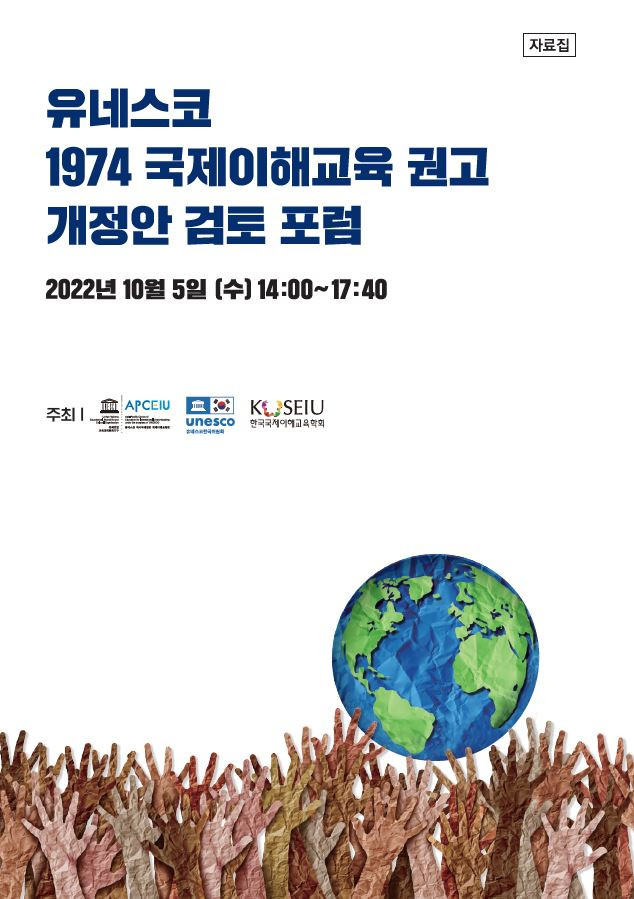 유네스코 1974 국제이해교육 권고 개정안 검토 포럼 자료집 Año de publicación: 2022 Autor corporativo: 유네스코 아시아태평양 국제이해교육원 | 유네스코한국위원회 | 한국국제이해교육학회 2022년 10월 5일 유네스코 아태교육원과 유네스코한국위원회, 한국국제이해교육학회가 공동으로 개최한 <유네스코 1974 국제이해교육 권고 개정안 검토 포럼> 자료집 입니다. 본 포럼은 유네스코의 「국제이해, 협력, 평화를 위한 교육과 인권, 기본 자유에 관한 교육 권고( 1974 국제이해교육 권고)」가 오늘날 변화된 시대 상황과 지구촌의 새로운 과제 등을 반영할 수 있도록 개정안 초안에 대한 전문적 검토 요지 발표와 토론을 실시한 후, 참가자들의 의견을 수렴하였습니다. <목차> I. 인사말 한경구 (유네스코한국위원회 사무총장) 임현묵 (유네스코 아시아태평양 국제이해교육원장) 박순용 (한국국제이해교육학회장) II. [1부] 1974 국제이해교육 권고 개정 배경 및 현황 1974 국제이해교육 권고 개요와 개정 추진 현황 - 유네스코 아시아태평양 국제이해교육원 / 유네스코한국위원회 국제전문가그룹의 주요 활동 및 1974 국제이해교육 권고 개정안 초안의 주요 내용 / 강순원 (한신대학교 교수) III. [2부] 1974 국제이해교육 권고 개정안 초안 검토 조대훈 (성신여자대학교 교수) 김병연 (양재고등학교 교사) 권혁장 (국가인권위원회 인권교육기획과장) 이선경 (청주교육대학교 교수) 변순용 (서울교육대학교 교수) 이동연 (한국예술종합학교 교수) 손동빈/장경희 (서울시교육청 민주시민생활교육과 과장/장학사) 부록 Recommendation concerning Education for International Understanding, Co-operation and Peace and Education relating to Human Rights and Fundamental Freedoms 국제이해, 협력, 평화를 위한 교육과 인권, 기본 자유에 관한 교육 권고 REVISED RECOMMENDATION CONCERNING EDUCATION FOR INTERNATIONAL UNDERSTANDING, CO-OPERATION AND PEACE AND EDUCATION RELATING TO HUMAN RIGHTS AND FUNDAMENTAL FREEDOMS (‘1974 RECOMMENDATION’)
  La Recommandation sur l’éducation pour la paix, les droits de l’homme et le développement durable: Brochure explicative Año de publicación: 2024 Autor corporativo: UNESCO Cette brochure présente la version actualisée de la Recommandation et explique ce que cette dernière peut apporter et comment elle peut être mise en application de manière concrète par les différents acteurs de l’éducation au quotidien.
  평화, 인권, 국제이해, 협력, 기본적 자유, 세계시민성, 지속가능발전을 위한 교육 권고: 해설서 Año de publicación: 2024 Autor corporativo: UNESCO '평화, 인권, 국제이해, 협력, 기본적 자유, 세계시민성, 지속가능발전을 위한 교육 권고'를 소개하고 교육에 관심이 있는 이해관계자들 대상으로 권고의 내용과 활용을 담은 해설서.
  Рекомендация об образовании в духе мира, прав человека и устойчивого развития. Пояснительная записка Año de publicación: 2024 Autor corporativo: UNESCO Данная брошюра знакомит с обновленной Рекомендацией и кратко разъясняет, каким образом сформулированные в ней руководящие принципы могут быть применены на практике и в повседневной жизни различными субъектами деятельности в сфере образования.
  التوصية الخاصة بالتربية والتعليم من أجل السلام وحقوق الإنسان والتنمية المستدامة: دليل تفسيري Año de publicación: 2024 Autor corporativo: UNESCO ويقدّم هذا الكتيّب تعريفاً بالتوصية بصيغتها المعدّلة ويبيّن مضمون التوصية ويوضح لمختلف الجهات المعنية بالتربية والتعليم كيفية استخدامها بطريقة عملية في عملها اليومي.
  The Recommendation on Education for Peace, Human Rights and Sustainable Development: An Explainer Año de publicación: 2024 Autor corporativo: UNESCO This is an explainer brochure of the new UNESCO Recommendation on Education for Peace and Human Rights, International Understanding, Cooperation, Fundamental Freedoms, Global Citizenship and Sustainable Development, which is commonly referred to as the Recommendation on Education for Peace, Human Rights and Sustainable Development, about its purpose, history, content and potential to bring about necessary change.
 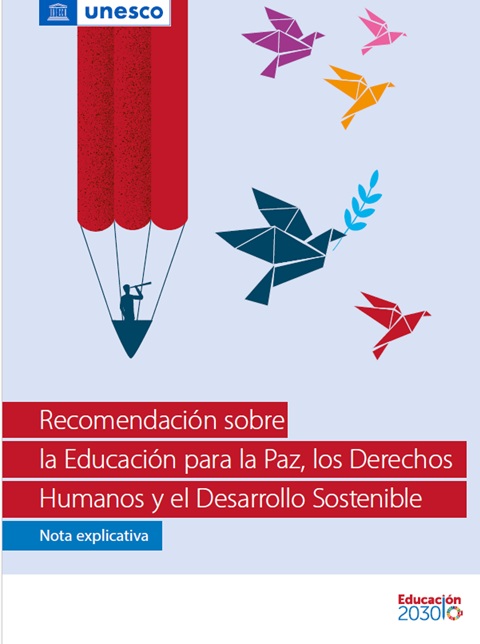 Recomendación sobre la Educación para la Paz, los Derechos Humanos y el Desarrollo Sostenible : nota explicativa Año de publicación: 2024 Autor corporativo: UNESCO En este folleto se presenta la versión actualizada de la Recomendación y se explica lo que ofrece y el modo en que las distintas partes interesadas en la educación pueden utilizarla de manera concreta en el día a día.