
Recursos
Exploren una amplia gama de recursos valiosos en GCED para profundizar su comprensión y promover su búsqueda, incidencia, enseñanza y aprendizaje.
121 resultados encontrados
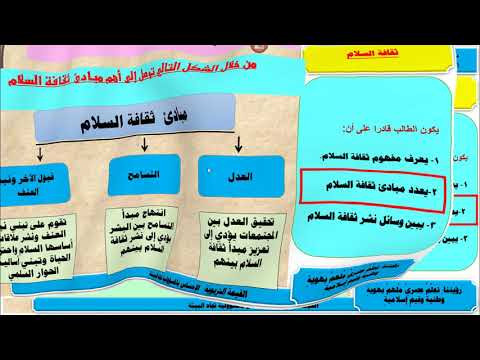 مواطنة ثقافة السلام Año de publicación: 2021 Autor: Graeme Simpson Autor corporativo: AL-andalus Educational Complex الفيديو عبارة عن حصة تدريسية من كتاب الدراسات الاجتماعية للصف العاشر بدولة قطر. يشرح المعلم فيها المواطنة من أجل السلام ونشرها. يبدأ المعلم بشرح مفهوم ثقافة السلام ويستطرد في مبادئ السلام وأسس نشره. الحصة مناسبة للطلبة العرب عموما في فهم ماهية السلام وسبل نشره. Citizenship of a Culture of Peace Año de publicación: 2021 Autor: Graeme Simpson Autor corporativo: AL-andalus Educational Complex The video is a lesson from the social studies book for the tenth grade in the State of Qatar. The teacher explains citizenship for peace and its dissemination. The teacher begins by explaining the concept of a culture of peace and goes on to the principles of peace and the foundations for its dissemination. The class is suitable for Arab students in general to understand what peace is and how to spread it.
  Young People of Central Asia: Uzbekistan Año de publicación: 2016 Autor: Bakhtiyor Ergashev | Azamat Seitov Autor corporativo: Friedrich-Ebert-Stiftung Kazakhstan Office The Friedrich Ebert Foundation initiated the Youth of Central Asia project. It aims to study the values and attitudes of young Uzbeks, lifestyles, identities, political views and foreign policy orientations. Political scientist Bakhtiyor Ergashev and sociologist Azamat Seitov prepared a research analytical report based on the results of their work. Молодежь Центральной Азии. Узбекистан Año de publicación: 2016 Autor: Bakhtiyor Ergashev | Azamat Seitov Autor corporativo: Фонд имени Фридриха Эберта в Казахстане Фондом им. Фридриха Эберта был инициирован проект «Молодежь Центральной Азии». Его цель – изучение ценностей и взглядов молодых узбекистанцев, образа жизни, идентификации, политических взглядов и внешнеполитических ориентаций. По итогам проведенной работы политологом Бахтиером Эргашевым и кандидатом социологических наук Азаматом Сеитовым был подготовлен исследовательский аналитический отчет.
 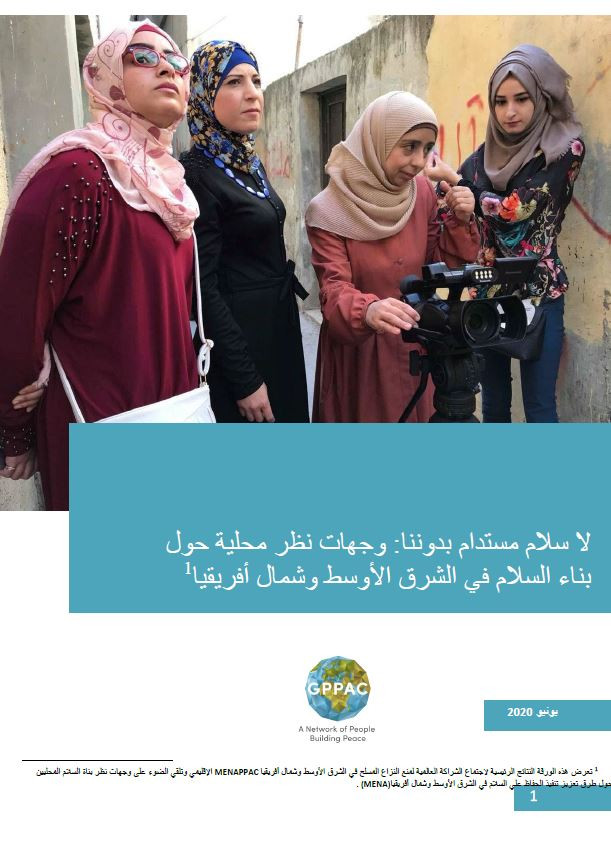 لا سلام مستدام بدوننا: وجهات نظر محلية حول بناء السلام في الشرق الأوسط وشمال أفريقيا Año de publicación: 2020 Autor corporativo: Global Partnership for the Prevention of Armed Conflict (GPPAC) تعرض هذه الورقة النتائج الرئيسية لاجتماع الشراكة العالمية لمنع النزاع المسلح في الشرق الأوسط وشمال أفريقيا. وتلقي الورقة الضوء على وجهات نظر بناة السلام المحليين حول طرق تعزيز الحفاظ على السلام في منطقة الشرق الأوسط وشمال أفريقيا. No Sustainable Peace Without Us: Local Perspectives on Peacebuilding in the Middle East and North Africa Año de publicación: 2020 Autor corporativo: Global Partnership for the Prevention of Armed Conflict (GPPAC) This paper presents the main outcomes of the Global Partnership for the Prevention of Armed Conflict in the Middle East and North Africa meeting. The paper sheds light on the perspectives of local peacebuilders on ways to promote peacekeeping in the Middle East and North Africa region.
  Ciudadanía y cultura de paz en la reforma educativa Año de publicación: 2005 Autor: Raúl Zepeda López, María del Rosario Toj, Edgar Florencio Montúfar Autor corporativo: UNESCO La preocupación planteada por los temas y contenidos de la formación ciudadana y la cultura de paz en la niñez y la juventud son cuestiones sentidas en diversos sectores académicos, en organizaciones sociales y autoridades educativas que algunas veces se traducen en sendos artículos en los medios de comunicación en donde, entre otras cosas, se habla de “la pérdida de valores” a secas, generalmente teniendo como referencia a las jóvenes generaciones e invisibilizando que esta pérdida principalmente está presente en las generaciones adultas, las cuales son responsables de esta situación. Estas inquietudes, a pesar de aquella consciente ambigüedad, no son gratuitas. Pueden ser punto de partida para tomar conciencia de la necesidad de desarrollo de nuevas capacidades y valores, cuya ausencia, los jóvenes latinoamericanos identifican en sus dirigentes políticos y sociales, como ha quedado antes señalado en estudios citados, realizados por UNICEF para América Latina y por Beatriz de Cazali para Guatemala. La necesidad de responder a esta preocupación está presente, además, en los participantes en los diálogos y consensos municipales (2000), así como entre autoridades y curriculistas del MINEDUC en los últimos quinquenios.
  Summit of the Future Outcome Document: Pact for the Future, Global Digital Compact and Declarations on Future Generations Año de publicación: 2024 Autor corporativo: United Nations (UN) World leaders adopt a Pact for the Future that includes a Global Digital Compact and a Declaration on Future Generations (A/RES/79/1). The Pact covers a broad range of themes including peace and security, sustainable development, climate change, digital cooperation, human rights, gender, youth and future generations, and the transformation of global governance.
 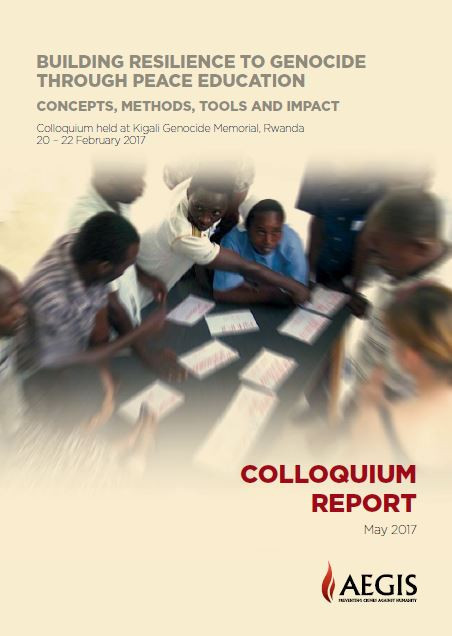 Colloquium Report: Building Resilience to Genocide through Peace Education: Concepts, Methods, Tools and Impact Año de publicación: 2017 Autor: Jonathan Bower, Mariana Goetz Autor corporativo: Aegis Trust A three-day Colloquium in Kigali in February brought together academics and practitioners in and around the field of peace education to share concepts, methods and means of measuring impact, contributing to a stronger evidence base for the effectiveness of peace education. Three interesting takeaways from the Colloquium: 1. Building resilience against genocide requires critical thinking about the process of identity-based violence and its reversal.2. The content of peace education programmes matters: interactive role-play type activities have been shown to have a longer lasting impact.3. Unhealed wounds need to be addressed to prevent a repeat of violence; psychosocial support must accompany peace education to reduce anxiety, which can be an obstacle when accessing empathy. A major achievement resulting from the consortium’s advocacy has been that the Government of Rwanda through the Ministry of Education has integrated Peace and Values education into the school curriculum. In a new phase of work Aegis is now supporting the implementation of the revised national curriculum that has integrated peace and values education (2016-19).
  A World at Peace Año de publicación: 2022 Autor corporativo: Entreculturas A world in peace is part of “A world in your hands”, Entreculturas’ pedagogical proposal to educate in global citizenship. With it we aim to contribute to the training of people capable of exercising active and committed citizenship, of transforming their environment and of assuming as their own the global challenges of our time such as the fulfillment of the 2030 Agenda and the Sustainable Development Goals. In this publication we collect proposals to work on the culture of peace and develop knowledge, values and social and civic skills that allow people who work on them to actively commit to coexistence, conflict resolution and the creation of a culture of peace in their environments and at a global level.