
Recursos
Exploren una amplia gama de recursos valiosos en GCED para profundizar su comprensión y promover su búsqueda, incidencia, enseñanza y aprendizaje.
24 resultados encontrados
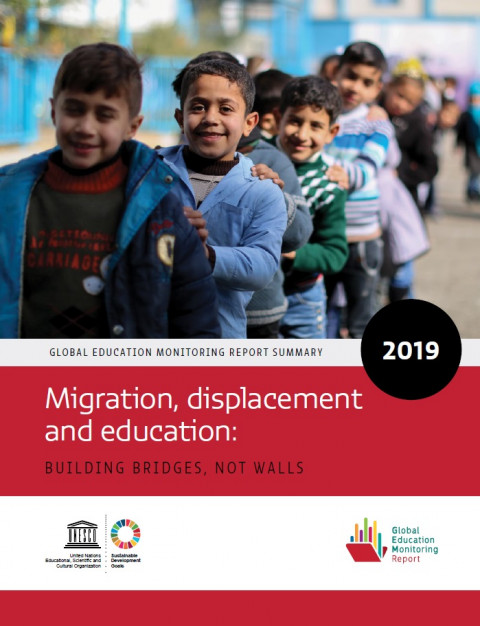 [요약문] 세계 교육 현황 보고서 요약본: 이주, 강제이주와 교육: 장벽이 아닌 가교 만들기 Año de publicación: 2018 Autor corporativo: 유네스코 | 세계교육현황보고서팀 『2019 세계 교육 현황 보고서』는 국경 내 및 국경 간, 자발적이거나 강제적인, 고용이나 교육을 위한 모든 인구 이동에 따른 이주 및 강제이주에 교육이 미치는 영향을 검토한다. 이 보고서는 또한 2030 지속가능발전의제에서 교육의 진전 상황도 평가한다. 다양성이 증가하면서 이 보고서는 교육이 어떻게 포용적인 사회를 구축하고, 어떻게 사람들이 관용을 넘어서서 함께 사는 법을 배울 수 있는지를 분석한다. 교육을 평등하게 제공하면 다리를 건설하지만, 교육을 불평등하게 제공하면 이주민, 난민 및 수용국 지역사회 사이에 벽을 쌓는다.이주민과 난민에 대한 두 가지 새로운 글로벌 콤팩트는 교육의 역할을 인식하고 ‘어느 누구도 뒤처지지 않게 한다’는 전 세계적인 약속과 일치하는 목표를 설정한다. 이 보고서는 이 글로벌 콤팩트를 위한 중요한 툴킷(toolkit)으로 다양한 정책 이슈를 다루고 있다. 즉, 계절 이주자, 농촌 학교 통합, 문화간 교육과정, 국가 교육제도에 난민 포용 및 분리 폐지, 자격 인정, 학교 기금 목표 설정, 보다 효과적인 인도주의적 교육 원조, 그리고 위기 상황, 장기화된 상황, ‘뉴 노멀(new normal)’ 상황에서 다양한 교실을 위한 교사의 준비 등을 포함한다. 이 GEM 보고서 요약본은 국가들이 교육을 이주와 강제이주를 관리하는 도구로 보고, 이를 필요로 하는 사람들을 위한 기회로 간주할 것을 요구한다.
 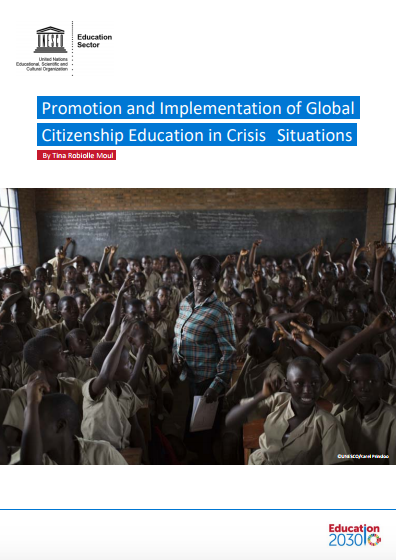 Promotion and implementation of global citizenship education in crisis situations Año de publicación: 2017 Autor: Robiolle Moul, Tina Autor corporativo: 유네스코 Crisis situations affect the realization of human rights of many people and communities across all regions of the world. Within UNESCO’s relevant areas of work, GCED is a powerful approach to education that can empower people to recover from crises and transform their communities into peaceful and sustainable societies. UNESCO commissioned a desk study that aimed at reviewing existing research on the promotion and implementation of GCED and related programs in countries affected by crisis situations, with particular attention to initiatives benefiting the refugee population. This study unveils the key challenges these programs encounter in such contexts, as well as promising practices that can guide the design and implementation of future GCED in crisis situations. This report is a synthesis of this desk study and supports the evidence that, after analyzing the context and the available means, GCED and related programs can and should be systematically adapted and implemented in crisis situations, including in response to refugee crises.
 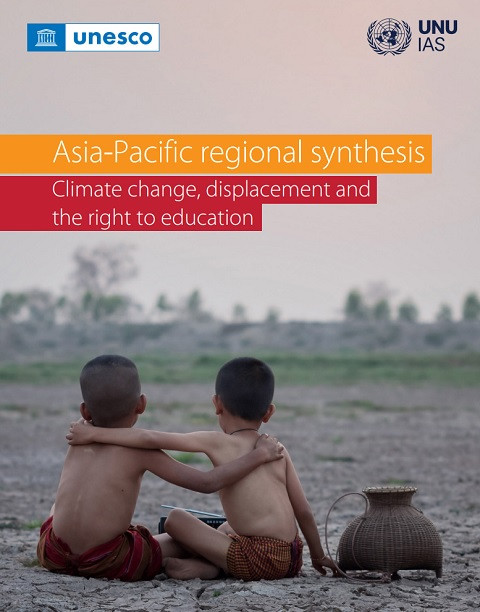 Asia-Pacific Regional Synthesis: Climate Change, Displacement and the Right to Education Año de publicación: 2023 Autor corporativo: UNESCO | United Nations University Institute for the Advanced Study of Sustainability (UNU-IAS) | UNESCO Bangkok In 2020, 30.7 million people were displaced by natural disasters – disasters which the scientific community acknowledges are more frequent and more intense as a result of climate change. In Asia and the Pacific alone, 21.3 million people were displaced, making it the region the most impacted by national disasters and climate change in the world. Therefore, country case studies were carried out in Bangladesh, India, Indonesia, Tuvalu, and Viet Nam to examine not only specific vulnerabilities to climate change and related mobility, but also the impacts of climate change on the right to education in Asia and the Pacific. These case studies show that climate change directly threatens education – through the destruction of schools and property – but also indirectly puts education in peril by forcing people to cross borders, ensuring neither legal residency nor the right to education. This regional synthesis report aims to guide policy-makers through providing operational policy recommendations on how to ensure education is protected in Asia and the Pacific in the face of climate change and displacement from a human rights-based approach. The report is one of four being developed and will contribute to the global initiative on climate change and displacement and the right to education – launched by UNESCO in 2020 – by informing the development of a Global Report with global policyrecommendations.How climate change impacts the right to education in Asia and the Pacific21.3million displacementstook place in Asia and the Pacific
 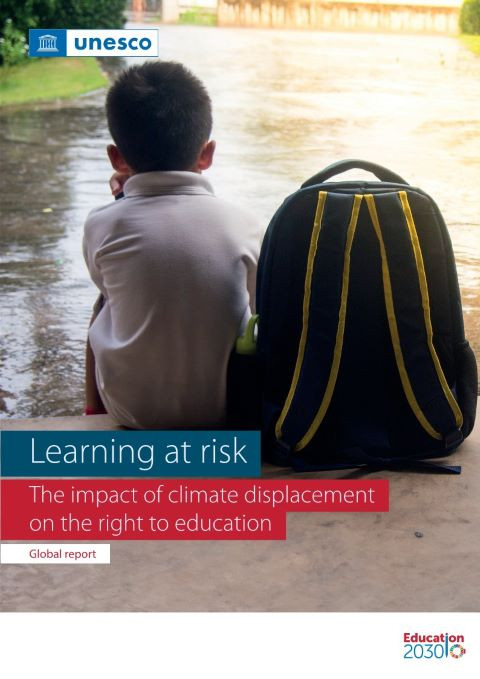 Learning at Risk: the Impact of Climate Displacement on the Right to Education; Global Report Año de publicación: 2023 Autor corporativo: UNESCO How climate displacement the impacts the right to education The growing impacts of climate change and displacement on education can no longer be ignored. The increasing number of people displaced due to climate change faces unique vulnerabilities, especially in terms of access to education. This challenge is not only attributed to the often limited political and legal recognition of these displaced persons, but also stems from the global community’s lack of awareness of the diverse obstacles they encounter in seeking access to education. This global report, which concludes the “Initiative on the impact of climate change and displacement on the right to education”, aims to provide guidance to policy-makers worldwide on how to better respect, protect and fulfil the right to education of climate-displaced people. It provides an overview of climate-induced barriers to education, and global policy guidance on how to ensure the protection of the right to education of these populations. The report will inform UNESCO’s Initiative on “The evolving right to education within a lifelong learning perspective” which is investigating how the right to education, as enshrined in international normative instruments, could be strengthened to meet modern needs in our rapidly changing societies.