
Recursos
Exploren una amplia gama de recursos valiosos en GCED para profundizar su comprensión y promover su búsqueda, incidencia, enseñanza y aprendizaje.
3,530 resultados encontrados
 الإشكاليات الحاصلة في تدريس مادة حقوق الإنسان والديمقراطية بين صعوبات الواقع الحالي والسعي لنشر ثقافة حقوق الإنسان Año de publicación: 2014 Autor: العبيدي، أنسام فائق عبد الرزاق Autor corporativo: University of Baghdad بما أن مادة حقوق الانسان من المواد الحديثة العهد في مجتمعنا بكل من ما تحويه من مفاهيم إنسانية بحتة وقوانين وتشريعات واجبة التنفيذ، محلية كانت أم دولية، وحيث أن تدريس مادة حقوق الإنسان والديمقراطية يعد أيضا من مستحدثات مجتمعنا بفئاته المتعدده. ، لذا فمن أجل إيصال تلك المادة إلى الطلبة واستيعابها بكل مدخلاتها ومفاھیمھا وقوانینھا، ومن خلال مزجھا مع مایناسبھا من تلك التقنيات الحديثة سعيا لجعل استيعابها وتطبيقها الأسهل في مجتمعنا وصولا الى الاتساع والرقي بآفاق الطلبة نحوالادراك التام بمعرفة حقوقهم وواجباتهم من المحلية الضيقة الى المعرفة الدولیة الواسعة، وكذلك مایتعلق بماھیة حقوق الانسان وتطبیقاتھا وانتھاكاتھا، والكیفیة التي یتوصل الدارس من خلالھا الى الحفاظ على كینونته كبشر أولاً وماعلیه من واجبات غیر قابلة للتجاوز ثانیا. Dilemmas in Teaching Human Rights and Democracy between the Current Reality and the Difficulties in Seeking to Spread a Culture of Human Rights Año de publicación: 2014 Autor: العبيدي، أنسام فائق عبد الرزاق Autor corporativo: University of Baghdad In the age of information and communication revolution, education as one of life aspects has influenced with that revolution by integrating technology in education, which have become as an important learning tools of the whole educational process . Technology, when used appropriately, can help make science classroom a site of active learning and critical thinking, furthering student inquiry and connections with different materials. It is necessary to develop human rights education programs and materials for discretionary and extracurricular activities as it provide them with the skills and tools so that they are empowered to take action to realize their rights. Human rights education is a critical means of instilling the knowledge skills, attitudes and values that can foster a culture of human rights, improving a shared language around the world of equality, non-discrimination, inclusion respect, dignity and participation that is crucial to the goal of achieving a more peaceful and just global society.
  دور التربية والتعليم في تحصين عقول الناشئة من التطرف والارهاب Año de publicación: 2015 Autor: السلطاني، نسرين حمزة عباس Autor corporativo: University of Babylon الإرهاب أصبح ظاهرة عالمية، أي أنها لا ترتبط بمنطقة أو ثقافة أو مجتمع أو جماعات دينية أو عرقية معينة، بل ترتبط بعوامل اجتماعية وثقافية وسياسية وتقنية أفرزتها التطورات السريعة والمتلاحقة في العصر الحديث. فقد شهدت السنوات الأولى من القرن الواحد والعشرين تصاعدا ملحوظاً في العمليات الإرهابية في قطرنا (العراق). ...كل تلك التفجيرات تعكس فكرا متطرفاً لدى مجموعة من الشباب الذين يحملون فتاوى مستوردة من رموز فكرية خارجة عن تعاليم الدين الإسلامي التي تدعو إلى التسامح وقبول الآخر. إنما أصبح الأمن قضية يجب أن نشارك فيها جميعا، فالهاجس الأمني لم يعد مسؤولية رجال الأمن وحدهم... وتمثل المدرسة الوسط االاجتماعي الثاني بعد الأسرة التي يتشرب فيها الناشئة القيم الاجتماعية والثقافية في المجتمع. إذا ما فشلت المدرسة في تشريب الناشئة تلك القيم فإن المجتمع يفقد خط الدفاع الثاني ضد الجريمة. لذا فإن استعراض الدور الأمني للمؤسسات التعليمية في مقاومة الإرهاب والعنف والتطرف أصبح أمرأً ضروريا في الوقت الحاضر... والبحث الحالي هو محاولة استعراض دور المدرسة في مقاومة الإرهاب والعنف والتطرف بأشكاله الحديثة التي أصبحت تهدد كل أفراد المجتمع على اختلاف أماكنهم ومسؤولياتهم. ويمكن توضيح ذلك من خلال الإجابة عن السؤالين التاليين- ما مفهوم العنف والإرهاب والتطرف؟ - ما دور المدرسة الوقائي في مواجهة ظاهرة الإرهاب والعنف والتطرف؟ The Role of Education in Enforcing the Mentality of the Youth Against Terrorism and Extremism Año de publicación: 2015 Autor: السلطاني، نسرين حمزة عباس Autor corporativo: University of Babylon Terrorism has become an international phenomenon. It does not relate to a certain region or culture or society or certain religious group. Terrorism is related to social, political factors as a result of the rapid progress. The early years of the twenty first century have witnessed growth of terrorism in Iraq. Many specialists think that those years represent a turning point in the history of terrorism. Actually, terrorism is not limited to western countries but it strikes all Arab counties especially Iraq. All those explosions reflect extremist thought adopted by young people mobilized by Fatwas imported from ideologies foreign to Islamic Teachings that advocate tolerance and accepting the other. Security is not anymore the sole responsibilty of security forces rather all formal and informal institutions of society must be engaged.Next to the family, the school represents the second social environment where young people internalize social and cultural values. Should the school fail to do that society would loose its srcond defence line. Hence, it is necessary to discuss the role of the educational institutions in combatting terrorism and extremism. This study attempts to look at the role of schools in combatting terrorism, violence and extremism in all their contemporary forms, through the following two questions: what is the concept of violence, terrorism and violence? what role for the school in facing this phenomenon?
  التربية على المواطنة وحقوق الإنسان Año de publicación: 2010 Autor: محمد حالي يقدم هذا المقال تعريفات لمقوّمات مفهوم التربية على المواطنة بأبعاده الثلاثة، على خلفية حالة المغرب، انطلاقاً من أن التربية على المواطنة تتوخى "تنمية الوعي بالحقوق والمسؤوليات الفردية والجماعية، والتدرب على ممارستها، وتستمد وظيفتها المجتمعية من مساهمتها في تكوين الإنسان/المواطن القادر على السير بالمجهود التحديثي والتنموي لبلاده إلى الأمام، في وقت تزايدت فيه انتظارات المواطنين، ومستلزمات العالم الذي نعيش فيه". أما الأبعاد الثلاثة فهي: 1) البعد الفلسفي والقيمي: 2) البعد السياسي والقانوني 3) البعد الاجتماعي والثقافي. إلى ذلك، فإن المقال يعالج المحاور التي تتكامل في تقديم المفهوم: 1) التربية على المواطنة بتعريفاتها المختلفة (ومنها أنها تشكل" هدفاً أسمى لكل نظام تربوي") ،؛ و2) مواصفات المواطن الصالح والقيم المعلنة في " الميثاق الوطني للتربية والتكوين" (القيم الإسلامية ووقيم الهوية الحضارية،ن وقيم المواطنة، وقيم حقوق الإنسان)؛ 3) غايات التربية على المواطنة؛ 4) أهداف التربية على المواطنة؛ 5) الكفايات المرجعية المرتبطة بالتربية على المواطنة؛ 6) وسائل وطرق تحقيق الأهداف؛ 7) علاقة التربية على المواطنة بالتربية على حقوق الإنسان. وتختم المقالة بالإشارة إلى أن التربية على المواطن وحقوق الإنسان "تتم بواسطة ثلاث قنوات أساسية، تتعاضد في ما بينها وتتكامتل أهدافها وهي: العائلة، البيئة الاجتماعية والسياسية، والمدرسة". Education on Citizenship and Human Rights Año de publicación: 2010 Autor: محمد حالي This article presents definitions for the determinants of the concept of education on citizenship, in its three principles, using Morocco as a background, considering that education on citizenship aims at “Developing awareness of the rights and responsibilities, both individual and collective, training on practicing it and that citizenship derives its social function from its contribution to the formation of the human being/citizen who is capable of carrying forward the modernizing and developmental effort of his country, at a time where the citizens’ expectations and the living requirements of today’s world are growing”.The three dimensions of the definition are: 1) the philosophic and value dimension; 2) the legal and political dimension; 3) the social and cultural dimension. In addition, the article deals with the parameters that complement each other in presenting the concept: 1) Education on citizenship with its different definitions; 2) The attributes of the Good Citizen and the declared values in the Moroccan “National Charter of Education and Training” (namely the Islamic values, values of the civil identity, identity values and human rights values); 3) the aims of education on citizenship; 4) the objectives of education on citizenship; 5) The relevant reference capacities; 6) Means and ways of implementing the objectives; 7) the relationship between education on citizenship and the education on human rights. The article concludes by pointing that education on citizenship in practiced through three main channels that synergize and integrate their objectives: the family, the social environment and the school”.
  2023년 한국어학급 관리자 다문화 역량 강화 워크숍: 초중등 Año de publicación: 2023 Autor corporativo: 국가평생교육진흥원 | 중앙다문화교육센터 교육부, 17개 시도교육청, 국가평생교육진흥원, 중앙다문화교육센터 주최로 2023년 4월 25일(화)에 개최되었던 '2023년 한국어학급 관리자 다문화 역량 강화 워크숍'의 초중등용 자료집입니다. 중앙다문화교육센터 홈페이지 자료실(https://www.edu4mc.or.kr/edu/list.html)에서 제목으로 검색하시면 다운받으실 수 있습니다.
 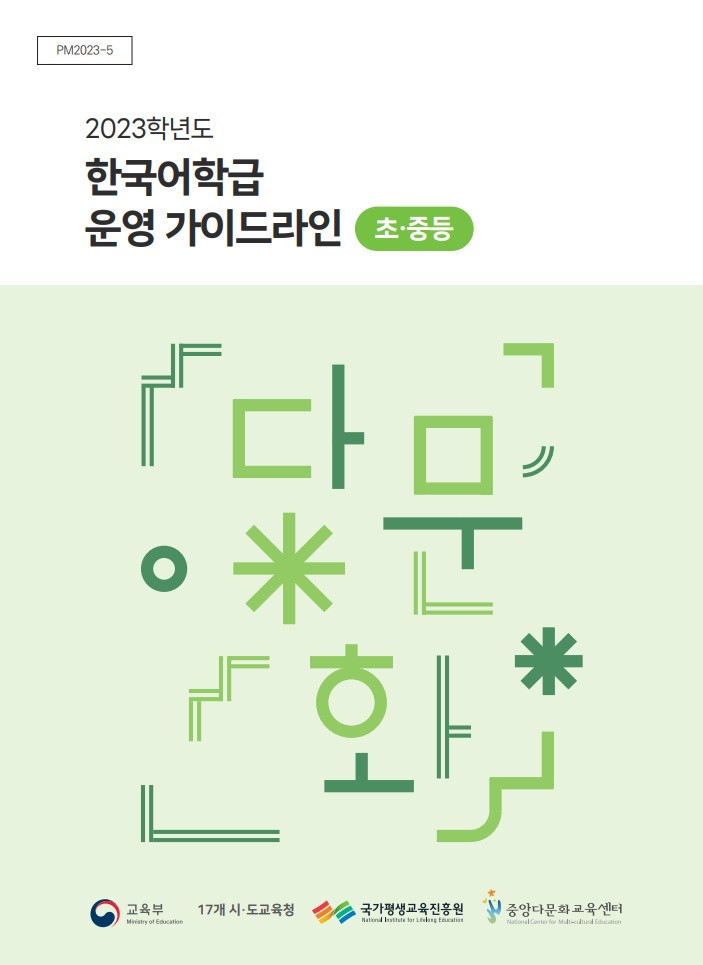 2023학년도 한국어학급 운영 가이드라인: 초중등 Año de publicación: 2023 Autor corporativo: 국가평생교육진흥원 | 중앙다문화교육센터 본 자료는 다문화교육 정책학교 및 한국어학급 담당 교사의 사업에 대한 이해를 제고하고 운영에 도움을 드리고자 제작하였습니다. 본 자료에서 정하는 바를 참고하되, 초·중·고등학교의 여건과 다문화학생(초·중·고등학생)의 특성 등을 종합적으로 고려하여 운영하시기 바랍니다. 더욱 자세한 사항은 시·도교육청 및 국가평생교육진흥원 중앙다문화교육센터를 통해 안내받으실 수 있습니다.
  Genocide Timeline Año de publicación: 2024 Autor corporativo: United States Holocaust Memorial Museum (USHMM) This timeline proposed by the United States Holocaust Memorial Museum shows the major conceptual and legal advances in the evolution of the term "genocide" . It does not seek to detail every case that could be considered genocide, but to show how the term has entered the political, legal and ethical vocabulary from 1900 to 2016 to express threats of violence against groups.
 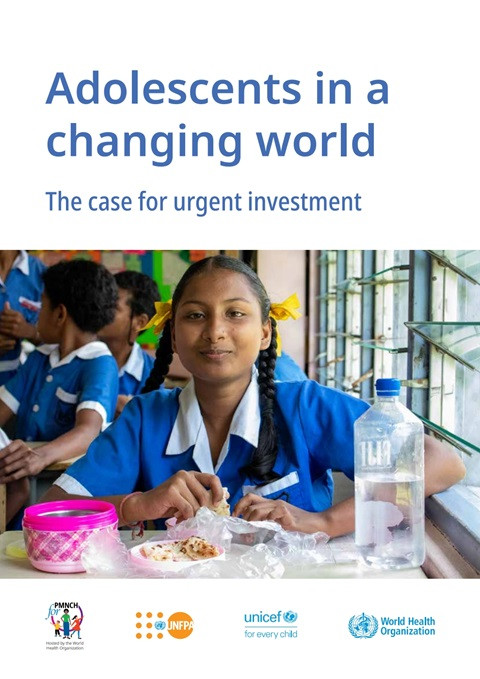 Adolescents in a Changing World: The Case for Urgent Investment Año de publicación: 2024 Autor corporativo: World Health Organization (WHO) | United Nations Children's Fund (UNICEF) This report focuses on the strong returns on investment associated with investing in adolescent health and well-being. Today, adolescents make up more than 16% of the world's population. They are a demographic that is often overlooked or misunderstood. Investments in adolescents can reduce inequalities and help to protect their human rights. The economic and social returns from a wide range of investments to address adolescent well-being are significant. The report makes a compelling case for investing in adolescents, they are living in a world facing multifaceted crises, and they will be tomorrow's changemakers and leaders. The staggering cost of inaction is estimated at US$110 trillion over a period of 27 years (2024-50). That amounts to 7.7% of the total GDP of those countries included in the models, which themselves include around 80% of the world's population. Many interventions will yield high returns, including those focused on health services and multisectoral interventions, for example on SRHR, HPV, TB, myopia, education and training, child marriage and road accident prevention. This evidence base is crucial for policymakers, practitioners, researchers, educators, donors, and civil society organizations as we map the road ahead for a better and more sustainable future. Investing in adolescent health and well-being strengthens the human capital of a country, and hence a country's potential for future development and for ending extreme poverty and creating more inclusive societies.