
Recursos
Exploren una amplia gama de recursos valiosos en GCED para profundizar su comprensión y promover su búsqueda, incidencia, enseñanza y aprendizaje.
3,559 resultados encontrados
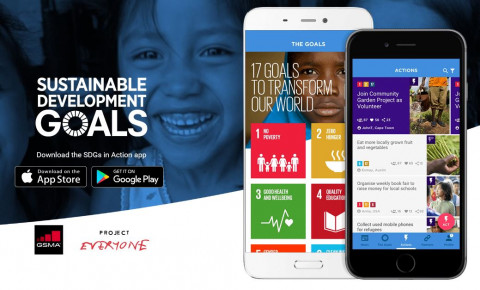 SDGs in Action app Año de publicación: 2019 Autor corporativo: SDG | GSMA О ЧЕМ ЖЕ ЭТО ВСЕ?ОБЗОРПриложение «ЦУР в Действии » было разработано для выдвижения на первый план Целей Устойчивого развития – всемирного списка мероприятий, которые необходимо провести для ликвидации нищеты, уменьшения неравенства и интенсивного изменения климата. Эту информацию Вам предоставляет ассоциация GSMA, которая представляет интересы почти 800 операторов мобильной связи в мире, и Project Everyone – некоммерческой всемирной кампании для распространения сообщений о ЦУРах. ХАРАКТЕРИСТИКИ ПРИЛОЖЕНИЯУзнайте о 17 ЦУРах, получайте новости о Ваших любимых целях, узнайте, что Вы можете сделать для их достижения, создавайте собственные мероприятия и пригласите других людей присоединиться к Вам для участия в действиях и мероприятиях по устойчивому развитию.Характеристики приложения «ЦУР в Действии»:детальная информация о каждой из 17 целей, включая плановые задания, видео с объяснениями, ключевые факты и цифры, а также советы как Вы можете помочь достичь их посредством их активизации.Последние новости об устойчивом развитии в мире. Смотрите, как инновации помогают в достижении этих целей, взаимодействуйте с гражданами всего мира; смотрите последние новости.Возможность выбрать те цели, которые важны для Вас, и получать уведомления о них.Доступ к Самому Большому Уроку в Мире, где даны объяснения каждой из целей устойчивого развития.Найти действия и мероприятия невдалеке от Вас, чтобы Вы могли бы присоединиться к ним и поддержать эти цели.Возможность создать Действия, которые Вы планируете в своем регионе, и пригласить других людей присоединиться к Вам.О ЦЕЛЯХ УСТОЙЧИВОГО РАЗВИТИЯПрограмма ООН об Устойчивом Развитии до 2030 г., где указаны 17 Целей устойчивого Развития, была единогласно принята мировыми лидерами на историческом саммите ООН в сентябре 2015 г. Благодаря объединению национальных приоритетов с Программой 2030 и сотрудничеству с частным сектором и гражданским обществом, правительства начали активизировать усилия по ликвидации нищеты и работе с проблемами неравенства и изменением климата к 2030 г.
 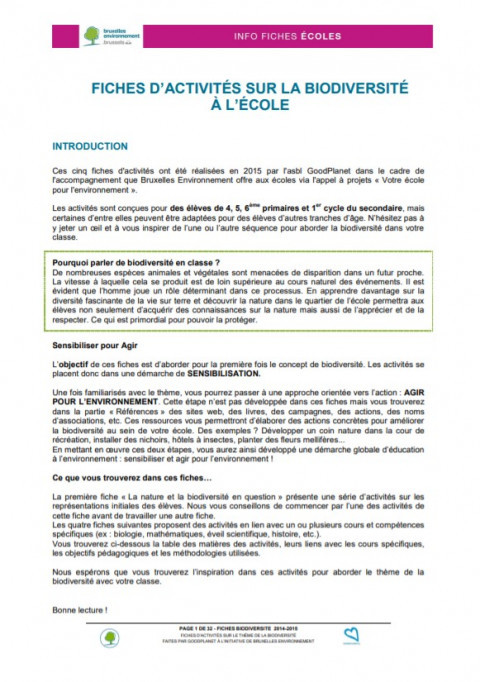 5 fiches activités sur la biodiversité à l'école Año de publicación: 2015 Autor corporativo: Bruxelles Environnement En apprendre davantage sur la diversité fascinante de la vie sur terre et découvrir la nature dans le quartier de l’école permettra aux élèves non seulement d’acquérir des connaissances sur la nature mais aussi de l’apprécier et de la respecter. Ce qui est primordial pour pouvoir la protéger ! Ces fiches présentent une série d’activités en lien avec un ou plusieurs cours et compétences spécifiques. Elles contiennent également de nombreuses ressources pour vous permettre d’aller plus loin.
 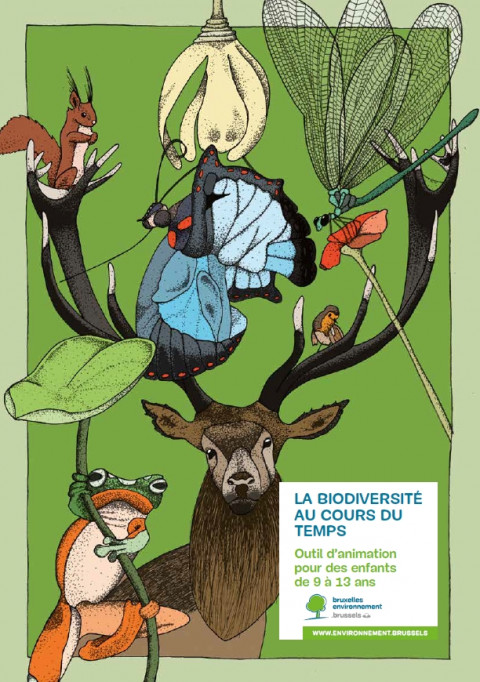 La biodiversité au cours du temps Año de publicación: 2017 Autor corporativo: Bruxelles Environnement Cet outil retrace de manière interactive l’histoire de la vie sur Terre via des images représentant quelques grandes étapes de l’évolution de la biodiversité. Il permet d’aborder la notion du temps et l’apparition des espèces, ainsi que le phénomène d’extinctions massives. SDGs in Action app Año de publicación: 2019 Autor corporativo: SDG | GSMA 关于项目? 概述“可持续发展在行动”应用程序的开发旨在突出可持续发展目标——世界待办事项清单,来消除贫困,减少不平等和应对气候变化。它由代表了全球近800家移动运营商利益的全球移动通信系统协会,以及旨在传播可持续发展目标信息的非营利性全球运动的人人项目,为你呈现。 应用程序特点了解17个可持续发展行动,获取你最喜欢的目标的相关消息,了解你可以做些什么来实现这些目标,创建自己的活动并邀请其他人参与可持续发展行动和活动。“可持续发展在行动“应用程序的特点: 关于17个目标中的每一个的详细信息,包括目标、说明性视频、关键事实和数字,以及如何帮助实现它们的行动建议。 来自世界各地的最新可持续发展新闻。了解创新在帮助实现目标方面起到的作用,与世界各地的全球公民进行互动,并查看最新消息。 选择目标的能力对你很重要,并接收关于该目标的通知。 访问”世界最大的一节课“,解释每个可持续发展目标。 找到你可以加入的行动和事件,以支持目标。 在你所在区域创建行动,并邀请其他人加入。 关于可持续发展目标联合国2030年“可持续发展议程”涵盖17个可持续发展目标,于2015年9月在历史性的联合国峰会上得到了世界各国领导人的一致通过。国家优先事项与“2030年议程”保持一致,并与私营企业和民间团体合作,政府已经开始动员工作,力求到2030年消除贫困,解决不平等和应对气候变化。
  [Vidéo] L'éducation à la citoyenneté mondiale contribue activement aux Objectifs de développement durable Año de publicación: 2018 Autor corporativo: Enable L’accompagnement pédagogique et les conseils personnalisés d’Annoncer la Couleur visent l’intégration d’initiatives d’éducation à la citoyenneté mondiale (ECM) dans les pratiques scolaires et l’utilisation de ressources pédagogiques et d’appuis de qualité dans l'enseignement. Cela permettra aux jeunes d’agir en citoyen·ne·s responsables, conscient·e·s de l’importance de la solidarité internationale et de contribuer à un monde plus juste et plus durable.
  [Video] 전 세계가 함께 하는 지속가능발전목표 Año de publicación: 2019 Autor corporativo: 대한민국 환경부 지속가능 발전 목표를 전 세계가 함께 공유하고 행동해야 할 때이다. 지속가능발전목표(SDGs)란, 인류의 지속가능발전을 위해 유엔에서 채택한 2030년까지 인류의 공동목표이며, 대한민국도 이와 함께 하고 있다.
  Escape Game "Mission ODD: La planète en alerte!" Año de publicación: 2019 Autor corporativo: Comprendre pour agir KuriOz est une association d’Éducation à la Citoyenneté et à la Solidarité Internationale (ECSI) telle que définie par le réseau EducaSol dont elle est membre. L’ECSI se fixe pour objectif de donner à tous, des clés pour comprendre les mécanismes d’interdépendance et d’exclusion dans le monde. Elle vise à une transformation sociale vers plus de respect des droits humains et encourage le vivre ensemble et l’épanouissement personnel. Elle est ainsi un vecteur d’inclusion sociale, en promouvant une citoyenneté active et ouverte. Centrée sur ces objectifs, KuriOz a pour but de contribuer à des changements de regard et de comportement afin d’encourager plus d’engagement citoyen et solidaire, à travers des actions d’éducation, de formation et de promotion d’outils pédagogiques sur les thèmes des solidarités locale et internationale, de la paix et du développement durable. Grâce à une pédagogie ludique et participative, nous interrogeons les représentations et les préjugés, éveillons la curiosité et l’esprit critique et proposons des clés de compréhension face aux défis de notre monde.Nous développons nos activités en direction des jeunes en milieu scolaire (lycée, collège, école) ou hors cadre scolaire (service civique), des adultes en formation (éducateurs sociaux, dessinateurs de presse, animateurs associatifs), des détenus en réinsertion, etc. Pour en savoir plus sur nos activités et ses différents formats (ateliers d’une ou deux heures, projet pédagogique suivi, exposition itinérante, etc.) n’hésitez pas à consulter directement le site de KuriOz.
  [Vidéo] Citoyenneté mondiale pour les écoles jésuites Año de publicación: 2019 Autor corporativo: Educate Magis Pourquoi la Citoyenneté Mondiale est-elle importante dans le monde d’aujourd’hui et dans le contexte jésuite? Le Globale a toujours fait partie du fonctionnement de la Compagnie de Jésus. Dès le début, dans les années 1500, Ignace et ses compagnons missionnaires ont parcouru le monde, se sont écrit des lettres pour parler des expériences qu’ils vivaient ainsi les écoles en ont appris davantage sur le monde qui les entourait. Bien que notre monde ait changé, cet aspect de notre mission n’a pas changé. C’est sans doute plus important que jamais, car nous vivons dans un monde de plus en plus interconnecté.(José Alberto Mesa, SJ, Secrétaire pour l’Enseignement Secondaire et Présecondaire, Compagnie de Jésus)
 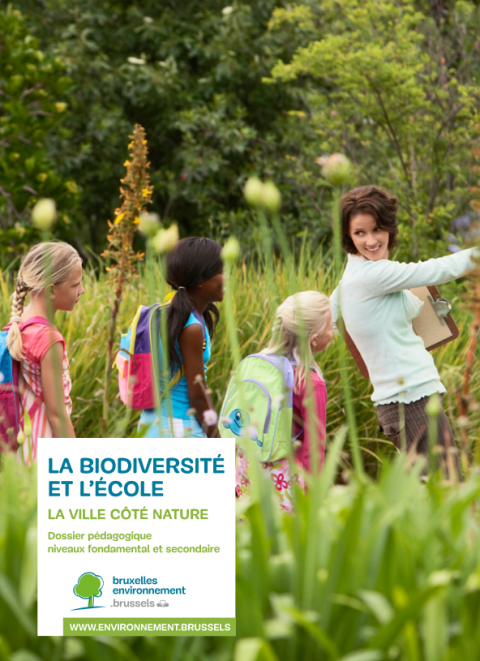 La biodiversité et l'école: la ville côté nature Año de publicación: 2019 Autor corporativo: Bruxelles Environnement Ce dossier pédagogique donne des infos de qualité sur la thématique et des pistes pour mener des activités concrètes au sein de l'école. Les activités proposées allient pédagogie et actions. Ce dossier vous propose divers outils et activités pédagogiques pour passer à l’action avec votre classe ou école : simple découverte de la biodiversité pour motiver vos élèves ; activités pour mieux comprendre la biodiversité à Bruxelles, son importance et les pressions qui pèsent sur elle, et actions concrètes pour la protéger ou la développer, au départ de l’école ou du quartier.
 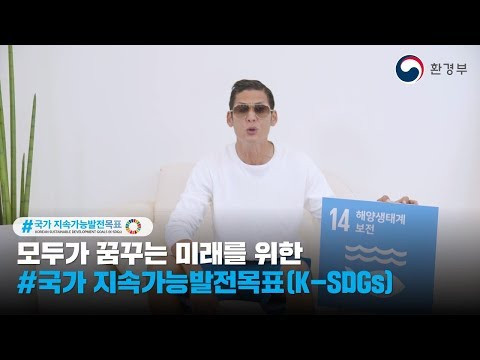 [Video] 국가 지속가능발전목표(K-SDGs) Año de publicación: 2019 Autor corporativo: 대한민국 환경부 K-SDGs는 국제적 정세에 대응하여 수립한 한국형 SDGs이며, 경제, 사회, 환경 등 국정 전분야를 아울러 대한민국이 가야할 2030년까지 이정표를 설정한 것이다.K-SDGs는 기존에 행정부처에서 각종 정책 및 계획 등을 먼저 수립한 후 관계 전문가와 국민의견을 수렴하는 하향식(Top-down) 방식과는 다른 상향식(Bottom-up) 방식으로 추진되었다. 초안을 마련하는 단계부터 192명의 민간 작업반이 참여하여 우리 사회의 지속가능성을 위해 요구되는 사항들을 반영한 세부목표, 지표체계(안)을 마련했다.