
Recursos
Exploren una amplia gama de recursos valiosos en GCED para profundizar su comprensión y promover su búsqueda, incidencia, enseñanza y aprendizaje.
2,768 resultados encontrados
 教育信息化政策和总体规划论纲 Año de publicación: 2022 Autor: Fengchun Miao | Juan Enrique Hinostroza | Molly Lee | Shafika Isaacs | Dominic Orr | Fabio Senne | Ana-Laura Martinez | Ki-Sang Song | Alexander Uvarov | Wayne Holmes | Benjamin Vergel de Dios Autor corporativo: UNESCO 几十年来,全球各国都在尝试利用信息与通信技术(Information and Communication Technologies,ICTs)促进教育发展。这些由公共 机构推动并涉及商业技术公司的行动计划却产生了诸如数字不平等 进一步加剧以及高质量数字学习机会不均衡等矛盾。新冠疫情危机 加剧了这一趋势:在2020年新冠疫情危机最严峻的时期,全球至少 三分之一的学生无法获得远程教育。本出版物旨在引导政策制定者在采用技术时提供人 权保障;将包容、公平和性别平等视为解决方案的 核心;将技术创新视为共同利益。 基于以上原则, 本出版物采用以人为本的视角, 审视从低带宽技术到人工智能和互联网3.0或“元宇宙”等新兴技术的潜能。本出版物倡导国家政策应保护教师和学生的数字健康, 减少和中和数字碳排放足迹,并避免“技术解决方案主义”。本出版物提出了一个教育信息化政策规划框架以及 迭接式政策规划路线图,以引导对各地教育系统的数字化准备状态 的评估、对学习者和教师的需求分析,进而规划有充足的配套资源 支持的国家教育信息化方案。随后,本出版物还深入剖析了在教育 的不同领域实施教育信息化的国家总体规划的典型范例。
  Recommendation on Education for Peace and Human Rights, International Understanding, Cooperation, Fundamental Freedoms, Global Citizenship and Sustainable Development Año de publicación: 2023 Autor corporativo: UNESCO Building more peaceful, just, and sustainable societies starts with education. It influences all aspects of our daily lives and our overall prospects while being impacted by our health and environment. In the global landscape of worsening climate change, democratic backsliding, persistent inequalities, rising discrimination, hate speech, violence and conflict, it can be a tool to address and prevent these problems in the future. And it can also be a long-term investment with increasing returns if shaped and deployed effectively. The new UNESCO Recommendation on Education for Peace and Human Rights, International Understanding, Cooperation, Fundamental Freedoms, Global Citizenship and Sustainable Development, which is commonly referred to as the Recommendation on Education for Peace, Human Rights and Sustainable Development is a landmark guidance document that defines what needs to evolve in and through education to accomplish these goals. 평화, 인권, 국제이해, 협력, 기본적 자유, 세계시민성, 지속가능발전을 위한 교육 권고 Año de publicación: 2023 Autor corporativo: 유네스코 이 권고는 ‘국제이해, 협력, 평화를 위한 교육과 인권, 기본적 자유에 관한 교육 권고(1974)’를 개정하여 2023년 제42차 유네스코 총회가 채택한 것이다.
 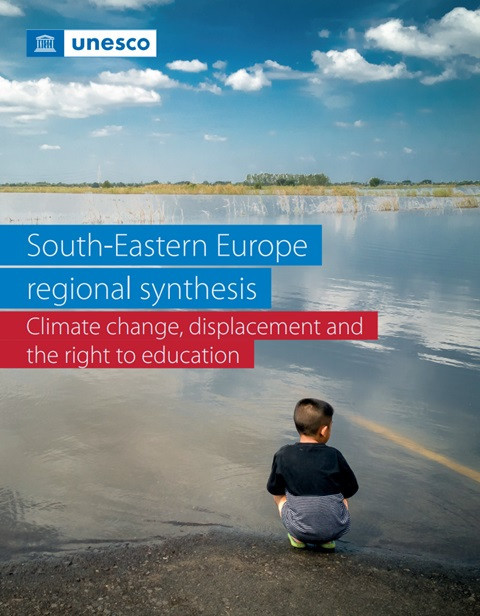 South-Eastern Europe regional synthesis: climate change, displacement and the right to education Año de publicación: 2023 Autor corporativo: UNESCO In 2021 alone, 23.7 million people were displaced in 137 countries and territories due to natural disasters, which the scientific community has recognized have become more frequent and intense due to climate change. Climate change and displacement is currently taking place in Europe, with particularly disastrous consequences in South-Eastern Europe due to regional specificities. Comparative country case studies were carried out in Bosnia and Herzegovina, the Republic of Moldova, and Serbia, as they exemplify clear, present patterns of climate displacement, to examine the impacts of climate change on the right to education in the region. The case studies show that climate change directly threatens education through the destruction of schools and property. It also indirectly puts learning in peril by leading people across borders where their legal residency nor right to education is ensured. This publication aims to guide policy-makers by providing recommendations on how to ensure the protection of the right to education in South-Eastern Europe in the face of climate change and displacement. It is one of four regional reports that will lead to the development of a global report providing global policy guidance.
 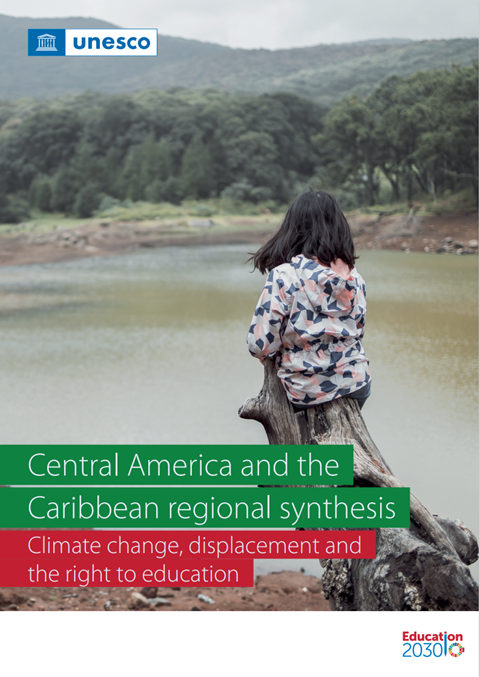 Central America and the Caribbean regional synthesis: climate change, displacement and the right to education Año de publicación: 2023 Autor corporativo: UNESCO From rising sea level to drought and increasingly frequent natural disasters - the effects of climate change are well-known today. However, its effect on human mobility is just coming to the forefront of the political discussion. In 2020 alone, 30.7 million people globally were displaced by natural disasters. Central America and the Caribbean region is prone to the effects of climate change and displacement due to its socioeconomic characteristics and geographic location. Country case studies were carried out in the Bahamas, Cuba, the Dominican Republic, Guatemala, and Jamaica to examine the impacts on the right to education in the region. The research shows that climate change directly threatens education through the destruction of schools and property. It also leads people across borders where their legal residency and right to education are not guaranteed. This report aims to guide policy-makers on how to ensure education is protected in the face of climate change and displacement. The report is one of four being developed and will contribute to UNESCO’s global initiative on climate change, displacement and the right to education. It will inform the development of a Global Report with policy recommendations.
 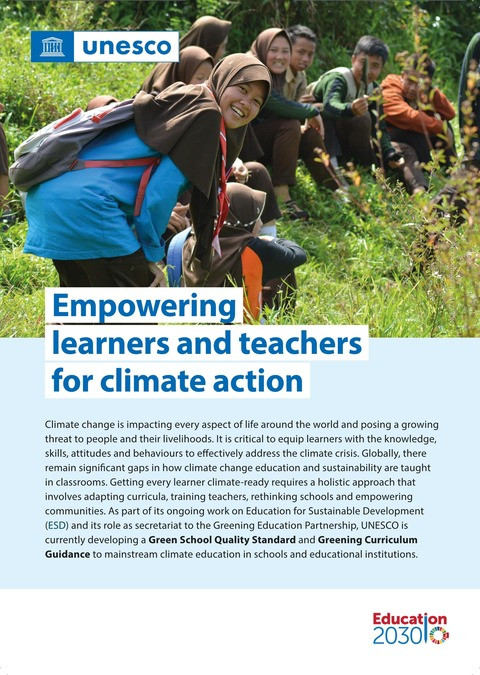 Empowering Learners and Teachers for Climate Action Año de publicación: 2023 Autor corporativo: UNESCO Climate change is impacting every aspect of life around the world and posing a growing threat to people and their livelihoods. It is critical to equip learners with the knowledge, skills, attitudes and behaviours to effectively address the climate crisis. Globally, there remain significant gaps in how climate change education and sustainability are taught in classrooms. Getting every learner climate-ready requires a holistic approach that involves adapting curricula, training teachers, rethinking schools and empowering communities. As part of its ongoing work on Education for Sustainable Development (ESD) and its role as secretariat to the Greening Education Partnership, UNESCO is currently developing a Green School Quality Standard and Greening Curriculum Guidance to mainstream climate education in schools and educational institutions.
  Kit de herramientas global sobre IA y el estado de derecho para el poder judicial Año de publicación: 2023 Autor: Miriam Stankovich | Ivana Feldfeber | Yasmín Quiroga | Marianela Ciolfi Felice | Vukosi Marivate Autor corporativo: UNESCO ¿Qué es la Inteligencia artificial (IA)? ¿Cómo funciona? Y lo que es más importante, ¿cómo se abre camino en el contexto judicial? Tecnologías como la IA han existido durante décadas, pero solo recientemente han comenzado a usarse en una variedad de entornos de justicia y aplicación de la ley. Si bien la IA tiene un inmenso potencial para el sistema de justicia, ya que ayuda a los jueces a tomar mejores decisiones, mejora la eficiencia, aumenta el acceso y ayuda a detectar y prevenir el delito, también existen algunas cuestiones importantes que las partes interesadas en la justicia deben tener en cuenta mientras se preparan para un futuro en el que la IA se utiliza cada vez más en los sistemas de justicia. En 2022, la UNESCO lanzó dos evaluaciones de necesidades. En primer lugar, a través de la Encuesta de evaluación de necesidades de inteligencia artificial de la UNESCO en África, el 90 % de los 32 países encuestados solicitaron apoyo para el desarrollo de capacidades para el poder judicial en materia de IA. Al mismo tiempo, una segunda encuesta mundialde actores judiciales en 100 países subrayó la necesidad de comprender mejor el uso de la IA en la administración de justicia y sus repercusiones jurídicas más amplias en las sociedades. El “Kit de herramientas mundial sobre la IA y el Estado de derecho” para el Poder Judicial responde a estas necesidades y proporciona a los actores judiciales (jueces, fiscales, fiscales estatales, abogados públicos, universidades de derecho e instituciones de formación judicial) el conocimiento y las herramientas necesarias para comprender los beneficios y riesgos de la IA en su trabajo. El kit de herramientas ayudará a los actores judiciales a mitigar los posibles riesgos de la IA para los derechos humanos al brindar orientación sobre las leyes, principios, normas y jurisprudencia internacional de derechos humanos relevantes que sustentan el uso ético de la IA.
 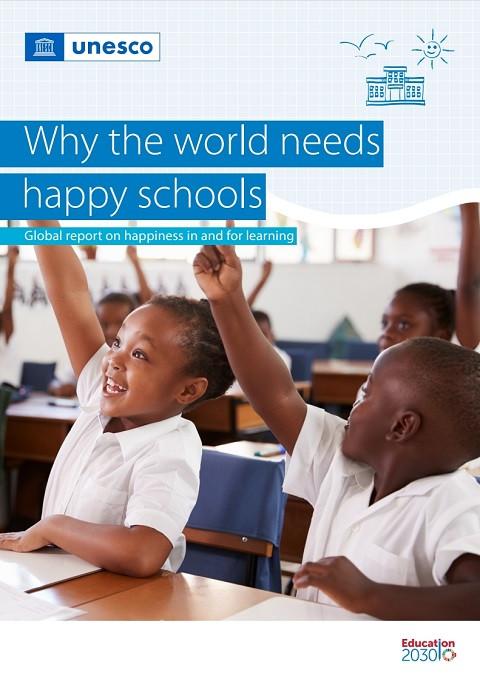 Why the World Needs Happy Schools: Global Report on Happiness In and For Learning Año de publicación: 2024 Autor corporativo: UNESCO Seeing a teacher smile. Hearing students laugh. Feeling a hug from a friend. Smelling fresh air. Tasting a nutritious school meal. These five senses can stimulate happiness at school and improve the learning experiences, outcomes and well-being of students. Through the ‘Happy Schools’ initiative, UNESCO is placing happiness at the core of the transformation of education. It encourages education systems to recognize happiness as both a means to and a goal of quality learning. The initiative is informed by a growing evidence base linking happiness with better learning, teaching, well-being and overall system resilience. This report presents the UNESCO global Happy Schools framework consisting of 4 pillars – people, process, place and principles – and 12 high-level criteria to guide the transformation of learning. It offers a holistic model for embedding happiness into education policies and cultivating it in schools through systemic changes. The report illustrates how the ‘Happy Schools’ initiative aims to create top-down and bottom-up transformation, encouraging governments to recognize happiness as a core objective of education. It supports the scaling of promising practices of joyful learning from the school to the policy level.
 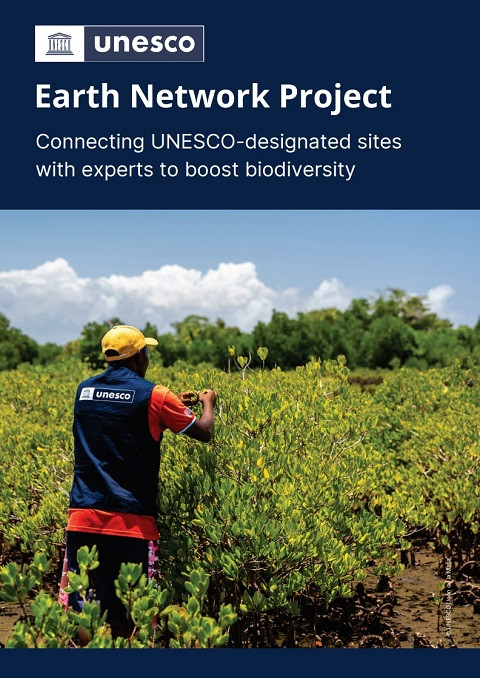 Earth Network Project: Connecting UNESCO-Designated Sites With Experts to Boost Biodiversity Año de publicación: 2024 Autor corporativo: UNESCO The Earth Network project was launched in 2021 with the support of the Government of Italy. It brings together over 380 experts from more than 60 countries, encompassing diverse biodiversity-related fields that include land restoration, environmental management and environmental law. The specialists volunteer to put their unique skillsets and knowledge at the disposal of sites designated by UNESCO which request their assistance. The Earth Network covers all scientific domains and proudly combines different forms of knowledge: scientific, practitioner, local and indigenous. On the ground, these experts provide technical advice, collect data, build partnerships, and provide training tailored to the specific needs and priorities of each UNESCO-designated site.
 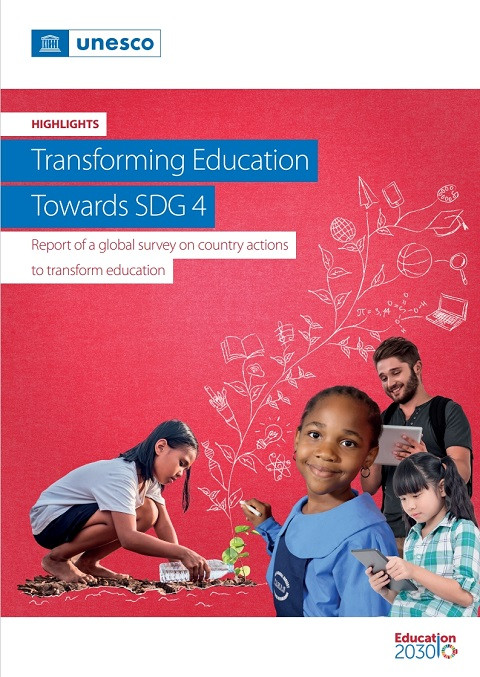 Transforming Education Towards SDG4: Report of a Global Survey on Country Actions to Transform Education; Highlights Año de publicación: 2024 Autor corporativo: UNESCO In 2022, the United Nations Transforming Education Summit responded decisively to mobilize action, ambition and solidarity as well as to elevate education to the top of the political agenda. This powerful mobilization led to 143 countries presenting national statements of commitment, demonstrating their political resolve to reimagine and transform their education systems. On the Summit’s fi rst anniversary, UNESCO invited its Member States to participate in the Survey on Country Actions to Transform Education and report on how they have translated their commitments into actions. This document presents highlights from the Transforming Education Towards SDG 4: Report of a global survey on country actions to transform education. It showcases transformative actions that countries have undertaken to accelerate progress towards SDG 4. The report emphasizes that education must adopt a holistic, lifelong and comprehensive approach that addresses the development and well-being of individual learners and society. Transforming education requires placing inclusion, equity and gender equality at the core of policies and interventions. It also requires more and better education fi nancing, and investments in the teaching profession.