
Recursos
Exploren una amplia gama de recursos valiosos en GCED para profundizar su comprensión y promover su búsqueda, incidencia, enseñanza y aprendizaje.
2,768 resultados encontrados
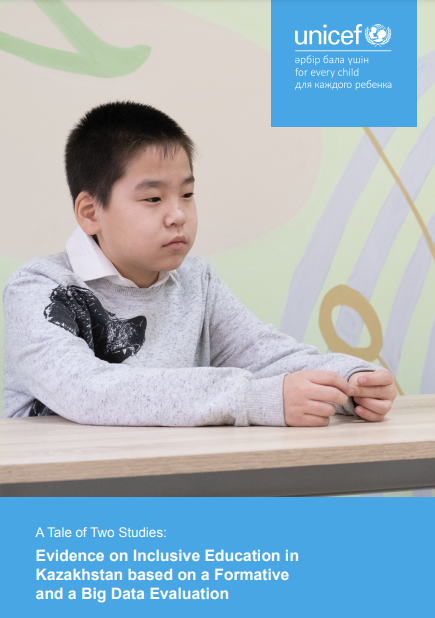 Evidence on Inclusive Education in Kazakhstan based on a Formative and a Big Data Evaluation Año de publicación: 2024 Autor: Arseniy Gurin | Udayan Rathore | Zhanar Zhaxylykova Autor corporativo: UNICEF Kazakhstan The objective of the JB formative evaluation was to examine the functioning of the state education programmes between 2011 and 2021 with a special focus on inclusivity. This covered children from pre-school to secondary school levels. The Big data evaluation or Social Media Listening (SML) study focused on the same age group of children and aimed to further the understanding of different stakeholder perspectives, as expressed via social media and online news media outlets. The demography of Kazakhstan reflects that it is a relatively young country. Given that the youth are more inclined to using social media, this is an important source of discussions in the country, including those on inclusive education. Результаты формативной оценки образования с фокусом на инклюзивность и оценки с использованием больших данных Año de publicación: 2024 Autor: Arseniy Gurin | Udayan Rathore | Zhanar Zhaxylykova Autor corporativo: UNICEF Kazakhstan Целью формативной оценки JB было изучение функционирования государственных образовательных программ в период с 2011 по 2021 год с особым фокусом на инклюзивность. Она охватывала детей дошкольного возраста и возраста средней школы. Оценка с применением больших данных или «Мониторинг социальных сетей» (МСС) были сосредоточены на одной и той же возрастной группе детей и были направлены на дальнейшее понимание различных точек зрения заинтересованных сторон, выраженных посредством социальных сетей и интернет-СМИ. Демографическая ситуация отражает то, что Казахстан относительно молодая нация. Принимая во внимание, что молодежь более склонна к использованию социальных сетей, они представляют собой важный источник обсуждений в стране, в том числе по вопросам инклюзивного образования.
  Мониторинг показателей Целей устойчивого развития в Кыргызской Республике Año de publicación: 2021 Autor corporativo: ПРООН в Кыргызстане Сборник содержит статистические данные мониторинга достижения 16 Целей устойчивого развития, характеризующие основные социально-экономические показатели жизни населения за 2010, 2014-2020 годы. Сборник подготовлен на основе данных, получаемых органами статистики от предприятий, организаций, населения, а также административных источников.
  Disability Discrimination in the Digital Realm: How the ICRPD Applies to Artificial Intelligence Decision-Making Processes and Helps in Determining the State of International Human Rights Law (Human Rights Law Reivew; Volume. 23, Issue. 3) Año de publicación: 2023 Autor: Tetyana Krupiy | Martin Scheinin Scholars have identified challenges to protecting individuals from discrimination in contexts where organisations deploy artificial intelligence decision-making processes. While scholarship on ‘digital discrimination’ is growing, scholars have paid less attention to the impact of the use of artificial intelligence decision-making processes on persons with disabilities. This article posits that while the use of artificial intelligence technology can be beneficial for some purposes, its deployment can also construct a disability. The article demonstrates that the Convention on the Rights of Persons with Disabilities can be interpreted in a manner that confers a wide variety of human rights on persons with disabilities in the context when entities deploy artificial intelligence decision-making processes. The article proposes a test for digital discrimination based on disability and shows how it can be incorporated into the treaty through legal interpretation. Thereafter, it moves to developing an analogous general test for digital discrimination under international human rights law, applicable beyond a catalogue of protected characteristics.
 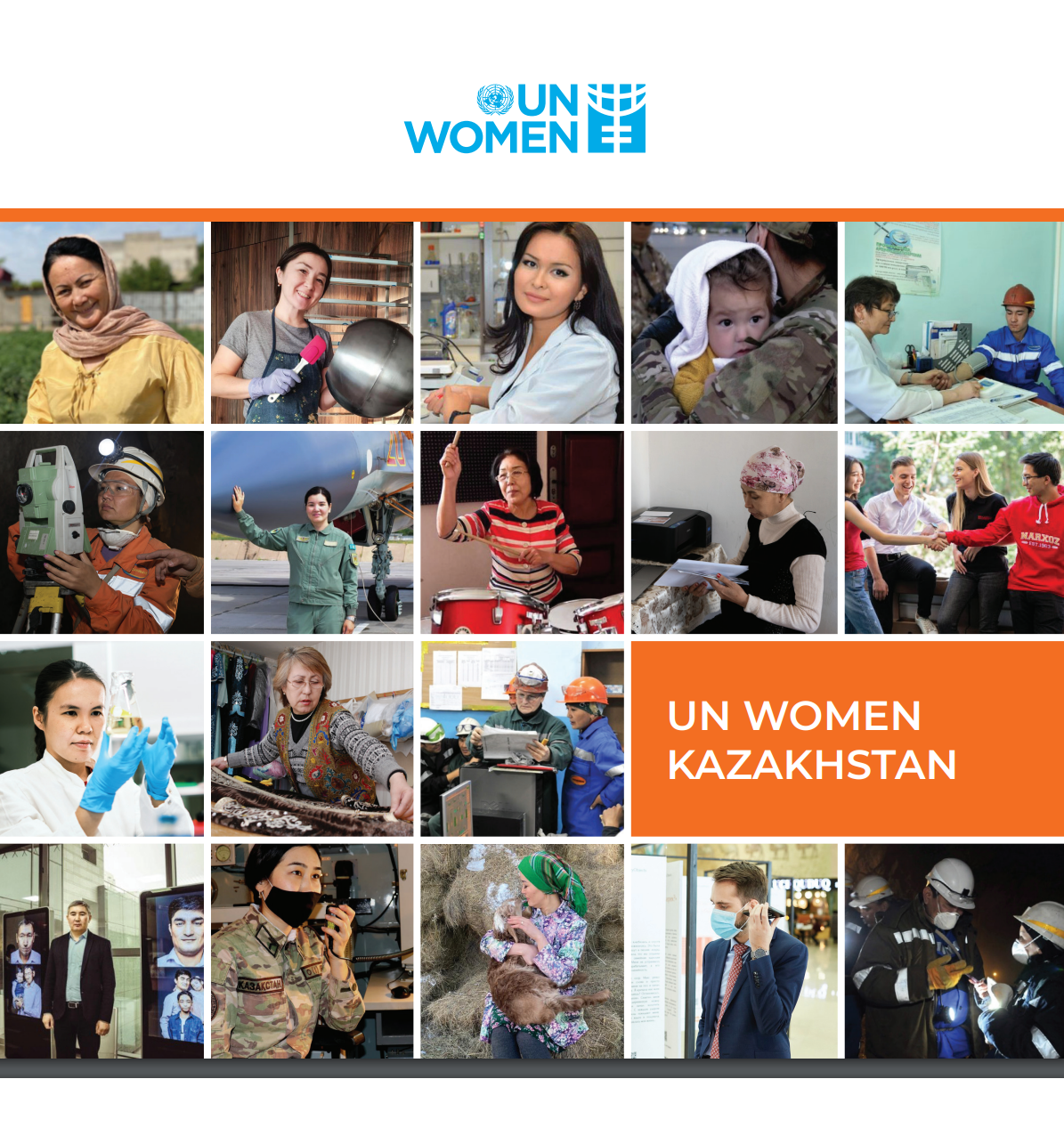 UN WOMEN Kazakhstan Año de publicación: 2022 Autor corporativo: United Nations Entity for Gender Equality and the Empowerment of Women (UN Women) This one-pager provides a brief outline of UN Women Kazakstan's mandate, goals, activities, key audiences, partners, and other important information. Структура ООН-женщины в Казахстане Año de publicación: 2022 Autor corporativo: United Nations Entity for Gender Equality and the Empowerment of Women (UN Women) В брошюре представлена краткая информация о Структуре «ООН-женщины» в Казахстане, мандате, целях и деятельности организации, а также ключевых партнерах и т.д.
  Women Influencing Multi-Stakeholder Peace Dialogue, Processes and Policy Spaces Año de publicación: 2023 Autor corporativo: United Nations Entity for Gender Equality and the Empowerment of Women (UN Women) This paper seeks to draw lessons on how women have been participating as actors in influencing peace dialogue and processes related to the women, peace and security agenda in Europe and Central Asia. It also highlights challenges that need to be taken into consideration and offers recommendations to promote their greater contribution, influence, and participation in peace processes. Женщины, влияющие на многосторонние диалоги, процессы и политику в интересах мира Año de publicación: 2023 Autor corporativo: United Nations Entity for Gender Equality and the Empowerment of Women (UN Women) Целью данного документа является извлечение уроков о том, как женщины участвуют в качестве действующих лиц, влияя на мирный диалог и процессы, связанные с повесткой дня «Женщины, мир и безопасность» в Европе и Центральной Азии. В нем также освещаются проблемы, которые необходимо принять во внимание, и предлагаются рекомендации по содействию их большему вкладу, влиянию и участию в мирных процессах.
 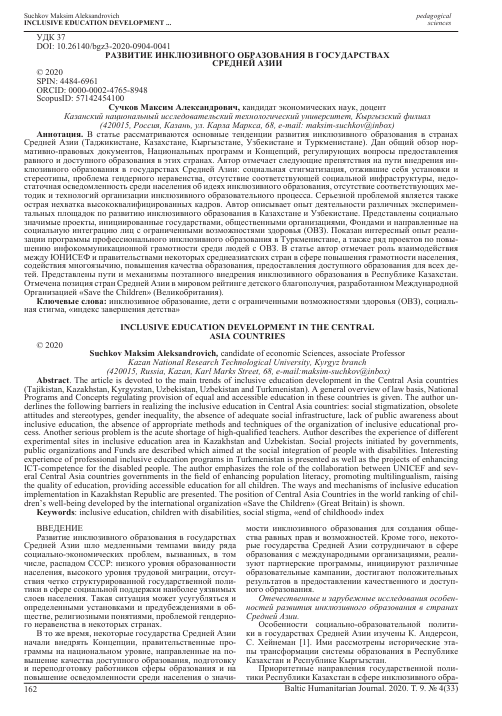 Развитие инклюзивного образования в государствах Средней Азии (Балтийский гуманитарный журнал; Том 9; № 4(33) Año de publicación: 2020 Autor: Сучков Максим Александрович Autor corporativo: Ассоциация «Профессиональные аналитики аутопойэйзисных систем» В статье рассматриваются основные тенденции развития инклюзивного образования в странах Средней Азии (Таджикистане, Казахстане, Кыргызстане, Узбекистане и Туркменистане). Дан общий обзор нормативно-правовых документов, Национальных программ и Концепций, регулирующих вопросы предоставления равного и доступного образования в этих странах.
  Участие женщин в делах государства: Казахстан 2022 Año de publicación: 2022 Autor corporativo: United States Agency for International Development (USAID) Цель предусматривает обеспечение полного и значимого участия женщин и равных возможностей для лидерства на всех уровнях принятия решений в политической, экономической и общественной жизни.