
Recursos
Exploren una amplia gama de recursos valiosos en GCED para profundizar su comprensión y promover su búsqueda, incidencia, enseñanza y aprendizaje.
2,813 resultados encontrados
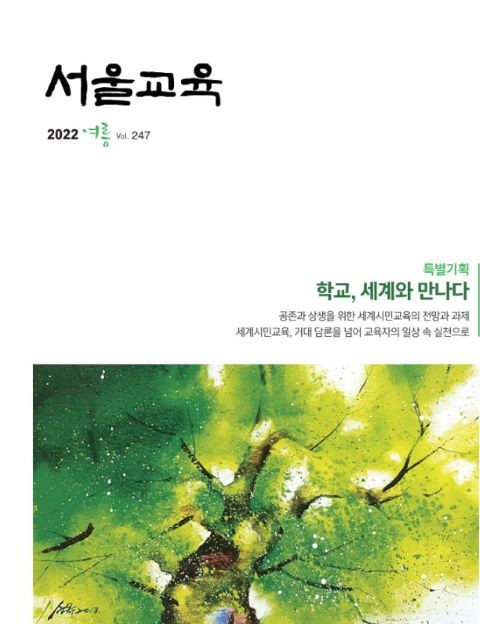 서울교육 2022년 여름호 (제64권 통권 247호) Año de publicación: 2022 Autor corporativo: 서울특별시교육청 교육연구정보원 권두칼럼:세계시민으로 사는 길 특별기획: 학교, 세계와 만나다 공존과 상생을 위한 세계시민교육의 전망과 과제세계시민교육, 거대 담론을 넘어 교육자의 일상 속 실천으로 해외교육:프랑스, 왜 다시 시민교육 강화에 나서는가? 정책연구:메타버스의 교육적 활용 방안 - 확장된 학습 공간으로서의 가능성과 한계 본 저작물은 서울특별시교육청교육연구정보원에서 2022년 작성하여 공공누리 제 4유형으로 개방한 ‘서울교육 2022년 여름호 (제64권 통권 247호)’ 을 이용하였으며 해당 저작물은 서울특별시교육청교육연구정보원 (www.serii.re.kr)에서 무료로 다운받으실 수 있습니다.
  كيفيات التربية المدرسية على قيم المواطنة في ظل المبادئ التي تحملها الدول العربية المتجهة نحو الديمقراطية من أجل تحقيق التكامل المجتمعي (مجلة هيرودوت ، المجلد 6 ، رقم 1) Año de publicación: 2022 Autor: Zahya Shuashi | Noura Diradi Autor corporativo: Herodotus Foundation for Scientific Research and Training تناقش هذه الورقة البحثية موضوع التربية على المواطنة من خلال الأدوار التي تقوم بها الأنظمة التعليمية والتربوية في العالم العربي، وسيركز موضوعنا على فكرة تثمين وتعزيز إدماج ثقافة المواطنة في الحقل التعليمي وترسيخها خاصة وأنها أصبحت مطلب من مطالب الديمقراطية التي تحاول الدول العربية الانخراط فيها، وفي ظل التحديات التي يفرضها النظام العالمي الجديد، وهي محاولة تستخدم على صعيد المناهج التعليمية للاستجابة للمتطلبات الاجتماعية والقيم الثقافية وطموحات المواطنين، وذلك من خلال ترسيخ ثقافة المواطنة عبر التربية الشاملة، مع تأطير كل ذلك داخل الفضاء الثقافي المجتمعي والذي يطلق عليه تسمية المدرسة، لكن لكي يتحقق ذلك لابد من اعتماد المدرسة في الدول العربية على فلسفة تربوية تقوم على برامج ومناهج حية تستهدف ترسيخ أخلاقيات وسلوكيات المواطنة الحقة، والتي تظهر أثارها الإيجابية في حياة أفراد المجتمع، ونسعى هنا إلى تبيان العلاقة بين فكرة التربية على المواطنة باستخدام مناهج تتماشى ومسارات التطور العلمي للارتقاء بإنسانية المواطن المتعلم، فهل فعلا أسهمت المناهج التعليمية في البلدان العربية من تحقيق التربية على المواطنة Modalities of School Education on the Values of Citizenship in Light of the Principles Carried by Arab Countries Moving Towards Democracy in Order to Achieve Societal Integration (Herodote Journal; vol. 6, no. 1) Año de publicación: 2022 Autor: Zahya Shuashi | Noura Diradi Autor corporativo: Herodotus Foundation for Scientific Research and Training This research paper discusses the topic of citizenship education through the roles played by the educational and educational systems in the Arab world, and our topic will focus on the idea of valuing and promoting the integration and consolidation of the culture of citizenship in the educational field, especially since it has become one of the demands of democracy that Arab countries are trying to engage in. The challenges posed by the new world order, which is an attempt to be used on the level of educational curricula to respond to the social requirements, cultural values and aspirations of citizens, by consolidating the culture of citizenship through comprehensive education, while framing all of this within the societal cultural space called the school, but in order to achieve this. The school in the Arab countries must rely on an educational philosophy based on live programs and curricula aimed at consolidating ethics and true citizenship behaviors, which show their positive effects on the lives of community members, and we seek here to clarify the relationship between the idea of citizenship education by using curricula that are in line with the scientific development paths to advance the citizen's humanity The learner, so did the educational curricula in the Arab countries really contribute to achieving citizenship education?
 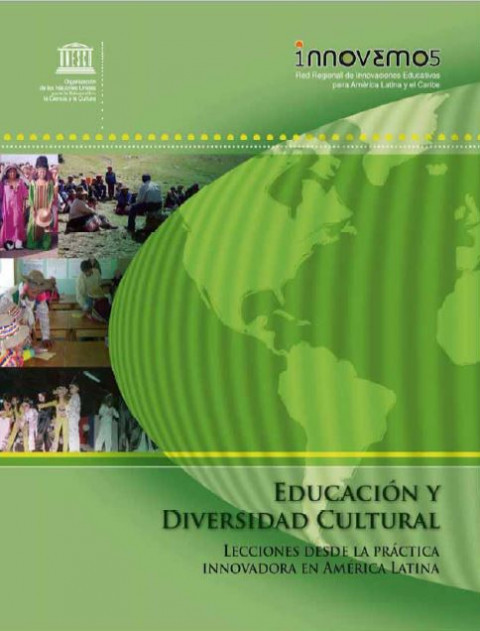 Education and Cultural Diversity Lessons from Innovative Practice in Latin America Año de publicación: 2008 Autor: Carolina Hirmas R. Autor corporativo: UNESCO Santiago This publication, which is the second volume of the collection, is the result of analysis and reflection on a series of innovative educational experiences from several Latin American countries, which respond with pedagogical relevance to the students' cultural context and offer an education oriented towards knowledge, understanding and dialogue between people of different cultures. The significant contribution of the aforementioned experiences lies in the recognition and appreciation of the ethnic and cultural diversity of its students and communities, as a starting point for the development of new learning and affirmation of their identity. In turn, life in educational centers promotes intercultural relations of respect and fraternity in a local and subregional sociogeographic context, characterized by multiculturalism.
 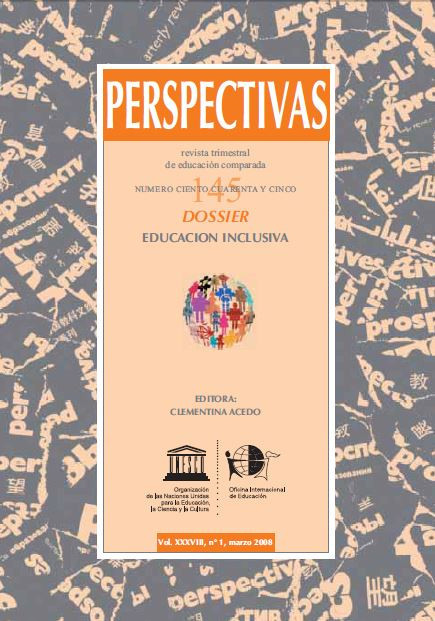 Inclusive Education Año de publicación: 2008 Autor corporativo: UNESCO International Bureau of Education (IBE) Inclusive education: the road to the future is the subject of the forty-eighth meeting of the International Conference on Education (CIE) to be held in Geneva from November 25 to 28, 2008. I believe that a genuine dialogue and a frank debate between Ministers and other education actors on this central theme and on the four related sub-themes: approaches, scope and content; public politics; systems, interfaces and transitions, and students and teachers, will be both timely and appropriate. Educación Inclusiva Año de publicación: 2008 Autor corporativo: UNESCO International Bureau of Education (IBE) La educación inclusiva: el camino hacia el futuro es el tema de la cuadragésimo octava reunión de la Conferencia Internacional de Educación (CIE) que tendrá lugar en Ginebra del 25 al 28 de noviembre de 2008. Creo que un genuino diálogo y un franco debate entre los ministros y otros actores de la educación sobre este tema central y sobre los cuatro subtemas relacionados: enfoques, alcance y contenido; políticas públicas; sistemas, interfaces y transiciones, y alumnos y docentes, resultarán a la vez oportunos y apropiados. Education pour l'inclusion Año de publicación: 2008 Autor corporativo: UNESCO International Bureau of Education (IBE) L’auteur présente ce numéro spécial qui offre une sélection d’articles alliant recherche théorique et pratique sur la notion de l’éducation pour l’inclusion et sur les problèmes rencontrés dans l’élaboration de politiques et leur application pratique. Ces articles reflètent les approches diversifiées et à volets multiples de l’inclusion, eu égard aux aspects théoriques, disciplinaires et méthodologiques. Tout au long de ce numéro, l’inclusion est le principe de base qui oriente l’Éducation pour tous (EPT) de qualité —- c’est-à-dire, l’établissement de systèmes éducatifs tirant profit de la diversité et visant à édifier une société plus juste et plus démocratique.Ce numéro spécial est consacré au thème de la quarante-huitième session de la Conférence internationale de l’éducation (CIE) « L’éducation pour l’inclusion : la voie de l’avenir » (Genève, 25-28 novembre 2008).
 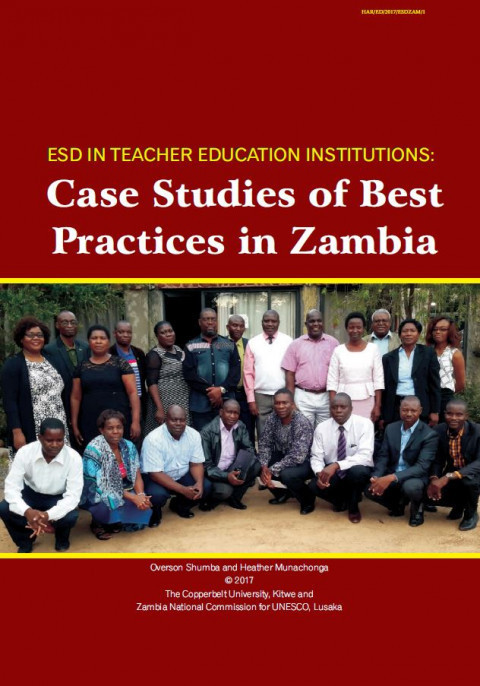 ESD in Teacher Education Institutions: Case Studies of Best Practices in Zambia Año de publicación: 2017 Autor: Overson Shumba | Heather Munachonga Autor corporativo: Zambia National Commission for UNESCO | Copperbelt University This book is a compilation of case studies on best practices in education for sustainable development in teacher education institutions in Zambia. It contributes to the dissemination of the best practices among the institutions and the wider society. It adds to examples of practices that are relevant to the UNESCO Global Action Programme on Education for Sustainable Development (GAP). The project was coordinated by Professor Overson Shumba at the Copperbelt university in Kitwe and Heather Munachonga, Programme Officer at the Zambia National Commission for UNESCO in Lusaka. The book was made possible with funding and support from UNESCO, Paris, the Ministry of General Education, the Copperbelt University, and the Zambia National Commission for UNESCO. All the institutions were supported by the teacher education institutions and their partners. The book illustrates some of the actions undertaken consistent with pursuit of the education SDG4 target 7. It is expected that this book will lead teacher educators and teachers to come up with further innovations and to integrate them in their professional work. Whole institution actions are encouraged so that best practices as found in this book can permeate and transform all aspects of the institution: the curriculum, teaching, assessment, research, extra-curricular activities, and operations, and must involve everyone, students, workers, lecturers, and the surrounding community.
 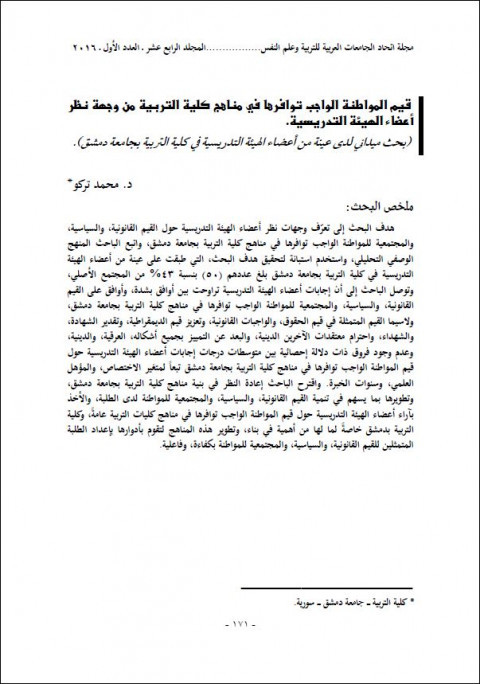 قيم المواطنة الواجب توافرها في مناهج كلية التربية من وجهة نظر أعضاء الهيئة التدريسية : بحث ميداني لدى عينة من أعضاء الهيئة التدريسية في كلية التربية بجامعة دمشق Año de publicación: 2016 Autor: Mohammad Turko Autor corporativo: Damascus University. Faculty of Education هدف البحث إلى التعرف إلى وجهات نظر أعضاء الهيئة التدريسية حول القيم القانونية والسياسية والمجتمعية للمواطمة الواجب توافرها في مناهج كلية التربية بجامعة دمشق. اتبع الباحث المنهج الوصفي التحليلي، واستخدم استبانة... طبقت على عينة من أعضاء هيئة التدريس...عددهم 50 بنسبة 43% من المجتمع الأصلي. توصل الباحث إلى أن الإجابات ترواحت بين أوافق بشدة ، وأوافق على القيم القانونية والسياسية والمجتمعية الواجب توافرها...ولا سيما القيم المتمثلة في قيم الحقوق، والواجبات القانونية، وتعزيز قيم الديمقراطية، وتقدير الشهاداة، والشهداء، واحترام معتقدات الآخرين الدينية، والبعد عن التمييز بجميع أشكاله العرقية، والدينية، وعدم وجود فروق ذات دلالة إحصائية بين متوسطات درجات الإجابات...تبعا لمتغير الاختصاص، والمؤهل العلمي، وسنوات الخبرة. اقترح الباحث إعادة النظر في بنية مناهج كلية التربية...وتطويرها بما يسهم في تنمية القيم القانونية، والسياسية، والمجتمعية للمواطنة لدى الطلبة والأخذ بآراء أعضاء الهيئة التدريسية حول قيم المواطنة الواجب توافرها في مناهج كليات التربية عامةً... لما لها من أهمية في بناء، وتطوير هذه المناهج لتقوم بأدوارها بإعداد الطلبة المتمثلين للقيم القانونية، والسياسية، والمجتمعية للمواطنة بكفاءة، وفاعلية. The Citizenship Values That Should Be Available in the Curricula of Faculty of Education from the Academic Staff Viewpoint : A Field Study on a Sample from the Academic Staff in Faculty of Education at Damascus University Año de publicación: 2016 Autor: Mohammad Turko Autor corporativo: Damascus University. Faculty of Education This study aimed at at identifying the views of the teaching staff regarding the legal, political, and the community values of citizenship that must to be available in the curriculla of the Education Faculty at Damascus University. The researcher used the anaalytical method and a questionnaire that was applied to a sample of 50 teachers making 43% of the original community.The responses varied between 'I strongly agree' and 'I agree to legal, political, and the community values of citizenship that must be available'...especially values of rights and legal obligations and social values of citizenship that must be available, promoting democratic values, valuing martyrdom and martyrs, respecting the religous beliefs of others and staying away from racial and religous discrimation. There were no differences of statistical significance between the mean degrees of responses as per the variables of specializatiop, scientific degrees or years of experience. the researcher suggested that the curriclla of the Education Faculty be rewied and developed in order for them to contribute to the development of the legal, political and social values of citizenship among students, and that the views of the teaching staff are taken into consideration regarding the citizenship values that must be available in order for them to prepare the students to assimilate the values efficiently and effectively.