
Recursos
Exploren una amplia gama de recursos valiosos en GCED para profundizar su comprensión y promover su búsqueda, incidencia, enseñanza y aprendizaje.
1,951 resultados encontrados
 A Geographical - Political Analysis of the Determinants of women's empowerment in Iraq Año de publicación: 2020 Autor: Zainab Ali Mazloum, Lateef Kamel Kelaiwy Empowering women is one of the modern topics that geopolitics is concerned with, especially after the United Nations adopted in the eighties of the twentieth century the strategy of empowering women against the background of discrimination against them on the basis of gender and depriving them of equal opportunities compared to males in the fields of learning and work as well as drawing state policy, that empowerment The political status of women is based on two main variables: the first is the removal of legislative, administrative, and social determinants that hinder women's political participation, and the second is the creation of political measures and measures that support women's participation and increase their effectiveness by developing their capabilities, nah As for employing those capabilities in the institutional framework of political units, so states at various levels and orientations, including Iraq, are keen to eliminate gender differences and women's empowerment through achieving comprehensive development in general and political development in particular because they mimic political empowerment, however Iraq has said a lot in this field by doing The many political transformations and wars that affected the state, as well as the great challenges that faced and still face the Iraqi political decision-maker with its various political, security, economic and social dimensions. التحليل جغرافي سياسي لمحددات تمكين المرأة في العراق Año de publicación: 2020 Autor: Zainab Ali Mazloum, Lateef Kamel Kelaiwy يعد تمكين المرأة من الموضوعات الحديثة التي اهتمت بها الجغرافيا السياسية لاسيما بعد تبن الامم المتحدة في ثمانينيات القرن العشرين لاستراتيجية تمكين المرأة على خلفية التمييز القائم ضدهن على اساس النوع وحرمانهن من تكافؤ الفرص مقارنة بالذكور في ميادين التعلم والعمل فضلا عن رسم سياسة الدولة ، على ان التمكين السياسي للمرأة يرتكز على متغيرين اساسيين :اولهما ازالة المحددات التشريعية والادارية والاجتماعية التي تعيق المشاركة السياسية للمرأة وثانيهما ايجاد التدابير والاجراءات السياسية التي تدعم مشاركة المرأة وزيادة فاعليتها عبر تطوير قدراتها ، ناهيك عن توظيف تلك القدرات في الاطار المؤسسي للوحدات السياسية ، لذا تحرص الدول بمختلف مستوياتها وتوجهاتها ومنها العراق على ازالة فوارق النوع الاجتماعي وتمكين المرأة من خلال تحقيق التنمية الشاملة عامة والتنمية السياسية خاصة لكونها تحاكي التمكين السياسي ، بيد ان العراق قد تلكا كثيرا في هذا المجال بفعل كثرة التحولات السياسية والحروب التي طالت الدولة فضلا عن التحديات الكبيرة التي واجهت وما زالت تواجه صانع القرار السياسي العراقي بأبعادها المختلفة السياسية والامنية والاقتصادية والاجتماعية ، وعليه جاء هذا البحث ليتعرض الى المرتكزات السياسية والقانونية لتمكين المرأة في العراق علاوة على التطرق لمظاهر التمكين السياسي للمرأة فيه فضلا عن عرض ابرز محدداته في الدولة وتقديم الحلول الناجعة لها.
  Espace presse de la FIDH Autor corporativo: Fédération internationale pour les droits humains (FIDH) Cet espace presse est un lieu où sont recensés tous les communiqués de presse produits par la FIDH. Si vous cherchez à être informé de l'avancée des droits humains dans le monde vous y retrouverez tous les derniers documents de recherche et de plaidoyer de la fondation This press room is a place where you can find all the press releases produced by FIDH. If you're looking to keep abreast of human rights developments around the world, you'll find all the latest FIDH research and advocacy documents here.
 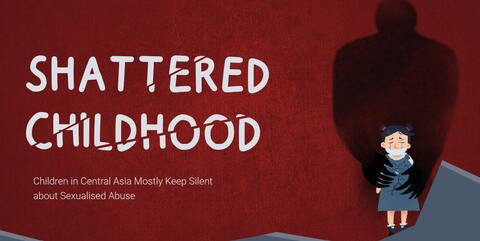 Осколки детства: В Центральной Азии дети чаще всего молчат о сексуализированном насилии Autor: Katerina Afanasieva | Aleksandra Vasilkova | Mazkhab Dzhumaev | Aida Dzhaksybaeva Autor corporativo: Central Asian Bureau for Analytical Reporting (CABAR) Никто не знает реальные масштабы сексуализированного насилия в отношении детей в Центральной Азии. По оценке правозащитников, в лучшем случае только 1 кейс из 10 доходит до правоохранительных органов. А если это и происходит, то недружественное к детям следствие и суды часто наносят повторную травму, а дела длятся порой годами.
 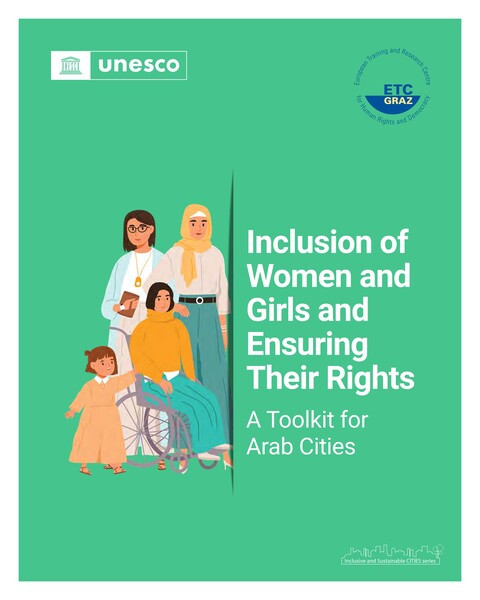 Inclusion of Women and Girls and Ensuring Their Rights: A Toolkit for Arab Cities Año de publicación: 2023 Autor corporativo: UNESCO Cairo | European Training and Research Centre for Human Rights and Democracy (Austria) Even though women and girls represent close to or more than half of the population of most Arab cities, they are one of the groups that are historically and structurally excluded from decision-making and development planning in the cities. They face many barriers in accessing cities services, and inequality participating in cities activities. Developed on the basis of a virtual regional consultation workshop, as well as in-depth interviews with cities officials and representatives from the Coalition of Arab Cities against Racism, Discrimination, Xenophobia and Intolerance, this Toolkit provides tools and practical advice to enable Arab cities achieve a better inclusion of women and girls, and ensure their full right to benefit from local development programs. The toolkit mainly targets local authorities in Arab cities including Mayors, Members of Municipality Councils, Municipal executives, and Entities concerned with the design, implementation, follow-up, and evaluation of local projects and programs. “Since wars begin in the minds of men andwomen it is in the minds of men and womenthat the defences of peace must be constructed”Inclusion of women and girls in Arab cities: challenge or opportunity?This publication is the result of a joint effort involving the European Training and Research Centre for Human Rights and Democracy in Graz, UNESCO Coalition of Arab Cities against Racism, Discrimination, Xenophobia and Intolerance, and UNESCO Cairo Office. إدماج وضمان حقوق النساء والفتيات: دليل المدن العربية Año de publicación: 2023 Autor corporativo: UNESCO Cairo | European Training and Research Centre for Human Rights and Democracy (Austria) إدماج النساء والفتيات في المدن العربية، تح ٍد أم فرصة؟يشكل إدماج النساء والفتيات عنصرا محوريا في مسألة الإدماج الحضري. فعلى الرغم من أن النساء والفتياتي مثلن ما يقرب من أو يزيد عن نصف السكان في أغلب المدن العربية، فإنهن من أكثرالفئات المستبعدة تاريخيا وهيكلًيا من عملية صنع القرار والتخطيط الإنمائي في المدن العربية. ويواجهن العديد من العوائقل لاستفادة من خدمات المدن ويعانين من عدم المساواة فيفرص المشاركة في أنشطتها.كان إعداد هذا الدليل على أساس ورشة عمل استشارية إقليمية افتراضية، بالإضافة إلى مقابلات متعمقة مع مسؤولي المدن وممثلي تحالف المدن العربية ضد العنصرية والتمييز وكراهية الأجانب والتعصب. ويوفر الدليل أدوات ونصائح عملية لتمكين المدن العربية من تحقيق إدماج النساء والفتيات بشكل أفضل، وضمان حقهن الكامل في الاستفادة من برامج التنمية المحلية.يستهدف هذا الدليل بشكل أساسي السلطات المحلية في المدن العربية بما في ذلك رؤساء البلديات وأعضاء المجالس البلدية والمديرين التنفيذيين في البلديات والهيئات المعنية بتصميم المشاريع والبرامج المحلية وتنفيذها ومتابعتها وتقييمها.يأتي هذا المنشور نتيجة جهد مشترك ساهم فيه كل من المركز الأوروبي للتدريب والبحوث لحقوق الإنسان والديمقراطية في جراتس، وتحالف اليونسكو للمدن العربية ضد العنصرية والتمييز وكراهية الأجانب والتعصب، ومكتب اليونسكو بالقاهرة.
  L’université de paix, ressources pédagogiques Autor corporativo: L'université de paix L'Université de Paix diffuse des outils pédagogiques et des articles de fond pour apprendre à mieux communiquer et développer des relations plus sereines et constructives.The University of peace distributes teaching tools and in-depth articles to help people learn to communicate better and develop calmer, more constructive relationships.
  AntiClash Año de publicación: 2023 Autor: Rafael Tyszblat | Olivier Fournout Autor corporativo: AntiClash AntiClash est un concept d’émission qui va contre la culture du c"lash" en mettant en avant l’esprit et la méthode du dialogue. Lors des émissions thématiques, facilitées par des professionnels du dialogue, les intervenants – connus ou non, experts ou pas, mais en désaccord sur un sujet à potentiel polémique – sont invités à aller au fond de leurs divergences, avec authenticité et respect.Il ne s’agit pas d’une émission d’information. Les animateurs ne sont ni journalistes, ni experts dans les domaines abordés par les personnes invitées. Ainsi, ils ne font pas de « fact checking », ni de « debunking » mais invitent leurs auditeurs à vérifier eux-mêmes les faits avancés par les intervenants.L’objectif d’AntiClash est de montrer de quoi a l’air un véritable dialogue en permettant une meilleure compréhension des discours antagonistes, que la culture du clash dans les médias et les réseaux ne permet pas.Il ne s’agit pas de créer une société où tout le monde est d’accord, mais nos différences, si elles font l’objet d’une conversation constructive, doivent enrichir notre compréhension des lignes de fracture politique et nous permettre de nous rapprocher d’une vérité partagée en rétablissant des liens de confiance et une communication éthique entre citoyens.AntiClash, c’est la tentative de montrer une alternative à l’affrontement sur les sujets qui comptent. AntiClash is a program concept that goes against the culture of c "lash" by emphasizing the spirit and method of dialogue. During themed programs, facilitated by dialogue professionals, speakers - well-known or not, experts or not, but disagreeing on a potentially controversial subject - are invited to get to the bottom of their differences, with authenticity and respect.This is not a news program. The hosts are neither journalists nor experts in the fields covered by the guests. As such, they do not engage in "fact checking" or "debunking", but invite their listeners to verify for themselves the facts put forward by the speakers. The aim of AntiClash is to show what real dialogue looks like, by enabling a better understanding of antagonistic discourses, which the culture of clash in the media and networks does not allow. It's not about creating a society where everyone agrees, but our differences, if the subject of constructive conversation, should enrich our understanding of political fault lines and enable us to move closer to a shared truth by re-establishing bonds of trust and ethical communication between citizens. AntiClash is an attempt to show an alternative to confrontation on the issues that matter.
  Asia and the Pacific SDG Progress Report 2025: Engaging Communities to Close the Evidence Gap Año de publicación: 2025 Autor corporativo: UN. Economic and Social Commission for Asia and the Pacific (UN. ESCAP) The SDG progress report 2025 presents the latest data and insights on progress toward the Sustainable Development Goals (SDGs) in the Asia-Pacific region. While celebrating regional achievements, it also highlights persistent challenges—such as climate change, natural disasters, and critical data gaps—that risk leaving marginalized communities behind. By showcasing innovative community-level partnerships, the report explores how local efforts can help bridge the evidence gap, ensuring that progress toward the SDGs is inclusive and leaves no one behind.
  Education for Democratic Citizenship and a Culture of Peace Año de publicación: 2022 Autor: Jéssica Marisol Vera Carrera Autor corporativo: University of Santiago de Cali Education for peace and citizen training as a promotion of peace construction. It is a global need in educational centers, particularly when making a comparison in Colombia and Mexico, to understand that education is a dynamic, continuous and permanent educational process by playing a fundamental role in the formation of the citizen; It is also the conducive setting for the promotion of socio-emotional skills that allow students to have sufficient tools to be a citizen agent of peace.