
Recursos
Exploren una amplia gama de recursos valiosos en GCED para profundizar su comprensión y promover su búsqueda, incidencia, enseñanza y aprendizaje.
948 resultados encontrados
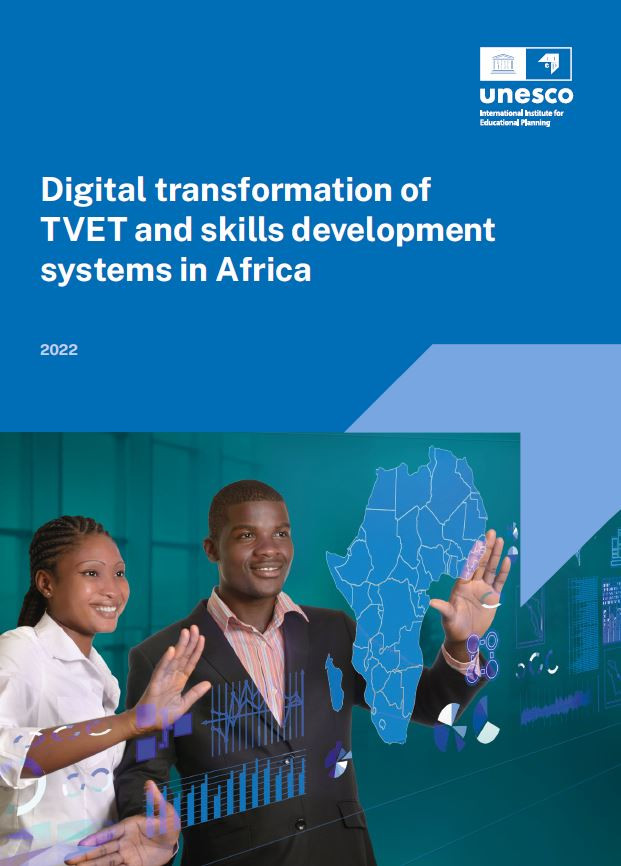 Digital Transformation of TVET and Skills Development Systems in Africa: State of Play and Prospects Año de publicación: 2022 Autor corporativo: UNESCO IIEP Regional Office for Africa This publication, produced by SOFRECO at the request of IIEP-UNESCO, takes stock of the digitalization of technical and vocational education and training (TVET) in Africa based on a sample of five countries (Madagascar, Nigeria, Rwanda, Tunisia and Chad). This report describes the systems in these five countries that provide the population with access not only to digital tools but also to the skills that will enable everyone to use digital technology.
 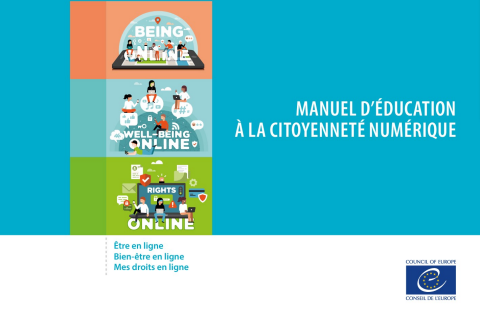 Manuel d'éducation à la citoyenneté Numérique Año de publicación: 2020 Autor: Janice Richardson | Elizabeth Milovidov Autor corporativo: Conseil de l'Europe Le manuel se divise en trois chapitres:Chapitre 1: Être en ligne – Quels sont nos modes d’action et d’existence en ligne? Ce chapitre propose une réponse en trois thèmes: accès et inclusion, apprentissage et créativité, éducation aux médias et à l’information.Chapitre 2: Bien-être en ligne – Comment nous sentons-nous en ligne? La réponse se décline là encore en trois thèmes: éthique et empathie, santé et bien-être, présence et communications en ligne.Chapitre 3: Mes droits en ligne – Qui rend compte de quoi sur internet ?Ce chapitre aborde quatre derniers thèmes: participation active, droits etresponsabilités, vie privée et sécurité, sensibilisation des consommateurs. The manual is divided into three chapters: Chapter 1: Being online - How do we act and exist online? This chapter proposes a response in three themes: access and inclusion, learning and creativity, media and information literacy. Chapter 2: Online well-being - How do we feel online? Again, the answer is divided into three themes: ethics and empathy, health and well-being, online presence and communications. Chapter 3: My rights online - Who is accountable for what online? This chapter covers four final themes: active participation, rights and responsibilities, privacy and security, and awareness.
  دور العوامل الأسرية في تصور التلميذ لمشروعه المهني Año de publicación: 2023 Autor: Abish Samir | Boukhalfa Rafiqa يمثل المشروع المهني أو مهنة المستقبل التحدي الأبرز الذي يشغل تصور الطالب الجامعي اليوم وذلك مند أن كان تلميذا، حيث نجد أن تخصصه الجامعي في الغالب ليس إلاّ نتاجا للتصور الذي قام بوضعه خلال السنوات التي سبقت الجامعة وخاصة أثناء مرحلة التوجيه المدرسي، ويتعزز هذا الهم المهني لدى الطالب الجامعي أكثر خلال السنوات الأخيرة التي بات الحصول فيها على فرصة مناسبة للعمل أمرا يتطلب تخطيطا كبيرا وتوجيها سليما، غير أن هذا التصور الذي يضعه التلميذ لمستقبله المهني يساهم في تشكيله العديد من العوامل لعل أبرزها العوامل الأسرية التي تلعب دورا مهما إن لم نقل حاسما في بعض الأحيان، أين نجد أن التصور المهني الذي يضعه التلميذ على مشروعه المهني المستقبلي ليس إلاّ انعكاسا صريحا لدور هذه العوامل ويتضح ذلك الدور في شكل تأثير مباشر أثناء عملية توجيه التلاميذ واختيارهم للشعب المدرسية التي سيواصلون دراستهم من خلالها والتي في الغالب هي من تحدد المسار العام للتوجه المهني الذي سيسلكه التلميذ ويتوقف عليه مشروعه المهني. The Role of Family Factors in the Student's Perception of His Professional Project Año de publicación: 2023 Autor: Abish Samir | Boukhalfa Rafiqa The professional project or career of the future represents the main challenge that occupies the perception of the university student today, since he was a student, since his university specialization is mostly a product of the perception that he developed during the years preceding the university, especially during the school guidance stage. The student is more educated in recent years in which a suitable opportunity for work is required, which requires great planning and direction. However, this perception of the student's future for his career contributes to the formation of many factors, perhaps the most important family factors that play an important role if not critical Sometimes, in some cases, where the professional perception that the student puts on his or her future career project is only an explicit reflection of the role of these factors. This role is evident in the form of direct influence during the process of directing the students and their selection to the school people they will continue their studies through. Which determines the general course of the student's professional orientation and depends on his professional project.
  Amnesty International Report 2021/22: The State of the World’s Human Rights Año de publicación: 2022 Autor corporativo: Amnesty International The Amnesty International Report 2021/22 highlights the human rights situation in 154 countries in 2021. It presents Amnesty International’s documented concerns and recommendations for governments and others. From a human rights perspective, 2021 was largely a story of betrayal and hypocrisy in the corridors of power. But hopes for a better post-pandemic world were kept alive by courageous individuals, social movements and civil society organizations. Their efforts and limited hard-won victories should prompt governments to live up to their promises.
  Citizenship Education at Regional Conflict Zones Año de publicación: 2020 Autor: Nazarii Boiarskyi | Aleksey Telichkin | Nikolay Nazarov | Yuriy Petrushenko | Alexandru Postica | Sasha Delemenchuk | Valery Balaian | Oleksandr Voitenko | Rauf Rajabov Autor corporativo: Human Rights Vector This publication is prepared by ‘Human Rights Vector’ NGO (Ukraine) as part of ‘Citizenship Education at Regional Conflict Zones’ projects that is being implemented by a ‘Citizenship Education at Regional Conflict Zones’ working group within EENCE network with the support of the Federal Agency for Civic Education (Bundeszentrale für politische Bildung) using funds appropriated by the Federal Foreign Office. This publication is the result of the activities of “Citizenship Education at Regional Conflict Zones” working group within EENCE network in 2020. The manual presents an understanding of conflicts in the modern world, as well as an overview of regional conflicts in the countries of the Eastern Partnership and Russia; it contains the analysis of the condition of formal and non-formal education in the conflict-affected areas; information on the specifics of planning and implementing citizenship education programs in the conflict-affected areas and for people from such areas, examples of the best educational practices. Гражданское образование в зоне региональных конфликтов Año de publicación: 2020 Autor: Nazarii Boiarskyi | Aleksey Telichkin | Nikolay Nazarov | Yuriy Petrushenko | Alexandru Postica | Sasha Delemenchuk | Valery Balaian | Oleksandr Voitenko | Rauf Rajabov Autor corporativo: Human Rights Vector Данная публикация — результат деятельности рабочей группы EENCE «Гражданское образование в зоне региональных конфликтов» в 2020 году. Стоит участь, что эксперты, вовлеченные в подготовку данного издания, работали над содержанием конкретных подразделов, где они указаны как авторы материала. Поэтому они могут не разделять мнения, высказанные авторами других подразделов.Эта публикация является едва ли не первой попыткой общественности посмотреть на ситуацию с образованием (и гражданским образованием в частности) в зонах региональных конфликтов, сравнить опыт различных организаций и институций в этой сфере, предоставить практические рекомендации. Поэтому не стоит рассматривать его как исчерпывающий материал. Скорее это приглашение к диалогу и раздумьям о том, как мирным путем через гражданское образование способствовать решению конфликтов.
  بناء مجتمعات المعرفة في المنطقة العربية: اللغة العربية بوابة للمعرفة Año de publicación: 2019 Autor corporativo: UNESCO Cairo بناء اقتصادات ومجتمعات المعرفة هدف معلن في المنطقة العربية. فمعظم الخطط التنموية في الدول العربية تدعو وبوضوح للعمل على إنتاج، ونقل، وتوطين، وتسخير المعرفة في مختلف الحقول خدمة لمآرب التنمية ا إ لنسانية المستدامة.وللغة العربية دور مهم في هذه العملية التنموية ا أ لساسية، حيث إن إنتاج المعارف واستيعابها ونقلها يكون أكثر فاعلية وأوسع انتشارًا باستخدام اللغة ا أ لم. ولا بد لنا هنا من الوقوف على السؤال ا أ لساسي التالي: إلى أي مدى تشكّل اللغة العربية اليوم بوابة حقيقية للمعرفة في المنطقة العربية؟يسعى هذا التقرير، الذي أعدّته ثلة من الخبراء العرب المميزين وبإدارة وتنسيق من مكتب اليونسكو ا إ لقليمي للعلوم في الدول العربية، إلى البحث في هذا السؤال المركزي من خلال مراجعة وتقييم حال المعرفة في المنطقة العربية من جهة، وإلى تحليل دور اللغة العربية في عمليات إقامة مجتمعات واقتصادات المعرفة في المنطقة العربية من جهة أخرى. ويتناول القسم العام من التقرير قضية المعرفة واللغة على المستوى ا إ لقليمي العربي. كما يتميّز التقرير ببحوث ميدانية تمّت في ثلاث دول عربية )هي السعودية ومصر والمغرب( تدرس حال المعرفة واللغة العربية في تلك البلدان، وتعكس، إلى حد ما، الحال في المناطق العربية الفرعية التي تنتمي إليها." Building Knowledge Societies in the Arab Region: Arabic Language as a Gateway to Knowledge Año de publicación: 2019 Autor corporativo: UNESCO Cairo Building knowledge economies and societies is a professed objective in the Arab region. Most of the development plans in the Arab states clearly call for action to produce, transfer, localise and harness knowledge in various fields, in service of the sustainable human development goals. The Arabic language has an important role to play in this key development process, as the production, assimilation and dissemination of knowledge is more effective and more widely spread when the mother tongue is used. Hereupon, a fundamental question must be addressed: To what extent does the Arabic language today constitute a true gateway to knowledge in the Arab region?This report, prepared by a group of distinguished Arab experts, under supervision and coordination of the UNESCO Regional Bureau for Sciences in the Arab States, seeks to research this central question by reviewing and evaluating the state of knowledge in the Arab region on the one hand, and analysing the role of the Arabic language in the processes of establishing knowledge societies and economies in the Arab region on the other. The general section of the report addresses the question of knowledge and language at the Arab regional level. It also features field research conducted in three Arab states (Saudi Arabia, Egypt and Morocco), that examines the state of knowledge and the Arabic language in those states, and to a certain extent, reflects the situation in the Arab sub-regions to which they belong. Construire les sociétés du savoir dans la région arabe: le rôle de la langue arabe en tant que portail du savoir Año de publicación: 2019 Autor corporativo: UNESCO Cairo La construction des économies et des sociétés du savoir est un objectif déclaré dans la région arabe. La plupart des plans de développement dans les pays arabes appellent clairement à des actions pour produire, transférer, localiser et exploiter des connaissances dans divers domaines au service des objectifs de développement humain durable. La langue arabe a un rôle important à jouer dans ce processus fondamental de développement, car la production, l’assimilation et la diffusion de connaissances sont plus efficaces et plus répandues lorsque la langue maternelle est utilisée. Là-dessus, une question fondamentale devrait être posée : dans quelle mesure la langue arabe constitue-t-elle aujourd’hui un vrai point d’accès au savoir dans la région arabe ?Ce rapport, préparé par un groupe d’éminents experts arabes, sous la supervision et la coordination du Bureau régional de l’UNESCO pour les sciences dans les États arabes, cherche à étudier cette question centrale en examinant et en évaluant la situation de connaissances dans la région arabe d’une part, et en analysant le rôle de la langue arabe dans les processus d’instauration des sociétés et d’économies du savoir dans la région arabe, d’autre part. La section générale du rapport aborde la question de connaissances et de la langue dans la région arabe. Il présente également des recherches de terrain menées dans trois pays arabes (l’Arabie saoudite, l’Égypte et le Maroc), ces recherches examinent la situation de connaissances et de la langue arabe dans ces États et reflètant, en quelque sorte, la situation dans les sous-régions arabes dans lesquelles elles étaient menées.