
Recursos
Exploren una amplia gama de recursos valiosos en GCED para profundizar su comprensión y promover su búsqueda, incidencia, enseñanza y aprendizaje.
2,275 resultados encontrados
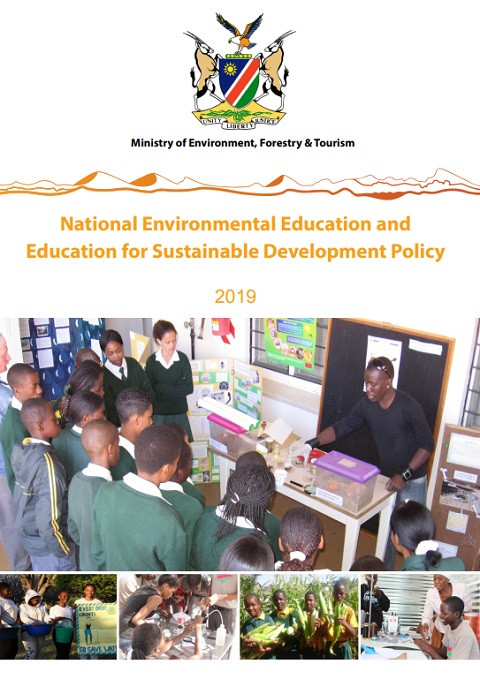 National Environmental Education and Education for Sustainable Development Policy Año de publicación: 2019 Autor corporativo: Namibia. Ministry of Environment, Forestry and Tourism Namibia has become the first country in the SADC region to have a stand-alone National Environmental Education (EE) and Education for Sustainable Development (ESD) Policy. The development of the policy was a long time collaboration between government ministries and civil society. UNESCO through the Sustainability Starts with Teachers programme also supported the process.The vision of the national EE/ESD Policy is an “educated and empowered Namibia with environmentally literate people taking responsibility and action for a sustainable future”.The policy is designed to support EE and ESD in formal, non-formal and informal education processes across all sectors of the Namibian society including higher education, teacher education, technical and vocational education institutions, and general education. It gives Namibia the much-needed foundation to work towards ESD for 2030 and the sustainable development goals (SDGs).
 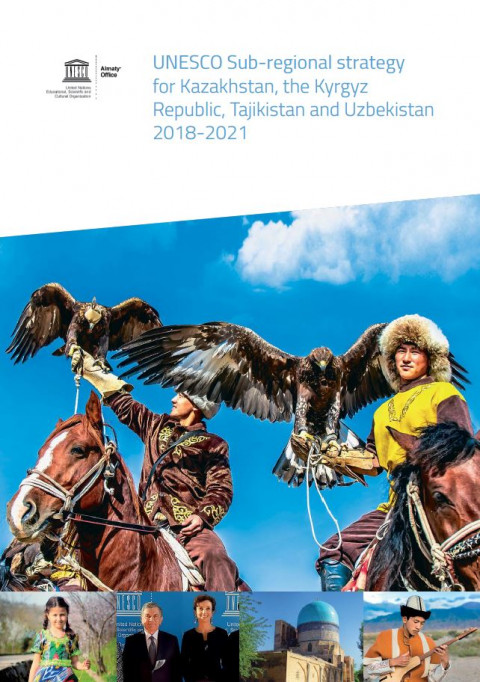 UNESCO Sub-regional Strategy for Kazakhstan, the Kyrgyz Republic, Tajikistan and Uzbekistan 2018-2021 Año de publicación: 2019 Autor corporativo: UNESCO Almaty This document represents the strategic framework for UNESCO’s interaction with the governments and civil societies of Kazakhstan, the Kyrgyz Republic, Tajikistan and Uzbekistan, with other UN agencies and development partners aimed at responding most effectively to the development needs, priorities and aspirations of countries. Субрегиональная стратегия ЮНЕСКО для Казахстана, Кыргызской Республики, Таджикистана и Узбекистана на 2018-2021 гг. Año de publicación: 2019 Autor corporativo: UNESCO Almaty Настоящий документ представляет собой стратегические рамки взаимодействия ЮНЕСКО с правительствами и гражданским обществом Казахстана, Кыргызской Республики, Таджикистана и Узбекистана, с другими учреждениями ООН и партнерами в области развития, направленного на наиболее эффективное реагирование на потребности, приоритеты и устремления стран в области развития.
  1er rendez-vous de l'éducation à la citoyenneté mondiale: Mot d'ouverture Año de publicación: 2017 Autor corporativo: Association québécoise des organismes de coopération internationale (AQOCI) La Directrice générale de l’AQOCI, Michèle Asselin, souhaite la bienvenue aux personnes participantes du 1er rendez-vous de l’AQOCI sur l’éducation à la citoyenneté mondiale. Elle a expliqué sur la valeur de l’éducation à la citoyenneté mondial et souligné comme ci-dessous :« L’ÉCM promeut des valeurs et des comportements qui encouragent le changement social et la solidarité internationale »
  1er rendez-vous de l'éducation à la citoyenneté mondiale de l'AQOCI: Panel d'experts Año de publicación: 2017 Autor corporativo: Association québécoise des organismes de coopération internationale (AQOCI) Panel d'experts: l'ÉCM en contextes social et scolaire.Rachad Antonius, professeur de sociologie à l’UQÀM, chercheur, consultant et personne-ressource dans les milieux de la solidarité internationale, propose des éléments de réflexion sur l’éducation, sur le rôle de différents intervenants – militants, OCI, chercheurs et intellectuels - en ÉCM, sur le sens et les dimensions du concept de citoyenneté dans le contexte et face aux enjeux actuels et sur les réponses que le travail en ÉCM est appelé à apporter face à la mondialisation.La présentation de Marie-Hélène Chastenay, responsable de l’éducation interculturelle à la Direction des services d’accueil et d’éducation interculturelle du ministère de l’Éducation et de l’Enseignement supérieur (MÉES), examine l’apport de l’ÉCM à l’éducation des jeunes du Québec; l’intégration actuelle de l’ÉCM aux curriculums et à la vie scolaires; les enjeux et les défis de l’ÉCM en milieux scolaires et académiques et le rôle des organismes de coopération internationale et de la société civile dans la promotion de l’ÉCM en contextes scolaires et académiques.
 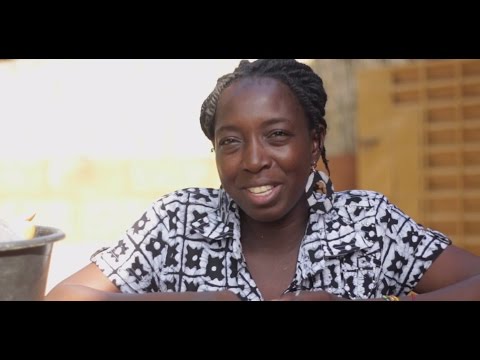 L'émancipation des femmes Año de publicación: 2015 Autor corporativo: Îles de Paix Iles de Paix mène au Bénin un programme dédié aux femmes. Il concerne le développement de leurs activités rémunératrices, mais aussi des formations en gestion, au crédit, à l’épargne et des sensibilisations pour une amélioration de leur position dans la société. Ce programme ambitieux, qui concernera directement, sur trois ans, plus de 600 femmes, engendre de profonds bouleversements et, pour bien de ses bénéficiaires, des changements majeurs dans leur vie quotidienne. En témoigne cette femme, qui y a participé. « Au début, quand je voulais suivre une formation pour mener une activité, mon mari me battait pour m’en empêcher. Il me disait que ma place était à la maison.Mais aujourd’hui, il constate que, grâce à cette formation et aux choses que j’ai apprises, je gagne beaucoup mieux ma vie. Alors, il m’encourage à continuer et… il me supplie de lui donner de l’argent ! »Il reste à souhaiter que tous ses gains ne finissent pas dans l’escarcelle de son mari et qu’ils servent avant tout à répondre à ses besoins personnels et à ceux de ses enfants.
  Kit Papaz Families and Communities Educating for Peace Año de publicación: 2016 Autor: Melisa Castellanos | María Paula Chaparro Autor corporativo: Organización Internacional para las Migraciones (OIM) | Corporación Colombiana de Padres y Madres (Red PaPaz) This kit offers practical and simple tools so that, through the development of citizen competencies, fathers, mothers and other educational agents promote peace-building education in children and adolescents. Kit Papaz Familias y Comnidades Educando para la Paz Año de publicación: 2016 Autor: Melisa Castellanos | María Paula Chaparro Autor corporativo: Organización Internacional para las Migraciones (OIM) | Corporación Colombiana de Padres y Madres (Red PaPaz) Este kit ofrece herramientas prácticas y sencillas para que, a través del desarrollo de competencias ciudadanas, padres, madres y otros agentes educativos promuevan en los niños y adolescentes procesos de construcción de paz.
 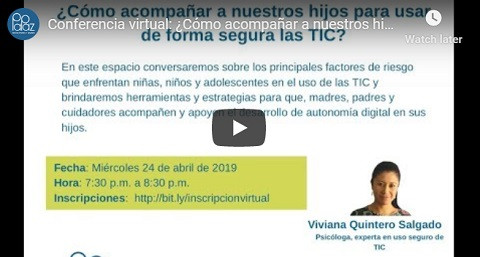 Virtual Conference: How to Accompany Our Children to Use ICT Safely? Año de publicación: 2019 Autor: Viviana Quintero Autor corporativo: Red Papaz This conference discusses the main risk factors faced by girls, boys and adolescents in the use of ICTs and provides tools and strategies so that, from home, mothers, fathers and caregivers accompany and support the development of digital autonomy in their children. Conferencia virtual: ¿Cómo acompañar a nuestros hijos para usar de forma segura las TIC? Año de publicación: 2019 Autor: Viviana Quintero Autor corporativo: Red Papaz En esta conferencia se discuten los principales factores de riesgo que enfrentan niñas, niños y adolescentes en el uso de las TIC y se brindan herramientas y estrategias para que, desde casa, madres, padres y cuidadores acompañen y apoyen el desarrollo de autonomía digital en sus hijos.