
Recursos
Exploren una amplia gama de recursos valiosos en GCED para profundizar su comprensión y promover su búsqueda, incidencia, enseñanza y aprendizaje.
2,275 resultados encontrados
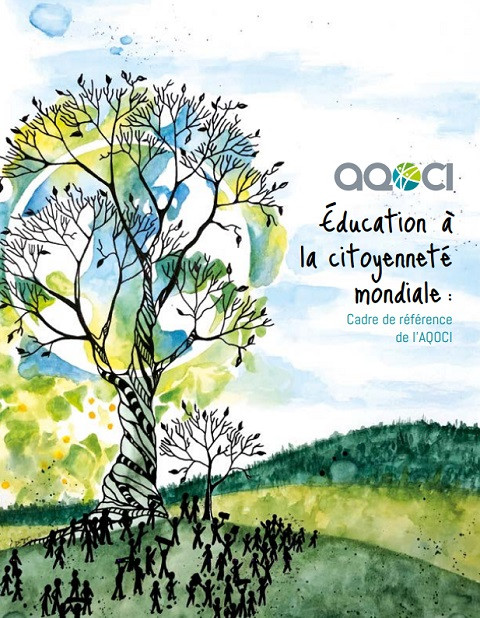 Éducation à la citoyenneté mondiale: Cadre de référence de l’AQOCI Año de publicación: 2019 Autor corporativo: Affaires mondiales Canada | Association québécoise des organismes de coopération internationale (AQOCI) L’éducation fait partie intégrante de la mission des organismes de solidarité et de coopération internationales (OCI). En continuité avec l’éducation et l’engagement du public, l’AQOCI adopte désormais l’approche de l’Éducation à la citoyenneté mondiale (ECM). Celle-ci est au cœur de la raison d’être de l’association et de ses membres puisque la solidarité internationale suppose que toutes les populations soient conscientes des inégalités et qu’elles se mobilisent dans la construction d’un monde plus juste et égalitaire. Lors du 1er Rendez-vous, les OCI ont souligné l’importance d’accroître l’impact de leur action en ECM et de mieux faire valoir et reconnaître leur expertise dans ce domaine auprès de divers partenaires, particulièrement des milieux de l’enseignement, ainsi qu’auprès de la population en général. Dans ce sens, ce nouveau cadre de référence est un premier outil pour les OCI membres de l’AQOCI. Il propose une orientation, une terminologie et un recensement succinct de nos pratiques communes afin de décrire, orienter et reconnaître leur action collective en ECM. Ce cadre de référence exprime la vision actuelle de l’AQOCI et valorise l’action diversifiée de l’ensemble de ses membres.
 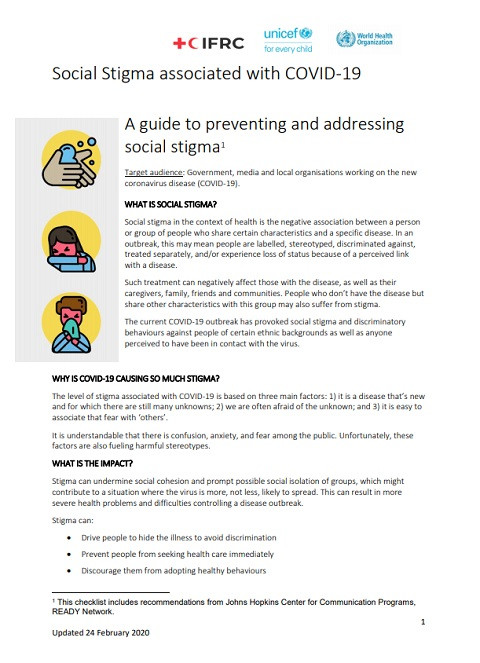 Social Stigma Associated with COVID-19: A Guide to Preventing and Addressing Social Stigma Año de publicación: 2020 Autor corporativo: International Federation of Red Cross and Red Crescent Societies (IFRC) | United Nations Children's Fund (UNICEF) | World Health Organization (WHO) This resource aims for Government, media and local organisations working on the new coronavirus disease to prevent and address social stigma associated with COVID-19. It offers concrete examples and communication tips on possible actions to counter stigmatizing attitudes.
 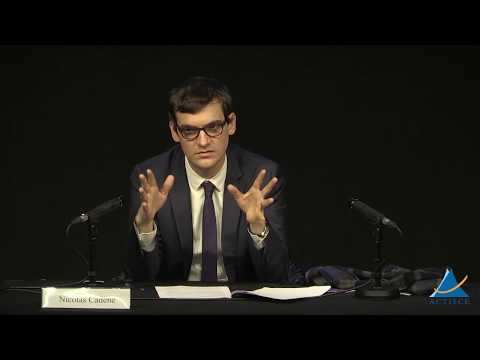 Citoyenneté mondiale et laïcité Año de publicación: 2018 Autor: Nicolas Cadène Autor corporativo: ACTISCE Patronage Laique Jules Vallès La laïcité fait, de chacune et de chacun d’entre nous, au-delà de nos appartenances ou de nos origines, des citoyennes et des citoyens à égalité de droits et de devoirs. Elle nous permet d’aller au-delà de nos différences et de les dépasser tout en les respectant. Par la volonté de vivre ensemble, notre laïcité garantit la liberté de croire ou de ne pas croire et la possibilité de l’exprimer dans les limites de la liberté d’autrui. Elle permet la pluralité dans le respect mutuel et assise sur une citoyenneté commune. Au travers de nombreux exemples dont les cas de la Belgique, la Turquie, l’Inde, le Brésil, le Mexique et le Sénégal, Nicolas Cadène nous montre en quoi la laïcité est source de liberté pour tous les peuples.
 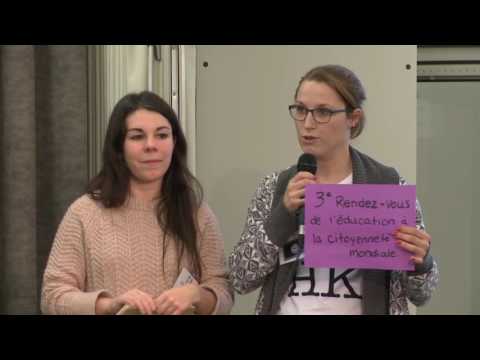 1er rendez-vous de l'éducation à la citoyenneté mondiale: Se donner une vision d'avenir en ÉCM Año de publicación: 2017 Autor corporativo: Association québécoise des organismes de coopération internationale (AQOCI) Travail en sous-groupes: « Se donner une vision d'avenir en ÉCM »
 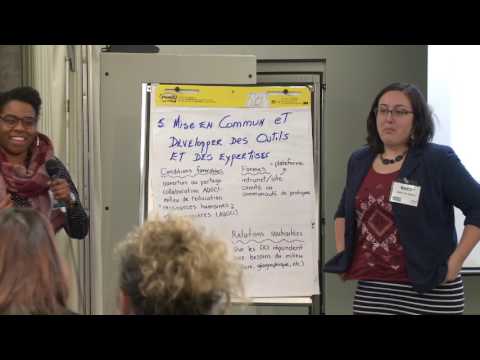 1er rendez-vous de l'éducation à la citoyenneté mondiale: Conditions favorables au changement Año de publicación: 2017 Autor corporativo: Association québécoise des organismes de coopération internationale (AQOCI) Travail en sous-groupes: «Conditions favorables au changement: de la situation actuelle à la situation souhaitée»
 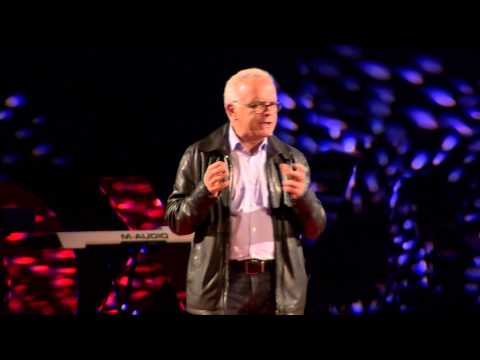 Comment être citoyen du monde? Año de publicación: 2015 Autor: Radhi Meddeb Autor corporativo: TEDxCarthage | TEDx Talks Le monde a salué la Révolution tunisienne comme étant celle des technologies de l'information et des communications. Cela est vrai en partie, car les jeunes tunisiens ont déjoué la censure, ont relayé les images de la révolte et des protestations. Mais en même temps, l'usage de l'ordinateur et d'Internet reste aujourd'hui très en deçà des normes internationales. Plus encore, il présente des disparités régionales majeures. Des cyberbases dans l'ensemble des régions tunisiennes peuvent donner à chaque tunisien un passeport vers la modernité et la citoyenneté.
 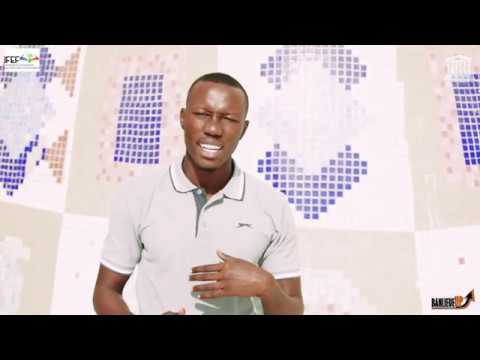 Formation pilote sur la paix et la citoyenneté mondiale Año de publicación: 2020 Autor corporativo: UNESCO Dakar Du 6 au 8 décembre 2019, une formation sur l'éducation pour la paix et la citoyenneté mondiale des adolescents s’est tenue à Guédiawaye, dans la banlieue de Dakar, à destination des jeunes du Sénégal et de la sous-région.
  One Youth Can: Changing Gender Norms and Promoting Gender Equality Año de publicación: 2017 Autor: Tapiwa Manyati | Remmy Shawa Autor corporativo: Sonke Gender Justice This manual is intended to be a resource for those working with youth on issues of citizenship, human rights, gender, health, sexuality and violence. The content is informed by a commitment to social justice, gender equality and engaged citizen activism. The activities encourage all youth to reflect on their own experiences, attitudes and values regarding sexuality; gender; what it means to be a boy/man or girl/woman; domestic and sexual violence; HIV/AIDS, democracy and human rights. They encourage all youth to take action to help prevent domestic and sexual violence, reduce the spread and impact of HIV and AIDS, and promote gender equality.
 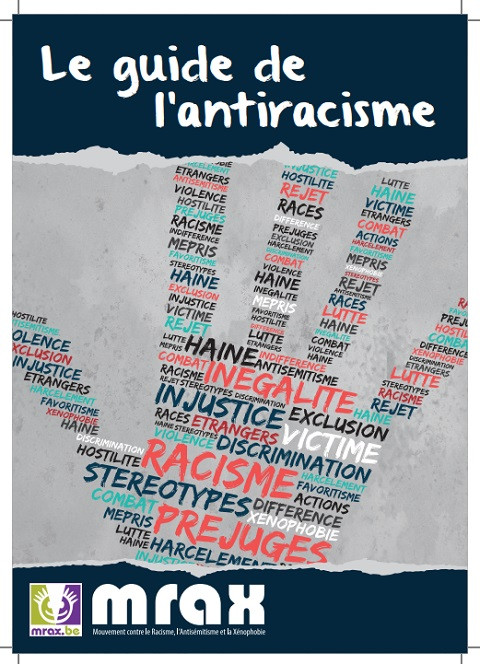 Le guide de l’antiracisme Año de publicación: 2016 Autor corporativo: Movement contre le Racisme, l’Antisémitisme et la Xénophobie (MRAX) Ce guide est destiné aux personnes qui veulent vivre ensemble dans une société multiculturelle où chacun est égal en droit et en dignité, indépendamment de ses origines, de sa couleur de peau, de sa culture, de sa religion, de sa langue. Ce guide de l’antiracisme devrait vous aider à franchir le pas. De l’indifférence vers la volonté d’agir. De l’impuissance vers l’action. Il explore la réalité concrète du racisme et des discriminations. Il contient des informations utiles et pratiques, des explications synthétiques, des définitions clés, des témoignages, des réponses juridiques, des conseils, des pistes d’action, des outils pédagogiques pour lutter contre le racisme.
  Strengthening Health System Responses to Gender-based Violence in Eastern Europe and Central Asia: A Resource Package Año de publicación: 2014 Autor corporativo: United Nations Population Fund (UNFPA) | Women Against Violence Europe (WAVE) This collection of materials is the result of a collaboration between UNFPA (United Nations Population Fund), the UNFPA Regional Office for population for the countries of Eastern Europe and Central Asia and the WAVE Network (Women Against Violence in Europe) and is an updated edition of the compilation, revised in 2013-2014. It has been brought in line with new requirements in terms of enhancing the response of the health system to gender inequality; its content has been updated taking into account the latest international developments.