
Recursos
Exploren una amplia gama de recursos valiosos en GCED para profundizar su comprensión y promover su búsqueda, incidencia, enseñanza y aprendizaje.
1,828 resultados encontrados
 Obteniendo recursos para grupos y movimientos liderados por jóvenes: Guía de reflexión y prácticas para donantes y organizadores juveniles Año de publicación: 2020 Autor: Gioel Gioacchino Autor corporativo: CIVICUS | Recrear International Vous faites partie d'un mouvement social dirigé par des jeunes et vous cherchez des idées sur la façon de financer votre travail ? Ou bien un donateur, un philanthrope ou une institution qui défend le pouvoir des jeunes ? Si c'est le cas, cet espace est fait pour vous ! Vous y trouverez des outils, des liens et de nouvelles idées, tant pour les jeunes militants que pour leurs partenaires.Ce guide sur les ressources des groupes et mouvements de jeunes est le résultat d'une année de recherche. Nous avons écouté ce que des militants, des donateurs, des représentants de la jeunesse et d'autres organisations facilitatrices ont dit sur les réalités, les tendances et les solutions possibles pour mobiliser des fonds et des ressources non financières pour les jeunes militants, en particulier dans le Sud.Lisez les histoires de Lebo, Amanda, Dumiso, Priscilla, Elena, Christian et Bonnie, qui partagent leurs expériences et les défis qu'ils rencontrent dans leur travail, et dont les jeunes leaders d'Amérique latine et d'Afrique se font les porte-parole. Vous trouverez des exercices créatifs que vous pourrez utiliser, qui invitent les jeunes et les donateurs à repenser les visions du monde et les principes relatifs au financement de la société civile au 21ème siècle. L’accès aux ressources pour les groupes et mouvements dirigés par les jeunes: Un guide de réflexion destiné aux donateurs et membres d’organisations de jeunes Año de publicación: 2020 Autor: Gioel Gioacchino Autor corporativo: CIVICUS | Recrear International Vous faites partie d'un mouvement social dirigé par des jeunes et vous cherchez des idées sur la façon de financer votre travail ? Ou bien un donateur, un philanthrope ou une institution qui défend le pouvoir des jeunes ? Si c'est le cas, cet espace est fait pour vous ! Vous y trouverez des outils, des liens et de nouvelles idées, tant pour les jeunes militants que pour leurs partenaires.Ce guide sur les ressources des groupes et mouvements de jeunes est le résultat d'une année de recherche. Nous avons écouté ce que des militants, des donateurs, des représentants de la jeunesse et d'autres organisations facilitatrices ont dit sur les réalités, les tendances et les solutions possibles pour mobiliser des fonds et des ressources non financières pour les jeunes militants, en particulier dans le Sud.Lisez les histoires de Lebo, Amanda, Dumiso, Priscilla, Elena, Christian et Bonnie, qui partagent leurs expériences et les défis qu'ils rencontrent dans leur travail, et dont les jeunes leaders d'Amérique latine et d'Afrique se font les porte-parole. Vous trouverez des exercices créatifs que vous pourrez utiliser, qui invitent les jeunes et les donateurs à repenser les visions du monde et les principes relatifs au financement de la société civile au 21ème siècle.
  Pour mettre en lien des jeunes du monde au coeur de la transition Año de publicación: 2017 Autor: Maryse Clary | Jacqueline Charron Autor corporativo: Alliance pour une Éducation à la Citoyenneté Planétaire (AECP) | Les Amis de Circée Ce groupe d’initiative, en tant qu’experts dans le domaine de l’éducation, anime le réseau, conduit le projet de recherche et se veut porte-parole auprès des instances éducatives. Il est intervenu lors du sommet « Climate Chance » à Nantes en septembre 2016 et suite à la COP 21, intervient à Marrakech lors de la journée éducation du 14 novembre 2016. Il a le soutien des autres membres fondateurs, des signataires de la charte et des partenaires que sont le World Environmental Education Congress (WEEC), le réseau Climates et l’Alliance pour les sociétés responsables et durables. Les équipes de 12 pays sont membres actifs du réseau, comme acteurs de terrain. Elles mettent les jeunes au cœur du système éducatif, sont à leur écoute, travaillent en partenariat réel sur des projets concrets en prise directe avec leur territoire. Ensemble, les experts, et les équipes montrent que les résultats de tous ces projets au Nord comme au Sud visent un changement des systèmes éducatifs pour répondre aux défis du développement durable et du changement climatique.Cette publication relate les données d’expériences innovantes, en propose une capitalisation et une analyse afin de permettre des échanges entre équipes en vue d’une amélioration des pratiques. Ce réseau, fort de sa diversité culturelle, du nombre de jeunes impliqués et de son engagement dans les valeurs de citoyenneté planétaire, souhaite jouer un rôle de lobbying auprès des autorités éducatives pour faire évoluer positivement les systèmes éducatifs.
  The Role of Teachers in Education and Democracy: The Impact of a Research Project on Preservice Teacher Perceptions Año de publicación: 2015 Autor: Gina Thésée | Paul R. Carr | Franck Potwora Autor corporativo: McGill University. Faculty of Education This article presents reflections on a survey questionnaire related to the connection between education and democracy. A sample of 157 teacher-education students in Montreal completed a follow-up questionnaire after having participated in a research questionnaire (first study) concerning their perception and experience of the linkage between education and democracy. The first study underscored a weak democratic experience as well as an educational journey without a strong linkage to democracy, which concurs with our previous findings. However, the results of the follow-up survey indicate that participation in this inquiry generated socio-educational, epistemological, pedagogical, and methodological reflections, which could have significant implications for the perception of the role of educators. Le rôle des enseignants dans l’éducation et la démocratie: Impacts d’un projet de recherche sur la perception de futurs enseignants Año de publicación: 2015 Autor: Gina Thésée | Paul R. Carr | Franck Potwora Autor corporativo: McGill University. Faculty of Education Cet article étudie les réflexions suscitées par un questionnaire d’enquête portant sur les liens entre l’éducation et la démocratie. Un échantillon de 157 étudiants d’un programme de formation initiale des enseignants à Montréal a répondu à un questionnaire de suivi (seconde étude) après avoir rempli un questionnaire d’enquête (première étude) portant sur leurs perceptions et leurs expériences des liens entre l’éducation et la démocratie. La première étude révèle une expérience démocratique faible et un parcours éducatif pratiquement sans lien avec la démocratie, ce qui concorde avec les résultats d’études antérieures. Cependant, les résultats du questionnaire de suivi indiquent que la participation à l’enquête a suscité des réflexions d’ordre socioéducatif, épistémologique, pédagogique et méthodologique, qui pourraient avoir des retombées significatives sur leur perception du rôle de l’enseignant.
  Новые тенденции межкультурного диалога в контексте региональной геополитики Año de publicación: 2013 Autor: Munzifa Babadjanova Межкультурный и межрелигиозный диалог между цивилизациями – это начало нового пути к лучшему будущему. Диалог по международным проблемам, по различным вопросам культур и цивилизаций обуславливает устранение непонимания, сближает позиции и создает почву для большего обеспечения прав наций и государств путем установления равноправия и мира на международной арене. Особую актуальность приобретает распространение культурных стандартов сохранение этнокультурного многообразия и самобытных традиций в сочетании с развитием диалога и контактов.
  Building Cross-Sectoral Cooperation: Estonian Coalition for Sustainable Development Año de publicación: 2020 Autor corporativo: Estonian Roundtable for Development Cooperation (AKÜ) | Bridge 47 | European Union (EU) This publication presents the members of Estonian Coalition for Sustainable Development, examples of their actions towards a more sustainable future and also some of the activities that the partnerships together have carried over the past few years. It is a great example of a cross-sectoral cooperation and a way of sharing knowledge.
  Africa SDG Index and Dashboards Report 2020: Leave No One Behind to Achieve the SDGs in Africa Año de publicación: 2020 Autor: Ambrose Rwaheru Aheisibwe | Eve de la Mothe Karoubi | Olive Dushime | Grayson Fuller | Enock Nyorekwa Twinoburyo | Abigail Simkoko | Belay Begashaw | Guido Schmidt-Traub Autor corporativo: Sustainable Development Goals Center for Africa | Sustainable Development Solutions Network (SDSN) | Mo Ibrahim Foundation The 2020 Africa SDG Index and Dashboards Report provides an assessment of where African countries stand with respect to the SDGs and their progress toward the goals, with the additional lens of “leave no one behind.” The report also includes a preliminary analysis of the impact of COVID‑19 on the SDGs in Africa.
  미래의 위험에 대처하기 위한 인문사회적 상상력의 필요성: 코로나 판데믹과 미래 문해력을 중심으로 (Future Horizon Plus 제45권 제2호) Año de publicación: 2020 Autor: 최항섭 Autor corporativo: 과학기술정책연구원 미래문해력은 자신이 현재의 생존문제를 해결하는 것 때문에 전체 사회의 생존에 있어 미래의 변화에 대한 필요성을 잘 인식하지 못하는 개인 혹은 조직에게 필요한 역량이다.또한 미래문해력은 조직 구성원들로부터 얻는 현재의 인기와 명성보다는 전체 사회가 미래에 지속가능한 발전을 이룩할 수 있도록 하는 정책과 전략을 제시해야 하는 국가리더들에게도 가치가 있다. 국민들이 당장은 불편함을 호소해도 이러한 방법이 미래의 지속성을 위해서 필요하다고 믿게 하는 능력이 요구되기 때문이다.인문사회적 상상력은 미래에 대해서도 단순히 ‘밝은 미래-어두운 미래’라는 이분법으로 문제에 접근하는 것을 극복하게 한다. 인간과 자연의 공존, 개인과 공동체의 상생이라는 가치를 중심으로 하는 인문사회적 상상력은 나의 행위가 어떻게 타인의 행위로 이어지며, 이것이 전체 공동체의 미래에 어떠한 영향을 주어 결국 나의 삶에 어떠한 영향을 줄 것이라는 것을 그리게 해준다.
 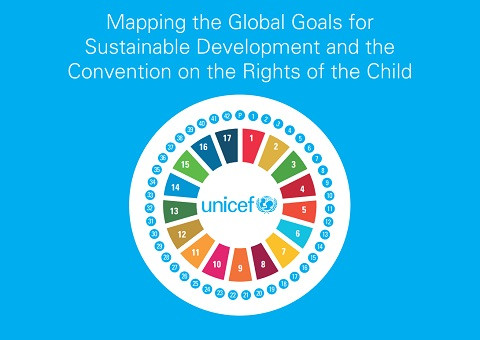 Mapping the Global Goals for Sustainable Development and the Convention on the Rights of the Child Año de publicación: 2016 Autor: Marie Wernham Autor corporativo: United Nations Children's Fund (UNICEF) This interactive document aims to encourage an in-depth and broad-based exploration of the links and synergies between the Global Goals for Sustainable Development and the Convention on the Rights of the Child.