
Recursos
Exploren una amplia gama de recursos valiosos en GCED para profundizar su comprensión y promover su búsqueda, incidencia, enseñanza y aprendizaje.
1,828 resultados encontrados
 التعليم وتأسيس المواطنة لدى الإنسان العربي Año de publicación: 2014 Autor: مدكور، علي أحمد Autor corporativo: Cairo University تناولت هذه المقالة قضية المواطنة وإشكاليتها وتنوعاتها مركّزة على علاقتها بالديمقراطية باعتبارها آلية لتحقيق العدل الاجتماعي، فالديمقراطية الحقيقية لها ثلاثة مقومات: أن يشارك الناس في صناعة القرار، وفي تنفيذ القرار، وفي الثمار الناتجة عن القرار. كما حاولت الورقة التركيز على أسس المواطنة من جهة مثل المشاركة الفعلية في كل مجالات الحياة الاجتماعية، السياسية، الاقتصادية والتعليمية والثقافية؛ ومقومات المواطنة من جهة أخرى مثل حقوق الإنسان كالحق في الحياة والحرية والمساواة والعدل والعمل والتعليم والتفكير والتعبير والاعتقاد... كل هذه الحقوق تمثل المقومات الرئيسة لقوة الوطن والمواطنة. كما تمّ الاعتماد في هذه الورقة على المواثيق العالمية لحقوق الإنسان في عرض العلاقة بين المواطنة وبين هذه المقومات. من هذه المواثيق: الإعلان العالمي لحقوق الإنسان في الإسلام، والإعلان العالمي لحقوق الإنسان الذي أعلن عام 1948، والاتفاقية الأوروبية لحقوق الإنسان. Education and the Laying the Foundations of Citizenship for Arab Humans Año de publicación: 2014 Autor: مدكور، علي أحمد Autor corporativo: Cairo University This article deals with the issue of citizenship and its variations focusing on its relation to democracy being a mechanism to achieve social justice. Real democracy has three determinants: people’s participation in taking the decisions, in implementing them and in benefiting from their effects. The paper also tried to focus on the fundamentals of citizenship from the perspective of effective participation in all aspects of social, economic and cultural life, on one side, and on the determinants of citizenship such as human rights -the right to life, freedom, equality, justice, work, thinking, expression and belief… from the other - all those rights represent the main determinants of the strength of the homeland and citizenship. Among the human rights conventions: The Universal Islamic Declaration of Human Rights, The Universal Declaration of Human Rights of 1948, The European Convention on Human Rights.
  مقاربة بنائية-اجتماعية لتعليم/تعلم أرض لشعوب عدة ذات مذاهب مختلفة Año de publicación: 2012 Autor corporativo: University of Balamand نتيجة لاستطلاع للرأي، أفاد بعض الطلاب أن عملية تعليم/ تعلم مادة التاريخ في المراحل ما قبل الجامعية تعتبر فاشلة لكون التعليم سردياً والتعلم محفوظات للترداد وقت الامتحان. لذلك تعتقد الغالبية منهم أن إعادة النظر بمنهج التاريخ ضرورة وطنية وثقافية. إن تعليم التاريخ يهدف إلى تكوين كفايات أساسية لدى الطالب مثل قيامه بعمليات التحليل والتوليف والإنتاج. كما أنه توجد حاجة إلى تغيير عملية التعليم/التعلم من كونها سردية إلى عملية غائية تتوخى بناء الفكر المدني، الفكر النقدي. فالإشكالية لها ثلاثة أطر: الإطار الجغرافي-الديموغرافي الذي يتعلق بتكوين لبنان، والإطار النفسي-التعليمي الذي يتعلق بمفهوم التاريخ وكيفية بنائه من خلال الإفادة من الفكر النقدي، والإطار الاجتماعي-التربوي الذي يتعلق بالنموذج التعليمي لمادة التاريخ والنشاط الفكري للطالب. وهذا يفترض الربط بين عدة عناصر ثقافية مثل الرجوع إلى المصادر التاريخية المتعددة، ومناقشتها من حيث تسلسل الأحداث وقراءتها ونقدها، ودراسة فكر الشخصيات التي صنعت التاريخ وثقافتها. السؤال الأهم هو: لماذا نعلم مادة التاريخ في المدرسة؟ في أية مرحلة نبدأ وما هي الأهداف في كل مرحلة؟ إن الإجابات على هذا التساؤل قد تكون متعددة، ومنها: تحديد الهوية الوطنية، تعزيز فكر المواطنة، وتنمية الثقافة الوطنية، وتعريف المتعلم بالروابط التي تجمع لبنان بمحيطه، والتعرف على الإرث الحضاري للشعب، وارتباط المتعلم بأرضه، و قبول الآخر. وبعد دراسة التوجهات اللبنانية والعالمية لتعليم/تعلم التاريخ، وضعنا فرضية مفادها أن تكوين الفكر النقدي والموضوعي لدى المتعلم، من خلال دراسته للتاريخ يمكنه من ترسيخ مفهوم قبول الآخر، ذلك أن التعدد الديني والمذهبي في لبنان يعتبر مصدر غنى حضارياً وتفاعلاً اجتماعيا وعامل تماسك وطني على أساس أن التاريخ هو تاريخ أرض لشعوب عدة ذوي مذاهب مختلفة. Teaching/Learning the History of a Land with Diverse Socio-religious Groups: A Socio-constructivist Approach Año de publicación: 2012 Autor corporativo: University of Balamand A survey of the opinions of some students indicated that they viewed the teaching/learning of history they had undergone in pre-university levels of education as a wasted effort. The teaching consisted of narration, while the learning took the form of memorization of contents to be recited at the time of the examination. The majority considered a revision of the method of teaching history to be a national and cultural necessity. Given that the teaching of history has in view the acquisition by the student of basic skills, such as analysis, synthesis and composition, there is a need to change the teaching/learning process from narration to a targeted development of civic consciousness and critical thinking. The problem is posed within three frameworks: The geographic-demographic framework relating to the composition of the Lebanon; the psychological-educative framework relating to the understanding of history and how it is constructed. through the utilization of critical thinking; the social-educational framework relating to the educational paradigm to be used in the teaching of history and the intellectual activity of the student. This requires the intertwining of several educational elements such as the utilization of the various historical sources, discussing the sequence of events therein and reading them critically, while at the same time studying the thinking of the personalities who influenced the historical developments, and their cultural backgrounds. The main questions here is: Why do we teach history in schools? At which level do we start? What are the targets in each level? The answers to these questions can be many: Defining the national identity; strengthening civic thinking; developing a national culture; making the student aware of what ties the Lebanon to the surrounding region; acquainting ourselves with the cultural heritage of the people; strengthening the attachment with the land; teaching to learn to accept the other. Following an investigation of the Lebanese directives for the teaching of history, as well as the international ones, a hypothesis was proposed: the development of objective critical thinking through the study of history would consolidate the concept of the acceptance of the other. Indeed, the religious and sectarian pluralism of the Lebanon constitutes a source of cultural wealth. It is a factor of national cohesion. The history is a history of a land of many peoples with differing religious persuasions.
 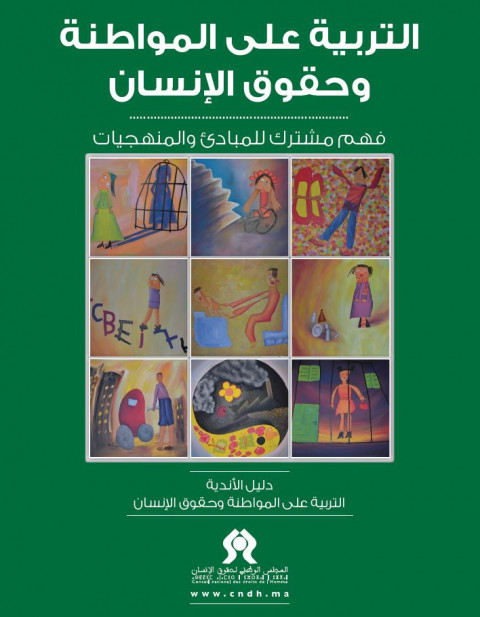 التربية على المواطنة وحقوق الإنسان: فهم مشترك للمبادئ والمنهجيات. دليل الأندية Año de publicación: 2014 Autor corporativo: National Council for Human Rights جاء هذا الدليل استجابة لحاجة ملحة تم رصدها وتشخيصها من خلال التجربة العملية واللقاءات التشاورية مع أندية التربية على المواطنة وحقوق الإنسان في المؤسسات التعليمية. يستهدف هذا الدليل: وضع إطار مرجعي لأندية التربية على حقوق الإنسان من حيث الأهداف المرجعيات والمبادئ والمقاربات من جهة، وضوابط العمل وأدوات وتقنيات التنشيط من جهة ثانية؛ توحيد وتقريب الرؤى وتيسير الفهم والتواصل بين مختلف مكونات الأندية وشركائهم؛ تقديم أرضية لمأسسة وتفعيل الأندية. ويبقى هذا المشروع مفتوحا على الاجتهادات والإغناء والتكييف وفق خصوصيات الجهات والأقاليم والمؤسسات والفئات المستهدفة في إطار احترام الأهداف المنشودة. لذا فإن هذا الدليل جاء ليوحد الجهود ولينسق الرؤى وليستثمر التراكمات والإبداعات والاجتهادات التي بادرت بها مختلف الأطراف المعنية بالموضوع، وليفتح أفقا أرحب لإرساء وتنظيم أندية التربية على المواطنة وحقوق الإنسان. تشمل محتويات الدليل: دوافع التربية على المواطنة وحقوق الإنسان، ومفاهيمها، وتعريف أدوار مؤسسات التنشئة الاجتماعية والتربوية، الحقوق الديمقراطية والفاعلون في الوسط المدرسي، مبادئ الأندية وأهدافها وبناها، وتشغيلها وفاعليتها وتمويلها، وتقنيات العمل، وغيرها. Education on Citizenship and Human Rights: A Common Understanding of Principles and Methodologies; A Guide for Clubs Año de publicación: 2014 Autor corporativo: National Council for Human Rights This guide responds to an urgent need that was identified and diagnosed during practical experience and consultative meetings with the education on citizenship and human rights clubs in the educational institutions. The guide aims at: developing a reference framework for the education on human rights clubs regarding their objectives, references, principles and approaches, on one side, and for the regulations, tools and techniques of the activities on the other; streamlining and approaching visions and facilitating understanding and communication among the different components of the clubs and partners; providing the ground for the institutionalization and activation of the clubs.The project remains open to different perspectives, enriching and adaptation according to the characteristics of the different regions, institutions and target categories relevant to the project’s objectives. Thus the guide is to streamline efforts, coordinate visions and capitalize on the accumulations, creativeness and perspectives of the different relevant parties and to open up wider horizons for the establishing and the clubs. Contents include: why the education on citizenship and human rights, concepts, definitions, roles of the institutions for social and educational nurturing, democratic rights and active actors in the school, the principles, objectives, structures, operating, efficiency, funding and techniques of clubs, among others.
  تحديات التربية العربية في القرن الحادي والعشرين وأثرها في تحديد دور معلم المستقبل Año de publicación: 2007 Autor: ملكاوي، نازم محمود Autor corporativo: University of Sharjah استهدفت الدراسة التعرف على أهم التحديات والقضايا التي تواجه التربية العربية خلال القرن الحالي، كالتحدي الثقافي، والتربية المستدامة، وقيادة التغيير، وثورة المعلومات، وتمهين التعليم، والأزمة البيئية، لتكون منطلقاً في إبراز دور وأهمية وملامح معلم المستقبل. وتبين أن ما أعد له المعلم خلال القرن الماضي لا يتناسب ومتطلبات الدور الذي سيؤديه خلال القرن الحالي، حيث مدارس المستقبل الإلكترونية، والتعليم الإلكتروني من خلال الشبكات الممتدة عبر العالم، كما لم يعد المعلم هو المصدر الوحيد للمعلومات والمعارف، فهناك وسائل ومصادر متنوعة ومتعددة تضخ كميات هائلة من المعلومات، يستطيع الطلبة بسهولة ويسر تلقيها، فتؤثر فيهم، مما يفرض على معلم المستقبل تنمية قدراته الفكرية والثقافية والفنية.. الخ، وفهم دوره الجديد في توجيه كل هذه المصادر لخدمة الأهداف التربوية التي تصب في مصلحة وطنه وأمته. وأن يدرك أن المعرفة والتحكم بها هي أهم مصادر الثروة... واستخلصت الدراسة بعض الملامح والأدوار لمعلم المستقبل ليستطيع أداء رسالته بحيث يكون معلماً مدركاً أهمية المهنة التي يمارسها وقدسيتها، مشاركاً في اتخاذ القرارات، وقادراً على مد العملية التعليمية خارج أسوار المدرسة، مدركاً موقعه وأهميته في عصر العولمة والتقدم والانفتاح...خبيراً في طرق البحث عن المعلومة، يستند في عمله وسلوكه وممارساته إلى قاعدة فكرية وتربوية متينة، وعقيدة إيمانية قوية، قادراً على تهيئة طلبته للخلق والإبداع والابتكار والتجديد والتعلم المستمر. وأوصت الدراسة بضرورة بناء خطة تربوية تكاملية للأمة العربية حيث الظروف متشابهة، مستندين بتخطيطهم على البحث الميداني للواقع الحقيقي للمعلم والعملية التعليمية. Challenges of Arab Education in the Twenty-First Century and Its Effect in Determining the Role of Teachers in the Future Año de publicación: 2007 Autor: ملكاوي، نازم محمود Autor corporativo: University of Sharjah This study aims at recognizing the most important challenges and issues, which Arab education has encountered during the current century in order to initiate a starting point for highlighting the role of teaching and its importance for future teachers. Among such challenges have been cultural hurdles, sustainable education, change leadership, the information revolution, vocational instruction, and environmental crises.The study points out that the role of a teacher in previous centuries was substantially different from the role teachers are required to perform in this century, this with reference to electronic education, which has already been established throughout the world, and future electronic schools. The teacher is no longer the sole source of knowledge and information. In fact, there are various means and sources available with huge quantities of information that can be easily retrieved and applied to teaching, which might in turn encourage instructors to develop their thought processes and cultural and technical capabilities.Current and future instructors must have an understanding of their new role in directing all of these sources in order to serve educational objectives in the interest of their countries and the Arab nation as a whole. Knowledge and its use should be viewed as among the most important sources of wealth. It is unity not division, wholeness not partiality, swiftness not reluctance that should form the basis of the new educational model. The study focuses on the features and role of the future teacher so that he/she might perform the teaching mission properly. The importance of the teaching profession is made clear along with the need for instructors to participate in higher levels of the educational decision-making process.Instructors need to participate in the educational process inside and outside school and realize the importance of teaching in this age of globalization, progress and openness. Instructors need to be experts in the means and methods for accessing information. They should depend upon a solid and thoughtful educational basis, supported by a strong belief in the career of teaching as a profession and the importance of the instructor’s own behaviour so as to prepare students with creativity, innovation and their constant learning in mind.The study recommends building a comprehensive educational plan for the Arab nation, where similar circumstances permit, the planning of which should be based on field and scientific research and encompass both the teacher and the educational process.
  الهوية الثقافية في الفكر التربوي العربي المعاصر Año de publicación: 2009 Autor: الرقب، سعيد محمد Autor corporativo: University of Jordan هدفت الدراسة إلى الكشف عن واقع الهوية الثقافية في الفكر التربوي العربي المعاصر، وذلك بمعرفة أبرز المرتكزات المرجعية التي تستند إليها الهوية الثقافية في الفكر التربوي العربي المعاصر. وقد توصلت الدراسة إلى الاستنتاجات التالية: 1) أنّ هوية الفرد المميزة له هي نتاج تفاعله مع ثقافته التي ينتمي إليها. 2) أنّ الهويّة في العصر الجاهلي ارتكزت على بعدين أوّلهما: البعد المادي الذي يشمل المعارف، وثانيهما: البعد اللامادي والذي يتشكل من العادات والتقاليد والأعراف والقيم. 3) إرتكزت الهوية في صدر الإسلام على تزكية المجتمع العربي من قيم العصبية القبلية والانتقال إلى القيم الإيجابية، مما أدى إلى توحيد الهوية الثقافية الإسلامية. 4) تميّزت الهوية في العصر الأموي بأنّها عربية خالصة. 5) ارتفعت الهوية في العصر العباسي من العِرق إلى اللغة باعتبارها عاملاً أساسياً في تشكيل الهوية. 6) أنّ الهوية في الوقت الحاضر هوية وطنية ارتبطت بالكيان السياسي الواحد حيث ارتبطت بالعروبة، وتنوع البيئة الجغرافية والتعدد الإداري فظهر ما يسمّى بهويّة العالم العربي. 7) تنوّعت مرجعيّة الهوية الثقافيّة في الفكر التربوي المعاصر أبرزها: الإسلام، والقوميّة، والعلمانيّة، والاشتراكية، مع الأخذ بعين الاعتبار أنّ الإسلام والعروبة يُشكلان المرجعيّة الأولى من أجل وحدة الهويّة والحفاظ عليها. Cultural Identity in Contemporary Arab Educational Thought Año de publicación: 2009 Autor: الرقب، سعيد محمد Autor corporativo: University of Jordan The study aimed at revealing the reality of the “Cultural Identity” in the contemporary Arab thought, by tracing the most important references that the” Cultural Identity” stemmed from This study followed a descriptive analytic method: information and data related to the study were gathered, analysed and evaluated. The comparative method is used as well to study the reality of “the Identity”, from Pre-Islam era till present.The study concluded the followings: 1. A person’s Identity that distinguishes him is a result of his interaction with his culture that he belongs to. 2. In pre-Islam era, the identity was based on two dimensions: the first was physical and this included knowledge; the second was non-physical and was formulated from habits, traditions, customs, and values. 3. In the Early Islamic period, identity was based on the elimination of tribal fanatical values and on the transformation into positive values. That lead to the unification of the Islamic cultural identity. 4. In the Umayyad period, the identity was featured by its pure Arab identity. 5. In the Abbasid period, the identity elevated from the ethnic level to the language level which is considered as integral factor for identity formulation. 6. At present, “the Identity” is a national one aligned with the one political status, and connected with Arabism, the varied geographical environments and the administrative diversity, and hence appeared what is called the 'identity of the Arab World'. 7. The references of the “cultural identity” in the modern educational thought are multi, the most prominent of these elements are Islam, nationalism, secularism and socialism, while taking into consideration that Islam and Arabism are the first references for the unification and preservation of the identity.