
Recursos
Exploren una amplia gama de recursos valiosos en GCED para profundizar su comprensión y promover su búsqueda, incidencia, enseñanza y aprendizaje.
1,448 resultados encontrados
 Global Education for Ontario Learners: Practical Strategies; A Summary of Research Año de publicación: 2018 Autor: Caroline Manion | Nadya Weber Autor corporativo: Ontario (Canada). Ministry of Education This summary report flows from the policy outlined in Ontario’s Strategy for K–12 International Education (OME, 2015). The report highlights current knowledge about good and/or promising practices in global education in order to suggest practical strategies for improved teaching, learning, and achievement. The intended audience for this piece includes all education stakeholders – community members, parents, learners, system leaders, school leaders, and educators – as active agents of change in support of an education strategy designed to integrate global perspectives, cultures, and experiences in the curriculum and learning environment. The purpose is to enable students to develop the competencies they will need to thrive as citizens in an increasingly globalized world.
  Manual for Teachers and Educators: To Empower Young People on Sdgs and Migration Año de publicación: 2018 Autor corporativo: Start the Change | European Union (EU) The Start the Change project aims to improve education provision linked to the Sustainable Development Goals (SDGs) in 12 European countries, with a special emphasis on the relationship between migration and global inequality, and contributing to the fulfilment of the 2030 Agenda for Sustainable Development.The first part of the guide (THINK) describes the educational model proposed by Start the Change. Service Learning gives an overview of a pedagogical approach that promotes a new perspective to acquiring global citizenship knowledge, skills and attitudes - not just in the classroom but also through direct experience of working on real issues in the community. MANUAL TO INSPIRE: START THE CHANGE 11 Participative methodologies are the basis of all good global citizenship education, and youth empowerment can be enhanced through peer to peer approaches. The second part of the guide (LEARN) is dedicated to enhancing teachers’ and educators’ knowledge of the contents of the project: the Sustainable Development Goals, inequality and migration issues. Storytelling can be used to develop short film storylines on Start the Change issues. Educational activities can be enriched by using ICT to promote global learning and include voices and experiences from the Global South. The third part of the guide (DO) is dedicated to activities and methodologies to help young people explore these issues and inspire them to take action in their communities.
  Development Education: What Is It and Why Get Involved? Año de publicación: 2017 Autor corporativo: WorldWise Global Schools (WWGS) Global Citizenship Education (GCE) is an educational process aimed at increasing awareness and understanding of the rapidly changing, interdependent and unequal world in which we live. This video explores what we mean by Development Education (DE), as also known as Global Citizenship Education, what value it has for students and what supports are available to help schools doing it.
  Global Rights, Nobel Goals: Refugees, Migration, the Sustainable Development Goals and Youth; Resource Pack Año de publicación: 2016 Autor: Valerie Duffy | Leo Gilmartin | Grace McManus | Dermot O’Brien Autor corporativo: National Youth Council of Ireland (NYCI) This resource pack explores the terms around migration (asylum seeker, refugee, internally displace peoples etc), the reasons that people choose or are forced to migrate and makes connections with the SDGs. It also includes a great selection of activities for young people at different ages and stages.
 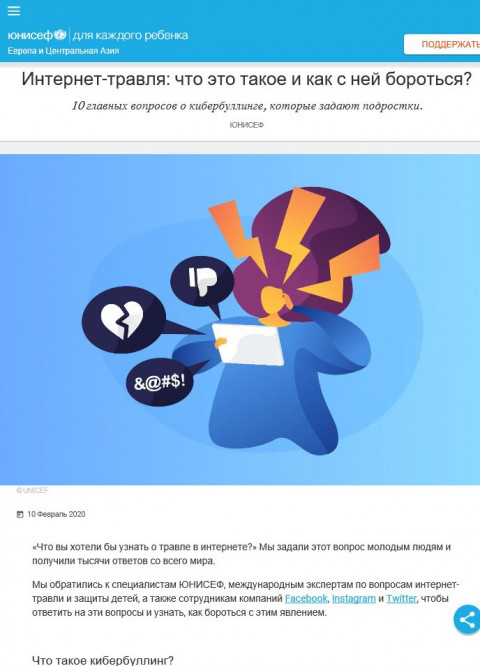 Internet Bullying: What is It and How to Deal with It? ; Top 10 Cyberbullying Questions Asked by Teens Año de publicación: 2020 Autor corporativo: UNICEF Europe and Central Asia In the article, UNICEF experts, international experts on Internet bullying and child protection, as well as employees of Facebook, Instagram and Twitter, answer questions about how to deal with Internet bullying. Top 10 Cyberbullying Questions: How to understand that I am being harassed on the Internet? How to distinguish a joke from bullying? How does Internet bullying affect a person? Who should I talk to if someone is chasing me on the Internet? Why is it important to report bullying? I am being harassed by the Internet, but I’m afraid to talk to my parents about it. How do I turn to them for help? How can I help my friends report online bullying, especially if they don’t want to do this? The Internet gives me access to a lot of information, but it also means that I can become a victim of online violence. How can you protect yourself from cyberbullying without refusing to use the Internet? How to avoid using my personal information to manipulate or humiliate me on social networks? Is there any punishment for Internet harassment? Internet companies are not trying to solve the problem of cyberbullying. Are they responsible for this? Are there any online tools to combat bullying of children or youth? Интернет-травля: что это такое и как с ней бороться? ; 10 главных вопросов о кибербуллинге, которые задают подростки Año de publicación: 2020 Autor corporativo: UNICEF Europe and Central Asia В статье специалисты ЮНИСЕФ, международные эксперты по вопросам интернет-травли и защиты детей, а также сотрудники компаний Facebook, Instagram и Twitter отвечают на вопросы о том, как бороться с интернет травлей. 10 главных вопросов о травле в интернете: Как понять, что меня преследуют в интернете? Как отличить шутку от травли? Как интернет-травля влияет на человека? С кем мне поговорить, если кто-то преследует меня в интернете? Почему важно сообщать о случаях травли? Я подвергаюсь интернет-травле, но боюсь поговорить с родителями об этом. Как мне обратиться к ним за помощью? Как мне помочь друзьям сообщить об интернет-травле, особенно, если они не хотят этого делать? Интернет дает мне доступ к большому количеству информации, но это также означает, что я могу стать жертвой насилия в сети. Как можно оградить себя от кибербуллинга, не отказываясь от использования интернета? Как избежать использования моей личной информации для манипуляции или унижения меня в соцсетях? Существует ли какое-то наказание за интернет-травлю? Интернет-компании не пытаются решить проблему кибербуллинга. Несут ли они за это ответственность? Существуют ли какие-нибудь онлайн-инструменты для борьбы с травлей детей или молодёжи?
  Action on Global Citizenship: Teacher Toolkit Año de publicación: 2017 Autor: Gráinne Ryan | Deirdre Walsh Autor corporativo: Global Action Plan (GAP) Ireland | Irish Aid This toolkit aims to support educators to empower their students in becoming active global citizens in their schools and communities, with a range of activities and resources which align to the Irish Curriculum, whilst using active learning methodologies in an engaging and fun way.
 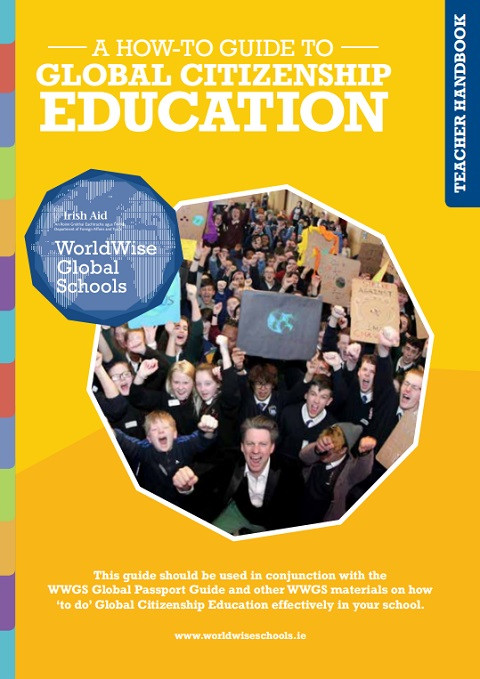 A How-to Guide to Global Citizenship Education: Teacher Handbook Año de publicación: 2019 Autor corporativo: WorldWise Global Schools (WWGS) | Irish Aid This guide is for post-primary schools that are working to embed Global Citizenship Education (GCE) into their school community, and are part of the WorldWise Global Schools (WWGS) Programme. It aims to support schools to integrate Global Citizenship Education and create global citizens in their schools. Whether you are just starting to explore, or you are experienced in Global Citizenship Education, this handbook will help to guide your GCE practice and offer some suggestions as to how you can approach your GCE work and engage with the WWGS programme.
 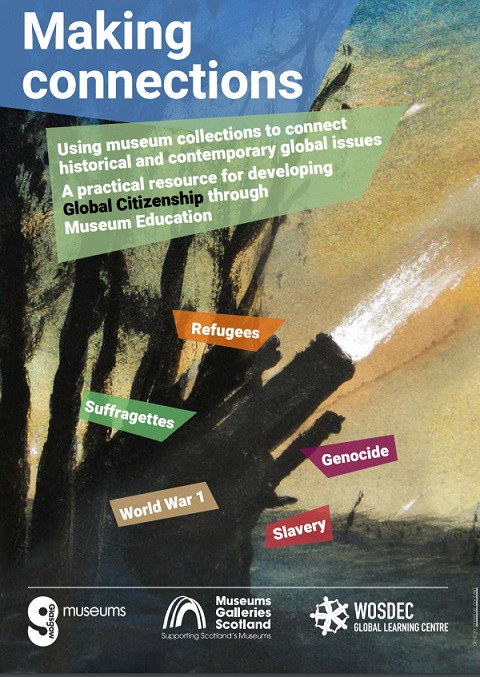 Making Connections: Using Museum Collections to Connect Historical and Contemporary Global Issues; A Practical Resource for Developing Global Citizenship through Museum Education Año de publicación: 2019 Autor corporativo: Glasgow Museums | Museums Galleries Scotland | West of Scotland Development Education Centre (WOSDEC) Looking at Refugees, Genocide, World War I, Suffragettes and Slavery, this is a practical resource to support educators to connect historical and contemporary global issues and develop the skills, values and attitudes of Global Citizenship through museum collections. The tasks and activities contained within this resource are aimed at providing ideas for museum educators and can work either in a gallery or classroom setting. Many of the techniques and approaches are transferrable to a range of different themes and collections.
 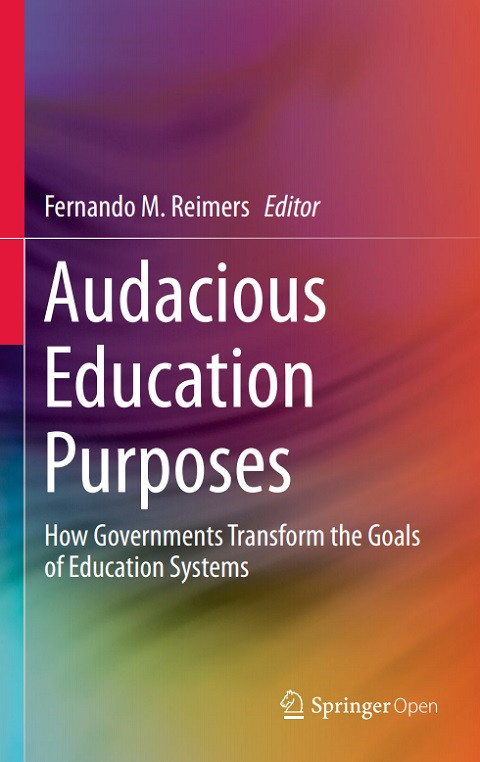 Audacious Education Purposes: How Governments Transform the Goals of Education Systems Año de publicación: 2020 Autor: Fernando Reimers This open access book offers a comparative study of eight ambitious national reforms that sought to create opportunities for students to gain the necessary breath of skills to thrive in a rapidly changing world. It examines how national governments transform education systems to provide students opportunities to develop such skills. It analyses comprehensive education reforms in Brazil, Finland, Japan, Mexico, Peru, Poland, Portugal and Russia and yields original and important insights on the process of educational change. The analysis of these 21st century skills reforms shows that reformers followed approaches which are based on the five perspectives: cultural, psychological, professional, institutional and political. Most reforms relied on institutional and political perspectives. They highlight the systemic nature of the process of educational change, and the need for alignment and coherence among the various elements of the system in order. They underscore the importance of addressing the interests of various stakeholders of the education system in obtaining the necessary impetus to initiate and sustain change. In contrast, as the book shows, the use of a cultural and psychological frame proved rarer, missing important opportunities to draw on systematic analysis of emerging demands for schools and on cognitive science to inform the changes in the organization of instruction. Drawing on a rich array of sources and evidence the book provides a careful account of how education reform works in practice.