
Recursos
Exploren una amplia gama de recursos valiosos en GCED para profundizar su comprensión y promover su búsqueda, incidencia, enseñanza y aprendizaje.
1,451 resultados encontrados
 Raising Awareness and Promoting Global Citizenship to Realize the 2030 Agenda Año de publicación: 2019 Autor: Laurel Wayne-Nixon | Tanya Wragg-Morris | Anjali Mishra | Dawson Markle | Shannon Kindornay Autor corporativo: British Columbia Council for International Cooperation (BCCIC) | Conseil canadien pour la coopération internationale (CCCI) Socializing the 2030 Agenda for Sustainable Development among citizens, parliamentarians, government institutions, civil society, academia, the private sector, trade unions and others provides a basis for stakeholders to identify their priorities and contribute to sustainable development as global citizens. Based on a review of good practices emerging from around the world, this policy brief offers recommendations on how governments can raise awareness of the 2030 Agenda and support global citizenship. Sensibilisation et promotion de la citoyenneté mondiale pour réaliser le Programme 2030 au Canada Año de publicación: 2019 Autor: Laurel Wayne-Nixon | Tanya Wragg-Morris | Anjali Mishra | Dawson Markle | Shannon Kindornay Autor corporativo: British Columbia Council for International Cooperation (BCCIC) | Conseil canadien pour la coopération internationale (CCCI) Faire connaître le Programme de développement durable à l’horizon 2030 aux citoyens, aux parlementaires, aux institutions gouvernementales, à la société civile, au milieu universitaire, au secteur privé, aux syndicats et à d’autres acteurs constitue une base pour les parties prenantes afin de déterminer leurs priorités et contribuer au développement durable en tant que citoyens du monde. Fondée sur un examen des bonnes pratiques émergentes du monde entier, la présente note d’information contient une série de recommandations sur les façons dont les gouvernements peuvent accroître la sensibilisation au Programme 2030 et soutenir la citoyenneté mondiale.
 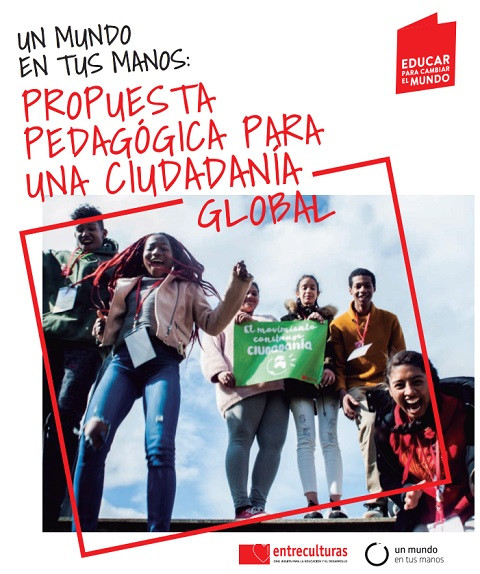 Un Mundo en tus Manos: Propuesta Pedagógica para una Ciudadanía Global Año de publicación: 2019 Autor: Jessica García Fernández | Irene Ortega Guerrero | Davinia de Ramón Felguera | Encarna Duran Costell | Alberto Medina Bravo | Clara Maeztu Gomar | Yénifer López Ramos Autor corporativo: Fundación Entreculturas Este documento es una propuesta pedagógica de Entreculturas para educar en Ciudadanía Global. Cubre la metodología, recursos y ejemplos de cómo Entreculturas viene trabajado con adolescentes, jóvenes y educadores y educadoras durante los últimos años.
  BRIGHTS Course Curriculum Año de publicación: 2017 Autor: Federica Funghi | Francesca Vannucchi Autor corporativo: Brights Project | European Union (EU) | European Commission This document presents the organization of the course to be delivered in the framework of the BRIGHTS project by specifying its diverse phases, the objectives and the learning outcomes, the kind of contents to be issued and how the participants (Teachers and Trainers working with youth) will be involved.
  Regional Consultations of the National Human Rights Institutions of Central Asia: Conference Proceedings Año de publicación: 2016 Autor corporativo: UN. Office of the United Nations High Commissioner for Human Rights (UN. OHCHR) | United Nations Development Programme (UNDP) For the first time, the conference became a platform for consultations of national human rights institutions (NHRIs) of Central Asia to help strengthen partnerships and provide opportunities for mutual support and exchange of expertise. Special attention the role of NHRIs in their interaction with the government and other partners in the country, as well as the role of NHRIs in terms of achieving the Sustainable Development Goals (SDGs). Региональные консультации национальных правозащитных учреждений стран Центральной Азии: Отчет о конференции Año de publicación: 2016 Autor corporativo: UN. Office of the United Nations High Commissioner for Human Rights (UN. OHCHR) | United Nations Development Programme (UNDP) Конференция впервые стала площадкой для консультаций национальных правозащитных учреждений (НПЗУ) Центральной Азии в целях содействия укреплению партнерских отношений и обеспечения возможностей взаимной поддержки и обмена экспертным опытом. Особое вниманиеуделено роли НПЗУ в их взаимодействии с правительством и другими партнерами в стране, а также роли НПЗУ в части достижения Целей Устойчивого Развития (ЦУР).
  Uzbekistan: Voluntary National Review 2020 Año de publicación: 2020 Autor corporativo: United Nations (UN) This voluntary review contains information on the implementation of the 2030 Sustainable Development Goals by the Republic of Uzbekistan, objectives and directions for further activities. Special attention is paid to SDG 4 "Education", where the priority is to improve the quality and coverage of education at all levels, as well as the development of the lifelong education system. Узбекистан: Добровольный национальный обзор 2020 Año de publicación: 2020 Autor corporativo: United Nations (UN) Данный добровольный обзор содержит в себе информацию по выполнению Республикой Узбекистан целей устойчивого развития 2030, задачи и направления дальнейшей деятельности. Отдельное внимание уделено ЦУР 4 "Образование", где приоритетом является повышение качества и охвата образованием на всех уровнях, а также развитие системы непрерывного образования.
 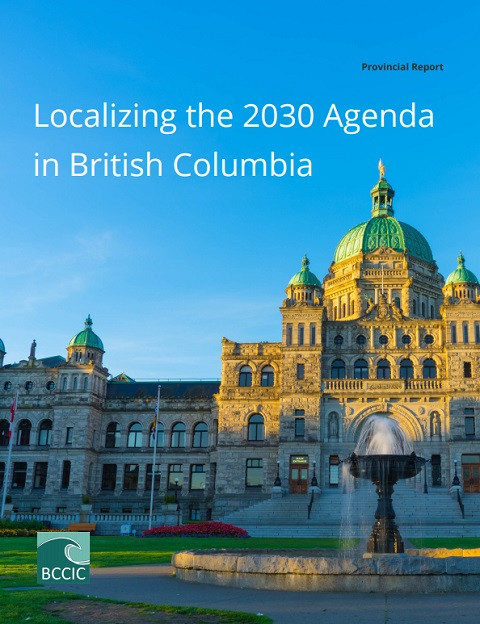 Localizing the 2030 Agenda in British Columbia Año de publicación: 2020 Autor: Zosa De Sas Kropiwnicki-Gruber | Dan Harris Autor corporativo: British Columbia Council for International Cooperation (BCCIC) This report details a British Columbian civil society response to the Government of Canada’s current interim national Sustainable Development Goals strategy. The report provides feedback on the interim strategy and Canada’s engagement with the United Nations Sustainable Development Goals (SDGs) including recommendations linked to the interim strategy’s key actions. At this time it represents the only provincial scale civil society consultation on the strategy in Canada. The report begins by introducing the origin of the interim national SDG strategy and the rationale for holding the consultation. While the following section on “What we heard” captures common themes on how to improve the strategy and Canada’s engagement with the SDGs, the report then concludes with recommendations synthesized from these suggestions on the ways in which we can strengthen and enact the interim national SDG strategy.
  Таджикистан: Факторы, препятствующие оказанию помощи жертвам семейного насилия Año de publicación: 2019 Autor corporativo: Human Rights Watch Власти Таджикистана предпринимают недостаточно усилий для проведения расследований и судебного преследования по фактам насилия в семье, а ситуация с оказанием помощи пострадавшим далека от удовлетворительной, говорится в публикуемом сегодня докладе Human Rights Watch по этому вопросу. Несмотря на определенный прогресс по ряду направлений, уголовная ответственность за семейное насилие как таковое законом по-прежнему не предусмотрена, а пострадавшие от насилия в семье женщины не обеспечиваются надлежащей защитой, доступом к убежищам и другим службам помощи.