
Recursos
Exploren una amplia gama de recursos valiosos en GCED para profundizar su comprensión y promover su búsqueda, incidencia, enseñanza y aprendizaje.
3,790 resultados encontrados
 The Concept of Citizenship Between the Islamic State and the Contemporary State Año de publicación: 2015 Autor corporativo: Watan Foundation In cooperation with Fikr Foundation for Training and Studies and Ruya Student Club, Dirasat organized a seminar held at the Student Center in Education City in Qatar. In the State of Qatar, a number of researchers.
  المشاركة السياسية والتمكين السياسي للمرأة المعوقات، التحديات وآليات المعالجة في الوطن العربي Año de publicación: 2019 Autor: Fatima Bou Dirham السياسي، الاقتصادي، الاجتماعي، الثقافي والإداري، بالإضافة الى كل ضروب الفساد فهذه المجتمعات المتخلفة في كل المجالات ، بحاجة إلى استغلال أمثل لكافة إمكانياتها المادية، المالية والبشرية على الخصوص، دون تمييز بين الذكور والإناث، خاصة وأن فئة النساء تمثل نصف هذا المجتمع من الناحية الديمغرافية . أو تزيد على ذلك في بعض المجتمعات العربية التي تعرف نموا ديمغرافيا متزايدا لأسباب صحية وأخرى إجتماعية، فهذه المجتمعات لا تؤمن كثيرا بالأدوار الإنمائية والانتاجية للمرأة، بل تحصرها في الدور الإنجابي، الاجتماعي والتربوي في دائرة الاسرة العربية وتزداد القضية تعقيدا، حينما نعلم أن الكثير من هذه الدول تتخطى وتتجاوز نصوص الدساتير التي سنتها وصادقت عليها، في مسألة مساواة المرأة والرجل في الحقوق والواجبات وتتجاهل أدوار المرأة المتزايدة والمتعاظمة في المجال التنموي. - لمعالجة هذه القضية أنطلق من إشكالية أساسية مفادها: ماهي أهم المعوقات والتحديات التي تواجه قضايا المشاركة السياسية والتمكين السياسي للمرأة في الوطن العربي وماهي آليات المعالجة؟ في ضوء هذه الإشكالية أصوغ الفروض التالية: الفرض الأول: أهم المعوقات والتحديات التي تواجه قضايا المشاركة السياسية والتمكين السياسي للمرأة في الوطن العربي تتمثل في المعوقات والتحديات السياسية والاقتصادية، الثقافية، الإعلامية، القانونية، الإدارية، وخصوصية المرأة العربية. الفرض الثاني: تأتي آليات المعالجة من نفس طبيعة ومصادر المعوقات والتحديات، وعليه فالآليات العلاجية تتضمن آليات سياسية ، إقتصادية، إجتماعية، ثقافية، قانونية ، إعلامية إدارية ومعالجة خصوصية المرأة العربية من حيث تحويلها الى طاقة إيجابية تخدم قضايا المرأة. Political Participation and Political Empowerment of Women with Disabilities, Challenges and Remedial Mechanisms in the Arab World Año de publicación: 2019 Autor: Fatima Bou Dirham Political, economic, social, cultural and administrative, in addition to all forms of corruption, these underdeveloped societies in all fields, need to make optimal use of all financial, human and human resources in particular, without discrimination between males and females, especially since the category of women represents half of this society in terms of Demographic. Or more than that in some Arab societies that are experiencing increasing demographic growth for health and other social reasons, these societies do not believe much in the developmental and productive roles of women, but confine them to the reproductive, social and educational role in the Arab family circle and the issue becomes more complex, when we know that many of these States go beyond and exceed the texts of constitutions they have enacted and ratified, on the equal rights and duties of women and men and ignore the growing and growing roles of women in development.To address this issue, I proceed from a basic problem: What are the most important obstacles and challenges facing the issues of political participation and political empowerment of women in the Arab world and what are the mechanisms of treatment? In the light of this problem, I formulate the following hypotheses: The first hypothesis: The most important obstacles and challenges facing the issues of political participation and political empowerment of women in the Arab world are the political, economic, cultural, media, legal, administrative, and privacy of women. The second hypothesis: The treatment mechanisms come from the same nature and sources of obstacles and challenges.
 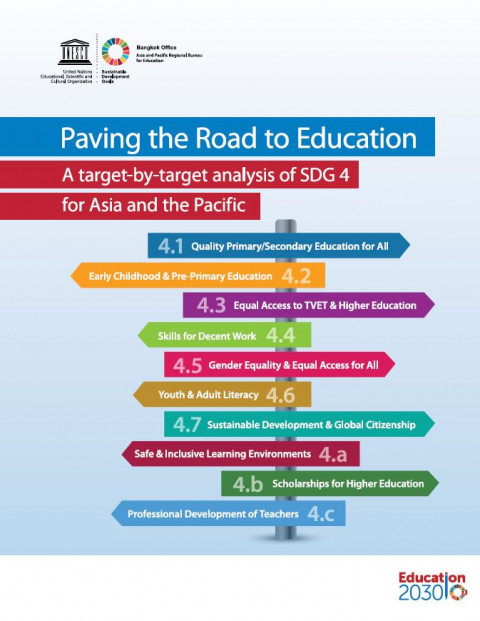 Paving the Road to Education: A Target-by-Target Analysis of SDG 4 for Asia and the Pacific Año de publicación: 2018 Autor corporativo: UNESCO Bangkok The globally adopted development agenda “Transforming our World: the 2030 Agenda for Sustainable Development” has established ambitious intentions that build on the past Millennium Development Goals but also expand on their achievements.The Sustainable Development Goal 4 on education propels forward the vision of ensuring inclusive and equitable quality education and to promote lifelong learning opportunities for all through a holistic, aspirational and systematic education agenda. Education monitoring is an integral part in this process.This publication delivers a data-rich snapshot of Sustainable Development Goal 4, its targets and their monitoring indicators while analyzing available data through a lens of inequality.Assessing the progress which countries have made in the recent past as well as where countries currently stand, this publication sets a baseline against which Member States from Asia and the Pacic are able to monitor progress in achieving the Goal 4 over time but at latest by 2030.Finally, after discussing emerging opportunities and remaining challenges in the region, this publication seeks to assist Member States in identifying what steps can be taken to ensure that the region will achieve the new education agenda.
  ENVISION 4.7: ROADMAP IN SUPPORT OF SDG TARGET 4.7 Año de publicación: 2019 Autor corporativo: Bridge 47 In November 2019, 200 policy makers, civil society members and researchers from all over the world got together in Helsinki to make a roadmap for the future implementation of SDG Target 4.7 in Europe. The participants of the Envision 4.7 event held in Helsinki, 6th and 7th November 2019, made this document to contribute to the achievement of Target 4.7 of the universal Sustainable Development Goals (SDGs). This document was shaped and influenced by the expertise and insight of everyone who came to the conference. Bridge 47 is calling on this collective knowledge and community of experts to continue moving these recommendations forward as we all aim to achieve SDG Target 4.7 and use transformative education as a mechanism for achieving all of the Sustainable Development Goals.
 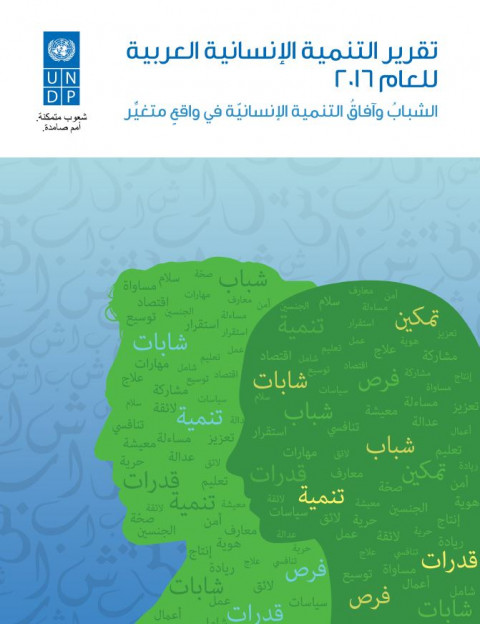 تقرير التنمية الإنسانية العربية للعام 2016: الشباب وآفاق التنمية واقع متغير Año de publicación: 2016 Autor corporativo: UNDP Arab States يتناول تقرير "التنمية الإنسانية العربية للعام 2016: الشباب وآفاق التنمية واقع متغير" بالدراسة التحديات والفرص التي تواجه الشباب في المنطقة العربية، وخاصة منذ عام 2011، ويسعى لتقديم لمحة عامة عن الشباب في المنطقة، ولتحفيز نقاش جاد يشارك فيه الشباب أنفسهم مع أهم الأطراف الأخرى في المجتمع حول حول مستقبل التنمية في المنطقة بالنظر إلى وضع الشباب ودورهم باعتبارهم قضية محورية في هذا الوقت بالذات.ينطلق التقرير من حقيقة أن جيلُ الشباب الحالي يمثل أكبرُ كتلة شبابيّة تشهدها المنطقة على مدى السنوات الخمسين الماضية، إذ يكون 30 في المئة من سكّانها الذين يبلغ عددُهم 370 مليونَ نسمة. وينبِّه التقرير إلى أن البلدان العربية تستطيع تحقيقَ طفرة حقيقية ومكاسب كبيرة في مجالي التنمية، وتعزيزَ الاستقرار، وتأمينَ هذه المكاسب على نحوٍ مستدام إذا تبنَّت سياساتٍ تُعطي الشبابَ حصةً يستحقونها في تشكيل مجتمعاتِهم وتَجعلهم محطَّ الاهتمام - سياسيًّا واجتماعيًّا واقتصاديًّا.ويدعو تقرير التنمية الإنسانية العربية 2016 دول المنطقة إلى الاستثمار في شبابها وتمكينهم من الانخراط في عمليات التنمية، كأولوية حاسمة وملحة في حد ذاتها وكشرط أساسي لتحقيق التنمية المستدامة. وتكتسب هذه الدعوة أهمية خاصة اليوم إذ تشرع كافة البلدان زمنها الدول العربية في إعداد خططها الوطنية لتنفيذ خطة 2030 للتنمية المستدامة. كما يدعو التقرير إلى تبني نموذجِ تنميةٍ ذي تَوجُّهٍ شبابي، يُركِّز في آن واحد على بناء قدرات الشباب وتوسيعِ الفرص المتاحةِ لهم، ويعتبر أن تحقيقَ السلام والأمن على الصعيدَين الوطنيِّ والإقليمي شرطًا أساسيًّا لمستقبلٍ جدير بالشباب. Arab Human Development Report 2016: Youth and Development Prospects Año de publicación: 2016 Autor corporativo: UNDP Arab States AHDR 2016 examines challenges and opportunities facing youth in the Arab region, especially since 2011, and seeks to provide an overview on youth in the region and stimulate a broad dialogue between youth and key stakeholders on the future of development in the region, focusing on the role of youth as critical partners at this very point in time.The point of departure of the report is the demographic fact that the current youth generation is the largest youth cohort this region has had over the past 50 years, making up 30% of its population of 370 million. The report argues that Arab countries can achieve a great leap forward in development, reinforce stability and secure such gains in a sustainable manner, if they adopt policies that give youth a stake in shaping their societies and put them at the centre—politically, socially and economically.The AHDR 2016 calls upon Arab countries to invest in their young people and empower them to engage in the development process as an urgent and critical priority in its own right and prerequisite to achieving sustainable development –a call that is particularly timely as Arab countries embark on formulating their plans to meet the goals of the Sustainable Development Agenda 2030. The report also calls for a youth-oriented development model that focuses simultaneously on building young people’s capabilities and expanding opportunities available to them, considering the achievement of peace and security at national and regional levels as a prerequisite for a future fit for youth.
  مؤتمر العولمة ومناهج البحث العلمي: التوصيات Año de publicación: 2014 Autor corporativo: Generation of Scientific Research Center يعيش العالم اليوم تحت مضلة العولمة والتي لم تبقى مقتصرة على الجانب الاقتصادي والاجتماعي فحسب بل تعدت ذلك لتمس بمناهج الفكر والبحث العلمي، ومن منطلق حرص مركز جيل البحث العلمي على مواكبة كل جديد على مستوى البحث العلمي نظم مؤتمره الدولي الثالث تحت عنوان: “العولمة ومناهج البحث العلمي” ببيروت أيام 25-26- 27 أبريل 2014. توزعت أوراق عمل المؤتمر على عشر جلسات علمية تناولت موضوع العولمة من كل جوانبه ودارت حول ستة محاور، استهل المحور الأول بـ” الإطار المفاهيمي” من خلال التوقف عند العولمة والبحث العلمي الرؤى والمفاهيم وتناول المحور الثاني مظاهر تأثر المؤسسات الأكاديمية بالعولمة وخصص المحور الثالث للعولمة والبحث العلمي في مجال الدراسات القانونية والسياسية أما المحور الرابع فلقد تطرق فيه الباحثون للعولمة والبحث العلمي في مجال الدراسات الإجتماعية والإنسانية ليضيء المحور الخامس على العولمة والبحث العلمي في مجال الدراسات الأدبية والفكرية، وأخيرا تناول المحور السادس والأخير العولمة والبحث العلمي في مجال الدراسات الإسلامية. أجمع الباحثون في نهاية المؤتمر على مجموعة من التوصيات تضمنها البيان الختامي الصادر عن اللجنة العلمية للمؤتمر المشكلة من: د. سرور طالبي لبنان/ الجزائر؛ رئيسة المؤتمر. أ. د طارق السعدي – لبنان؛ أ.د. عبد الله العساف (سوريا/ السعودية) أ. د نور الهدى حماد – مصر. أ.د. مصطفى رحومة – ليبيا. أ.د. ميلاد مفتاح – ليبيا. د. سالم بن خلفان بن حميد الخايفي- سلطنة عمان. د. فرج محمد نصر لاما – ليبيا. د. سالم أحمد العجيل – ليبيا. د. جهاد الغرام – فلسطين. أ. غزلان هاشمي – الجزائر. د. بومدين بلخثير- الجزائر. أ. عمر عبد الله الكروش – العراق. أ. اميمة الزين – لبنان. وفيما يلي توصيات المؤتمر: Conference on Globalization and Scientific Research Methods: Recommendations Año de publicación: 2014 Autor corporativo: Generation of Scientific Research Center The world today lives under the misleading of globalization, which has not only been confined to the economic and social aspect, but has gone beyond that to affect the methods of thought and scientific research. Scientific papers ”in Beirut on 25-26-27 April 2014. The working papers of the conference were distributed on ten scientific sessions dealing with the subject of globalization in all its aspects and it revolved around six axes. The first axis started with the“ conceptual framework ”through stopping at globalization and scientific research. The second manifestations of the institutional impact The third axis focused on globalization and scientific research in the field of social and human studies. The fifth axis sheds light on globalization and scientific research in the field of literary and intellectual studies. Finally, the sixth and final axis dealt with globalization and scientific research. In the field of Islamic studies. At the end of the conference, the researchers unanimously agreed on a set of recommendations contained in the final statement issued by the scientific committee of the conference.Sorour Talbi Lebanon / Algeria; President of the Conference. a. Dr. Tariq Al-Saadi - Lebanon; Abdullah Al-Assaf (Syria / Saudi Arabia) Dr. Nour El Hoda Hammad - Egypt. Prof.Dr. Mustafa Rahouma - Libya. Prof.Dr. Milad Moftah - Libya. Dr.. Salem bin Khalfan bin Humaid Al-Khaifi - Sultanate of Oman. Dr.. Farag Mohamed Nasr Lama - Libya. Dr.. Salem Ahmed Al - Ajeel - Libya. Dr.. Jihad Al - Gharam - Palestine. a. Ghazlan Hashemi - Algeria. Dr.. Boumediene Belkhther - Algeria. a. Omar Abdullah Al Krouche - Iraq. a. Omaima Zein - Lebanon. The Conference's recommendations are as follows:
  INTRAC in Central Asia 1994-2018: A Story of the Past, the Present and the Future; Special Series Paper Año de publicación: 2019 Autor: Charles Buxton | Anne Garbutt | Janice Giffen | Chynara Irisova | Konstantin Kovtunets | Anara Moldosheva | Brian Pratt | Medet Tiulegenov | Chris Wardle | Nazgul Zakiriaeva Autor corporativo: International Non-Governmental Organisation Training and Research Centre (INTRAC) This publication is a special newsletter which marks the next phase of support provided by INTRAC to civil society in Central Asia. The articles in this special bulletin describe the history of INTRAC in Central Asia from the very first days to the present, and also provide a glimpse into the future.