
Recursos
Exploren una amplia gama de recursos valiosos en GCED para profundizar su comprensión y promover su búsqueda, incidencia, enseñanza y aprendizaje.
1,402 resultados encontrados
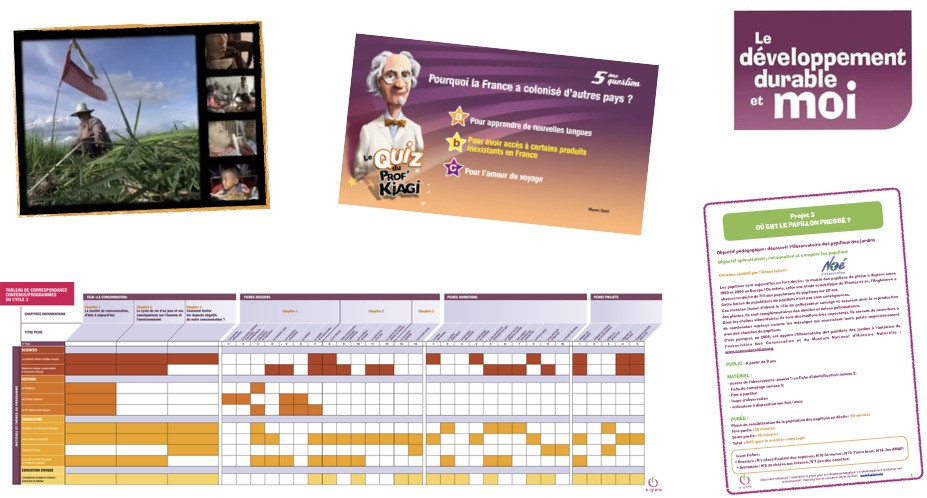 Le développement durable et moi Año de publicación: 2010 Autor corporativo: E-graine Les mallettes pédagogiques constituent un des supports historiques d’e-graine dans sa batterie d’outils pédagogiques. Destinées en premier lieu aux enseignants dans les années 2010, elles ont été pensées comme des outils clés en mains pour éduquer au développement durable et à la solidarité internationale. A l’aide d’un tableau de correspondance pédagogique fourni avec la mallette, un enseignant pouvait, dans les différentes disciplines, intégrer facilement ces vidéos à ses cours. Le dispositif était idéal pour appuyer les écoles ne disposant pas toujours des moyens financiers permettant de faire appel à des animateurs spécialisés. Il était également possible pour le grand public de se procurer ces mallettes pour une utilisation dans le cadre familial.Pour toucher le plus grand nombre et parcequ’elle modernise ses outils pour rester à la pointe de l’innovation pédagogique, e-graine fait le choix de les proposer gratuitement en ligne pour le plus grand nombre. Le contenu que vous trouverez ci-dessous en vidéo demeure évidemment une bonne base d’initiation pour une cible 8-12 ans. Teaching kits are one of e-graine's long-standing educational tools. First designed for teachers in the 2010s, they were conceived as turnkey tools for teaching sustainable development and international solidarity. Using a pedagogical correspondence table supplied with the kit, teachers could easily integrate the videos into their lessons in any subject. The system was ideal for supporting schools that don't always have the financial resources to hire specialized animators. It was also possible for the general public to purchase the kits for use in the home. In order to reach as many people as possible, and because it is constantly updating its tools to remain at the cutting edge of educational innovation, e-graine has decided to make them available free of charge online. The video content you'll find below is obviously a good introduction for 8-12 year-olds.
  Low-tech en rénovation énergetique: les podcasts Autor: Anna Chavepayre | Alexandre Pointet | Christine Lecerf | Patrice Brière | Ivan Fouquet | Vania Dormoy | Milena Karanesheva | Clotilde Autor corporativo: Profeel Des praticiens, maîtres d’ouvrage, maîtres d’œuvre et entreprises racontent : faire de la rénovation, c’est déjà une démarche low-tech qui prend en compte l’énergie grise, l’économie des ressources. Ils font du low-tech pour la transition climatique, pour le plaisir d’une utilisation simple et robuste, pour inventer des choses en partant du déjà-là, du paysage. C’est la marche de l’histoire. Practitioners, owners, project managers and contractors tell us that renovation is already a low-tech approach that takes into account grey energy and resource conservation. They do low-tech for the climate transition, for the pleasure of simple, robust use, to invent things based on what's already there, on the landscape. It's the march of history.
  Itinéraire d'un téléphone portable Año de publicación: 2019 Autor corporativo: E-graine E-graine te propose de te familiariser à la notion de citoyenneté mondiale, à travers un objet du quotidien : le smartphone.Tu pourras découvrir le système complexe de fabrication du téléphone, les impacts qu’il provoque sur l’Homme et l’environnement... et surtout comment tu as, en tant que citoyen et consommateur, la capacité de faire des choix pour un monde plus solidaire et plus responsable. Chez e-graine, nous sommes persuadés que c’est la prise de conscience que nous faisons tous partie d’une même humanité qui nous permettra de nous emparer de notre futur. E-graine introduces you to the concept of global citizenship through an everyday object: the smartphone. You'll be able to find out about the complex way a phone is made, the impact it has on people and the environment... and, above all, how, as a citizen and consumer, you have the ability to make choices for a more caring and responsible world. At e-graine, we are convinced that it is the realisation that we are all part of the same humanity that will enable us to take control of our future.
  La famille Kiagi Año de publicación: 2018 Autor corporativo: E-graine Suivez les aventures en dessins animés de la famille Kiagiqui décide d’agir au quotidien pour des sociétés solidaires et responsables. Follow the cartoon adventures of the Kiagi family who decide to take action every day to promote responsible, caring societies.
  Human Rights: 13 Ideas Received To Be Deconstructed Año de publicación: 2022 Autor: Céline Branaa | Louise Pluyaud | Louise Savri Autor corporativo: Commission nationale consultative des droits de l'homme (CNCDH) Aimed at 14-20 year-olds, this book aims to raise awareness of human rights and reminds us of the major role they play in our lives and in the organization of contemporary society. Today, human rights are being challenged by various movements that question their usefulness, effectiveness and universality. The links between certain violations of fundamental rights, climate change, the dangers of digital technology and so many other contemporary issues are often misunderstood or even ignored. The NCCHR is convinced of the urgent need to reaffirm that human rights are the foundation of a democratic society. To this end, the members of the NCCHR set out to deconstruct 13 of the most common misconceptions heard or disseminated in the media and on social networks. Through 13 illustrated chapters, each corresponding to a preconceived idea, human rights appear at the heart of our civilization as a current and indispensable reference. Readers are invited to become actively involved in their promotion. This book is a reminder that fundamental rights are not a construct of the past, but a necessary tool for the present. Highlighting the richness of human rights, this book is an invitation to anticipate a common future in which the dignity and freedom of the human person represent an accessible promise. Les droits humains: 13 idées reçues à déconstruire Año de publicación: 2022 Autor: Céline Branaa | Louise Pluyaud | Louise Savri Autor corporativo: Commission nationale consultative des droits de l'homme (CNCDH) Destiné aux 14-20 ans, ce livre vise à faire connaître les droits humains et rappelle la place majeure qu’ils occupent dans nos vies ainsi que dans l’organisation de notre société contemporaine. Aujourd’hui, les droits humains sont remis en cause par différents mouvements qui contestent leur utilité, leur efficacité ou encore leur universalité. Les liens entre certaines violations des droits fondamentaux, le changement climatique, les dangers du numérique, et tant d’autres aspects contemporains restent d’ailleurs bien souvent incompris voire méconnus. La CNCDH est convaincue de l’urgence de réaffirmer que les droits humains constituent le fondement d’une société démocratique. À cette fin, les membres de la CNCDH ont souhaité déconstruire 13 des idées reçues les plus souvent entendues ou diffusées dans les médias et sur les réseaux sociaux. À travers 13 chapitres illustrés, correspondant chacun à une idée reçue, les droits humains apparaissent au cœur de notre civilisation à la manière d’une référence actuelle et indispensable. Le lecteur y est invité à devenir acteur de leur promotion. Cet ouvrage rappelle à quel point les droits fondamentaux ne sont pas une construction appartenant au passé mais bien un outil nécessaire pour le temps présent. Mettant en avant la richesse des droits humains cet ouvrage est invitation à anticiper un avenir commun dans lequel la dignité et la liberté de la personne humaine représentent une promesse accessible. Pour toutes et tous.
 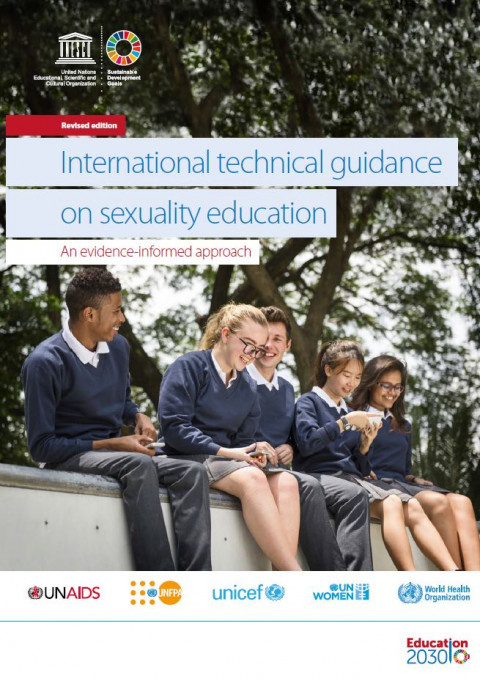 International Technical Guidance on Sexuality Education: An Evidence-Informed Approach Año de publicación: 2018 Autor corporativo: Joint United Nations Programme on HIV/AIDS (UNAIDS) | United Nations Population Fund (UNFPA) | United Nations Children's Fund (UNICEF) | United Nations Entity for Gender Equality and the Empowerment of Women (UN Women) | World Health Organization (WHO) The UN International technical guidance on sexuality education was first published in 2009 as an evidence-informed approach for schools, teachers and health educators.Recognizing the dynamic shifts in the field of sexuality education that have occurred since then, an expanded group of UN co-publishing partners has reviewed and updated the content to respond appropriately to the contemporary needs of young learners, and to provide support for education systems and practitioners seeking to address those needs. The International technical guidance on sexuality education (revised edition) provides sound technical advice on the characteristics of effective comprehensive sexuality education (CSE) programmes; a recommended set of topics and learning objectives that should be covered in comprehensive sexuality education; and, recommendations for planning, delivering and monitoring effective CSE programmes. This revised edition of the Guidance reaffirms the position of sexuality education within a framework of human rights and gender equality, and promotes structured learning about sex and relationships in a manner that is positive, affirming, and centred on the best interests of the young person. It is based on a review of the latest evidence and lessons-learned from implementing CSE programmes across the globe. The revised Guidance reflects the contribution of sexuality education to the realization of multiple Sustainable Development Goals, notably Goal 3 on good health and well-being for all, Goal 4 on quality education for all, and Goal 5 to achieve gender equality.
 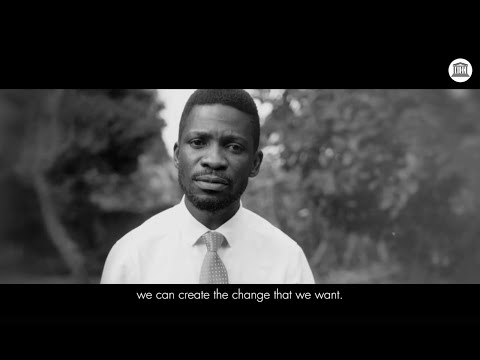 United Against Racism Año de publicación: 2020 Autor corporativo: UNESCO We all can do something against racism. You too. Join UNESCO and leading personalities from all over the world in denouncing mounting racial discrimination.This video features messages by the following prominent women and men from the worlds of cinema, the media, music, sport and science alongside UNESCO Director-General Audrey Azoulay: Charlotte Gainsbourg, Freida Pinto, Naomi Campbell, UNESCO Goodwill Ambassador Jean-Michel Jarre, UNESCO Artist for Peace Marcus Miller, Jorge Ramos, UNESCO Goodwill Ambassador Yalitza Aparicio, Rossy de Palma, UNESCO Goodwill Ambassador Sumaya bint Al Hassan, Bobi Wine, UNESCO Goodwill Ambassador Herbie Hancock, UNESCO Goodwill Ambassador Forest Whitaker, UNESCO Champion for Girls’ and Women’s Education Nadia Nadim, Amadou Gallo Fall, Ada Hegerberg and UNESCO Artist for Peace Gilberto Gil.UNESCO has been on the forefront of the fight against racism since its creation in 1945. In 1978, it adopted the Declaration on Race and Racial Prejudice which reaffirms that “All human beings belong to a single species and are descended from a common stock. They are born equal in dignity and rights and all an integral part of humanity.”Learn more: Fight against Racism and Discrimination
 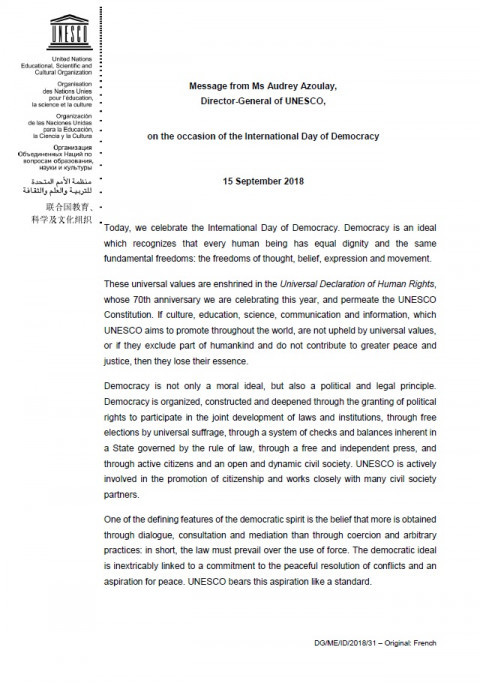 Message from Ms Audrey Azoulay, Director-General of UNESCO, on the occasion of International Day of Democracy, 15 September 2018 Año de publicación: 2018 Autor corporativo: UNESCO. Director-General, 2017-2025 (Azoulay, A.) This message was delivered by Audrey Azoulay, Director-General of UNESCO, on the occasion of the International Day of Democracy, on 15 September 2018. 联合国教科文组织总干事奥德蕾·阿祖莱 国际民主日致辞 Año de publicación: 2018 Autor corporativo: UNESCO. Director-General, 2017-2025 (Azoulay, A.) 2018年9月15日,联合国教科文组织总干事奥德蕾·阿祖莱国际民主日致辞