
Recursos
Exploren una amplia gama de recursos valiosos en GCED para profundizar su comprensión y promover su búsqueda, incidencia, enseñanza y aprendizaje.
518 resultados encontrados
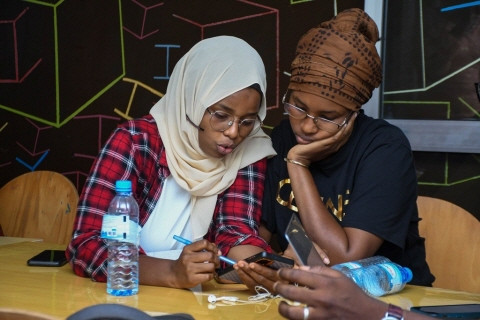 Fighting Against Disinformation and Hate Speech Año de publicación: 2024 Autor corporativo: Association of Guinean Bloggers (ABLOGUI) This online MOOC is completely free. It is offered by the Association des Blogueurs de Guinée (ABLOGUI) through the IMPACT project (Implication of Digital Media in the Active Prevention of Conflicts and Tensions). It aims at raising awareness among young Guineans of the dangers of misinformation and hate speech, and to equip them with the knowledge and skills they need to combat information disorder in a digital world. Lutte contre la désinformation et les propos haineux Año de publicación: 2024 Autor corporativo: Association of Guinean Bloggers (ABLOGUI) Ce MOOC en ligne est entièrement gratuit. Il est proposé par l'Association des Blogueurs de Guinée (ABLOGUI) dans le cadre du projet IMPACT (Implication des médias numériques dans la prévention active des conflits et des tensions). Il vise à sensibiliser les jeunes Guinéens aux dangers de la désinformation et des discours de haine, et à les doter des connaissances et des compétences nécessaires pour lutter contre le désordre de l'information dans un monde numérique.
 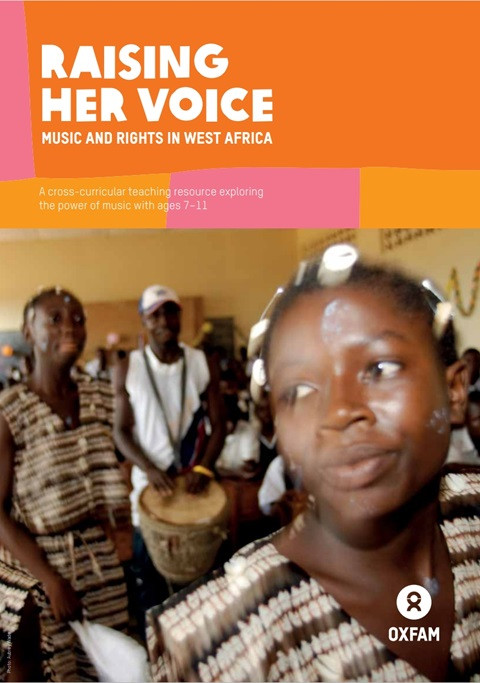 Raising Her Voice: Music and Rights in West Africa Autor corporativo: Oxfam GB Investigate the power of music with these classroom activities for ages 7-11. Focusing on West Africa, this teaching resource will guide learners through an exploration of aspects of the culture, history and experiences of people in Benin, Mali and Senegal, and of how music can be used to express people's voices. These activities could be used alongside the Raising our Voices education resource.
 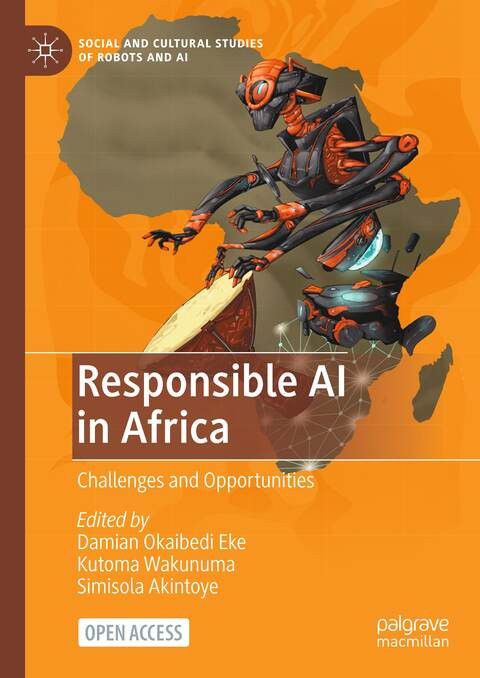 Responsible AI in Africa: Challenges and Opportunities Año de publicación: 2023 Autor corporativo: Palgrave Macmillan This open access book contributes to the discourse of Responsible Artificial Intelligence (AI) from an African perspective. It is a unique collection that brings together prominent AI scholars to discuss AI ethics from theoretical and practical African perspectives and makes a case for African values, interests, expectations and principles to underpin the design, development and deployment (DDD) of AI in Africa. The book is a first in that it pays attention to the socio-cultural contexts of Responsible AI that is sensitive to African cultures and societies. It makes an important contribution to the global AI ethics discourse that often neglects AI narratives from Africa despite growing evidence of DDD in many domains. Nine original contributions provide useful insights to advance the understanding and implementation of Responsible AI in Africa, including discussions on epistemic injustice of global AI ethics, opportunities and challenges, an examination of AI co-bots and chatbots in anAfrican work space, gender and AI, a consideration of African philosophies such as Ubuntu in the application of AI, African AI policy, and a look towards a future of Responsible AI in Africa.
 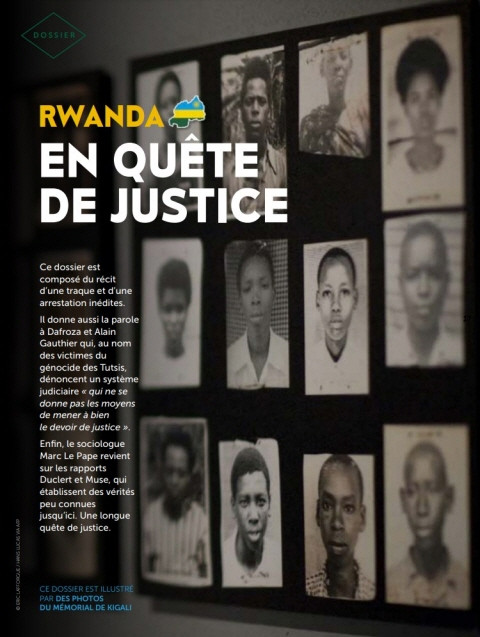 Rwanda: In Search of Justice(Humains; no.30) Año de publicación: 2024 Autor corporativo: Action by Christians for the Abolition of Torture (ACAT France) On the thirtieth anniversary of the genocide of the Tutsis in Rwanda, ACAT-France looks back at this tragic event for human rights. Discover the dossier in the magazine Humains #32 devoted to this subject. Rwanda: En quête de justice (Humains; n° 30) Año de publicación: 2024 Autor corporativo: Action by Christians for the Abolition of Torture (ACAT France) À l’occasion du trentième anniversaire du génocide des Tutsis au Rwanda, l’ACAT-France revient sur cet événement tragique pour les droits de l’Homme. Découvrez le dossier de la revue Humains #32 consacré à ce sujet.
 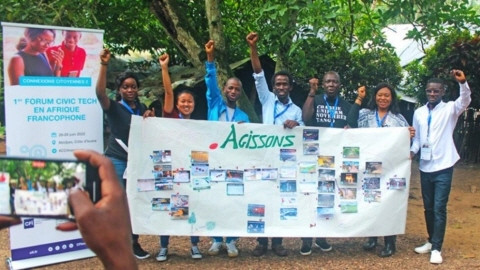 Civic Tech in Africa: When Citizen’s Connections Work for Democracy Año de publicación: 2022 Autor: Raphaëlle Constant Autor corporativo: Radio France International (RFI) The first civic tech forum in French-speaking Africa was held at the end of June in Abidjan, Côte d'Ivoire, at the initiative of CFI. For "L'atelier des médias", Raphaëlle Constant spoke to the people who are developing digital initiatives in several African countries to improve the flow of information and mobilise citizens to influence public debate. Civic tech en Afrique: Quand des connexions citoyennes œuvrent pour la démocratie Año de publicación: 2022 Autor: Raphaëlle Constant Autor corporativo: Radio France International (RFI) Le premier forum civic tech en Afrique francophone s’est tenu fin juin à Abidjan, en Côte d’Ivoire, à l'initiative de CFI. Pour L’atelier des médias, Raphaëlle Constant y a tendu son micro à celles et ceux qui développent des initiatives numériques dans plusieurs pays africains pour améliorer la circulation de l’information et déclencher des mobilisations citoyennes pour peser dans le débat public.
 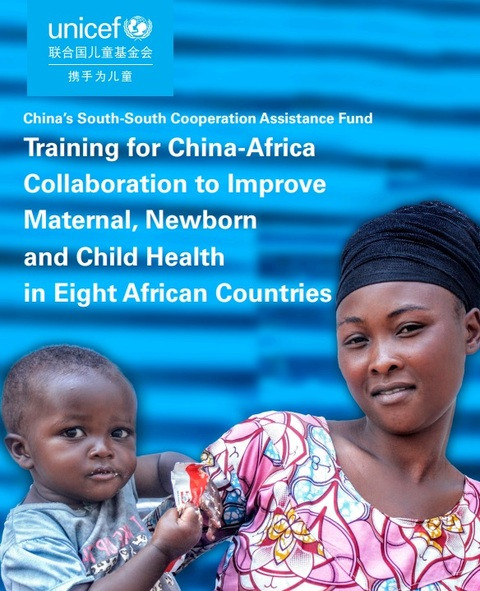 Training to Improve Maternal, Newborn and Child Health in Eight African Countries Año de publicación: 2022 Autor corporativo: UNICEF China This document presents a description of a training program provided by China to improve maternal, newborn, and child health in eight African countries, including training objectives, curriculum design, and rubrics, and summarizes experiences and challenges. 改善非洲八国孕产妇、新生儿和儿童健康培训中国南南合作援助基金支持项目 Año de publicación: 2022 Autor corporativo: UNICEF China 本文介绍了中国为改善非洲八个国家孕产妇、新生儿和儿童健康所开展的培训项目介绍,包括目标、课程设计、评语等内容,并总结了经验与挑战。