
Recursos
Exploren una amplia gama de recursos valiosos en GCED para profundizar su comprensión y promover su búsqueda, incidencia, enseñanza y aprendizaje.
1,725 resultados encontrados
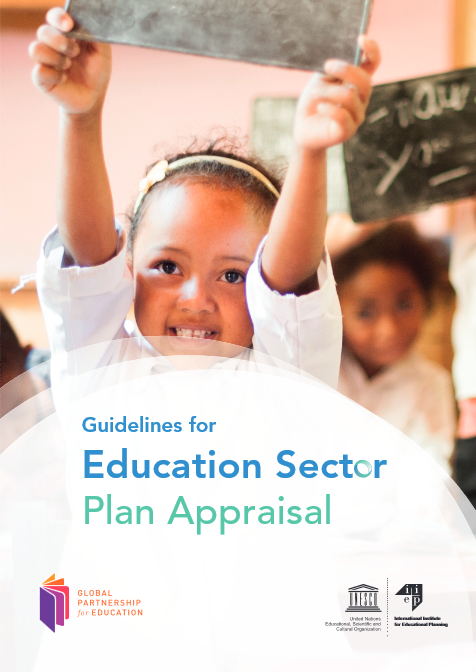 Guidelines for education sector plan appraisal (prs) Año de publicación: 2015 Autor corporativo: UNESCO International Institute for Educational Planning (IIEP) | Global Partnership for Education (GPE) مشارکت جهانی برای تعلیم و تربیهیگانه تفاهمنامه چند جانبه جهانی است که جهت فراخواندن تمام اطفال در مکاتب با کیفیت وقف گردیده است. مشارکت جهانی برای تعلیم و تربیه حدودأ شامل دولت 60کشور رو به ترقی و همچنان کشور های حمایت کننده،نهاد های جامعه مدنی، نهاد های بین المللی، اتحادیه های خصوصی و معلمان، و سکتور خصوصی میباشد. این مشارکت منابع مالی را جهت حمایت انکشاف و تطبیق پلان های استراتیژیک با کیفیت در فقیر ترین کشور های جهان میباشد.مشارکت جهانی برای تعلیم و تربیه رهبری های ملی و بین المللی را دور هم جمع می نماید تا از آموزش هر طفل در یک فضای مصئون و مؤثر آموزشی حمایت گردد. با حمایت برنامه های انکشافی جهت رسیدن به اهداف تعلیمی یک کشور، مانند تساوی جنسیتی، نتایج با کیفیت آموزشی، و دسترسی همگانی به مکاتب ابتدائیه، مشارکت جهانی تعلیم وتربیه تضمین می کند که به قدر کافی در تعلیم و تربیه سرمایه گذاری میشود. ما از بهبود رسیدن به نتایج آموزشی از طریق گردهم آوردن شرکا میان هم تا پلان های استراتیژیک با کیفیت را ترتیبنمایند، از طریق سرمایه گذاری بالای بخش های مهم استراتیژیکی و نیازمند بودجه پلان استراتیژیک کشور ها و از طریق بسیج نمودن شرکای داخلی در کشور ها تا از مزیت نسبی شان استفاد بتوانند حمایت نموده ایم.مشارکت جهانی برای تعلیم و تربیه در دهه گذشته مبلغ 3.9میلیارد دالر را برای حمایت اصلاحات در تعلیم و تربیه بعضی فقیر ترین کشور های جهان تخصیص داده است. در سال 2014تقریبأ نیم از این سرمایه گذاری به کشور های نا امن و متاثر از جنگ داده شد.
  Guide pour l'évaluation d'un plan sectoriel d'éducation Año de publicación: 2015 Autor corporativo: UNESCO International Institute for Educational Planning (IIEP) | Global Partnership for Education (GPE) At the World Education Forum, in Dakar in 2000, the international community pledged that no country with a credible plan to achieve the Education for All goals would be thwarted by a lack of resources. Since then, the development of an education sector plan (ESP) has become a priority in many countries. ESPs present the policies and strategies for national education reform, and are a powerful tool for coordinating partners and for mobilizing additional domestic and external resources. They have become a critical instrument for governments to signal to all potential investors that their education policies are credible, sustainable, and worthy of investment.The consensus on the need for credible ESPs is strong. However, what does a credible plan require in terms of government leadership, knowledge and data, institutional and human capacities, and dialogue among the education stakeholders? What are the criteria that establish the credibility of a plan? The purpose of these guidelines is to assist education stakeholders in appraising the soundness, relevance, and coherence that form the credibility of ESPs. The primary objective of an appraisal report is to support the finalization of a credible ESP. It provides a fair review of the ESP strengths and areas in need of improvement before the endorsement by partners which signifies their commitment to support the implementation of the ESP. These guidelines are meant to be adapted to national contexts and needs. The stakeholders should discuss the scope and the methodology of the appraisal to be used, and develop a common vision of the whole process. The appraisal process should be participatory, and grounded in the political and technical dialogue for ESP development. It should involve consultations, interviews with key stakeholders, and field visits, in addition to a desk review of the ESP and any other relevant documents. It is good practice to organize a validation workshop of the appraisal report’s findings, conclusions, and recommendations to feed into the ESP finalization. The appraisal process should occur early enough in the ESP development process to allow time for decision-makers to open consultations on these conclusions and recommendations in order to improve the final version of the ESP. Global education in Austria Autor corporativo: North-South Centre of the Council of Europe This National Report on Global Education in Austria is part of the European Global Education Peer Review Process, which was initiated in 2002 with the purpose of increasing and improving global education in Council of Europe member states. This report is the culmination of a peer review process led by an international peer review team. Through research and interviews with key stakeholders, information was gathered and critical perspectives developed about the current state of, and the future prospects for, global education in Austria. This year–long process, facilitated by the North-South Centre of the Council of Europe, was developed in partnership with the Austrian Strategy Group for Global Education as the national counterpart in the process. It involved the Ministry of Foreign Affairs, the Ministry of Education, the Austrian Development Agency (ADA), KommEnt, and the NGO and academic communities.This Peer Review report recognises the relatively strong tradition of global education in Austria. Austrian support for GE is reflected in the range of committed organisations involved in GE, and the many initiatives and projects in the formal and non-formal education sectors, and in civil society. Chapter 1 below provides an introduction to the report and the process generally. Chapter 2 outlines the context of global education in Austria. Chapter 3 examines global education in the formal education sector. Chapter 4 focuses on the important and varied work taking place in non-formal education, civil society organisations and other sectors in this field. Chapter 5 provides, in summary fashion, an outline of the key observations and recommendations of the Peer Review. Education for citizenship and coexistence: reference document Año de publicación: 2014 Autor: Iván Fernández Lefort Autor corporativo: Bogotá. District Secretariat of Education | Proyecto Educación para la Ciudadanía y la Convivencia (PECC) The Secretariat of Education of Bogotá has established education for citizenship and coexistence as one of the main topics of the Educative Sector Plan. The purpose is to strengthen the participatory, democratic and convivial processes that are developed at public schools. Therefore, the Secretariat of Education of Bogotá has created the Education for Citizenship and Civic Coexistence project. This document gathers the theoretical framework of citizenship and civic coexistence, orientated to the creation of curricula, learning communities and participatory spaces related to the development of civic capabilities that lead to a balance between academic knowledge and citizenship knowledge. It is mainly aimed for school managers, teachers and people interested in knowing the bases and orientations the project has, in order to be implemented at schools. Document Cadre: éducation à la citoyenneté et de la coexistence Año de publicación: 2014 Autor: Iván Fernández Lefort Autor corporativo: Bogotá. District Secretariat of Education | Proyecto Educación para la Ciudadanía y la Convivencia (PECC) Le Secrétariat d'éducation de Bogotá a établi l'éducation pour la citoyenneté et la coexistence civique comme l'un des principaux thèmes du Plan sectoriel éducatif. Le but est de renforcer les processus participatifs, démocratiques et conviviaux qui sont développés dans les écoles publiques. Par conséquent, le Secrétariat à l'éducation de Bogotá a créé le projet Éducation pour la citoyenneté et la coexistence civique. Ce document rassemble le cadre théorique de la citoyenneté et de la coexistence civique, orienté vers la création de curricula, de communautés d'apprentissage et d'espaces participatifs liés au développement des capacités civiques qui mènent à un équilibre entre connaissances académiques et connaissances citoyennes. Il s'adresse principalement aux directeurs d'école, aux enseignants et aux personnes intéressées à connaître les bases et les orientations du projet, pour être mises en œuvre dans les écoles. Documento marco: educación para la ciudadanía y la convivencia Año de publicación: 2014 Autor: Iván Fernández Lefort Autor corporativo: Bogotá. District Secretariat of Education | Proyecto Educación para la Ciudadanía y la Convivencia (PECC) The Secretariat of Education of Bogotá has established education for citizenship and coexistence as one of the main topics of the Educative Sector Plan. The purpose is to strengthen the participatory, democratic and convivial processes that are developed at public schools. Therefore, the Secretariat of Education of Bogotá has created the Education for Citizenship and Civic Coexistence project. This document gathers the theoretical framework of citizenship and civic coexistence, orientated to the creation of curricula, learning communities and participatory spaces related to the development of civic capabilities that lead to a balance between academic knowledge and citizenship knowledge. It is mainly aimed for school managers, teachers and people interested in knowing the bases and orientations the project has, in order to be implemented at schools. Educational guideline: education for citizenship and coexistence Año de publicación: 2014 Autor: Adriana Carrillo Monsalve | Lizbeth Guerrero Cuan | Katherine Porras Torrent | Rigoberto Solano Salinas | Yudy Velásquez Hoyos Autor corporativo: Bogotá. District Secretariat of Education | Proyecto Educación para la Ciudadanía y la Convivencia (PECC) This document contains the pedagogical principles that make the Education for Citizenship and Civic Coexistence not just a project, rather a proposal of an education policy sustained in the transformation of society, human welfare and the development of citizenship skills. Therefore, it is directed mainly to School Directors, coordinators, educational mediators and facilitators of Citizenship and Civic Coexistence, who wish to start the processes of strengthening citizen capabilities in their educational communities. In this document you can find what we have called the Learning Citizenship Path, a pedagogical tool that identifies learning in citizenship for each of the educational cycles in three dimensions -Individual, Societal, systemic- This Learning Citizenship Path facilitates the curricular integration of citizenship learning in a pedagogical and practical framework, with transversal projects and educational practices, taking into account citizenship skills and new knowledge. Planning education with and for youth Año de publicación: 2015 Autor: Anja Hopma | Lynne Sergeant Autor corporativo: UNESCO International Institute for Educational Planning (IIEP) As a central stakeholder in education, young people should be involved in educational planning. This publication focuses on the rationale for and obstacles to youth involvement, as well as the efforts of ministries of education to engage youth in their planning work. It is based on discussions and recommendations that emerged from the high-level international policy forum on ‘Engaging youth in planning education for social transformation’ organized by the UNESCO International Institute for Educational Planning (IIEP) in Paris from 16 to 18 October 2012. This policy forum set out to explore the following broad themes: (i) youth engagement in planning education for conflict transformation and peace building; (ii) strengthening young people’s skills and opportunities for civic engagement within formal and non-formal education systems; and (iii) enhancing the relevance of education systems for young people in their transition to employment. This publication draws on the exchanges during the pre-forum online debates, discussions among participants during the forum, and testimonials from practitioners and youth. Planifier l'éducation avec et pour les jeunes Año de publicación: 2015 Autor: Anja Hopma | Lynne Sergeant Autor corporativo: UNESCO International Institute for Educational Planning (IIEP) En tant que partie prenante centrale dans l'éducation, les jeunes doivent être impliqués dans la planification de l'éducation. Cette publication met l'aCECnt sur les raisons et les obstacles à la participation des jeunes, ainsi que les efforts des ministères de l'éducation pour engager les jeunes dans leur travail de planification. Il est basé sur des discussions et des recommandations issues du forum de politique internationale de haut niveau sur «Engager les jeunes dans l'enseignement de la planification pour la transformation sociale» organisé par l'Institut international de l'UNESCO pour la planification de l'éducation (IIPE) à Paris du 16 au 18 Octobre 2012. Cette forum politique a entrepris d'explorer les grands thèmes suivants: (i) l'engagement des jeunes dans l'enseignement de la planification pour la transformation des conflits et de consolidation de la paix; (Ii) le renforcement des compétences et des possibilités d'engagement civique dans les systèmes formels et d'éducation non formelle des jeunes; et (iii) l'amélioration de la pertinence des systèmes d'éducation pour les jeunes dans leur transition vers l'emploi. Cette publication se fonde sur les échanges au cours de la pré-forum en ligne des débats, des discussions entre les participants lors du forum, et des témoignages de praticiens et les jeunes. Directrice Pédagogique: éducation à la citoyenneté et de la coexistence Año de publicación: 2014 Autor: Adriana Carrillo Monsalve | Lizbeth Guerrero Cuan | Katherine Porras Torrent | Rigoberto Solano Salinas | Yudy Velásquez Hoyos Autor corporativo: Bogotá. District Secretariat of Education | Proyecto Educación para la Ciudadanía y la Convivencia (PECC) Ce document contient les principes pédagogiques qui font de l'Education à la Citoyenneté et à la Coexistence Civique non seulement un projet, mais plutôt une proposition de politique éducative soutenue dans la transformation de la société, le bien-être humain et le développement des compétences citoyennes. Il s'adresse donc principalement aux directeurs d'écoles, aux coordonnateurs, aux médiateurs éducatifs et aux facilitateurs de la citoyenneté et de la coexistence civique, qui souhaitent commencer les processus de renforcement des capacités citoyennes dans leurs communautés éducatives. Dans ce document, vous pouvez trouver ce que nous avons appelé la voie de l'apprentissage de la citoyenneté, un outil pédagogique qui identifie l'apprentissage dans la citoyenneté pour chacun des cycles éducatifs en trois dimensions - individuel, sociétal, systémique- Cette voie d'apprentissage citoyenneté facilite l'intégration curriculaire de l'apprentissage de la citoyenneté. Dans un cadre pédagogique et pratique, avec des projets transversaux et des pratiques éducatives, en tenant compte des compétences citoyennes et des nouvelles connaissances.