
Recursos
Exploren una amplia gama de recursos valiosos en GCED para profundizar su comprensión y promover su búsqueda, incidencia, enseñanza y aprendizaje.
2,199 resultados encontrados
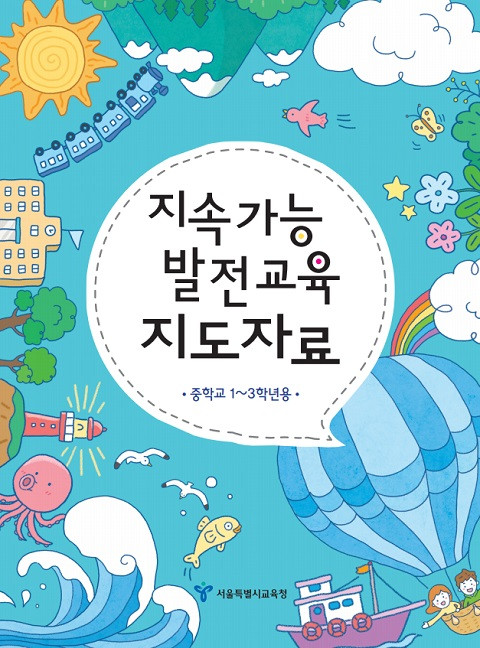 지속가능발전교육 지도자료: 중학교 1~3학년용 Año de publicación: 2020 Autor: 박성은 | 박에스더 | 승현아 | 은정매 | 이수종 | 전명재 | 정은경 Autor corporativo: 서울특별시교육청 본 자료는 중학생의 지속가능발전과 생태환경에 대한 인식을 제고하기 위해 학교 생태전환교육에 활용할 수 있다.
  2020 다문화교육 정책학교 운영 가이드라인: 초·중등 Año de publicación: 2020 Autor corporativo: 국가평생교육진흥원 본 자료는 다문화교육 정책학교 담당교원의 사업에 대한 이해를 제고하고 운영에 도움을 주고자 한다. 다문화교육 정책학교 운영 시 방향을 설정할 수 있는 가이드라인과 참고자료 및 현장의 다양한 운영사례 등을 제시하고 있다.
  어린이집 · 유치원 교사가 알아야 할 디지털 시민성과 교육 Año de publicación: 2019 Autor: 김양은 | 최숙 | 박상호 | 장준영 | 박정원 Autor corporativo: 방송통신위원회 | 한국정보화진흥원 본 자료는 어린이집, 유치원 교사가 아이들과 함께 디지털시민역량을 키워나가도록 개념, 해외사례, 교육자료 등을 소개하는 가이드북이다.
 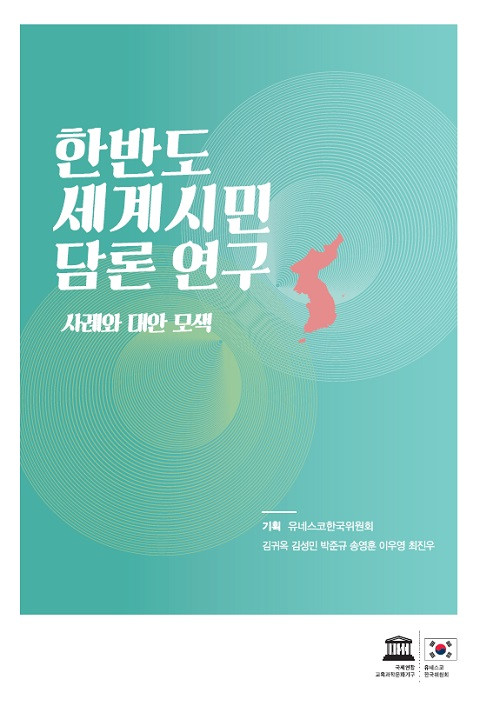 한반도 세계시민 담론 연구: 사례와 대안 모색 Año de publicación: 2020 Autor: 김귀옥 | 김성민 | 박준규 | 송영훈 | 이우영 | 최진우 Autor corporativo: 유네스코한국위원회 2019년에 이어 발간한 '한반도 세계시민 담론' 연구는 분단이라는 특수한 상황 속에서 점차 다문화사회로 변해가는 한국사회의 현실을 직시하면서 그 과정에서 세계시민을 어떻게 맥락화할지에 대한 구체적인 사례를 제시한다. 더불어, 세계시민으로서 확장된 정체성과 성숙한 시민 의식을 만들어 나가기 위한 연구와 제언을 담고 있다.
 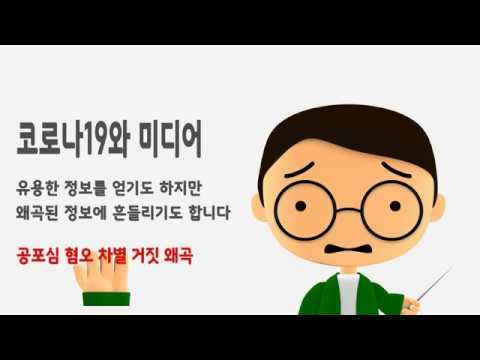 코로나19를 이겨내는 미디어 리터러시 백신 10가지 Año de publicación: 2020 Autor corporativo: 전국미디어리터러시교사협회 본 영상은 코로나19의 확산으로 그 어느 때보다 미디어 속 정보에 관심을 기울이기 되는 시기에 왜곡된 정보에 흔들리지 않도록 10가지 미디어 리터러시 방안을 소개한다.
 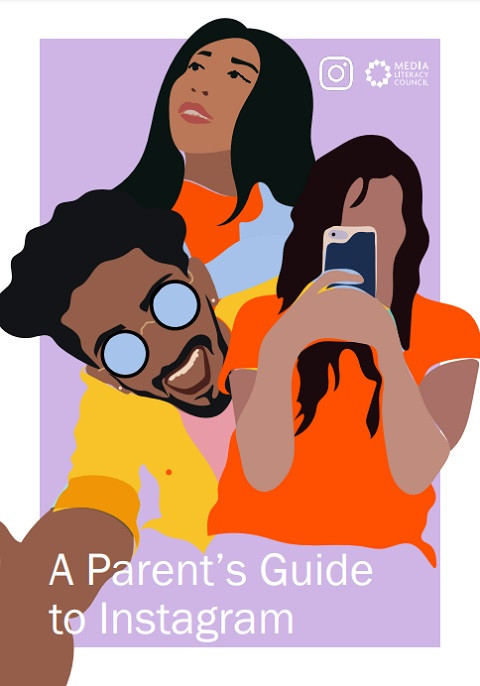 A Parent’s Guide to Instagram Año de publicación: 2021 Autor corporativo: Media Literacy Council (MLC) This parent’s guide to Instagram will help parents to update their digital literacy skills and get a better understanding of how social media platforms and their security features work.
 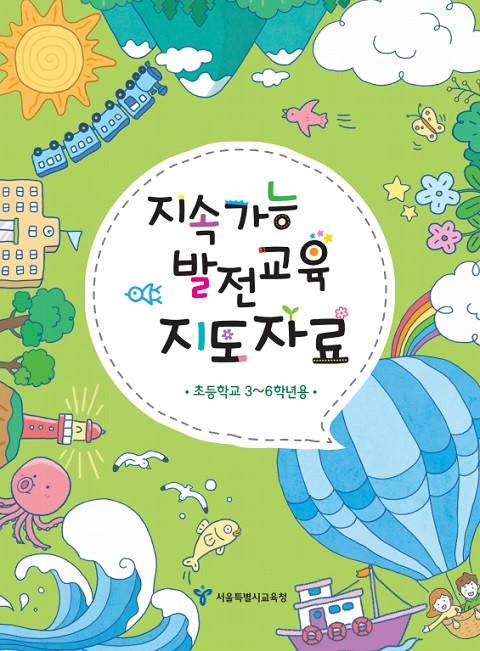 지속가능발전교육 지도자료: 초등학교 3~6학년용 Año de publicación: 2020 Autor: 고은미 | 김수양 | 박덕현 | 박혜림 | 이성희 | 이정미 Autor corporativo: 서울특별시교육청 본 자료는 초등학교 3학년~6학년의 지속가능발전과 생태환경에 대한 인식을 제고하기 위해 학교 생태전환교육에 활용할 수 있다.
  평화를 향한 유네스코의 역할 Año de publicación: 2019 Autor: 강인욱 | 김성해 | 김지현 | 성지은 | 유성상 | 조동준 | 최동주 | 한경구 Autor corporativo: 유네스코한국위원회 평화를 위한 유네스코의 국제적인 지적 협력 활동은 교육과 문화 분야에서는 상당한 가시적 성과를 거두었다. 이 과정에서 문제점도 발견되고 한계도 드러나고 정치화되었다는 비판도 받았지만, 교육과 문화의 영역에서 유네스코는 국제적 협력과 활동의 방향을 설정하거나 논의를 주도하고 이끌어가는 모습을 보이고 있다.유네스코가 평화를 위한 기구이면서도 평화와 관련하여 폭넓고 다양하며 깊이 있는 새로운 연구와 실천을 적극적으로 주도하지 못한 것은, 냉전이라는 국제정치적 요인을 감안하더라도 매우 안타까운 일이다. 유네스코는 평화를 위하여 만들어진 국제기구이면서도 전후에 평화와 관련된 학술적 논의와 이론의 발전을 주도하지 못했다. ‘평화의 문화’ 개념이 처음 언급된 것은 1989년 코트디브아르에서였고, 1997년이 되어서야 유네스코가 ‘Toward a Culture of Peace Program 을 시작하였으며, 유엔총회가 2000 년을 ‘평화의 문화의 해로 선언했다.유네스코의 이러한 상황은 한국이 보다 적극적인 역할을 할 기회를 제공한다. 한국은 과거 와 같이 기회가 있을 때마다 국위를 선양하는 수준의 상황추수적(狀況追隨的) 대응에 매몰되거나, 좁은 시야로 단기적 국익을 추구하는 소극적인 입장을 탈피할 필요가 있다. 오히려 대국적 견지에서 세계 평화와 인류의 행복이라는 지구 공동체(Global Community) 전체의 이익을 중시하고, 이틀 장기적 국가이익과 동일시하며, 이에 상응하는 재정 부담을 감수함으로써 세계시민권력(Global Citizenship Power)을 추구하면서 국제적 지위의 향상과 도덕적 지도력을 증대 시킬 수 있을 것이다.
  IEA 국제시민 교육연구의 초기 결과 Año de publicación: 2010 Autor: Wolfram Schulz | John Ainley | Julian Fraillon | David Kerr | Bruno Losito Autor corporativo: International Association for the Evaluation of Educational Achievement (IEA) 국제시민교육연구(ICCS)는 시민으로서 자신의 역할을 수행하기 위해서 국가가 그들의 젊은이들을 준비시키는 방법에 대한 연구를 하였다. 여기에서는 학생들의 태도와 인식, 그리고 시민의식 및 시민권과 관련된 그들의 활동과 더불어 학생들의 시민의식과 시민권에 대한 이해와 지식에 대한 조사를 하였다. 또한, 시민교육의 결과와 관련된 국가 간의 차이를 조사하고, 그러한 차이가 학생의 특성, 학교 및 지역사회의 상황, 국가의 특성 사이에서 어떻게 다른가도 탐구하였다. 국제시민교육연구(ICCS)는 다음과 관련된 여섯 가지 연구 문제를 고려한다. 1. 시민 지식의 변화 2. 1999년 이래 교과 지식의 변화 3. 공적이고 정치적인 생활에 참여하는 것에 대한 학생의 관심도 및 실제적 이행 4. 시민 사회를 위협하는 것에 대한 인식 5. 시민교육과 관련된 교실과 학교, 교육 시스템의 특징 6. 시민교육의 결과와 관련된 학생의 배경 국제시민교육연구(ICCS)는 38개국 5,300개 이상의 학교에서 8학년(혹은 동급)의 14만면 이상의 학생들로부터 데이터를 수집하였다. 그리고 이 학생 데이터는 국립 연구 센터와 학교장이 수집한 상황별 데이터와 해당 학교 내 62,000명 이상의 교사들에 의해 증강되었다. 시민교육의 제공에 관한 다른 접근 방법은 국제시민교육연구(ICCS) 국가에서 분명히 드러났다. 이 접근 방식은 특정 주제를 가진 다른 과목과 연관된 콘텐츠를 통합하고, 상호 교육 과정을 테마로 하는 내용이 포함되어 있다. ICSS 38개국 중 21개 국가에서 그들의 교과 과정에 시민교육과 관련된 특정 주제를 포함시켰다. 시민교육은 사회, 지역 커뮤니티의 응집력, 다양성, 환경, 커뮤니케이션, 글로벌 사회와같은 새로운 주제 뿐만 아니라, 인권과 같은 정치적 개념의 이해와 지식을 포함한 폭넓은 범위의 주제도 아우르고 있다.
  Resultados iniciales del estudio Internacional de educación cívica y ciudadana de la IEA Año de publicación: 2010 Autor: Wolfram Schulz | John Ainley | Julian Fraillon | David Kerr | Bruno Losito Autor corporativo: International Association for the Evaluation of Educational Achievement (IEA) The International Civic and Citizenship Education Study (ICCS) studied the ways in which countries prepare their young people to undertake their roles as citizens. It investigated student knowledge and understanding of civics and citizenship as well as student attitudes, perceptions, and activities related to civics and citizenship. It also examined differences among countries in relation to these outcomes of civic and citizenship education, and it explored how differences among countries relate to student characteristics, school and community contexts, and national characteristics. ICCS considered six research questions concerned with the following:1. Variations in civic knowledge;2. Changes in content knowledge since 1999;3. Student interest in engaging in public and political life and their disposition to do so;4. Perceptions of threats to civil society;5. Features of education systems, schools, and classrooms related to civic and citizenship education; and6. Aspects of student background related to the outcomes of civic and citizenship education.ICCS gathered data from more than 140,000 Grade 8 (or equivalent) students in over 5,300 schools from 38 countries. These student data were augmented by data from more than 62,000 teachers in those schools and by contextual data collected from school principals and the study’s national research centers. Different approaches to provision of civic and citizenship education were evident in the ICCS countries. These approaches included having a specific subject, integrating relevant content into other subjects, and including content as a cross-curricular theme. Twenty-one of the 38 countries in ICCS included a specific subject concerned with civic and citizenship education in their curriculum. Civic and citizenship education covered a wide range of topics, including knowledge and understanding of political institutions and concepts, such as human rights, as well as newer topics covering social and community cohesion, diversity, the environment, communications, and global society.