
Recursos
Exploren una amplia gama de recursos valiosos en GCED para profundizar su comprensión y promover su búsqueda, incidencia, enseñanza y aprendizaje.
518 resultados encontrados
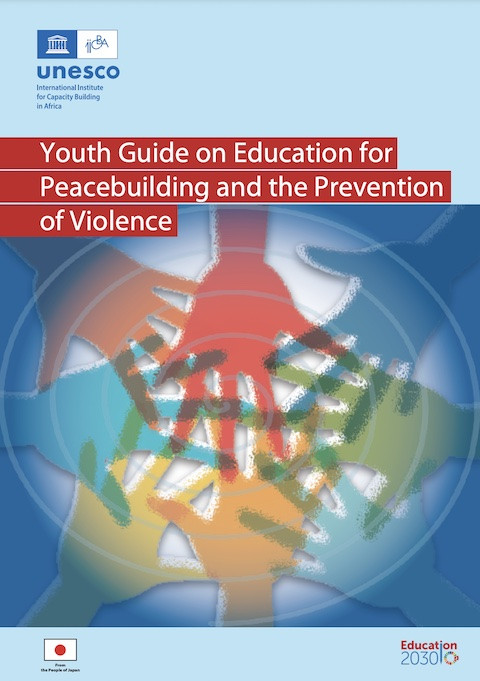 Youth Guide on Education for Peacebuilding and the Prevention of Violence Año de publicación: 2022 Autor corporativo: UNESCO International Institute for Capacity-Building in Africa (IICBA) This publication is a training guide for the youth in both formal or non-formal education. It is a resource to work with children and young people in various settings, including schools, non-formal educational program, community activities and other settings. The goal of the training guide is therefore the youth to become a facilitator with the disposition, knowledge, skills and commitment to support other youth in developing their full potential as peace-builders. It provides a foundation of conflict analysis, peacebuilding and describes a learner centered approach to peace education and community engagement. Guide jeunesse sur l’éducation pour la consolidation de la paix et de la prévention de la violence Año de publicación: 2022 Autor corporativo: UNESCO International Institute for Capacity-Building in Africa (IICBA) Cette publication est un guide de formation pour les jeunes de l’éducation formelle ou non formelle. Il s’agit d’une ressource pour travailler avec les enfants et les jeunes dans différents contextes, notamment dans les écoles, les programmes d’éducation non formelle, les activités communautaires et autres. L’objectif de ce guide de formation est donc de permettre aux jeunes de devenir des animateurs dotés de la disposition, des connaissances, des compétences et de l’engagement nécessaires pour aider d’autres jeunes à développer pleinement leur potentiel de bâtisseurs de paix. Il fournit les bases de l’analyse des conflits et de la construction de la paix et décrit une approache de l’éducation à la paix et de l’engagement communautaire centrée sur l’apprenant.
 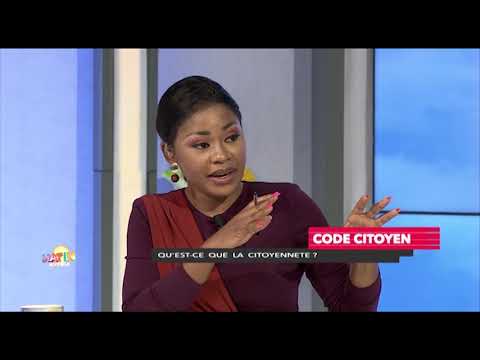 Citizen Code: What Is Citizenship? Año de publicación: 2020 Autor corporativo: Radiodiffusion télévision ivoirienne (RTI) This is a video on citizenship in Ivory Coast. The discussion was focused on the values, actions, and ideas related to active citizenship. Citizen code: Qu'est ce que la citoyenneté? Año de publicación: 2020 Autor corporativo: Radiodiffusion télévision ivoirienne (RTI) Il s'agit d'une vidéo sur la citoyenneté en Côte d'Ivoire. La discussion s'est centralisée sur les valeurs, les actions et les idées autour d'une citoyenneté active.
 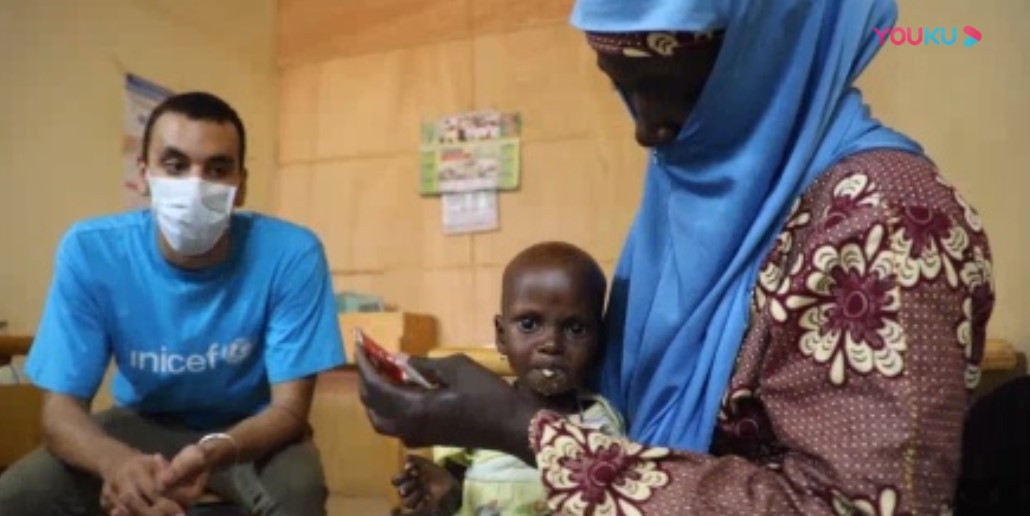 How a Peanut Became a Life-Saving Treatment for Children Año de publicación: 2021 Autor corporativo: 联合国儿童基金会 This video presents UNICEF's initiative to address child malnutrition in Niger, Africa. 环球虚拟差旅:一粒粒花生如何变成拯救儿童生命的治疗 Año de publicación: 2021 Autor corporativo: 联合国儿童基金会 本视频介绍了联合国儿童基金会针对解决儿童营养不良在非洲尼日尔开展的举措。
 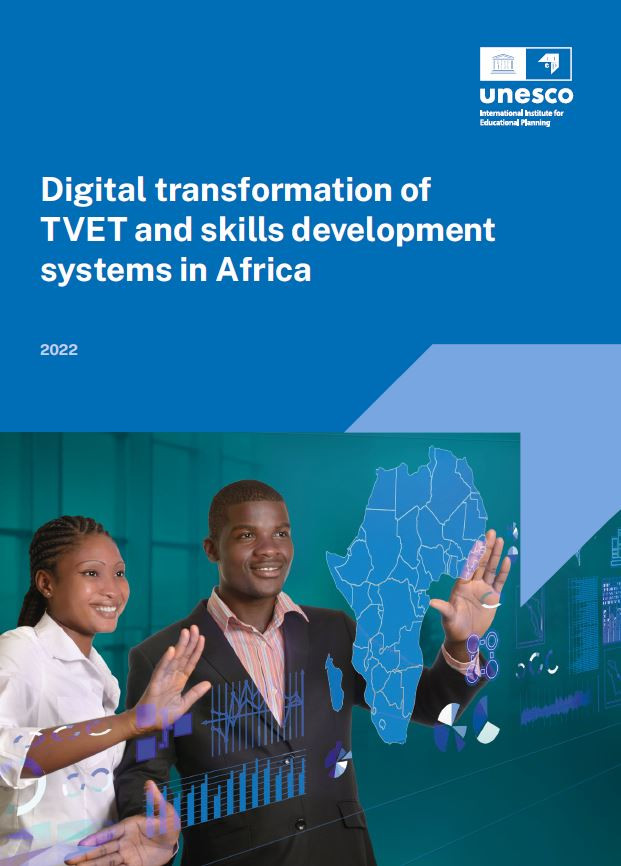 Digital Transformation of TVET and Skills Development Systems in Africa: State of Play and Prospects Año de publicación: 2022 Autor corporativo: UNESCO IIEP Regional Office for Africa This publication, produced by SOFRECO at the request of IIEP-UNESCO, takes stock of the digitalization of technical and vocational education and training (TVET) in Africa based on a sample of five countries (Madagascar, Nigeria, Rwanda, Tunisia and Chad). This report describes the systems in these five countries that provide the population with access not only to digital tools but also to the skills that will enable everyone to use digital technology.
 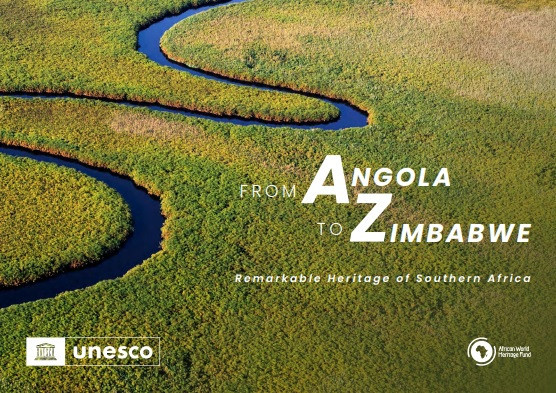 From Angola to Zimbabwe: remarkable heritage of Southern Africa Año de publicación: 2022 Autor corporativo: UNESCO Harare | African World Heritage Fund A celebration of Southern Africa’s rich and diverse heritageToday, Southern Africa’s diverse heritage faces a rising number of challenges which need to be addressed, including climate change, natural disasters, conflicts, urban development and tourism pressures. The region currently has 42 World Heritage sites and 24 Living Heritage elements inscribed on the UNESCO World Heritage and Intangible Cultural Heritage Lists, making it a vibrantly rich home to cultural diversity and human creativity. However, more work needs to be done to further recognize the value of Southern Africa’s multifaceted heritage and enhance its protection in the face of increasing threats.World Heritage sites in the region continue to play an essential role in the lives of the communities who live in and around them, as they constitute a source of pride, history and knowledge, a powerful driver of local economic development, and a vital resource for reconciliation, social integration and sustainable peace. Similarly, Southern Africa’s living heritage elements provide communities with a strong sense of identity and help create a favorable environment for nurturing cultural diversity and human creativity.Inviting you on a journey of discovery from Angola’s Mbanza Kongo to Zimbabwe’s Mbende Jerusarema dance, this publication provides a new outlook on the exceptional heritage that can be found in the countries of the Southern African Development Community region and emphasizes the need for its long-term protection and safeguarding as a shared responsibility.
 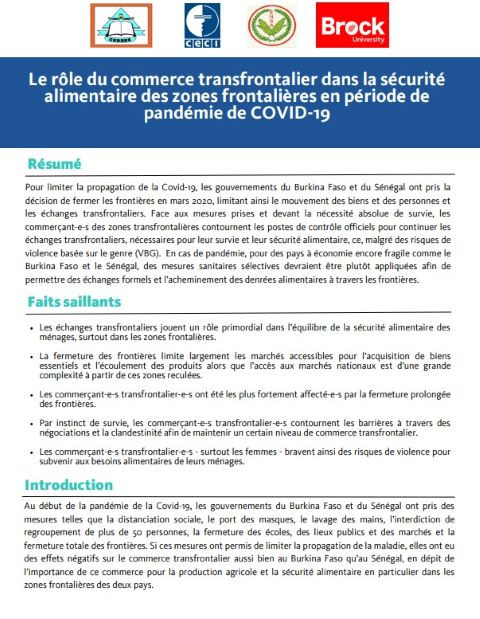 Advocacy Note: The Role of Cross-Border Trade in Security Food in Border Areas During Periods of COVID-19 Pandemic Año de publicación: 2022 Autor corporativo: Centre for International Cooperation and Study (CECI) The Role of Cross-Border Trade in Security food in border areas during periods of COVID-19 pandemic To limit the spread of Covid-19, the governments of Burkina Faso and Senegal have decided to close the borders in March 2020, thus limiting the movement of goods and people and cross-border exchanges. Faced with the measures taken and faced with the absolute necessity of survival, the Traders in cross-border areas bypass official checkpoints to continue trade. cross-border exchanges, necessary for their survival and food security, despite the risks of gender-based violence (GBV). In the event of a pandemic, for countries with still fragile economies such as Burkina Faso and Senegal, selective sanitary measures should rather be applied to enable formal trade and the movement of food across borders. Le rôle du commerce transfrontalier dans la sécurité alimentaire des zones frontalières en période de pandémie de COVID-19 Año de publicación: 2022 Autor corporativo: Centre for International Cooperation and Study (CECI) Le rôle du commerce transfrontalier dans la sécurité alimentaire des zones frontalières en période de pandémie de COVID-19 Pour limiter la propagation de la Covid-19, les gouvernements du Burkina Faso et du Sénégal ont pris la décision de fermer les frontières en mars 2020, limitant ainsi le mouvement des biens et des personnes et les échanges transfrontaliers. Face aux mesures prises et devant la nécessité absolue de survie, les commerçant-e-s des zones transfrontalières contournent les postes de contrôle officiels pour continuer les échanges transfrontaliers, nécessaires pour leur survie et leur sécurité alimentaire, ce, malgré des risques de violence basée sur le genre (VBG). En cas de pandémie, pour des pays à économie encore fragile comme le Burkina Faso et le Sénégal, des mesures sanitaires sélectives devraient être plutôt appliquées afin de permettre des échanges formels et l’acheminement des denrées alimentaires à travers les frontières.