
Recursos
Exploren una amplia gama de recursos valiosos en GCED para profundizar su comprensión y promover su búsqueda, incidencia, enseñanza y aprendizaje.
2,668 resultados encontrados
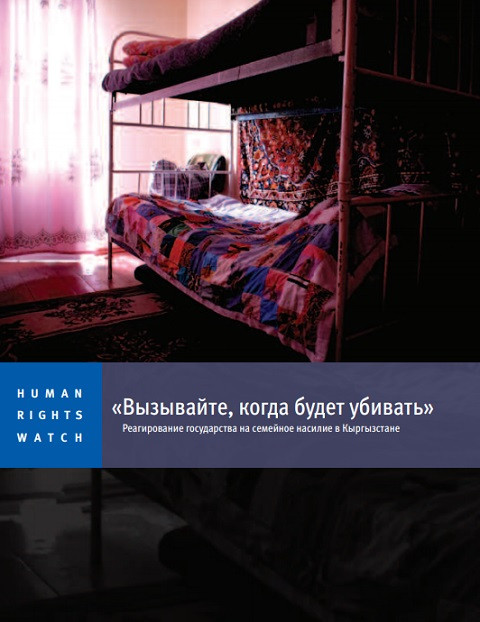 Вызывайте, когда будет убивать: Реагирование государства на семейное насилие в Кыргызстане Año de publicación: 2015 Autor corporativo: Human Rights Watch В этом докладе документировано необеспечение правительством Кыргызстана надлежащих услуг, защиты и средств правовой защиты пережившим семейное насилие. Доклад основан на материалах исследований, проводившихся Хьюман Райтс Вотч в ноябре – декабре 2014 г. в трех городах: Бишкеке и Нарыне на севере и Оше на юге страны. Дополнительные встречи и интервью проводились в Бишкеке в мае 2015 г. Отчет также содержит ряд рекомендаций правительству Кыргызстана.
  Reviews of National Policies for Education: Kazakhstan, Kyrgyz Republic and Tajikistan 2009; Students With Special Needs and Disabilities Año de publicación: 2009 Autor corporativo: Organisation for Economic Co-operation and Development (OECD) This OECD publication provides an overview of current education policies for children with special educational needs and disabilities in Kazakhstan, the Kyrgyz Republic and Tajikistan. Provides an idea of the socio-historical context, education systems and the corresponding legislation, critically analyzes the adopted views on access to education for the most vulnerable group of children in these countries. Particular attention is paid to political measures, aimed at ensuring inclusive education, procedures identification and assessment, overall coordination of educational service delivery, integration into the general education system, as well as best practices and the role of NGOs and community donors. Oбзор национальной политики в области образования: Казахстан, Кыргызская Pеспублика и Таджикистан 2009; Учащиеся с особыми потребностями и ограниченными возможностями Año de publicación: 2009 Autor corporativo: Organisation for Economic Co-operation and Development (OECD) В данной публикации ОЭСР предлагается обзор текущей образовательной политики в отношении детей с с особыми образовательными потребностями и ограниченными возможностями в Казахстане, Кыргызской Республике и Таджикистане. Дается представление о социальноисторическом контексте, системах образования и соответствующего законодательства, критически анализируются принятые взгляды на доступ к образованию для самой уязвимой группы детского населения в данных странах. Особое внимание уделяется политическим мерам, направленным на обеспечения инклюзивности образования, процедурам идентификации и оценки, общей координации предоставления образовательных услуг, интеграции в общеобразовательную систему, а также наиболее успешным практикам и роли НПO и общественных доноров.
 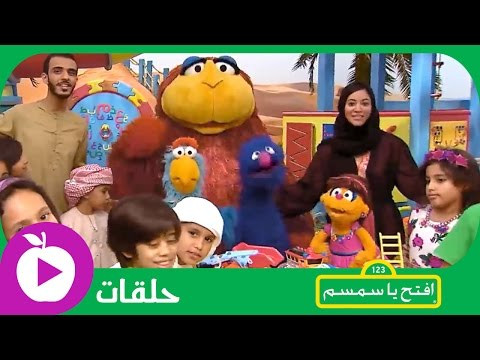 افتح يا سمسم: الجيران Año de publicación: 2015 Autor corporativo: Ahlan Simsim مقطع فيديو رائع يجسد أهمية المحبة بين الجيران، وأن الصحبة بينهم هي الأساس لحياة سعيدة مستدامة. Open Sesame: The Neighbors Año de publicación: 2015 Autor corporativo: Ahlan Simsim A wonderful video clip that captures the importance of love between neighbors, and that companionship between them is the basis for a happy, sustainable life.
 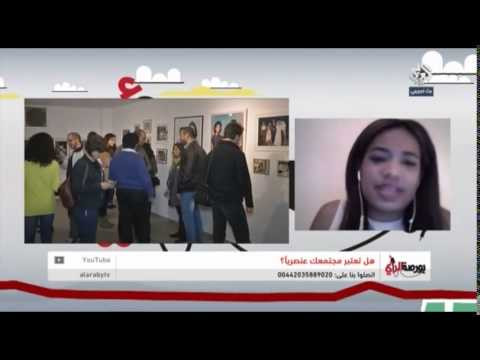 العنصرية ضد السود في الدول العربية - حلقة خاصة من برنامج بورصة الرأى Año de publicación: 2015 Autor corporativo: Alaraby TV يعرض هذا البرنامج التلفزيوني قضية العنصرية ضد السود في العالم العربي. يقوم البرنامج بمقابلة الناس حول هذه الحالة ومعرفة كيف ينظرون إلى القضية. Racism against Black People in Arab Countries: A Special Episode of the Stock Exchange Programme Año de publicación: 2015 Autor corporativo: Alaraby TV This TV program presents the issue of racism against black people in the Arab world. The program interviews people about this case and see how they look at the issue.
 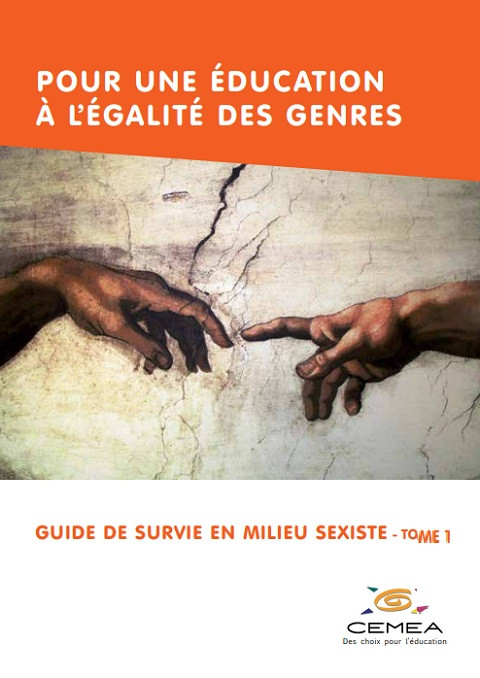 Pour une éducation à l’égalité des genres: Guide de survie en milieu sexiste Año de publicación: 2016 Autor corporativo: CEMÉA Belgique Cette publication vise à déconstruire les grands mythes utilisés pour légitimer les inégalités entre les femmes et les hommes, dans notre société.
  Peace Education: Making the Case Año de publicación: 2019 Autor: Darijn Dilia Zwart Autor corporativo: Quaker Council for European Affairs (QCEA) This publicaiton shows how peace education has responded to difficult political contexts over the decades and demonstrates that peace education is relevant to conflict prevention and peacebuilding today. The report makes the case for a multi-layered approach to peace education which requires a cohesive, coordinated strategy for peace education as a peacebuilding and conflict prevention tool across relevant EU internal and external policies and programmes.
 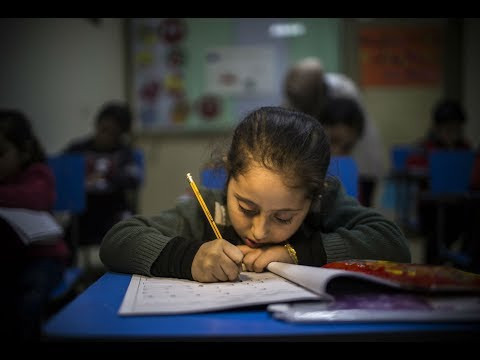 تعليم اللاجئين السوريين في الأردن.. عقبات مالية وتسرب مدرسي Año de publicación: 2019 Autor corporativo: Syria TV يناقش الفيديو قضية اللاجئين السوريين في الأردن. ما هي تحديات تعليم هؤلاء اللاجئين في الدولة المجاورة الأردن؟ ما هي جهود الاردن؟