
Recursos
Exploren una amplia gama de recursos valiosos en GCED para profundizar su comprensión y promover su búsqueda, incidencia, enseñanza y aprendizaje.
2,162 resultados encontrados
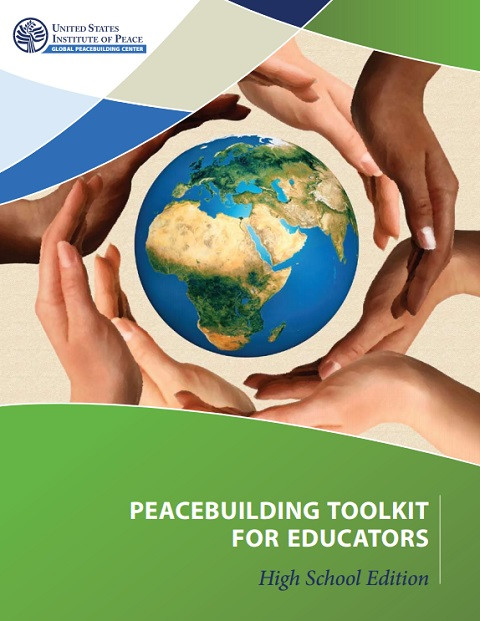 مجموعة أدوات بناء السلام للمعلمي: إصدار المدارس الثانوية Año de publicación: 2011 Autor: Alison Milofsky Autor corporativo: United States Institute of Peace (USIP) تم تصميم مجموعة أدوات بناء السلام للمعلمين بواسطة المعلمين ومن أجلهم للمساعدة على تطوير الجيل التالي من صناع السلام. ويتضمن الدان - واحد للمدارس المتوسطة وآخر للمدارس الثانوية - دروساً تفاعلية تطرح مواضيع ومهارات بناء السلام للطلبة في أعمار ١١-١٣ و١٤-١٨ عاماً على التوالي. تم تنظيم الدروس حول ثلاث أفكار أساسية في مجال إدارة النزاعات الدولية:• النزاع طبيعة متأصلة في الإنسان.• إمكانية منع النزاع العنيف.• هناك العديد من الطرق لتصبح صانع سلام. وتتضمن هذه الدروس، التي تقدم خططاً مفصلة للمعلمين حديثي العهد بالأساليب التفاعلية، نشرات ومواردللمعلمين وأنشطة إرشادية موجهة لتعليم الطلبة حول التحديات وأهمية بناء السلام العالمي. وتطور هذه الدروس مهارات الطلبة (مثل الاتصالات، وبناء العلاقات، وتحليل النزاعات، والتفاوض، والوساطة) وقدراتهم على القيام بدور بناة السلام في مجتمعاتهم وفي العالم الأكبر Peacebuilding Toolkit for Educators: High School Edition Año de publicación: 2011 Autor: Alison Milofsky Autor corporativo: United States Institute of Peace (USIP) The Peacebuilding Toolkit for Educators is designed by and for educators to help develop the next generation of peacebuilders. This book encompasses interactive lessons introducing peacebuilding themes and skills for students ages 14–18 respectively. The lessons are organized around three basic ideas within the field of international conflict management:• Conflict is an inherent part of the human condition.• Violent conflict can be prevented.• There are many ways to be a peacebuilder. Providing detailed plans for educators new to interactive methods, the lessons include handouts, teacher resources, and extension activities geared toward teaching students about the challenges and importance of global peacebuilding. These lessons develop students’ skills (such as communication, relationship building, conflict analysis, negotiation, and mediation) and their capacities to act as peacebuilders in their communities and in the greater world. Juego de herramientas para construir paz : Edición para educadores de la escuela secundaria (de 14 a 18 años) Año de publicación: 2011 Autor: Alison Milofsky Autor corporativo: United States Institute of Peace (USIP) El Juego de herramientas para construir paz ha sido diseñado por y para educadores con el fin de formar la próxima generación de constructores de paz. Las lecciones están organizadas en torno de tres ideas básicas dentro del campo del manejo de conflictos internacionales:• El conflicto es una parte inherente de la condición humana.• Los conflictos violentos pueden prevenirse.• Hay muchas maneras de ser un constructor de paz. Con el fin de proporcionar planes detallados para los educadores que aún no conocen los métodos interactivos, las lecciones incluyen material impreso, recursos para los profesores y actividades para ampliar cuyo fin es enseñar a los alumnos acerca de la importancia y las dificultades que entraña la construcción de paz a nivel mundial. Estas lecciones desarrollan las destrezas de los alumnos (como la comunicación, el afianzamiento de las relaciones, el análisis del conflicto, la negociación y la mediación) y sus capacidades para actuar como constructores de paz en sus comunidades y en el mundo. Boîte à outils pour le peacebuilding à l’intention des éducateurs : Édition pour les élèves de 14 à 18 ans Año de publicación: 2011 Autor: Alison Milofsky Autor corporativo: United States Institute of Peace (USIP) La Boîte à outils pour le peacebuilding a été conçue par et pour les éducateurs pour aider à former la génération suivante de peacebuilders.Les leçons s’articulent autour de trois idées fondamentales dans le domaine de la gestion des conflits internationaux :• Les conflits sont indissociables de la condition humaine.• Les conflits violents peuvent être évités.• Il existe de nombreuses manières de devenir un peacebuilder. Proposant des plans détaillés pour les éducateurs non encore initiés aux méthodes interactives, les leçons incluent des documents, des ressources pédagogiques et des activités complémentaires axés sur l’enseignement des défis et de l’importance du peacebuilding dans le monde aux élèves. Ces leçons renforcent les compétences des élèves (par ex. communication, établissement de relations, analyse de conflits, négotiation et médiation) et leurs capacités à assumer le rôle de peacebuilders dans leurs communautés et dans le monde au sens large.
 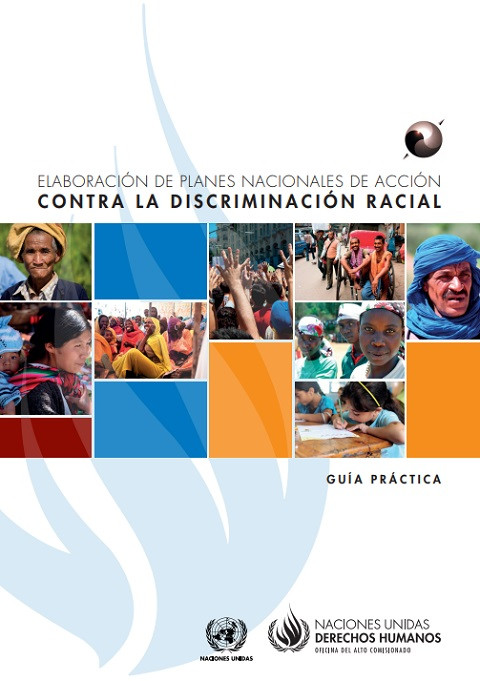 Elaboración de planes nacionales de acción contra la discriminación racial: Guía práctica Año de publicación: 2014 Autor corporativo: United Nations (UN) Esta publicación es una guía práctica para la elaboración de planes nacionales de acción contra la discriminación racial. Los planes nacionales de acción son la base para el desarrollo de una política pública integral contra la discriminación racial y por lo tanto pueden ayudar a los Estados a dar cumplimiento a sus obligaciones internacionales de derechos humanos relacionadas con la eliminación de la discriminación racial.
  Anti-Semitism in Europe up to 1945 (Vol 1) Autor corporativo: Anne Frank House | OSCE. Office for Democratic Institutions and Human Rights (ODIHR) These teaching materials were developed by ODIHR and the Anne Frank House in Amsterdam, in co-operation with experts from several OSCE participating States. Part 1 examines the history of anti-Semitism. The version available here is an English translation of the Lithuanian version. L'antisémitisme en Europe jusqu'en 1945 (Vol 1) Autor corporativo: Anne Frank House | OSCE. Office for Democratic Institutions and Human Rights (ODIHR) Ces matériels pédagogiques ont été élaborés par le BIDDH (Bureau des Institutions Démocratiques et des Droits de l'Homme) et la Maison d'Anne Frank à Amsterdam, en coopération avec des experts de plusieurs Etats participants de l'OSCE. Partie 1 examine l'histoire de l'antisémitisme. La version disponible ici est une traduction anglaise de la version lituanienne.
  L'utilisation des médias sociaux dans l'éducation de l'Holocauste Autor corporativo: International Holocaust Remembrance Alliance (IHRA) Les médias sociaux est une forme en pleine expansion de la communication et de la communauté dans notre monde et dans l'éducation plus spécifiquement. éducateurs Holocauste sont chargés de déterminer la meilleure façon d'utiliser cet outil dans leur programmation sans programme ou l'intégrité objet compromettant. Ces lignes directrices décrivent les considérations et les pratiques dans le déploiement de médias sociaux dans l'environnement éducatif de l'Holocauste.
 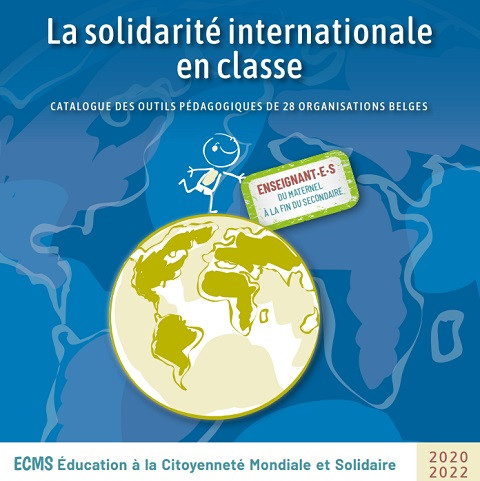 La solidarité internationale en classe: Catalogue des outils pédagogiques de 28 organisations belges; Éducation à la Citoyenneté Mondiale et Solidaire (ECMS) Año de publicación: 2020 Autor corporativo: Îles de Paix Plus d’une centaine d’outils pédagogiques abordant chacun une ou plusieurs des thématiques en lien avec l’éducation à la citoyenneté mondiale et solidaire (ECMS). Dans ce catalogue, vous trouverez des dossiers pédagogiques, des livrets illustrés, des jeux interactifs, des fiches d’activités, des sites internet, etc. Bref, une grande diversité d’outils de qualité, ancrés dans l’actualité mondiale. Ils sont des supports indispensables pour mener à bien une foule de projets avec vos élèves, de la maternelle jusqu’à la fin du secondaire. Encartée dans ce catalogue, vous trouverez également une brochure destinée aux Hautes Écoles Pédagogiques.
  Programa Aulas en Paz: Sesiones de muestra; Grado quinto currículo de aula y lenguaje Año de publicación: 2020 Autor: Enrique Chaux | Manuela Jiménez | Natalia Zuluaga Autor corporativo: Programa Aulas en Paz Este documento presenta sesiones seleccionadas de grado quinto de primaria del Programa Aulas en Paz, desarrollado para prevenir la violencia escolar a través del desarrollo socioemocional. En grado quinto se abordan temas relacionados con el manejo de conflictos.