
Recursos
Exploren una amplia gama de recursos valiosos en GCED para profundizar su comprensión y promover su búsqueda, incidencia, enseñanza y aprendizaje.
306 resultados encontrados
 《专题报道》安全议题中的女权主义视角和女性在和平建设中的作用 — 专访女权学者普里西尔.安克蒂尔 Año de publicación: 2022 Autor corporativo: United Nations (UN) 本音频是对瑞典隆德大学的女权主义安全问题研究学者普里西尔.安克蒂尔的专访,主要讨论女权主义安全研究,即通过性别视角研究安全的各种形式及影响。
 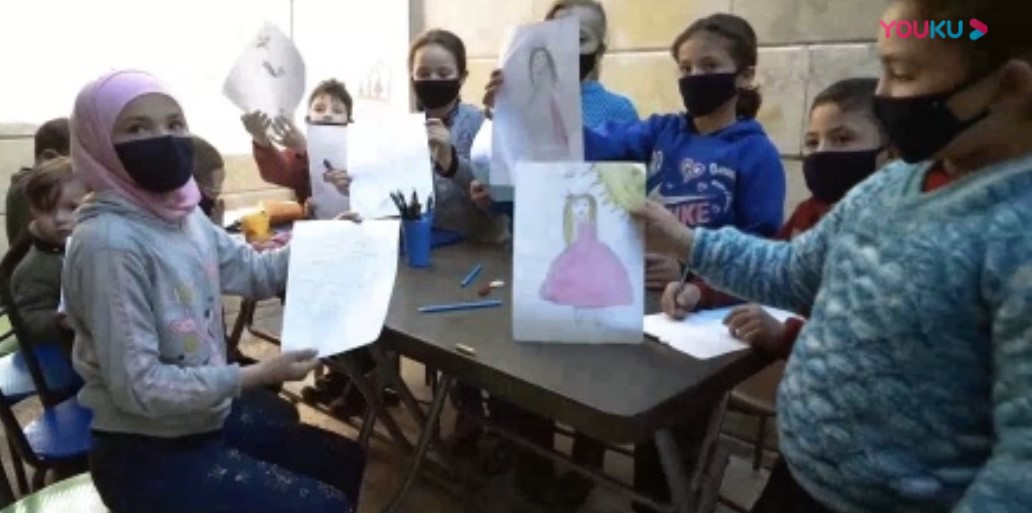 A Virtual Visit to Aleppo in Syria Año de publicación: 2021 Autor corporativo: 联合国儿童基金会 This video looks at education for children in the war-torn city of Aleppo, Syria, and the work UNICEF is doing there. 环球虚拟差旅:走进阿勒颇古城 Año de publicación: 2021 Autor corporativo: 联合国儿童基金会 本视频介绍了叙利亚阿勒颇古城在战争情况下的儿童教育情况以及联合国儿童基金会在当地所从事的工作。
 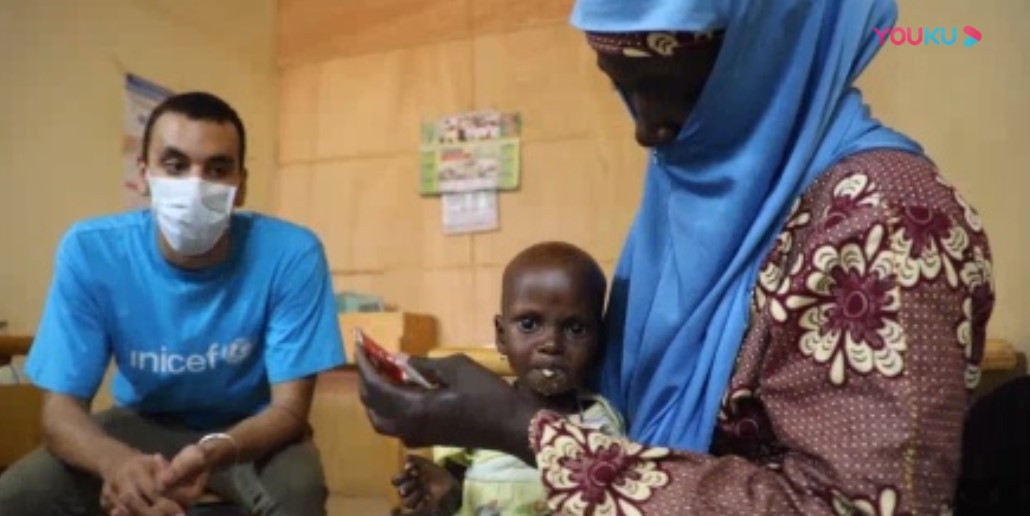 How a Peanut Became a Life-Saving Treatment for Children Año de publicación: 2021 Autor corporativo: 联合国儿童基金会 This video presents UNICEF's initiative to address child malnutrition in Niger, Africa. 环球虚拟差旅:一粒粒花生如何变成拯救儿童生命的治疗 Año de publicación: 2021 Autor corporativo: 联合国儿童基金会 本视频介绍了联合国儿童基金会针对解决儿童营养不良在非洲尼日尔开展的举措。
 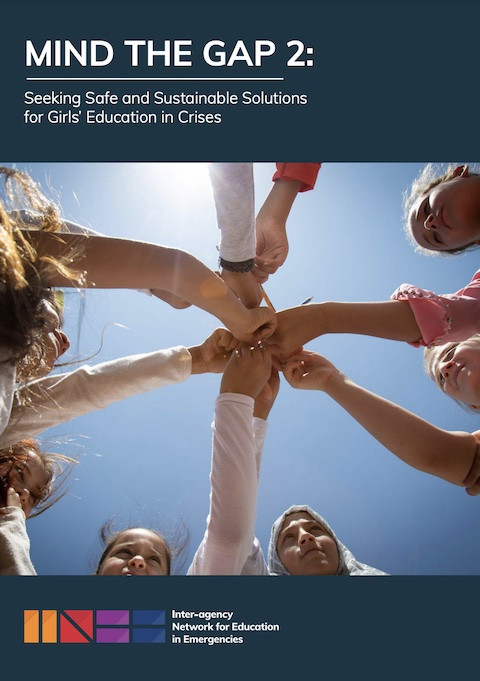 Mind the Gap 2: Seeking Safe and Sustainable Solutions for Girls’ Education in Crises Año de publicación: 2022 Autor: Ruth Naylor | Ella Page | Kate Sims Autor corporativo: Inter-agency Network for Education in Emergencies (INEE) This report summarizes progress, gaps, challenges and opportunities in improving education and training for girls and women affected by conflict and crisis. This report monitors progress since the first Mind the Gap report and highlights the following thematic areas: distance education and the digital divide, school-related gender-based violence, and girls’ education during climate crisis.The report aims to support the Charlevoix Declaration on Quality Education’s commitment to enhance the evidence base and monitor progress toward gender-equitable education in crises. The report draws from data on 44 crisis-affected countries, from recent research, and from a set of case studies of interventions in a range of crisis-affected contexts.
 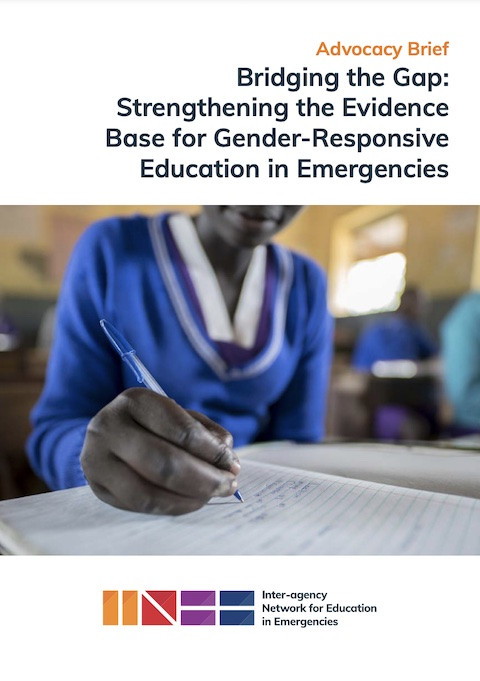 Bridging the Gap: Strengthening the Evidence Base for Gender-Responsive Education in Emergencies Año de publicación: 2022 Autor: Lauren Gerken | Sumbal Bashir Autor corporativo: Inter-agency Network for Education in Emergencies (INEE) This brief was developed by the INEE Gender Task Team in response to global calls for more and better data and evidence on gender-responsive EiE. The brief draws from findings of the 2021 and 2022 editions of the INEE Mind the Gap report on the state of girls’ education in emergencies, and from consultations with gender and education experts.The objectives of this brief are: To highlight key gaps in the evidence base on gender and EiE To provide strategic guidance and thematic content for new research initiatives focused on gender and EiE To promote collaborative action and knowledge-sharing among key actors working on gender and EiE
  SDG Good Practices: A Compilation of Success Stories and Lessons Learned in SDG Implementation (2nd Edition) Año de publicación: 2022 Autor corporativo: UN. Department of Economic and Social Affairs (UN. DESA) In 2021, building on the success of the first open call in 2018-2019, the United Nations Department of Economic and Social Affairs (UNDESA) launched a second open call for SDG Good Practices, Success Stories and Lessons Learned by governments, the UN system entities and other stakeholders. More than 700 submissions were received and reviewed by an inter-agency team of UN experts and over 460 have been made publicly available in a dedicated online platform.This publication has been curated to highlight a sample of selected initiatives during the second open call. The 21 SDG Good Practices contained in the publication shared their lessons learned and identify how the practices can be scaled and replicated worldwide. Bringing this global expertise to scale will be critical to support recovery efforts from the COVID-19 pandemic and to accelerate progress towards the Decade of Action to deliver the SDGs. Through this publications, global readers from all sectors could find out how different stakeholders are building partnerships to find innovative solutions to achieve a better and more sustainable future for all. 지속가능발전목표(SDG) 우수 사례: SDG 구현의 성공 사례 및 교훈 모음(개정판) Año de publicación: 2022 Autor corporativo: UN. Department of Economic and Social Affairs (UN. DESA) 2021년 2018-19년 1차 공개 요청의 성공에 힘입어 유엔 경제사회부(United Nations Department of Economic and Social Affairs, UNDESA)는 지속가능발전목표(Sustainable Development Goal, SDG) 우수 사례 및 성공 사례, 정부, UN 기관 및 기타 이해 관계자가 배운 교훈에 대한 2차 공개 요청에 착수했다. 출판물에 포함된 이 문서는 이들이 배운 교훈을 공유하고 이 관행을 전 세계로 확장하고 모방할 수 있는 방법을 제공한다. 이러한 세계 전문 지식을 널리 보급하는 일은 코로나바이러스감염증-19(COVID-19) 대유행으로부터의 회복 노력을 지원하고 SDG를 실현하기 위한 10년간의 행동 진전을 가속화하는 데 무엇보다 중요하다. 이를 통해 세계 독자들은 모두를 위한 지속 가능한 미래를 구축하기 위해 혁신적인 해결책을 찾는 데 다양한 이해 관계자가 어떻게 협력하는지를 확인할 수 있다.
  Youth Declarations on Transforming Education Año de publicación: 2022 Autor corporativo: United Nations (UN) تم إطلاق إعلان الشباب حول تغيير التعليم. وهي وثيقة أعدها شباب من جميع أنحاء العالم وقدمت إلى الأمين العام للأمم المتحدة يوم الجمعة.هذا الإعلان هو مساهمة الشباب في قمة تحويل التعليم 2022. وهو يسلط الضوء على التزام الشباب الجماعي بتحويل التعليم.