
Recursos
Exploren una amplia gama de recursos valiosos en GCED para profundizar su comprensión y promover su búsqueda, incidencia, enseñanza y aprendizaje.
3,231 resultados encontrados
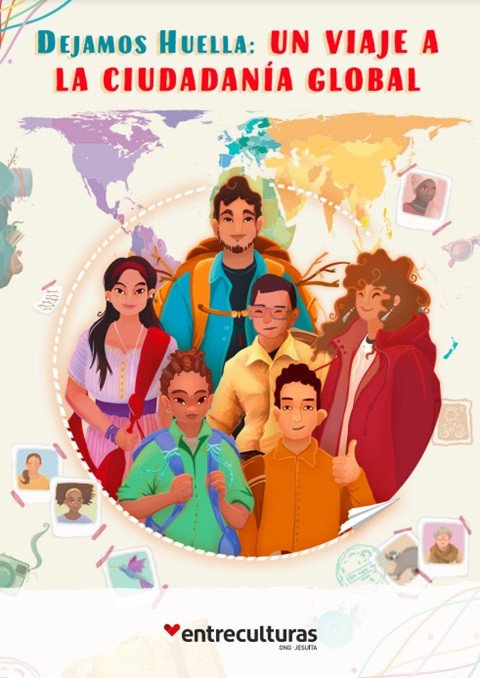 Dejamos huella: Un viaje a la ciudadanía Global Año de publicación: 2024 Autor corporativo: Entreculturas Con esta guía educativa el alumnado se verá involucrado activamente en la exploración de problemas globales y locales con el objetivo de formar agentes de cambio en sus propias comunidades. Realizarán viaje didáctico por diferentes temáticas (destinos) de Ciudadanía Global, como la igualdad de género, la protección del medio ambiente, la interculturalidad, la inclusión, la participación democrática, la justicia social y la cultura de paz. Cada destino incluye actividades, juegos y ejercicios prácticos diseñados para sensibilizar al alumnado sobre el tema correspondiente, utilizando dinámicas participativas como juegos, acertijos, vídeos, y simulaciones interactivas.
 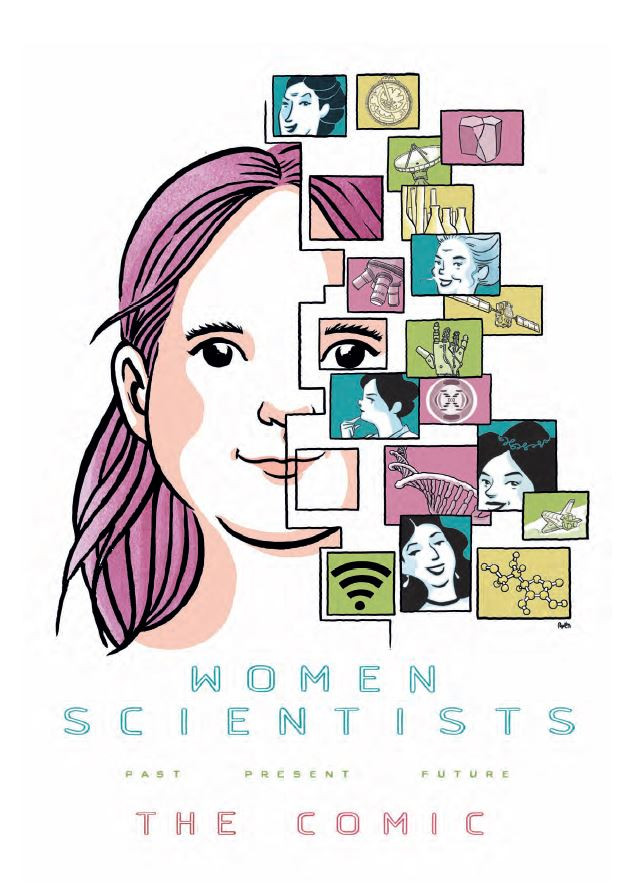 Women Scientists: Past, Present and Future Año de publicación: 2019 Autor: Raquel Gu | Francisco Vega Narváez Autor corporativo: ONCE Foundation This comic is the adaptation of the play Women scientists: past, present and future, an original idea by Francisco Vega Narváez with an original script by Isabel Fernández Delgado, Clara Grima Ruiz, maría José Jiménez Rodríguez, Adela muñoz Páez, maría del Carmen Romero Ternero and Francisco Vega Narváez. Both in the play and in the comic, female references are presented in the world of science so that girls do not feel that something is foreign to them simply because they are women and also so that boys have those same references. Achievements in science are made by people, it doesn't matter if they are women or men, their age, nationality... Científicas: pasado, presente y futuro Año de publicación: 2019 Autor: Raquel Gu | Francisco Vega Narváez Autor corporativo: ONCE Foundation Este cómic es la Adaptación de la obra de teatro Científicas: pasado, presente y futuro, una Idea original de Francisco Vega Narváez con Guion original de Isabel Fernández Delgado, Clara Grima Ruiz, maría José Jiménez Rodríguez, Adela muñoz Páez, maría del Carmen Romero Ternero y Francisco Vega Narváez. Tanto en la obra como en el cómic se presentan referentes femeninos en el mundo de la ciencia para que las niñas no sientan que algo les es ajeno por el mero hecho de ser mujeres y también para que los niños tengan esos mismos referentes. Los logros en ciencia los hacen personas, da igual que sean mujeres u hombres, su edad, nacionalidad..
  International Day of Women and Girls in Science Autor corporativo: Global Citizenship (Buenos Aires) Regarding the International Day of Women and Girls in Science, this infographic presents relevant information about the gaps in female participation in research and work on scientific topics. Includes links to support materials. Día Internacional de la mujer y la niña en la ciencia Autor corporativo: Global Citizenship (Buenos Aires) A propósito del día internacional de la mujer y la niña en la cencia, esta infografía presenta información relevante sobre las brechas de participación femenina en investigación y trabajos en temas científicos. Incluye vínculos a materiales de apoyo.
 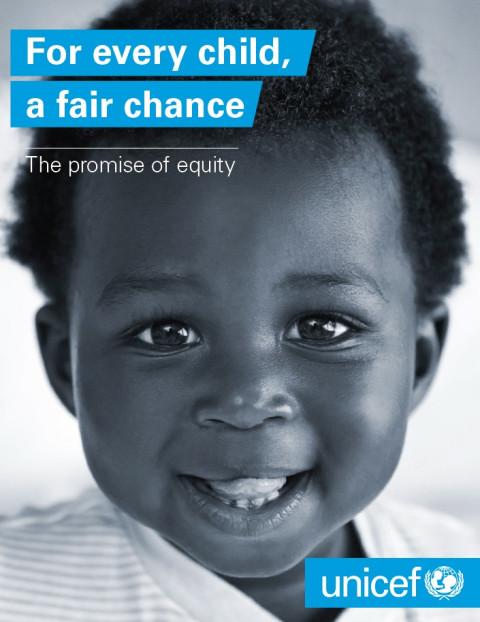 For every child, a fair chance: The promise of equity Año de publicación: 2015 Autor corporativo: United Nations Children's Fund (UNICEF) This report is based on an in-depth paper that was the centrepiece of discussions at the UNICEF Executive Board’s Special Session on Equity held in New York, in June 2015.The principle of equity guides UNICEF’s work with a sharp focus on the world’s most vulnerable children: those from the poorest households, girls, children with disabilities, migrant and refugee children, those living in remote areas, and children from ethnic or religious groups facing discrimination. The following pages build on evidence and experience from this work to make two main arguments for closing persistent gaps in equity. It examines seven sectors that are critical to progress for children: health; HIV and AIDS; water, sanitation and hygiene; nutrition; education; child protection; and social inclusion. In each sector, there are stark contrasts between global advances on one hand and the urgent, unmet needs of the world’s most vulnerable children on the other. Равные возможности Обещание равенства для всех детей: Обещание равенства Año de publicación: 2015 Autor corporativo: United Nations Children's Fund (UNICEF) Настоящий отчет основан на подробном документе, который обсуждался на специальной сессии Исполнительного комитета ЮНИСЕФ, посвященной вопросам равенства и справедливости, в Нью-Йорке в июне 2015 года. Работа ЮНИСЕФ строится на принципе равенства и справедливости, при этом основное внимание уделяется наиболее уязвимым группам детей во всем мире: детям из наиболее бедных семей и девочкам, детям с ограниченными возможностями, детям, живущим в удаленных районах, и детям из этнических или религиозных групп, сталкивающимся с дискриминацией. Представленный доклад, основываясь на фактах и опыте такой работы, приводит два основных довода в пользу устранения укоренившихся диспропорций, касающихся равенства и справедливости. В ней рассмотрены семь сфер, имеющих решающее значение для развития детеи: здоровье; ВИЧ и СПИД, вода, санитария и гигиена; питание, образование: защита ребенка; социальная интеграция. В каждой сфере наблюдаются резкие контрасты между глобальными улучшениями, с одной стороны, и неотложными неудовлетворенными потребностями наиболее уязвимых детей во всем мире - с другой.
 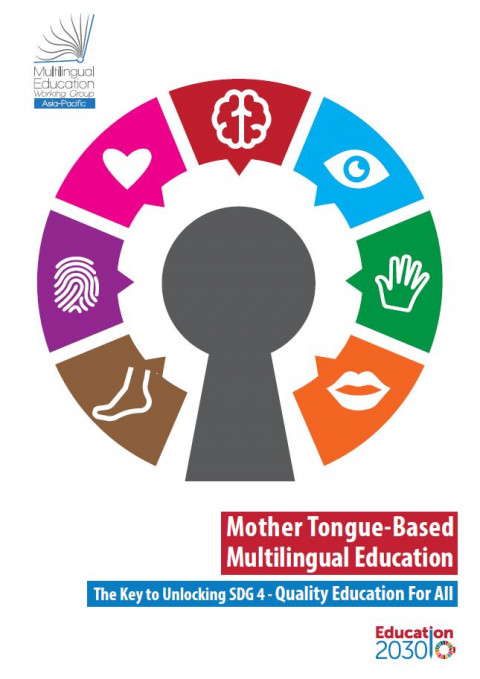 Mother Tongue-Based Multilingual Education: The Key to Unlocking SDG 4 - Quality Education for All Año de publicación: 2017 Autor: Matt Wisbey Autor corporativo: UNESCO Bangkok This brochure, designed as a bright and bold resource to be used with policy makers and other key stakeholders, explores the reasons why mother tongue-based multilingual education (MTB-MLE) is the key to quality lifelong learning opportunities for all. Linking the key elements of MTB-MLE with SDG4’s targets, it outlines the benefits for both individual learners and society as a whole. Полиязычное образование на основе родного языка. Ключ к реализации ЦУР 4 - качественное образование для всех Año de publicación: 2017 Autor: Matt Wisbey Autor corporativo: UNESCO Bangkok Полиязычное образование на основе родного языка - это образование, начинающееся на языке, которым ученик владеет свободно и затем постепенно вводит другие языки.Справедливое качественное образование и непрерывное обучение для всех возможно только тогда, когда образование учитывает и отражает полиязычный характер общества. Дети, молодежь и взрослые нуждаются в образовательных возможностях, основанных на их образе жизни и потребностях, на родном языке и посредством него.Поскольку ЦУР 4 является основополагающей для других целей устойчивого развития, без полиязычного образования на основе родного языка остальные 16 целей так и останутся недостижимыми.Информация в этой брошюре частично основана на презентациях и дискуссиях с 5-й Международной конференции по языку и образованию: устойчивое развитие посредством многоязычного образования, которая состоялась в Бангкоке, Таиланд, в октябре 2016 года.Для получения дополнительной информации о конференции или просмотра оригинальных презентаций и ключевых сообщений, пожалуйста, посетите: http://www.lc.mahidol.ac.th/mleconf/2016/program.htm
  Leaving No One Behind: Impact of COVID-19 on the Sustainable Development Goals (SDGs); Flagship Publication Año de publicación: 2021 Autor: Babatunde Abidoye | Joanna Felix | Serge Kapto | Laurel Patterson Autor corporativo: United Nations Development Programme (UNDP) | Frederick S. Pardee Center for International Futures This report by UNDP, in partnership with the Pardee Center for International Futures at the University of Denver, is part of a series examining the impact of COVID-19 on the Sustainable Development Goals (SDGs) and a potential pathway for socioeconomic recovery from the effects of the pandemic. The analysis explores a range of possible future effects of COVID-19 on different aspects of development while also highlighting the benefits of bold choices that can power the global recovery effort, accelerate the achievement of the 2030 Agenda, and support investments that reap long-term benefits for sustainable development.This second flagship report extends the analysis to the People and Prosperity pillars of the 2030 Agenda and focuses on 69 countries in the low and medium human development groups. Pre-existing structural limitations and systemic challenges in their health and education systems, combined with porous safety nets and fiscal constraints, put low and medium human development countries at risk of being disproportionately impacted by the regressive effects of the pandemic and left further behind in SDG achievement.