
Recursos
Exploren una amplia gama de recursos valiosos en GCED para profundizar su comprensión y promover su búsqueda, incidencia, enseñanza y aprendizaje.
684 resultados encontrados
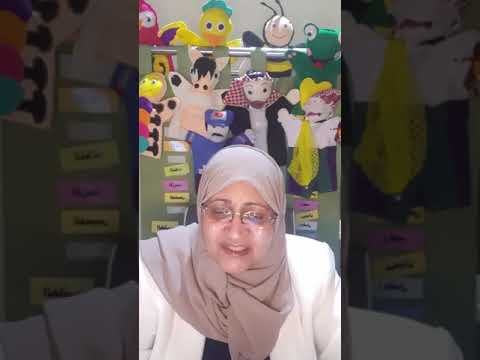 [Video] Learning by Playing Strategy Año de publicación: 2021 Autor: Mama Fowzia The teacher of early education reviews the play-learning strategy used in kindergarten. The teacher begins by introducing the strategy. Then it presents the ways and methods of learning through play that the teachers can use.
  Education aux médias et à l’information: Un manuel pratique pour formateurs Año de publicación: 2018 Autor: Sylvia Braesel | Thorsten Karg Autor corporativo: DW Akademie Le mot anglais « literacy » désigne la capacité de lire et d’écrire. La « media and information literacy » (MIL en abrégé, alors qu’en français on utilise l’acronyme EMI, pour éducation aux médias et à l’information) est la capacité de comprendre comment les médias fonctionnent et comment ils peuvent être utilisés pour participer au débat public. L’EMI inclut les médias sociaux comme Facebook, ainsi que les médias traditionnels comme les livres, les journaux, la radio et la télévision.Education aux médias et à l’information – Un manuel pratique pour formateurs fournit aux formateurs en EMI des informations générales, ainsi que des idées, des méthodes et des feuilles de travail pour leurs formations. Le livre fournit également des exemples de plans de formation pour aider à déterminer le temps nécessaire pour aborder chaque aspect particulier de l’éducation aux médias et à l’information.
  2019년 국가수준 초·중학생 디지털 리터러시 수준 측정 연구 Año de publicación: 2019 Autor: 이현숙 | 김수환 | 이운지 | 김한성 Autor corporativo: 한국교육학술정보원 본 연구에서는 우리나라 학생들의 디지털 리터러시를 측정하기 위한 검사 도구를 개발하여 초등학교와 중학교 학생들의 디지털 리터러시 수준을 측정하 였다. 2019 디지털 리터러시 검사는 2018년에 개발된 디지털 리터러시 검사의 평가틀을 기본으로 하되, 2018년 본검사 분석 결과와 ICT 및 CT 요소에 관한 최신 이론적 동향을 반영하여 검사 문항 개선 작업을 수행하였으며, 2018년 시 행에서 사용한 웹기반 검사 시스템의 문제점을 개선하여 시스템의 안정성을 강화하였다. 또한 2018년도 검사와의 가교 문항을 바탕으로 검사 동등화 분석 을 실시하여 학생들의 디지털 리터러시 수준을 계열적으로 비교, 분석함으로써 우리나라 정보 교육의 현주소와 향후 발전 방향에 관한 시사점을 도출하였다. 본 저작물은 한국교육학술정보원 (KERIS)에서 2019년 작성하여 공공누리 제 4유형으로 개방한 ‘2019년 국가수준 초·중학생 디지털 리터러시 수준 측정 연구 (이현숙, 김수환, 이운지, 김한성)’를 이용하였으며 해당 저작물은 한국교육학술정보원 (www.keris.or.kr)에서 무료로 다운받으실 수 있습니다.
  Dossier pédagogique 2022: S’informer pour comprendre le monde Año de publicación: 2021 Autor corporativo: Centre pour l’éducation aux médias et à l’information (CLEMI) | Réseau Canopé Le dossier pédagogique 2022 a pour thème pour la deuxième année consécutive: «S'informer pour comprendre le monde». Un thème qui illustre la diversité des thématiques que peut embrasser l’Éducation aux médias et à l’information : des modalités de la liberté d’expression et de l’expression médiatique des élèves au décryptage des communications politiques, de la modération des réseaux sociaux à la compréhension des représentations visuelles des données chiffrées. Un focus particulier est aussi mis sur la production médiatique : lire l’info, parvenir à en comprendre son fonctionnement et ses modalités, de façon fine, est une compétence qui se développe à l’école par une pédagogie active. Il s’agit de proposer aux élèves de fabriquer eux-mêmes de l’information : en écrivant, filmant, photographiant, enregistrant des textes, des images et des sons pour mettre en forme des contenus traitant de l’actualité du monde ou de la classe.
  팩트체크 사실 혹은 거짓: 학습지도가이드; 디지털시민역량(정보리터러시) 강화 체험형 교육프로그램 Año de publicación: 2021 Autor: 놀공 Autor corporativo: 방송통신위원회 | 한국지능정보사회진흥원 <팩트체크: 사실 혹은 거짓>(이하 팩트체크)는 청소년들이 다양한 인터넷 환경에서 습득하는 정 보 중 신뢰할 수 있는 정보와 그렇지 못한 정보들을 구분할 수 있는 능력(정보리터러시)을 강화 할 수 있도록 고안한 프로그램이다. 인터넷 환경에서 습득하는 정보의 형태는 고전적인 정보 의 유형인 텍스트를 포함하여 이미지, 동영상 등이 추가되었고 갈수록 그 비중이 높아지고 있다. 텍스트를 읽고 사고하기보다는 자극적인 이미지와 영상을 시청하는 것만으로 정보를 판단 하는 것에 익숙한 청소년들에게 문해력뿐만 아니라 인터넷이라는 특성상 정보의 출처에 대한 이해, 글쓴이에 대한 이해, 정보가 공개된 시점까지 파악하여 종합적인 판단을 내릴 수 있는 능력을 키워주기 위해 본 프로그램이 만들어졌다.<팩트체크>는 학생들에게 ‘팩트체커’라는 신분을 부여하며 시작된다. 인터넷에 떠도는 정보들 은 사실 여부를 알 수 없는 뉴스들로 묘사되며 다양한 분야의 뉴스 중에서 가짜 뉴스를 골라내는 활동이 메인 학습 활동이 된다. 이 과정에서 카카오톡, 페이스북, 인스타그램, 유뷰트 등 실제 인터넷 환경이 유사하게 구현되었으며 시각적인 이미지와 텍스트를 적절하게 배합해 읽을거리 역시 풍부하게 담았다. 웹사이트를 중심으로 활동이 설계되어 있어 비대면 수업 상황에도 유용하게 활용될 수 있으며 <팩트체크> 체험 후 설문을 통한 성찰활동은 토론 수업으로 확대될 수 있는 가능성도 고려했다.본 저작물은 방송통신위원회와 한국지능정보사회진흥원에서 2021년 작성하여 공공누리 제4유형으로 개방한 ‘팩트체크 사실 혹은 거짓 : 학습지도가이드; 디지털시민역량(정보리터러시) 강화 체험형 교육프로그램’ 을 이용하였으며 아름다운 인터넷 세상 홈페이지(www.ainse.kr)에서 다운로드 하실 수 있습니다.
 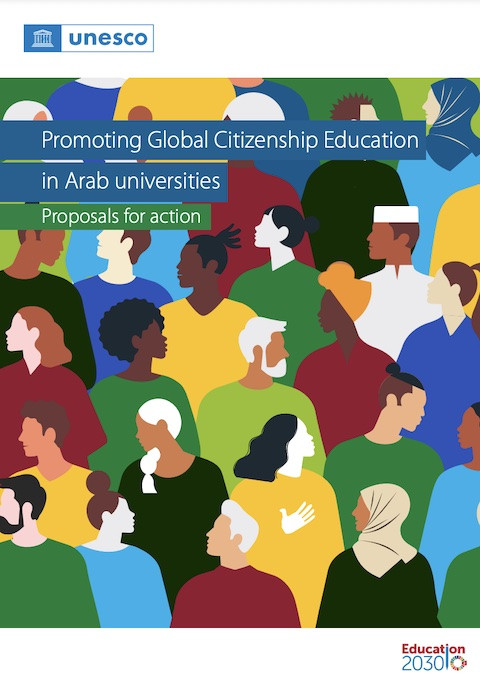 تعزيز التربية على المواطنة العالمية في الجامعات العربية : الإجراءات المقترحة Año de publicación: 2022 Autor: Ellen Middaugh Autor corporativo: UNESCO Beirut "يمكن أن يؤدي التعليم العالي دورًا مهما في تعزيز التربية على المواطنة العالمية. فهو يوفر الحافز والفرصة والدعم للشباب ليتعرفوا إلى القضايا العالمية، ويتفاعلوا مع ثقافات متنوعة، ويمارسوا مهارات المواطنة العالمية في سن الاستكشاف الذاتي والاجتماعي والسياسي والمهني. ويمكن للجامعات أن تشجع الطالب على حمل هذه المهارات والقيم معهم عندما يكبرون لمشاركتها مع الآخرين ومواصلة هذه العملية طوال حياتهم. وتلتزم الجامعات العربية بشدة بالتربية على المواطنة العالمية، إلا أن طريقة تنفيذها للمواطنة العالمية بشكل ملموس بين الاجتماعي العاطفي والسلوكي - اللذين تحتاج إلى التحسين. فالمجال المعرفي للتعلم يحظى باهتمام أكبر من المجال يساهمان اكثر في المشاركة التحويلية الفعالة. واستنادًا إلى الممارسات الحالية، توفر هذه الوثيقة مقترحات ملموسة للجامعات واألوساط األكاديمية والطالب حول كيفية تعميم المواطنة العالمية وقيمها بشكل أفضل من خالل التعليم العالي في المنطقة العربية." Promoting Global Citizenship Education in Arab Universities: Proposals for Action Año de publicación: 2022 Autor: Ellen Middaugh Autor corporativo: UNESCO Beirut Higher education can play an important role in promoting Global Citizenship Education (GCED). It provides incentive, opportunity and support for young adults to learn about global issues, engage across diverse cultures, and practice the skills of GCED at a time of intensive personal, social, political and career exploration. Furthermore, universities can encourage students to take these skills and values into their adult lives to share with others and continue the lifelong process. Arab universities are very committed to GCED. However, the way GCED in concretely implemented needs improvement. While greater attention is paid to the cognitive domain of learning, the socio-emotional and behavioral domains of learning – which best lead to effective transformative engagement – tend to be left behind. Based on existing practices, this document provides universities, academia and students with concrete proposals on how to better mainstream GCED and its values, through higher education, in the Arab region.
  International Conference on Global Citizenship Education and International Solidarity Año de publicación: 2022 Autor corporativo: Quebec Association of International Cooperation Organizations (AQOCI) This material aims to share practices and reflections on education for global and solidarity citizenship. The conference was initiated by the international committee of the Festival des Solidarités (Festisol) and led by AQOCI (Quebec Association of International Cooperation Organizations). Conférence internationale sur l'Éducation à la citoyenneté mondiale et la solidarité internationale Año de publicación: 2022 Autor corporativo: Association québécoise des organismes de coopération internationale (AQOCI) Cette vidéo est pour traiter des diverses dimensions de la pauvreté ainsi que de ce qui peut être fait pour s'attaquer aux causes de la pauvreté. Partage de pratiques et de réflexions sur l'éducation à la citoyenneté mondiale et solidaire. Conférence initiée par le comité international du Festival des Solidarités (Festisol) et animée par l'AQOCI (Association québécoise des organismes de coopération internationale).
  Towards a National Strategy for Media Literacy: National Consultation Report Año de publicación: 2021 Autor: Michael Dezuanni | Tanya Notley | Luigi Di Martino Autor corporativo: Australian Media Literacy Alliance (AMLA) This report makes eight key recommendations for the development of a strategy, which centre around government, community, and technology sector collaboration to ensure every Australian, at every stage of life, is empowered as a citizen to confidently engage with and create media. A media literate citizen has the ability to critically engage with media in all aspects of life.The report draws on a national survey of 3510 adult Australians about their media use, attitudes, and abilities and includes insights from a consultation process, conducted in September 2021, involving six workshops with a diverse group of community and media organisations across Australia.