
Recursos
Exploren una amplia gama de recursos valiosos en GCED para profundizar su comprensión y promover su búsqueda, incidencia, enseñanza y aprendizaje.
2,161 resultados encontrados
 Curriculum globALE: Рамка компетенций преподавателей для взрослых Año de publicación: 2021 Autor corporativo: DVV International | German Institute for Adult Education, Leibniz Centre for Lifelong Learning | International Council for Adult Education | UNESCO Institute for Lifelong Learning (UIL) В этой публикации представлена Curriculum globALE, базовая система компетенций для подготовки педагогов для взрослых во всем мире. Предлагая модульную структуру, основанную на компетенциях, и междисциплинарный подход, Curriculum globALE уникален своей целью сделать обучение и образование взрослых (ALE) профессиональным в международном масштабе с помощью компетенций, которые помогают преподавателям для взрослых работать в любой образовательной среде, поле или форма. Он стремится обеспечить, чтобы знания, компетенции, навыки и отношение педагогов соответствовали профессиональному стандарту. Curriculum globALE подходит для различных контекстов, а его характер и структура позволяют включать его в различные национальные системы образования. Учебный план globALE направлен на: повышать профессионализацию ООВ путем предоставления общей справочной системы для программ обучения взрослых и предлагаемого стандарта компетенций для преподавателей для взрослых оказывать поддержку провайдерам ООВ в разработке и реализации программ «обучения инструкторов» способствовать обмену знаниями и взаимопониманию между педагогами для взрослых во всем мире.
 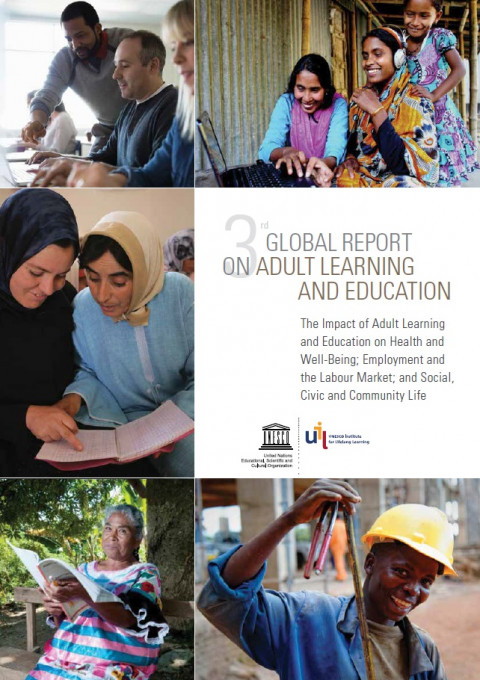 Третий Глобальный доклад по обучению и образованию взрослых (ООВ) ий Влияние образования взрослых на здоровье и благополучие, занятость и рынок труда, социальную, гражданскую и общественную жизнь Año de publicación: 2016 Autor corporativo: UNESCO Institute for Lifelong Learning (UIL) Данный доклад является результатом деятельности международного сообщества и связан с разработкой повестки дня в области устойчивого развития 2030 года, а также справочными и информационными документами, предоставляющими информацию для аналитиков и политиков, и напоминают государствам-членам об их обязательстве. Здесь политические деятели найдут веские доказательства в поддержку политики, стратегий и бюджетов. Заинтересованные стороны найдут убедительные аргументы того, как обучение и образование взрослых способствует устойчивому развитию, здоровому обществу, улучшению рабочих мест и более активной гражданской позиции. Исследователи найдут возможности и идеи для будущих исследований.
  Teachers’ Toolkit: UNESCO Schools Network in Canada Año de publicación: 2020 Autor corporativo: Canadian Commission for UNESCO This toolkit draws on a variety of resources to give educators a range of activities and best practices for students of all ages. Students will learn about human rights and global citizenship, sustainable development, climate action and reconciliation with Indigenous peoples.
 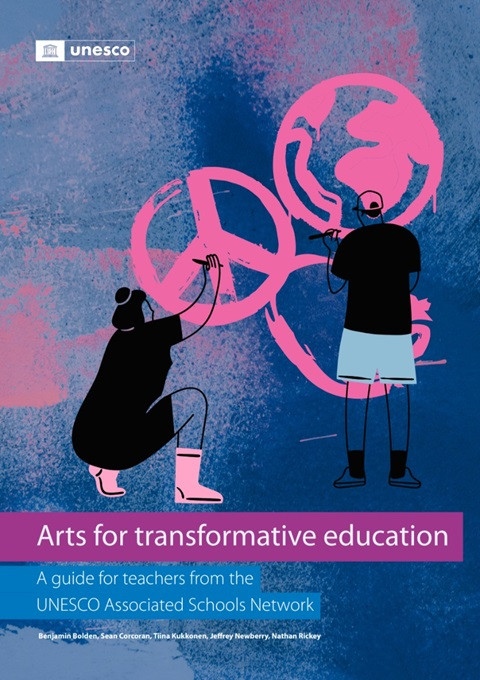 Arts for Transformative Education: A Guide for Teachers from the UNESCO Associated Schools Network Año de publicación: 2024 Autor: Benjamin Bolden | Sean Corcoran | Tiina Kukkonen | Jeffrey Newberry | Nathan Rickey Autor corporativo: UNESCO | Canadian Commission for UNESCO UNESCO’s vision of transformative education involves building learners’ capacities and empowering them to take action for a more peaceful and sustainable world. The arts offer tremendous potential for supporting learning that transforms individuals and communities. To fully realize that potential, teachers need to structure and support educational experiences that optimize what students will take away from them. This guide presents the research-informed Arts for Transformative Education model, a pioneering approach and thinking tool for teachers. The model was developed from data provided by over 600 teachers of the UNESCO Associated Schools network from 39 countries. The publication presents Learning Experience Descriptions and Snapshots illustrating how the model functions in real-world projects from around the globe, as well as Guidelines for Teachers outlining a step-by-step process for activating arts learning to empower transformative education.
 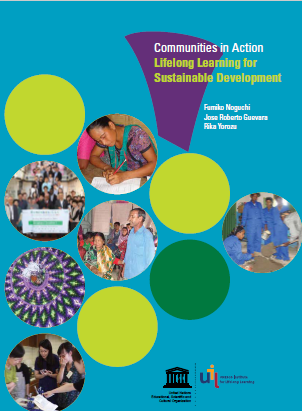 Communities in action: lifelong learning for sustainable Año de publicación: 2015 Autor: Fumiko Noguchi | Jose Roberto Guevara | Rika Yorozu Autor corporativo: UNESCO Institute for Lifelong Learning (UIL) This handbook identifies principles and policy mechanisms to advance community-based learning for sustainable development based on the commitments endorsed by the participants of the Kominkan-CLC International Conference on Education for Sustainable Development, which was in Okayama City, Japan, in October 2014. To inform policymakers and practitioners new to this field, the handbook clarifies the international vision and goals for sustainable development and Education for Sustainable Development, and identifies the potential contributions of community-based learning centres and organizations. It documents both policy and practice from different regions and concludes with a summary of principles and policy support mechanisms.
 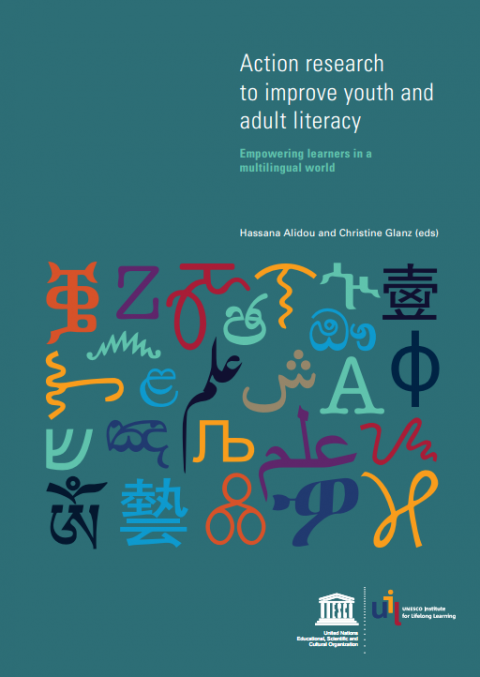 Action Research to Improve Youth and Adult Literacy: Empowering Learners in a Multilingual World Año de publicación: 2015 Autor corporativo: UNESCO Institute for Lifelong Learning (UIL) | UNESCO Abuja This guidebook is about the quest for quality, which is a lifelong pursuit linked to social justice. As we move in time and space new challenges emerge, but our vision is that no one should be left behind in the quest for self- and collective realization. We have to consider all possible means for enabling the active participation of all citizens in education. We must look at both challenges and opportunities, such as those that technology offers us for making linkages and improving access to information, knowledge and skills. We must seek out possibilities for retaining positive values and acquiring new ones which foster deeper appreciation for human, linguistic, cultural and ecological diversity.
  Making Lifelong Learning a Reality: A Handbook Año de publicación: 2023 Autor corporativo: UNESCO Institute for Lifelong Learning (UIL) This handbook provides education stakeholders with practical guidance on lifelong learning. With an overview of key concepts, policy issues, technical knowledge and practical approaches, it demonstrates how lifelong learning can be strengthened in policy-making and implemented at national, regional, local and institutional levels. The handbook supports those experts and professionals in the field of education who wish to develop their understanding of lifelong learning, and offers tips, information and examples targeted at learners, facilitators, institutional leaders, policy-makers and legislators. More broadly, it illustrates how lifelong learning can address complex political, social, economic and environmental issues affecting people around the world. 让终身学习成为现实:手册 Año de publicación: 2023 Autor corporativo: UNESCO Institute for Lifelong Learning (UIL) 这本关于终身学习的手册试图描绘一个全面立体、包罗万象的终身学习愿景, 并将其塑造成教育利益攸关者的实用指南。本手册并未详尽无遗地介绍所有的终 身学习形式,而是阐明了终身学习的本质,通过制定国家政策和实施战略,使之 得到广泛的了解、认可、推广和具体应用。本手册第一章明确了终身学习的概念,介绍了联合国教科文组织对终身学习及 其关键维度的理解。之后解释了提倡终身学习的原因,为读者提供了一系列循证观 点,说明终身学习将如何应对世界面临的大规模严峻挑战。因此,第一章为政策制 定者、政府官员、机构负责人、相关从业者或研究人员提供了一个起点,以推进终 身学习,将其作为一种政策措施,来应对学习系统当前的挑战和长期的问题。要使终身学习从一个抽象的概念转变成为可以实际增加学习机会和改善学习 体验的行动,政策层面需要有所作为。因此,第二章明确了终身学习政策的定义 和政策制定过程, 并提出了制定有效终身学习政策的多个因素。 这些因素表明, 终身学习政策在根本上应符合国情和地方实际情况、打造全面终身学习愿景、制 定治理方案、具有财政可行性、以实证作为监测和评估的基础,并通过磋商实现 多方参与的终身学习政策制定。第三章侧重于终身学习的实施,并通过国家终身学习实施战略的视角讨论了 不同的实施方式。此外,这一章还展示了实施战略如何在正规、非正规和非正式 学习方面融入终身学习理念并增加终身学习机会。在学习形式之间建立联系,第 三章还提供了有关灵活学习途径的建议,并指导如何使用国家资历框架和学习成 果认证机制等相关政策来创建灵活学习途径。随后,第三章论述了信息通信技术 对于终身学习的重要价值,以及多层级治理在终身学习实施过程中的关键作用。第四章则关注地方层面,首先概述了城市地区的终身学习情况,并重点介绍 了联合国教科文组织全球学习型城市网络的学习型城市模式。之后,通过贝塔市 的研究案例具体展示了终身学习的政策制定过程,并揭示了那些与设计终身学习 实施战略有关的考虑因素如何应用于具体的终身学习政策。立足全球视角,基于实践经验,本手册的最终目标是为读者提供全面、可行 的指导意见,让全民终身学习成为现实。
  Greening Communities Guidance: Lifelong Learning for Climate and Sustainability Action Año de publicación: 2025 Autor corporativo: UNESCO Institute for Lifelong Learning (UIL) | World Organization of the Scout Movement Climate change poses a serious threat to communities around the world, compelling us to protect vulnerable lives and shape resilient futures. By nurturing lifelong learning and empowering local initiatives, communities can drive transformative change – amplifying local efforts into global impact.Green communities are municipalities of any size that embrace lifelong learning to empower individuals to take meaningful climate and sustainability action. This is achieved by extending climate education beyond the classroom and offering learning opportunities in non-formal and informal settings – rooted in and responsive to local culture and context. By engaging learners of all ages across a variety of learning environments, residents of green communities are equipped to take informed, proactive and responsible action for the climate and environment, contributing to more sustainable living.The sections of this document provide an overview of the diverse learners, learning spaces and educational approaches that can contribute to greening communities. It outlines practical steps for developing a comprehensive green learning strategy and action plan that mobilizes learners of all generations in climate and sustainability efforts.Municipal governments, along with a wide range of local stakeholders and change agents in both urban and rural areas, are invited to use this guidance to foster green communities through a lifelong learning lens.Together, let’s green our communities!
  Digital Empowerment for Lifelong Learning and Transformative Andragogy (DELTA) for Adult Educators: Introduction to the DELTA Framework and Resources Año de publicación: 2025 Autor corporativo: UNESCO Institute for Lifelong Learning (UIL) | Shanghai Open University (SOU) The UNESCO Institute for Lifelong Learning (UIL), in partnership with Shanghai Open University (SOU), has unveiled the DELTA Framework — Digital Empowerment for Lifelong Learning and Transformative Andragogy. This global initiative aims to enhance adult educators’ digital competencies and foster inclusive, lifelong learning opportunities for all.