
Recursos
Exploren una amplia gama de recursos valiosos en GCED para profundizar su comprensión y promover su búsqueda, incidencia, enseñanza y aprendizaje.
3,380 resultados encontrados
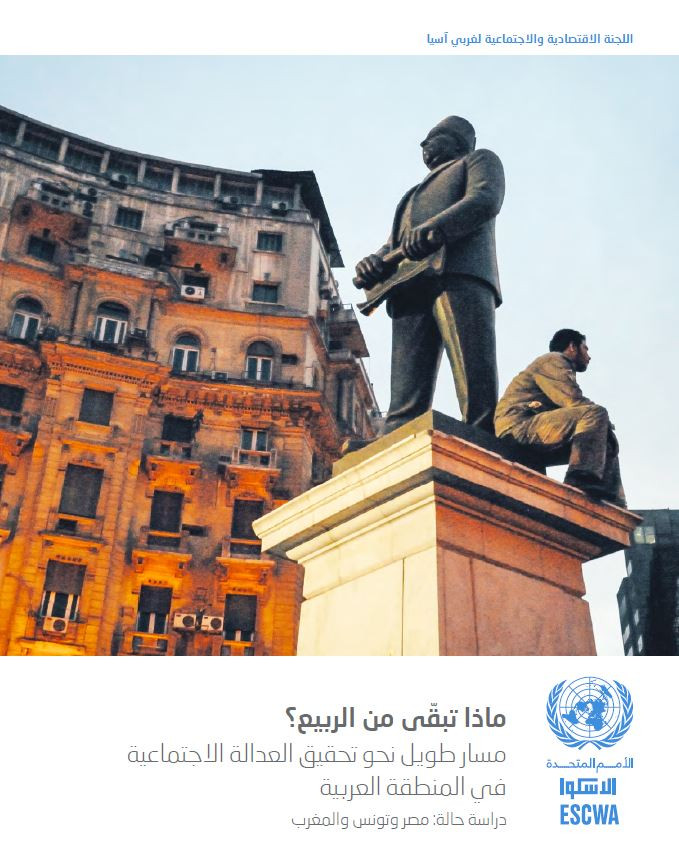 ماذا تبقّى من الربيع ؟ : مسار طويل نحو تحقيق العدالة الاجتماعية في المنطقة العربية : دراسة حالة : مصر وتونس والمغرب Año de publicación: 2015 Autor corporativo: United Nations Economic and Social Commission for Western Asia (ESCWA) "ماذا تبقّى من الربيع؟ مسار طويل نحو تحقيق العدالة الاجتماعية في المنطقة العربية" هو التقرير الأول من سلسلة تقارير عن التنمية الاجتماعية تعتزم الإسكوا إصدارها. وهو يأتي بعد مرور سنتين على إصدار "وعود الربيع: المواطنة والمشاركة المدنية في مسارات التحول الديمقراطي"، الدراسة التي استعرضت السياق العام الذي أحاط بما سُمي الربيع العربي وتناولت التحديات التي تواجه تحقيق العدالة الاجتماعية والتوافق في الآراء والحفاظ على التماسك الاجتماعي أثناء التحولات السياسية. آما يصدر هذا التقرير غداة اعتماد المجتمع الدولي مساراً عالمياً جديداً للتنمية هو خطة التنمية المستدامة لعام 2030 التي تشكل العدالة الاجتماعية ركيزتها الأساسية.
 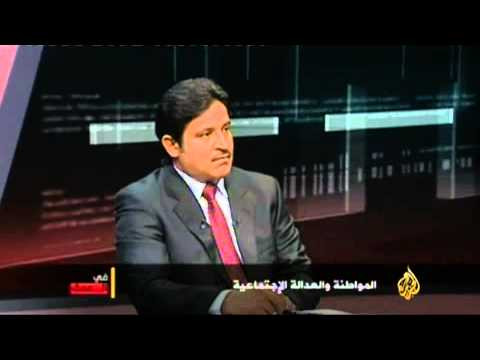 Citizenship and Social Justice Año de publicación: 2013 Autor corporativo: Al Jazeera Channel An episode presented by Al-Jazeera, which reviews citizenship and social justice, taking into account the context of the Arab Spring. The seminar focuses on building the modern state in the light of citizenship and social justice. The broadcaster hosts 3 university professors to talk about the topic. The episode deals with the problems facing the modern state in the Arab world, with a focus on citizenship and social justice. المواطنة والعدالة الاجتماعية Año de publicación: 2013 Autor corporativo: Al Jazeera Channel لقة تعرضها قناة الجزيرة تستعرض فيها المواطنة والعدالة الاجتماعية مع الأخذ في الاعتبار سياق الربيع العربي. وتركز الحلقة على بناء الدولة الحديثة في ضوء المواطنة والعدالة الاجتماعية. يستضيف المذيع 3 من أساتذة الجامعات للتحدث عن الموضوع. الحلقة تتعرض للمشاكل التي تواجه الدولة الحديثة في الوطن العربي مع التركيز على المواطنة والعدالة الاجتماعية.
  Fourth Lecture: Corporate Social Responsibility Año de publicación: 2021 Autor: Hassan Al Gharbi Autor corporativo: King Faisal University A PowerPoint file in which the lecturer reviews the concept of corporate social responsibility. This lecture is part of the Business Ethics course at King Faisal University. المحاضرة الرابعة المسؤولية الاجتماعية لمنظمات الأعمال Año de publicación: 2021 Autor: Hassan Al Gharbi Autor corporativo: King Faisal University ملف باوربوينت يستعرض فيه المحاضر مفهوم المسؤولية الاجتماعية للمنظمات. هذه المحاضرة ضمن مقرر أخلاقيات الأعمال بجامعة الملك فيصل.
 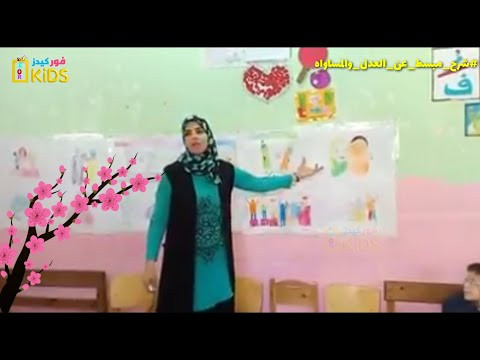 Justice and Equality Año de publicación: 2019 Autor corporativo: For kids In this video, the teacher demonstrates through a mural the values of justice and equality. The video is directed as part of the preschool education curriculum. The teacher interacted through the murals with the students to illustrate the value of justice and equality. العدل والمساواة Año de publicación: 2019 Autor corporativo: For kids في هذا الفيديو، تستعرض المعلمة من خلال لوحة جدارية قيم العدل والمساواة. الفيديو موجه كجزء من منهج تعليم الأطفال قبل المدرسة. تفاعلت فيه المعلمة من خلال الرسومات الجدارية مع الطلبة لتوضيح قيمة العدل والمساواة.
 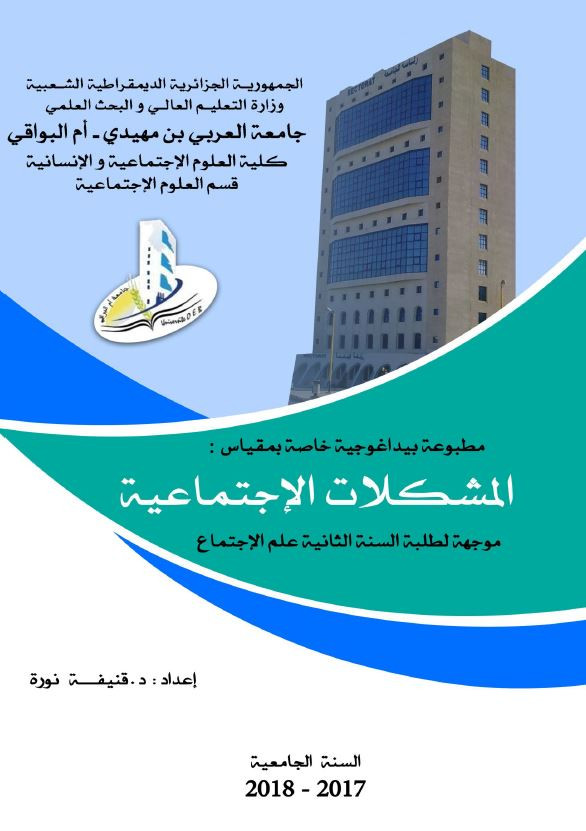 Pedagogical Publications on the Scale: Social Problems Año de publicación: 2018 Autor corporativo: Ghardaïa University. Faculty of Social and Human Sciences The document introduces and analyzes the axes of the scale of social problems. This publication is directed to students of the second year of specialization in sociology. The publication includes the knowledge content and theoretical aspects in a group of lectures. In general, the publication contains a set of objectives that highlight the role of sociology in presenting, analyzing and treating social problems. مطبوعات بيداغوجية خاصة بمقياس: المشكلات الاجتماعية Año de publicación: 2018 Autor corporativo: Ghardaïa University. Faculty of Social and Human Sciences يقدم المستند ويحلل محاور مقياس المشكلات الاجتماعية. وهذا المطبوع موجه لطلبة السنة الثانية من تخصص علم الاجتماع. ويتضمن المطبوع المضمون المعرفي والجوانب النظرية في مجموعة من المحاضرات. عموما المطبوع يحتوي على مجموعة من الأهداف تبرز دور علم الاجتماع في طرح وتحليل ومعالجة المشكلات الاجتماعية.
 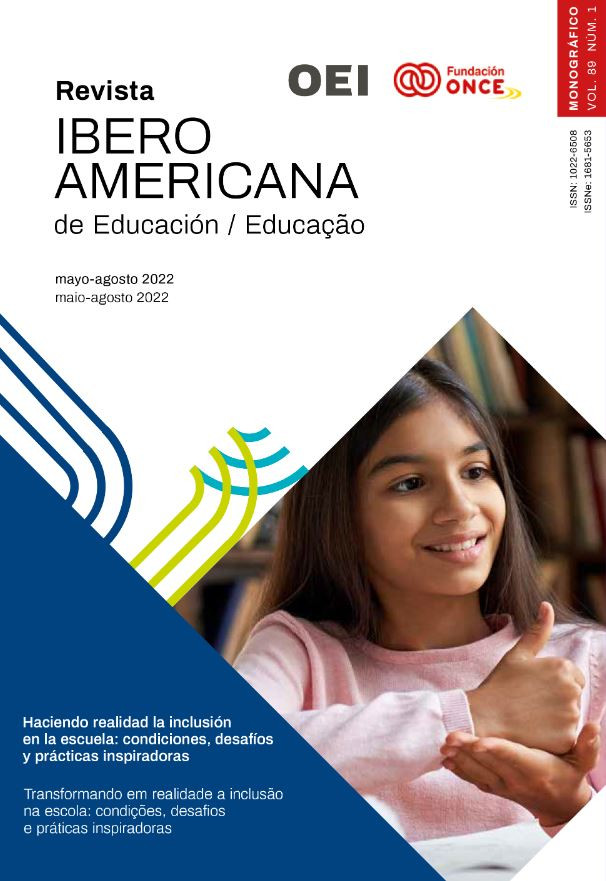 Teachers and Migrant Families: Pressing Communication (Iberoamerican Journal of Education; vol. 89, no. 1) Año de publicación: 2022 Autor: Mohamed Chamseddine Habib Allah Autor corporativo: Organization of Ibero-American States for Education, Science and Culture (OEI) This article presents the results of a study whose objective is to analyze the state of communication between migrant families and teachers in Early Childhood and Primary Education Centers in the Region of Murcia. Two questionnaires were chosen to develop a descriptive non-experimental quantitative research. The main results reveal that extracurricular activities are not part of the usual conversations between families and teachers. However, acceptable but improvable aspects are detected, such as delving into discipline issues, and student learning, etc. On the other hand, it is evident that the parents still do not go to visit the teachers on their own initiative to address the relevant elements of the teaching-learning process of their children.