
Recursos
Exploren una amplia gama de recursos valiosos en GCED para profundizar su comprensión y promover su búsqueda, incidencia, enseñanza y aprendizaje.
3,446 resultados encontrados
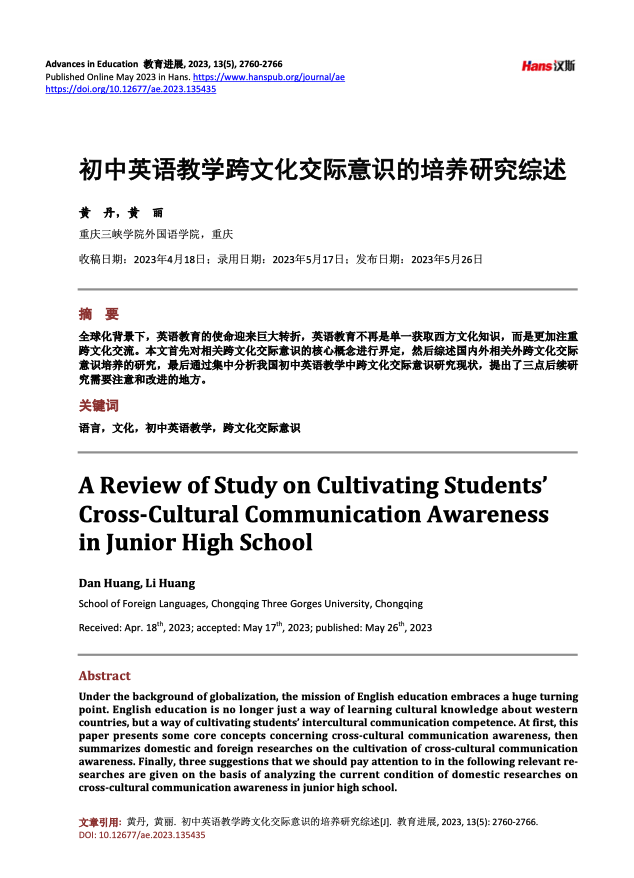 初中英语教学跨文化交际意识的培养研究综述 (教育进展 第13卷 第5期) Año de publicación: 2023 Autor: 黄丹 | 黄丽 全球化背景下,英语教育的使命迎来巨大转折,英语教育不再是单一获取西方文化知识,而是更加注重跨文化交流。本文首先对相关跨文化交际意识的核心概念进行界定,然后综述国内外相关外跨文化交际意识培养的研究,最后通过集中分析我国初中英语教学中跨文化交际意识研究现状,提出了三点后续研究需要注意和改进的地方。
 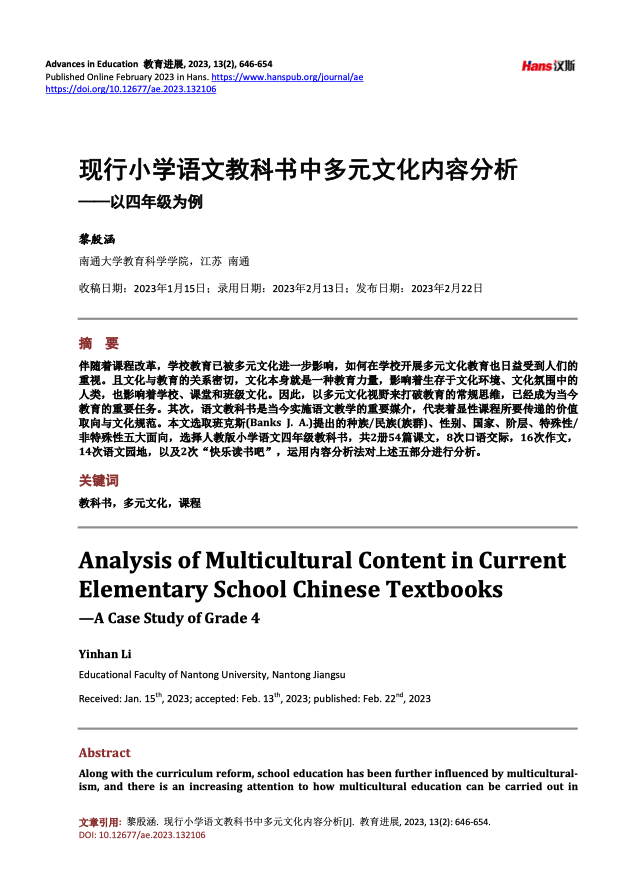 现行小学语文教科书中多元文化内容分析 : 以四年级为例 (教育进展 第13卷 第2期) Año de publicación: 2023 Autor: 黎殷涵 伴随着课程改革,学校教育已被多元文化进一步影响,如何在学校开展多元文化教育也日益受到人们的重视。且文化与教育的关系密切,文化本身就是一种教育力量,影响着生存于文化环境、文化氛围中的人类,也影响着学校、课堂和班级文化。因此,以多元文化视野来打破教育的常规思维,已经成为当今教育的重要任务。其次,语文教科书是当今实施语文教学的重要媒介,代表着显性课程所要传递的价值取向与文化规范。本文选取班克斯(Banks J. A.)提出的种族/民族(族群)、性别、国家、阶层、特殊性/非特殊性五大面向,选择人教版小学语文四年级教科书,共2册54篇课文,8次口语交际,16次作文,14次语文园地,以及2次“快乐读书吧”,运用内容分析法对上述五部分进行分析。
 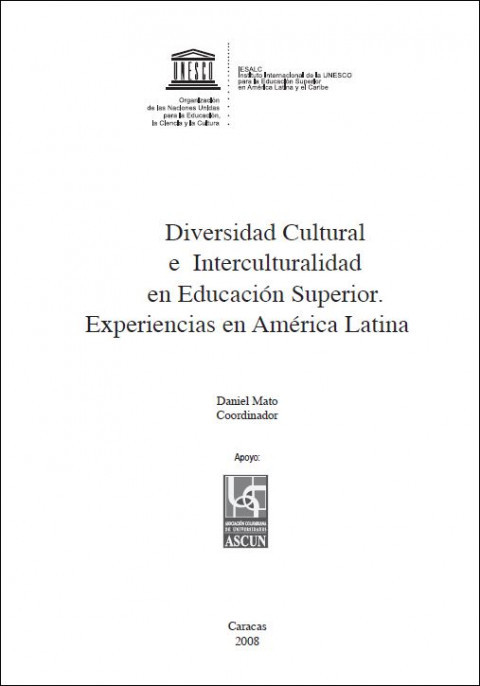 Cultural Diversity and Interculturality in Higher Education. Experiences in Latin America Año de publicación: 2008 Autor: Daniel Mato Autor corporativo: UNESCO International Institute for Higher Education in Latin America and the Caribbean (IESALC) The work that we present below under the title Cultural Diversity and Interculturality in Higher Education. Experiences in Latin America offers a documented and novel analysis on the subject, accompanied by more than thirty studies on concrete experiences that allow to appreciate the richness and vitality that this field exhibits in Latin America, as well as the problems and challenges it faces. The volume brings together thirty-six studies of experiences of the types mentioned, each of which identifies achievements, obstacles and learning, and culminates in offering recommendations. This collection of texts is preceded by a study of regional scope that analyzes significant contextual elements, as well as salient aspects of the studied experiences, evaluates problems, challenges and opportunities, and offers a set of recommendations. Diversidad Cultural e Interculturalidad en Educación Superior. Experiencias en América Latina Año de publicación: 2008 Autor: Daniel Mato Autor corporativo: UNESCO International Institute for Higher Education in Latin America and the Caribbean (IESALC) La obra que a continuación presentamos bajo el título Diversidad Cultural e Interculturalidad en Educación Superior. Experiencias en América Latina ofrece un documentado y novedoso análisis sobre el tema, acompañado de más de treinta estudios sobre experiencias concretas que permiten apreciar la riqueza y vitalidad que este campo exhibe en América Latina, así como los problemas y desafíos que enfrenta. El volumen reúne treinta y seis estudios de experiencias de los tipos mencionados, cada uno de los cuales identifica logros, obstáculos y aprendizajes, y culmina ofreciendo recomendaciones. Esa colección de textos es precedida por un estudio de alcance regional que analiza elementos contextuales significativos, así como aspectos salientes de las experiencias estudiadas, evalúa problemas, retos y oportunidades, y ofrece un conjunto de recomendaciones.
 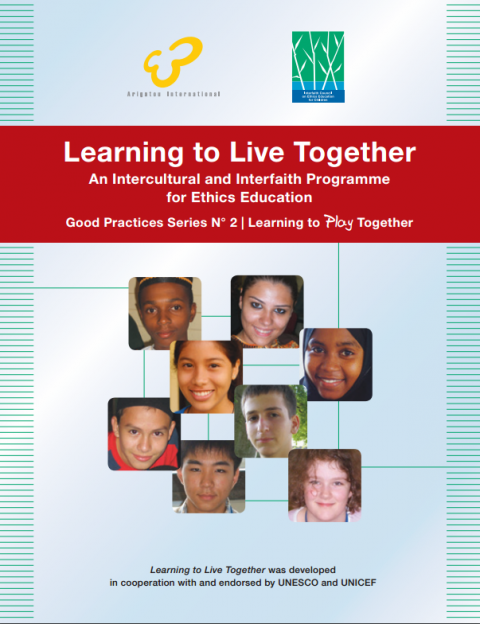 Learning to live together: an intercultural and interfaith programme for ethics education; Good Practices Series 2; Learning to Play Together Año de publicación: 2014 Autor corporativo: United Nations Children's Fund (UNICEF) | Interfaith Council on Ethics Education for Children | Arigatou Foundation Learning to live together: an intercultural and interfaith programme for ethics education; Good Practices Series 2; Learning to Play Together Aprender a vivir juntos Un programa intercultural e interreligioso para la educación ética: Series de Buenas Prácticas 2; Aprender a jugar juntos Año de publicación: 2014 Autor corporativo: United Nations Children's Fund (UNICEF) | Interfaith Council on Ethics Education for Children | Arigatou Foundation Aprender a vivir juntos Un programa intercultural e interreligioso para la educación ética: Series de Buenas Prácticas 2; Aprender a jugar juntos
  The Role of the Mother Tongue in Learning Standard Arabic at the Primary Stage in the Algerian School Año de publicación: 2012 Autor: Khaled Abdel Salam Autor corporativo: Farhat Abbas Setif University Our study has two mean objectives: To determine the first language consequences, whatever they are general, Arabic, or Kabyle, in the learning of school language at different vocabulary, singular, grammar, and, conjugation structures, therefore, exploring if they are helping factors in the learning process or hampering it. To identify the cognitive strategies used by the novices in their learning process in relation to their language performance and errors made in the oral and written expression. In order to deal with this situation, we utilized the descriptive analytical method, in which we had chosen randomly two samples composed of 90 scholars (45 scholars speaking general Arabic language, and 45 scholars speaking Kabyle language), on which we administered two tests, one in the form of an interview about personal and health informations, and the other one about the environment conservation. After, we had analysed the content of the responses, via the extraction of the language errors expanded, and categorising them to different styles or patterns, and computing their frequencies, and explaining them, we founded the following results: Whatever, the first language is general, Arabic or Kabyle, it has a big consequence over all the language structures, therefore, making the scholars language not different from them. According to these results, we can conclude that these factors are not considered as helping factors in the learning process. There is a tendency for the novices to utilize more, both of the revising strategies of courses and the deduction strategy compared to the others. there are no significant differences between scholars speaking general Arabic language and scholars speaking kabyle language in the vocabulary structure, but, there are significant differences between these two samples on the grammatical and conjugational structures, related to personal, pedagogical and familiar factors. According to these results, we can conclude that the language level of the novices on both samples is not related to the abilities required by the school system. دور اللغة الأم في تعلم اللغة العربية الفصحى في المرحلة الابتدائية بالمدرسة الجزائرية Año de publicación: 2012 Autor: Khaled Abdel Salam Autor corporativo: Farhat Abbas Setif University تهدف دراستنا إلى التعرف على تأثيرات اللغة األولى سواء كانت عامية عربية او قبائلية في تعلم اللغة المدرسية في مختلف البنيات اللغوية الصوتية والمفرداتية والتركيبية والنحوية والصرفية. وبالتالي الكشف إن كانت ،عامال ميسرا في التعلم أو معرقال. و التعرف على االستراتيجيات المعرفية التي يستعملها المتعلمون في تعلمهم وعالقتها بأدائهم اللغوي في التعبيرين الشفوي والكتابي. ولتحقيق ذلك استعملنا المنهج الوصفي التحليلي، فاخترنا عينتين بمجموع 90 تلميذا (45 ناطقا بالعامية العربية و45 ناطقا بالقبائلية). فطبقنا عليهما ثالث اختبارات، أحدهما شفوي على شكل مقابلة حول معلومات شخصية وصحية واآلخر كتابي حول المحافظة على البيئة، ومقياس حول ،استراتيجيات التعلم. ولما حللنا محتوى االجابات واستخرجنا األخطاء اللغوية المنتشرة وصنفناها إلى مختلف األنماط وبعد حسابنا لتكراراتها و تحليلنا وتفسيرنا لها، توصلنا إلى النتائج اآلتية: ـ أن اللغة األولى سواء كانت عامية عربية او قبائلية قد أثرت بشكل كبير في كل بنيات اللغة الصوتية، التركيبية، النحوية والصرفية بشكل كبير حتى أصبحت .لغة التعليم ال تختلف كثيرا عنها. لذلك استنتجنا أنه ال يمكن اعتبارها عامال ميسرا في التعلم .ـ أن المتعلمين يستخدمون كثيرا استراتيجيات المراجعة للدروس واالستنباط أكثر من االستراتيجيات األخرى .ـ أنه ال توجد عالقة بين االستراتيجيات المستعملة وأداء المعلمين باللغة المدرسية شفويا وكتابيا ـ وأنها ال توجد فروق ذات داللة إحصائية بين الناطقين بالعامية العربية و الناطقين بالقبائلية في البنية الصوتية لكن هناك فروقا دالة إحصائيا بينهما في البنيتين النحوية والصرفية لكنها تعود إلى عوامل اخرى ذاتية وبيداغوجية .وأسرية .واستنتجنا ان مستوى المتعلمين من العينتين بلغة التعليم لم يرتق إلى الكفاءات المنشودة في المنهاج المدرسي.
  The Clandestine Schools in Ecuador. Roots of Intercultural Indigenous Education Año de publicación: 2015 Autor: María Isabel González Terreros By the mid-twentieth century in Ecuador, indians implemented clandestine schools to teach their people. Those schools were persecuted and harassed by landowners, who did not see pertinent that indians were educated. This was a pioneering, innovative and different project. Pioneer because it is the first known project with these features in Ecuador; innovative because it was leaded by Indians who took their cultural background to school (such as the teaching of ancestral language and some knowledge about nature and territory); and different because it was a proposal contrary to the homogenizing and assimilationist education that the Nation-state was implementing in rural areas. That proposal was led by Dolores Cacuango, a Quechua Indian who was subject to the hacienda system (in which communities did farm work for the employer, in exchange for a piece of land to live in with their families). She, who suffered injustice and had no chance to go to school, insisted that children and young people should "learn letter" (that is, they should learn Castilian). Las Escuelas Clandestinas en Ecuador. Raíces de la Wducación Indígena Intercultural Año de publicación: 2015 Autor: María Isabel González Terreros A mediados del siglo xx en Ecuador los indígenas implementaron escuelas clandestinas para enseñar a los suyos, escuelas que fueron perseguidas y hostigadas por los hacendados que no veían pertinente que los indígenas se educaran. Se trató de un proyecto pionero, novedoso y diferente. Pionero porque es el primero que se conoce con estas características en el Ecuador; novedoso porque fue dirigido por indígenas que llevaron los saberes culturales a la escuela, como la enseñanza del idioma ancestral y algunos conocimientos sobre la naturaleza y el territorio; y diferente porque fue una propuesta contraria a la educación homogeneizante y asimilacionista que el Estado-nación implementaba en zonas rurales. Esta propuesta fue dirigida por Dolores Cacuango, una indígena kichwa que estuvo sometida al sistema de hacienda, en el que las comunidades realizaban trabajos agrícolas para el patrón a cambio de tener un pedazo de tierra y vivir con sus familias. Ella, que vivió la injusticia y no tuvo la posibilidad de ir a la escuela, se empeñó en que los niños y jóvenes “aprendieran letra”.